
Polycystic Ovary Syndrome (PCOS) remains one of the most prevalent endocrine disorders among women of reproductive age, affecting an estimated 8% to 13% of the global female population. Characterized by hormonal imbalances, ovulatory dysfunction, and metabolic complications, the condition is frequently underpinned by systemic insulin resistance. In recent years, clinical attention has increasingly shifted toward the ketogenic diet—a high-fat, moderate-protein, and very-low-carbohydrate nutritional framework—as a primary metabolic intervention. By drastically reducing carbohydrate intake, the ketogenic diet seeks to recalibrate the body’s insulin response, induce weight loss, and normalize the androgenic profile that drives PCOS symptoms. While the diet offers significant therapeutic potential, medical experts emphasize that its implementation requires a nuanced understanding of metabolic health, sustainability, and potential contraindications such as thyroid dysfunction.
The Metabolic Framework: Insulin and the Ketogenic Mechanism
The primary objective of a ketogenic intervention in the context of PCOS is the management of hyperinsulinemia. In women with PCOS, the body often struggles to utilize insulin effectively, leading the pancreas to overproduce the hormone to maintain stable blood glucose levels. This excess insulin acts as a catalyst for the ovaries, stimulating them to produce surplus testosterone. This hormonal cascade is responsible for the hallmark symptoms of the disorder, including hirsutism, acne, and irregular menstrual cycles.
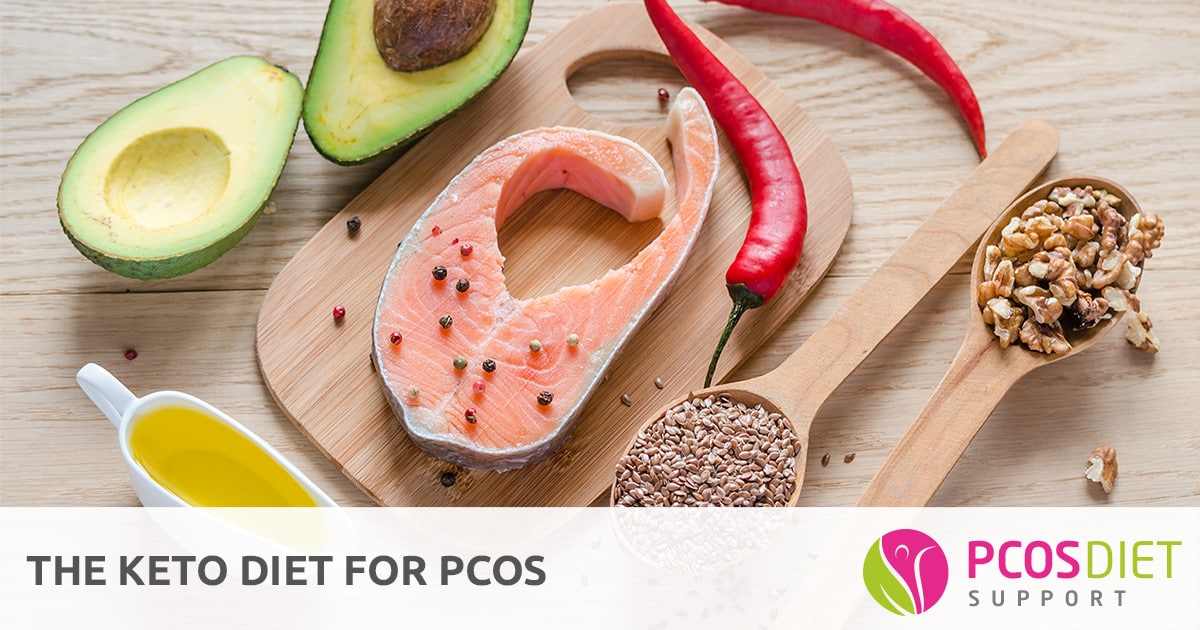
From a physiological standpoint, the ketogenic diet forces a metabolic shift from glycolysis—the burning of glucose for energy—to ketosis, where the body utilizes fat-derived ketone bodies. By restricting daily carbohydrate intake to between 20 and 50 grams, the body exhausts its immediate glucose stores, often referred to by metabolic specialists as the "ready-access" energy supply. Once these stores are depleted, the liver begins converting stored adipose tissue into ketones. This process not only facilitates fat loss but also significantly reduces the systemic demand for insulin. As insulin levels stabilize at a lower baseline, the primary stimulus for ovarian androgen overproduction is mitigated, leading to a more balanced endocrine environment.
Historical Context and the Evolution of Low-Carb Therapies
The use of ketogenic protocols is not a contemporary innovation; rather, it is the refinement of decades of nutritional science. The foundations were laid in the early 20th century, primarily as a treatment for pediatric epilepsy. However, the application of low-carbohydrate, high-fat (LCHF) diets for metabolic health gained mainstream traction in the 1970s with the Atkins Diet. By the early 2000s, researchers began specifically investigating the impact of LCHF diets on reproductive health.
A pivotal 2005 study published in the journal Nutrition & Metabolism served as a landmark for the PCOS community. In this clinical trial, women with PCOS followed a ketogenic diet for six months. The results were statistically significant: participants experienced an average weight loss of 12%, a 22% reduction in fasting insulin, and a 36% decrease in free testosterone levels. Furthermore, the ratio of Luteinizing Hormone (LH) to Follicle Stimulating Hormone (FSH)—a critical marker for fertility—showed marked improvement. This chronology of research has moved the ketogenic diet from a fringe weight-loss trend to a recognized clinical tool for managing metabolic-driven reproductive disorders.

Clinical Benefits: Hormonal Regulation and Symptom Mitigation
The advantages of a ketogenic approach for PCOS extend beyond simple weight reduction. The diet addresses the multifaceted nature of the syndrome through several distinct pathways:
Appetite Regulation and Satiety
One of the most significant barriers to weight management in PCOS is the "insulin roller coaster," where spikes in blood sugar followed by rapid crashes trigger intense cravings for refined carbohydrates and sugar. By stabilizing blood glucose, the ketogenic diet eliminates these fluctuations. Furthermore, high-fat and moderate-protein intake has been shown to influence satiety hormones such as ghrelin and cholecystokinin, allowing patients to feel fuller for longer periods and reducing the psychological burden of restrictive dieting.
Dermatological Improvements
Hyperandrogenism in PCOS frequently manifests as severe cystic acne. This is exacerbated by high levels of Insulin-like Growth Factor 1 (IGF-1). High insulin levels typically lower the concentration of IGF-1 binding proteins, leaving more free IGF-1 in the bloodstream to stimulate sebaceous glands. By lowering insulin, the ketogenic diet boosts binding protein levels, effectively reducing free IGF-1 and clearing acne at the systemic level.

Cardiovascular Protection
Women with PCOS face a significantly higher risk of developing cardiovascular disease and Type 2 diabetes later in life. Research indicates that a well-formulated ketogenic diet can improve the lipid profile by increasing High-Density Lipoprotein (HDL) cholesterol—often termed "good" cholesterol—and reducing triglycerides. This metabolic "cleanup" is vital for the long-term health of women who are predisposed to metabolic syndrome.
Challenges and Physiological Obstacles
Despite the documented benefits, the transition to a ketogenic state is not without complications. The "Keto Flu" is a well-documented phenomenon occurring in the initial 7 to 14 days of carbohydrate restriction. Symptoms include headaches, nausea, lethargy, and irritability. These symptoms are primarily the result of electrolyte imbalances as the body sheds excess water weight along with glycogen stores.
Moreover, the restrictive nature of the diet poses long-term sustainability challenges. The total elimination of grains, most fruits, and starchy vegetables can lead to social isolation and dietary boredom. There is also a risk of fiber deficiency, which frequently results in constipation unless patients are diligent about consuming high volumes of non-starchy, leafy green vegetables.

Critical Contraindications: The Thyroid Connection
A vital consideration for women with PCOS is the high comorbidity rate with thyroid disorders, specifically Hypothyroidism and Hashimoto’s Thyroiditis. Clinical data suggests that insulin is required for the conversion of the thyroid hormone T4 into its active form, T3. Drastically lowering insulin levels through a strict ketogenic diet may, in some cases, suppress thyroid function further.
For patients with compromised thyroid health, a moderate-carbohydrate approach—typically around 100 grams per day—is often recommended over strict ketosis. Medical professionals advise that women with PCOS should undergo a full thyroid panel before embarking on a ketogenic journey to ensure that the metabolic intervention does not inadvertently damage the endocrine system’s delicate balance.
Implementation Strategies: The Gradual Transition
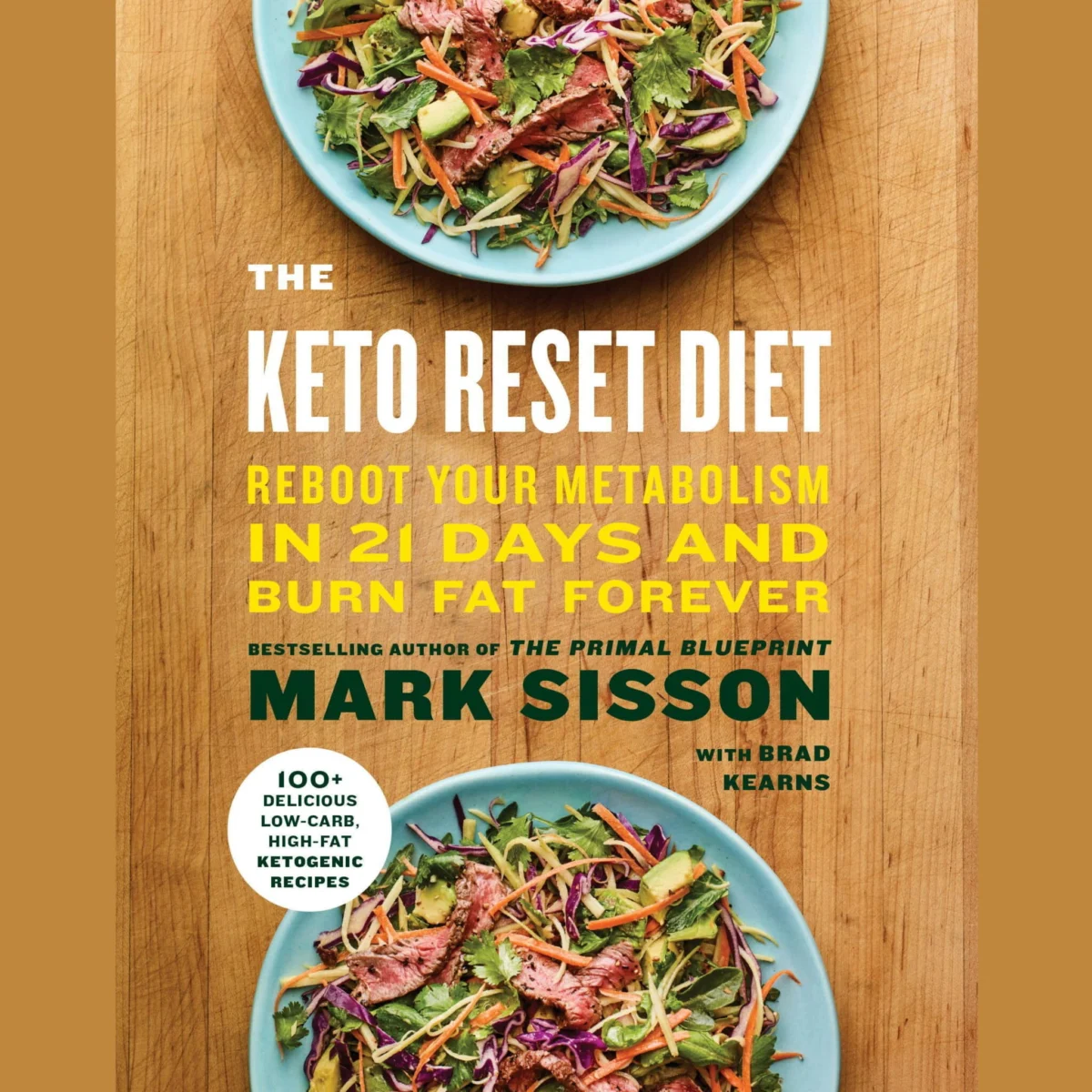
To improve adherence and minimize side effects, experts often recommend a "graded transition" into ketosis rather than an abrupt dietary overhaul. This approach, popularized by health researchers like Mark Sisson, involves a 21-day "reset" period. During this phase, the focus is on eliminating processed sugars and industrial seed oils while gradually lowering carbohydrate intake.

This phased approach allows the body’s enzymatic machinery to adapt to fat-burning. During the transition, nutrient density is prioritized over strict macronutrient counting. For instance, while some ketogenic plans allow for dairy, many PCOS specialists recommend a dairy-free or gluten-free ketogenic model to further reduce systemic inflammation, which is a known driver of PCOS symptoms.
Broader Impact and the Future of PCOS Management
The shift toward ketogenic and LCHF diets represents a broader movement in medicine toward "food as medicine." For decades, the standard treatment for PCOS was the prescription of hormonal contraceptives and metformin. While these remain valuable tools, the integration of metabolic dietary strategies addresses the root cause of the disorder rather than merely masking the symptoms.
The implications for fertility are particularly profound. As hormonal profiles normalize and weight is lost, many women who previously struggled with anovulation find that they are able to conceive naturally. This has the potential to reduce the reliance on expensive assisted reproductive technologies such as IVF.

In conclusion, the ketogenic diet offers a powerful, evidence-based intervention for women struggling with the metabolic and hormonal complexities of PCOS. By lowering insulin, promoting fat loss, and rebalancing androgens, it provides a pathway to symptom relief that many traditional treatments fail to achieve. However, it is not a "one-size-fits-all" solution. Success requires a commitment to nutrient-dense foods, an awareness of thyroid health, and a recognition that dietary changes must be sustainable for a lifetime. As research continues to evolve, the ketogenic diet is likely to remain a cornerstone of metabolic therapy in the ongoing effort to improve the quality of life for women with Polycystic Ovary Syndrome.
