
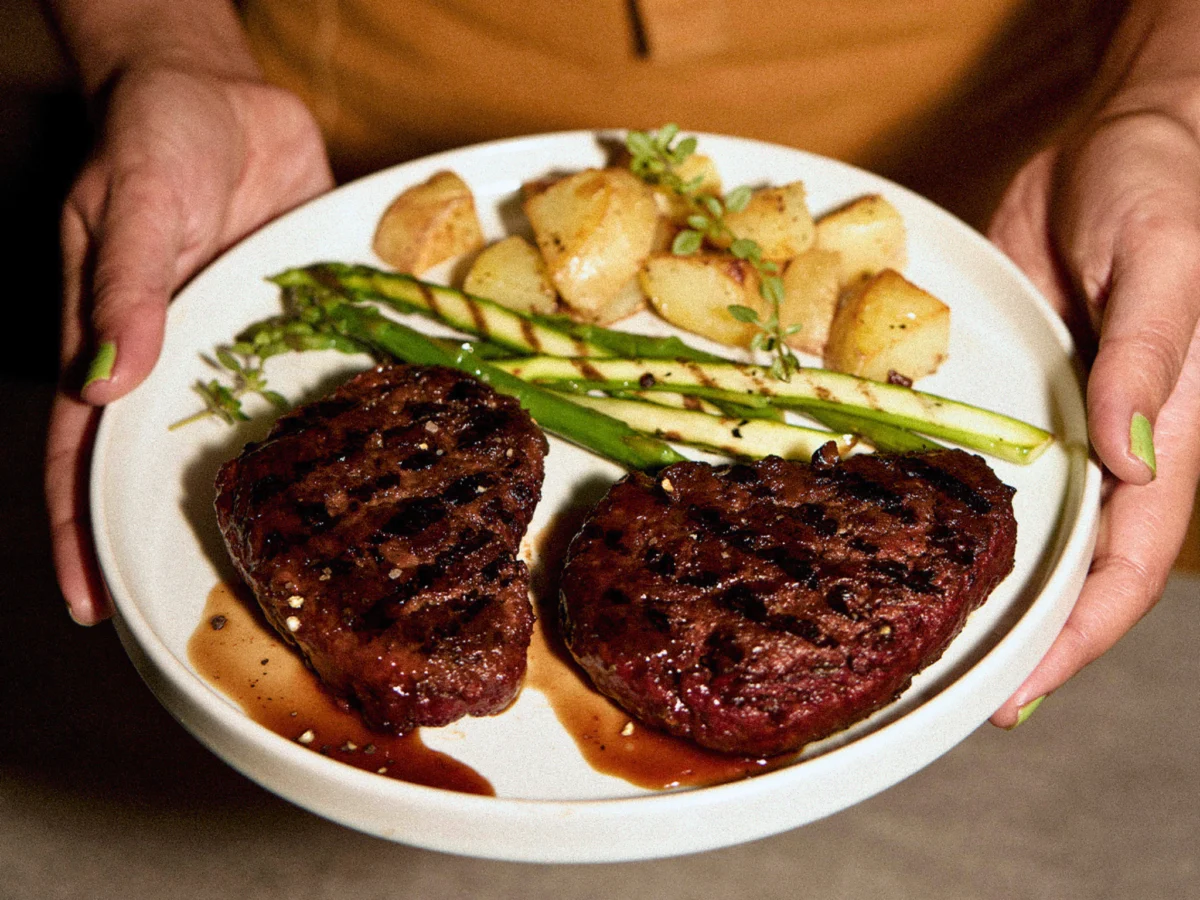
The United States alternative protein market is currently navigating a pivotal moment, marked by significant technological advancements, evolving consumer preferences, and a complex regulatory and investment landscape. A comprehensive study, conducted by researchers at the Bezos Earth Fund’s Center for Sustainable Protein in North Carolina, has synthesized insights from a diverse group of industry stakeholders, including business leaders, investors, non-profits, researchers, and government regulators. This analysis reveals a sector that experienced a meteoric rise, followed by a considerable downturn, and is now strategically repositioning itself for sustained growth and broader market adoption.
The study, published in the peer-reviewed journal NPJ Science of Food, highlights the dynamic trajectory of alternative proteins – encompassing plant-based, cultivated, and fermentation-derived options. These nascent food technologies saw a surge in popularity and investment throughout the 2010s. This period culminated in a peak around the end of the decade, evidenced by high-profile initial public offerings from companies like Beyond Meat and Oatly, and substantial funding rounds for innovators such as Impossible Foods and Upside Foods. For instance, venture capital investment in the alternative protein sector reached record highs in the years leading up to 2022.
However, this upward trend experienced a significant reversal in recent years. The study indicates that last year, funding for startups in this sector dipped below the $1 billion mark for the first time, a stark contrast to the hundreds of millions secured by leading companies just a few years prior. This financial contraction is attributed to a confluence of factors, including declining sales, the emergence of political and legislative hurdles, a concerted misinformation campaign often spearheaded by the traditional livestock industry, public concerns surrounding the perceived ultra-processing of some alternative protein products, and a persistent gap in taste and price parity when compared to conventional animal proteins.
Despite these headwinds, the report emphasizes that the sector is actively engaged in a strategic recalibration. The overarching objective is to reverse the current trend by prioritizing improvements in product taste, expanding production at scale, and driving down costs to achieve price competitiveness. The aim is to attract a wider and more diverse consumer base while simultaneously navigating what is described as a "charged policy environment." The interviewed stakeholders represented a broad spectrum of the alternative protein ecosystem, encompassing alternative protein startups, industry associations, investors, government regulators, civil society organizations, philanthropies, and academic institutions. Their collective insights are intended to inform future research agendas and catalyze innovations that will enhance the capacity of the alternative protein sector, working in tandem with traditional protein sources, to deliver nutritious and sustainable food options with demonstrable social, environmental, and economic benefits.

The Crucial Nexus of Taste and Price Parity
Industry insiders view the recent downturn not as a failure, but as a natural consequence of the "venture capital boom and bust" cycle and a manifestation of the Gartner Hype Cycle. This widely recognized model illustrates the typical progression of emerging technologies, moving from initial over-enthusiasm and inflated expectations through a period of disillusionment, ultimately towards a phase of practical application and mature development.
The COVID-19 pandemic inadvertently provided a significant boost to alternative protein sales. During lockdown periods, a substantial increase in the availability of alternative protein products coincided with a societal shift towards more home-based meal preparation. Consumers were spending more time cooking, their focus on personal health intensified, and disruptions to traditional supply chains may have encouraged a greater exploration of diverse food choices. This surge led to a period of accelerated adoption and investment.
However, the post-pandemic landscape brought new challenges. Rising inflation, market saturation, and persistent consumer concerns regarding taste, price, and the processing methods employed in product manufacturing contributed to the subsequent decline in sales and investment. One stakeholder reflected on this period, noting, "I think it was a good thing for the field to go through, in part because you had to rethink priorities and the pace of innovation to have a meaningful impact on consumers." Another interviewee expressed a more optimistic outlook, suggesting that the industry may have hit its lowest point last year and could begin its recovery in 2026.
The study also underscores the growing diversity within the alternative protein consumer base. This trend has prompted many stakeholders to emphasize the critical need for more in-depth market research and the development of compelling and inclusive consumer narratives. The primary goal remains to achieve parity with, and ultimately surpass, the taste and price points of animal proteins. "Many stakeholders felt that achieving taste parity with traditional meat products is not enough: alternative protein products need to be the more delicious option," the authors reported. Similarly, regarding pricing, the consensus was clear: "alternative protein products must be the cheaper option."
The impact of a single negative consumer experience can disproportionately influence perceptions, making the "minimum viable product" approach insufficient for future market success. Beyond sensory attributes and cost, nutrition and health are increasingly significant consumer priorities. There is a growing demand for products offering higher protein and fiber content, while simultaneously reducing saturated fat and cholesterol.
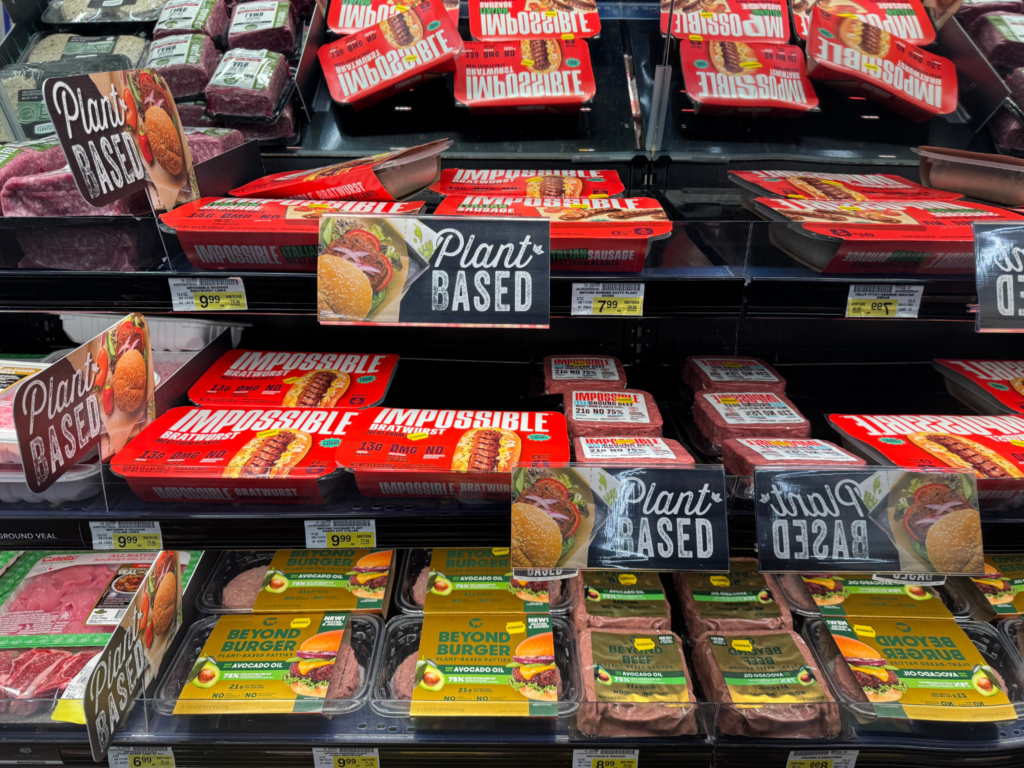
The interviewees identified "blended meat" – products combining animal and plant-based ingredients – as a significant strategic opportunity for the industry. They noted that some blended meat products already outperform conventional animal proteins in terms of taste. Furthermore, these hybrid products can facilitate a faster scaling of production for the alternative protein sector.
A critical area for improvement identified is consumer communication. Stakeholders believe that early marketing strategies, which often focused on direct replacement of conventional farming, may have inadvertently alienated potential consumers and hindered sector growth. Instead, an inclusive, "both/and" approach is advocated. Alternative proteins need a clearly defined value proposition, and consumers require greater education on their usage and benefits. Some experts proposed the development of a comprehensive cultural marketing campaign, drawing parallels to successful initiatives like "Beef. It’s What’s for Dinner."
The Imperative for "Moonshot Thinking" and Novel Funding Avenues
The pace of innovation and development within the alternative protein landscape varies significantly across different companies and technological approaches. Plant-based research and development is currently the most mature, with current efforts focused on refining product offerings. This includes enhancing sensory characteristics through advanced techniques such as fiber spinning, 3D printing, and the development of molds for creating more realistic whole-muscle cuts of plant-based meat.
Scaling production and reducing manufacturing costs were repeatedly cited as the most significant challenges by industry stakeholders. As one interviewee articulated, "Alt-proteins will have zero impact in the world unless they can achieve scale. And the only way they can achieve scale is if they’re really, really low cost." This imperative underscores the urgent need for shared manufacturing infrastructure and innovative funding mechanisms. Experts believe the sector must actively engage contract manufacturing organizations to outsource production and accelerate the scaling process.
For cultivated and fermentation-derived products, the scalability of bioreactor technology presents a central manufacturing and scale-up hurdle. While many companies in this space have drawn inspiration from the biopharmaceutical sector’s established processes, some stakeholders caution against an over-reliance on this model. "There’s nothing wrong with what the pharmaceutical industry created for scale-up and production processes, but I don’t see how this will work for the immense scales and low costs that we need for food-related products," one expert commented.
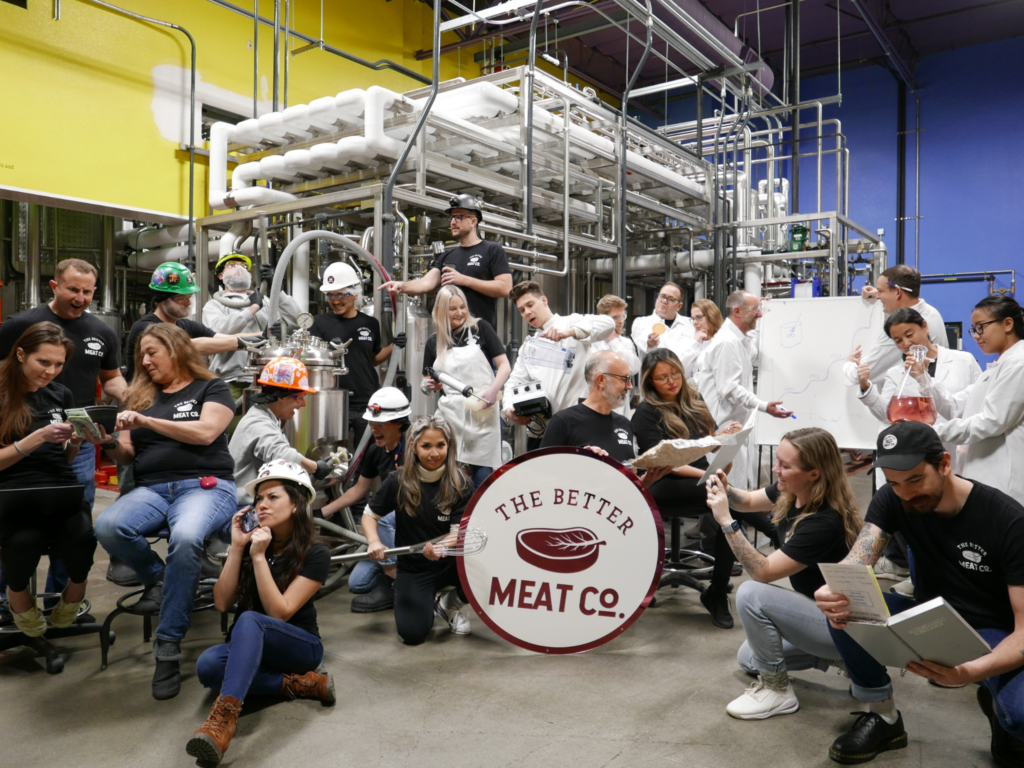
Others stressed the necessity of "moonshot thinking" to conceptualize and achieve the required scale for these products. The transition from batch manufacturing to continuous processing was highlighted as a "single biggest differentiator in terms of unit economics" for cellular agriculture firms, signifying a crucial pathway to cost reduction and increased output.
Given the recent contraction in venture capital funding and the substantial capital expenditure (CapEx) required for establishing large-scale production facilities, stakeholders emphasized the critical need for novel funding sources. The study explicitly highlights the necessity of increased government support. "There’s no natural funder in the world that wants to take a large bet with a lot of capital expenditure and wants to do so with an emerging technology for an unproven market," one expert observed. This points to a gap in traditional investment models for high-risk, capital-intensive, early-stage technologies in the food sector.
Stakeholder Uncertainty Regarding the Trump Administration’s Impact on Alternative Proteins
Despite the prevailing financial challenges, stakeholders expressed a degree of optimism regarding the regulatory processes for cultivated meat and the existing collaborative efforts between companies and government agencies to ensure product safety. Positive policy developments were acknowledged as significant "wins" for the sector. These include federal and state investments in research and development, the FDA’s draft labeling guidance for plant-based products—which suggested consumers were not experiencing confusion with current terminology—and state-level legislative initiatives that have expanded consumer access to these innovative food technologies.
However, a substantial number of ongoing legislative challenges persist. Notable among these are restrictions on the labeling of alternative proteins and outright bans on the sale of cultivated meat in various states. Many stakeholders attribute the proliferation of such restrictive legislation to the lobbying efforts of the traditional livestock industry.
Furthermore, considerable uncertainty surrounds how the policy landscape for alternative proteins might evolve under a potential Trump administration. Concerns have been raised regarding increased political polarization on the issue. Experts identified several potential areas of concern, including the imposition of tariffs on international trade, the possibility of additional bans on cultivated protein products, and a heightened focus on ultra-processed foods (UPFs). These potential policy shifts could create significant headwinds for the sector.

The study also pointed to the negative impact of bipartisan actions against UPFs on the alternative protein industry. "We have an opportunity. We can either be in the non-processed, lightly processed area, or we can get thrown in with potato chips. And I think if we don’t advocate for ourselves right now, we’re going to be thrown in with potato chips, and I think that would be like the nail in the coffin," one interviewee stated. This highlights the industry’s urgent need to differentiate itself from less healthy processed foods and to actively engage in policy discussions to secure a favorable regulatory classification.
Stakeholders called for sustained federal support to maintain the United States’ leadership position in the alternative protein sector, especially in light of increasing investment from other countries, notably China. Opportunities for government procurement, such as for schools, universities, military personnel, and other federal institutions, were also identified as potential avenues for growth and market penetration.
"Participants believed that messages focused on domestic food production, American job growth, economic development, national security, and US competitiveness and leadership in the alternative protein space would resonate with some legislators," the researchers noted. This suggests a strategic approach to policy advocacy, framing the industry’s development within broader national interests.
Ultimately, the researchers emphasized that the industry’s success hinges on robust collaboration. Startups are encouraged to partner with the established animal agriculture sector, which possesses the scale, capital, expertise, brand recognition, and consumer trust necessary to drive significant shifts in the U.S. food system. Such partnerships could be instrumental in achieving taste and price parity, scaling manufacturing capabilities, and advancing policy discussions in a constructive manner.
The authors concluded that, "At present, the US alternative protein sector is a rapidly evolving field at a critical juncture in its development, and one facing both challenges and opportunities as it works to scale up production to meet growing protein demands." The coming years will be crucial in determining whether the sector can successfully navigate these complexities and fulfill its potential as a sustainable and significant contributor to the global food supply.
