
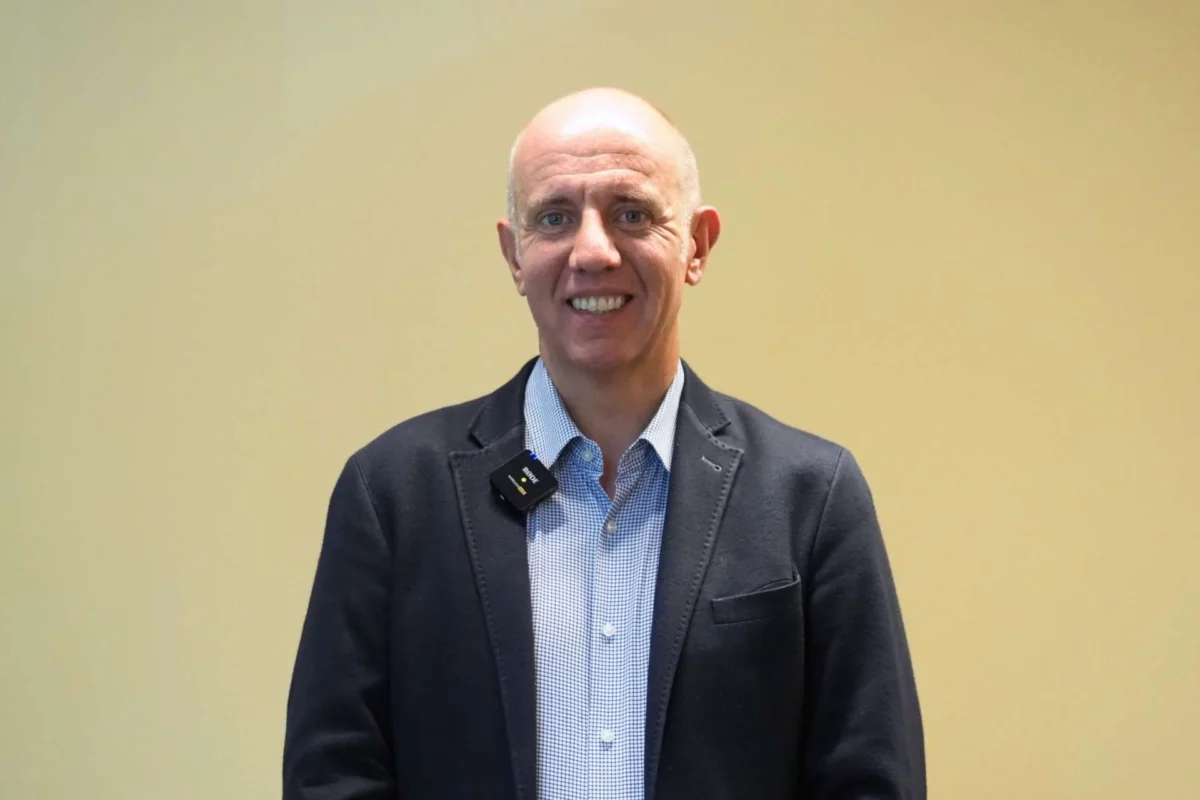
The global scientific community is increasingly recognizing that the health of humans, animals, and the environment is inextricably linked, a concept formally known as the One Health framework. At the forefront of this interdisciplinary movement is Paul Wilmes, a professor at the University of Luxembourg, whose research into the "infective competence" of microbial communities is reshaping our understanding of how diseases emerge and spread across diverse ecosystems. In a comprehensive analysis of his recent work, Wilmes details how the collective capacity of microbiomes to harbor and transmit disease-relevant determinants—such as virulence factors and antimicrobial resistance genes—serves as a critical metric for assessing public health risks in an era of rapid planetary change.
Defining Infective Competence in a Multi-Omic Landscape
Central to Wilmes’ research is the definition of "infective competence." Unlike traditional microbiology, which often focuses on the pathogenicity of a single isolated organism, infective competence looks at the microbiome as a whole. It describes the total functional potential of a microbial community to cause harm, factoring in the presence of virulence factors, antimicrobial resistance (AMR) genes, biosynthetic gene clusters, and toxins. This holistic view acknowledges that a microbiome is more than the sum of its parts; it is a dynamic reservoir where genetic information is constantly exchanged.
To study these complex interactions, Wilmes and his team employ a sophisticated multi-omic approach. This involves the simultaneous integration of metagenomic (DNA), metatranscriptomic (RNA), metaproteomic (protein), and metabolomic (metabolite) data from the same biological samples. By layering these datasets, researchers can reconstruct intricate interaction networks within microbial communities. This method allows scientists to move beyond mere identification of "who is there" to an understanding of "what they are doing" and how their emerging properties may causally influence human disease pathways.
The PathoFact Pipeline and Global Microbiome Reservoirs
A cornerstone of this research program is the development and implementation of the PathoFact pipeline. This bioinformatics tool is designed for the systematic profiling of infective competence across a vast array of microbiome reservoirs. The pipeline allows for the high-throughput identification of pathogenic potential by screening genomic data against known databases of virulence factors and resistance genes.
The application of PathoFact has yielded significant insights across various environments. In hospital settings, the pipeline has been used to track the persistence of highly resistant "superbugs" and the flow of resistance genes between patients and the clinical environment. Beyond the clinic, the research has extended into the "built environment"—the homes, offices, and public transport systems where humans spend the majority of their time. These studies show that urban microbiomes are increasingly shaped by human activity, often leading to a concentration of AMR genes in densely populated areas.
Furthermore, the research has touched upon natural ecosystems, including glacier-fed streams. As climate change accelerates the melting of ancient ice, previously sequestered microbial communities are being released into downstream environments. Wilmes’ work in these regions highlights how environmental shifts can alter gene flow, potentially introducing novel genetic determinants into the modern global microbiome.
Chronology of Research and Case Studies in Transmission
The evolution of Wilmes’ research follows a logical progression from the development of analytical tools to their application in urgent global health crises. A key timeline in this research includes:
- Development of the PathoFact Pipeline (2020-2021): Establishing the computational framework necessary to analyze large-scale multi-omic data for pathogenic determinants.
- SARS-CoV-2 Community Transmission Studies (2021-2022): Applying the framework to understand how the COVID-19 pandemic influenced the broader microbiome and how the virus interacted with existing bacterial communities in the human gut and respiratory tract.
- Animal Antimicrobial Exposure Analysis (2022-Ongoing): Investigating how the use of antibiotics in livestock contributes to the reservoir of resistance genes that can eventually jump to human populations.
- Wastewater Treatment Monitoring: Utilizing wastewater as a "proxy" for community health, identifying spikes in infective competence before they manifest as clinical outbreaks.
One of the most striking findings from this timeline involves the link between oral-to-gut microbial transmission and inflammatory signatures in Type 1 Diabetes (T1D). Data suggests that in individuals with T1D, certain microbes typically found in the mouth are more likely to colonize the gut. This "translocation" is associated with heightened inflammatory responses, providing a potential mechanistic link between microbiome composition and the progression of autoimmune diseases.
Supporting Data on Antimicrobial Resistance and Public Health
The urgency of Wilmes’ work is underscored by the global statistics on antimicrobial resistance. According to the 2019 Global Research on Antimicrobial Resistance (GRAM) report, AMR was directly responsible for an estimated 1.27 million deaths globally and played a role in nearly 5 million deaths. The World Health Organization (WHO) has declared AMR one of the top 10 global public health threats facing humanity.
Wilmes’ research provides the granular data needed to address these statistics. By identifying the specific "hotspots" of resistance—whether in hospital wards or wastewater systems—public health officials can implement more targeted interventions. For instance, data from the PathoFact pipeline has shown that certain wastewater treatment processes, while effective at removing bacteria, may actually concentrate mobile genetic elements, such as plasmids, which carry resistance genes. This finding has significant implications for how we design the next generation of environmental infrastructure.
Moving from Association to Mechanism with HuMiX and AI
A persistent challenge in microbiome research is distinguishing between simple association (two things happening at the same time) and true causation (one thing causing another). To bridge this gap, Wilmes’ program utilizes the HuMiX (Human-Microbial Crosstalk) model. HuMiX is a "gut-on-a-chip" microfluidic device that allows researchers to co-culture human cells with microbial communities under controlled conditions.
By simulating the human gut environment, HuMiX enables the study of how specific microbial metabolites or toxins interact with human tissue. This high-throughput experimental setup is now being coupled with advanced Artificial Intelligence (AI) and machine learning methods. These AI models can sift through the massive datasets generated by multi-omics to identify "causal molecules"—specific proteins or metabolites that trigger disease pathways. This approach represents a shift toward "precision microbiology," where treatments can be tailored based on the functional profile of an individual’s microbiome.
Official Responses and Scientific Consensus
The scientific community has responded with significant interest to the concept of infective competence. Dr. Maria Neira, Director of the Department of Environment, Climate Change and Health at the WHO, has frequently emphasized that "the health of the planet and the health of people are one and the same." Experts in the field of metagenomics have lauded the PathoFact pipeline as a necessary step in standardizing how we measure microbial risk.
While some researchers caution that the complexity of microbial interactions makes absolute prediction difficult, there is a broad consensus that the multi-omic approach advocated by Wilmes is the most robust method currently available. The integration of AI is particularly seen as a game-changer, potentially reducing the time it takes to identify emerging pathogens from years to weeks.
Broader Impact and Planetary Implications
The implications of Wilmes’ work extend far beyond the laboratory. By positioning infective competence as a unifying concept, the research provides a framework for studying how planetary change—including urbanization, industrial agriculture, and climate change—contributes to health and disease.
As humans continue to encroach on natural habitats, the "spillover" of pathogens from wildlife to humans becomes more likely. Wilmes’ research suggests that we must monitor the infective competence of these border zones to provide early warning signs of the next pandemic. Furthermore, the findings regarding the "built environment" suggest that architectural and urban planning must begin to consider the "microbial health" of buildings, potentially leading to designs that discourage the accumulation of harmful resistance genes.
In conclusion, the work of Paul Wilmes and his team at the University of Luxembourg represents a critical evolution in the field of microbiology. By moving away from a siloed view of pathogens and toward a comprehensive understanding of infective competence within a One Health framework, this research offers a roadmap for navigating the complex health challenges of the 21st century. The integration of multi-omics, microfluidic modeling, and artificial intelligence provides the tools necessary to not only monitor the global microbiome but to actively intervene in the pathways that lead from microbial imbalance to human disease. As the world continues to grapple with the dual threats of AMR and emerging infectious diseases, the study of infective competence will likely become an essential pillar of global biosecurity and public health strategy.
