
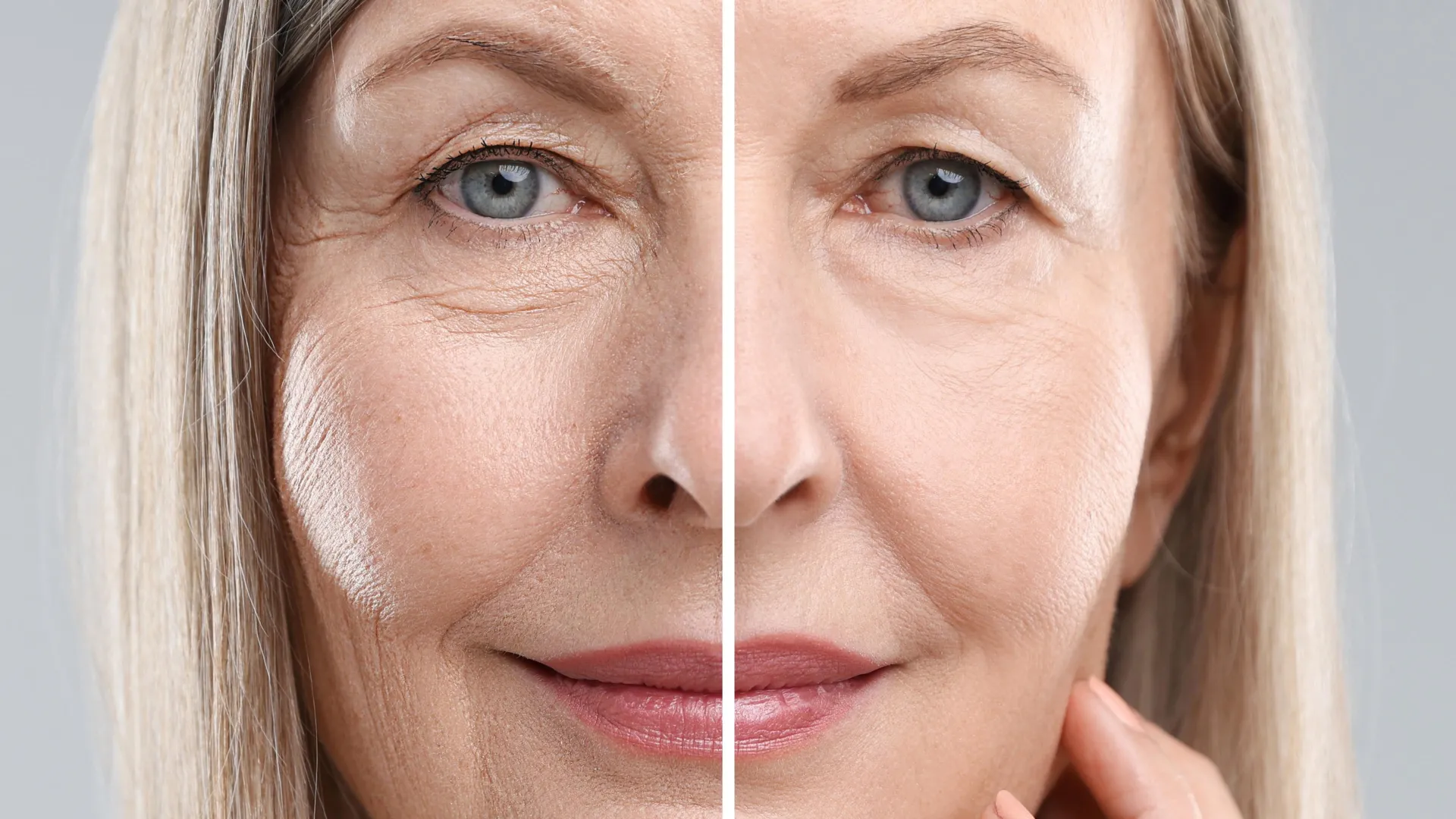
New research from the NYU School of Global Public Health suggests that anxieties surrounding aging, particularly worries about deteriorating health, may have a tangible impact on women’s bodies, accelerating the aging process at a cellular level. This groundbreaking study, published in the esteemed journal Psychoneuroendocrinology, moves beyond the purely psychological realm, indicating that subjective fears can manifest as objective biological markers of aging with potentially significant health consequences.
The Psychological Toll and Biological Manifestation
"Our research suggests that subjective experiences may be driving objective measures of aging," stated Mariana Rodrigues, a PhD student at NYU and the lead author of the study. "Aging-related anxiety is not merely a psychological concern, but may leave a mark on the body with real health consequences." This sentiment highlights a growing understanding within the scientific community that the mind-body connection is far more intricate than previously acknowledged, with mental states capable of influencing physiological processes.
The concern about aging is a widespread phenomenon, encompassing fears of illness, physical decline, and the loss of independence. While previous studies have established a link between chronic psychological distress and biological aging through epigenetic modifications—changes in gene expression without altering the underlying DNA sequence—this new research specifically probes the correlation between the worry about aging and the process of aging itself. "We know from previous research that anxiety, depression, and mental health in general are associated with a number of physical health outcomes, but until now researchers haven’t focused on whether there is a correlation between worrying about aging and the process of aging itself," Rodrigues elaborated.
Understanding Vulnerability: Why Women May Experience More Aging Anxiety
The study points to women as potentially being more susceptible to heightened anxiety about aging. Societal pressures that often emphasize youth and appearance, coupled with concerns about fertility, can contribute to increased stress during midlife. This period is frequently characterized by a convergence of responsibilities and life transitions.
"Women in midlife may also be multiple in roles, including caring for their aging parents," Rodrigues explained. "As they see older family members grow older and become sick, they may worry about whether the same thing will happen to them." This vicarious experience of age-related decline in loved ones can serve as a potent catalyst for personal anxieties, fostering a sense of impending vulnerability. The cultural narrative surrounding female aging, often focused on perceived loss of attractiveness and reproductive capacity, further exacerbates these concerns, creating a complex web of psychological pressures.
Study Methodology: Epigenetic Clocks and Data Analysis
To investigate the intricate relationship between anxiety about aging and biological aging, the research team meticulously examined data from 726 women who were participants in the Midlife in the United States (MIDUS) study. This longitudinal study, initiated in the early 1990s, has provided invaluable insights into the health and well-being of American adults across different life stages. The MIDUS cohort, known for its comprehensive data collection, allowed researchers to access detailed self-reported information and biological samples.
Participants in the NYU study were asked to report the extent of their worries regarding various aspects of aging, including concerns about becoming less attractive, the development of health problems, and the potential inability to have children due to age. These subjective reports were then correlated with objective biological markers of aging derived from blood samples.
The analysis employed two established epigenetic clocks: DunedinPACE and GrimAge2. DunedinPACE is a measure that quantifies the speed of biological aging, essentially indicating how rapidly an individual’s cells are aging. GrimAge2, on the other hand, provides an estimation of accumulated biological damage over time, offering a snapshot of an individual’s overall biological resilience. These epigenetic clocks are considered highly reliable biomarkers of aging, having been validated in numerous studies across diverse populations.
Key Findings: Health Worries and Accelerated Aging
The results of the analysis revealed a significant association between higher levels of anxiety about growing older and signs of faster epigenetic aging, as measured by the DunedinPACE clock. Women who expressed greater concern about aging exhibited a more accelerated rate of biological aging at the cellular level. Prior research has consistently linked accelerated epigenetic aging to increased physical decline and a greater susceptibility to age-related diseases, underscoring the potential health implications of these anxieties.
Interestingly, not all concerns about aging carried the same weight in this study. Worries specifically related to declining health emerged as the strongest predictor of faster biological aging. This suggests that the fear of illness and physical deterioration is particularly potent in driving cellular aging. In contrast, concerns about appearance and fertility, while common anxieties, were not found to be significantly associated with epigenetic aging in this particular cohort. The researchers hypothesize that health worries may be more enduring and pervasive throughout the aging process, whereas concerns about beauty and reproductive capacity might naturally diminish or shift in focus with age. This distinction is crucial, as it points to specific areas of anxiety that may warrant targeted interventions.
The Interconnectedness of Mental and Physical Health
The findings from this study powerfully underscore the deeply intertwined nature of mental and physical health across the entire lifespan. Despite being often addressed in separate medical and psychological frameworks, the research demonstrates that psychological states can have direct and measurable impacts on biological processes. This reinforces the holistic approach to health that is increasingly being advocated by medical professionals and researchers.
"Our research identifies aging anxiety as a measurable and modifiable psychological determinant that seems to be shaping aging biology," commented Adolfo Cuevas, associate professor of social and behavioral sciences at NYU School of Global Public Health and the study’s senior author. His statement emphasizes that aging anxiety is not an immutable aspect of life but rather a factor that can potentially be influenced and managed, thereby mitigating its biological consequences.
Limitations and Future Directions
While the study provides compelling evidence, the researchers acknowledge certain limitations. The study design captures data at a single point in time, making it impossible to establish a definitive cause-and-effect relationship between aging anxiety and accelerated biological aging. It is also challenging to completely rule out the influence of other confounding factors.
The researchers also explored the role of certain coping behaviors associated with anxiety, such as smoking and alcohol consumption. When the analysis was adjusted to account for these health behaviors, the statistically significant association between aging anxiety and epigenetic aging weakened considerably, suggesting that these behaviors might play a mediating role. This highlights the complexity of the observed relationships and the need for further investigation into the interplay of psychological factors, lifestyle choices, and biological aging.
"Further research will be needed to understand how anxiety about aging affects long term biological aging and how best to support people experiencing these fears," Rodrigues emphasized. Future studies could employ longitudinal designs to track individuals over time, allowing for a more robust understanding of how changes in anxiety levels correlate with changes in biological aging markers. Additionally, exploring the efficacy of interventions aimed at reducing aging anxiety, such as cognitive behavioral therapy or mindfulness practices, would be a valuable next step.
Societal Implications and the Future of Aging Discourse
The findings carry significant societal implications, urging a re-evaluation of how aging is perceived and discussed. "Aging is a universal experience," Rodrigues concluded. "We need to start a discourse about how we as a society — through our norms, structural factors, and interpersonal relationships — address the challenges of aging." This call to action emphasizes the need for a societal shift towards a more supportive and less anxiety-provoking environment for aging individuals.
The research was supported by grants from the National Institute of Diabetes and Digestive and Kidney Diseases (R01DK137246, R01DK137805). Jemar R. Bather of NYU School of Global Public Health also contributed as a coauthor to the study.
This research contributes to a growing body of evidence suggesting that our psychological states are not merely internal experiences but have tangible and measurable effects on our physical health and the very process of aging. By highlighting the potential biological consequences of aging anxiety, particularly in women, this study opens new avenues for research and intervention, aiming to promote healthier aging from both a psychological and biological perspective. The implications extend beyond individual health, calling for a broader societal conversation about how to foster a more positive and less fear-driven experience of growing older.
