
According to the 2025 edition of the Levels & Trends in Child Mortality report, an estimated 4.9 million children died before reaching their fifth birthday in 2024, a figure that includes 2.3 million newborns. While the global community has successfully reduced under-five mortality by more than half since the turn of the millennium, the latest findings from the United Nations Inter-agency Group for Child Mortality Estimation (UN IGME) indicate a deeply concerning trend: the pace of this reduction has slowed by more than 60 percent since 2015. This deceleration suggests that without a significant shift in global health investment and political commitment, the world will fail to meet the Sustainable Development Goal (SDG) targets for child survival.
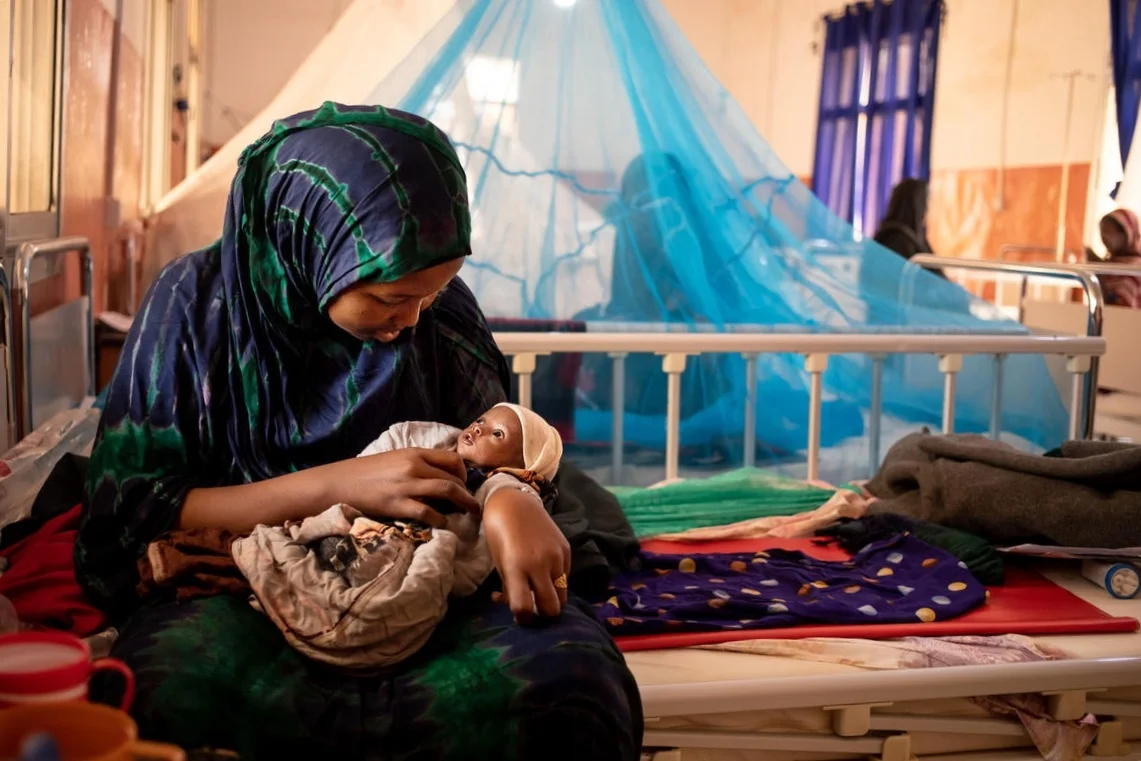
The 2024 data provides the most comprehensive analysis to date, for the first time fully integrating estimates on specific causes of death through a partnership with the Child and Adolescent Causes of Death Estimation (CA-CODE) group. This integration allows health officials to see not only where children are dying but precisely why, offering a roadmap for targeted interventions. Central to this year’s findings is the direct impact of severe acute malnutrition (SAM), which is now estimated to have caused more than 100,000 deaths in children aged 1 to 59 months. However, experts warn that this figure represents only the tip of the iceberg, as malnutrition frequently acts as an underlying factor that weakens immune systems, making children far more susceptible to fatal bouts of pneumonia, diarrhea, and malaria.
Historical Context and the Post-2015 Deceleration
To understand the current crisis, it is necessary to look at the trajectory of child health over the last three decades. In 1990, the global number of under-five deaths stood at a staggering 12.6 million. By 2000, that number had fallen to 9.9 million, and by 2015, it had dropped to roughly 5.9 million. This progress was driven by the Millennium Development Goals (MDGs), which galvanized international funding for immunization, maternal health, and infectious disease control.
However, the transition from the MDGs to the Sustainable Development Goals in 2015 coincided with a period of stagnation. While mortality rates continue to decline, the annual rate of reduction has dropped significantly. Between 2000 and 2015, the world saw rapid gains in expanding access to basic healthcare. In the decade since, however, a combination of factors—including the COVID-19 pandemic, escalating regional conflicts, climate-induced disasters, and a shifting global financing landscape—has blunted the momentum. The report highlights that the "easy wins" in child survival have largely been achieved, leaving the most vulnerable populations in fragile settings to face increasingly complex barriers to care.
The Critical First Month: Neonatal Mortality Challenges
Newborn deaths, defined as those occurring within the first 28 days of life, now account for nearly 47 percent of all under-five deaths. This high proportion reflects a global failure to improve care during the critical window of labor, delivery, and the immediate postpartum period. The leading causes of neonatal mortality remain complications from preterm birth (36 percent) and complications during labor and delivery, such as birth asphyxia and trauma (21 percent).
Infections also play a major role in the first month of life. Neonatal sepsis and congenital anomalies continue to claim hundreds of thousands of lives annually. Unlike deaths among older children, which are often caused by infectious diseases that can be prevented with vaccines or treated with oral medications, preventing newborn deaths requires high-quality institutional care. This includes the presence of skilled birth attendants, access to emergency obstetric care, and specialized units for small and sick newborns. In many parts of Southern Asia and sub-Saharan Africa, these services remain out of reach for the rural poor and those living in urban slums.
The Impact of Severe Acute Malnutrition and Infectious Disease
For children who survive the first month of life, the threats shift toward infectious diseases and nutritional deficiencies. For the first time, the UN IGME report has quantified the direct toll of severe acute malnutrition (SAM), identifying it as the cause of 5 percent of deaths in the 1-59 month age group. In countries such as Pakistan, Somalia, and Sudan, SAM is a primary driver of child mortality, often exacerbated by food insecurity and the collapse of agricultural systems due to climate shocks.
Malaria remains the single largest infectious killer for children over one month old, accounting for 17 percent of deaths in this age bracket. The burden of malaria is almost entirely concentrated in sub-Saharan Africa. Progress against the disease has stalled in recent years due to several "biological threats," including the spread of drug-resistant parasites and the invasion of Anopheles stephensi, a mosquito species that thrives in urban environments and is resistant to many common insecticides. Furthermore, conflict in countries like the Democratic Republic of the Congo and Niger has disrupted bed net distribution and seasonal malaria chemoprevention programs.
Beyond malaria, pneumonia and diarrhea continue to be major killers. These diseases are largely preventable through rotavirus and pneumococcal vaccines, yet coverage remains uneven. In high-income regions, deaths from these causes are nearly non-existent, but in sub-Saharan Africa, infectious diseases are responsible for 54 percent of all under-five deaths.
Regional Disparities and the "Lottery of Birth"
The 2024 data underscores a massive geographical divide in child survival. Sub-Saharan Africa remains the region with the highest burden, accounting for 58 percent of all under-five deaths globally. In this region, the risk of a child dying before age five is nearly 10 times higher than in Australia or New Zealand. Southern Asia accounts for another 25 percent of the global total, driven largely by neonatal complications.
In fragile and conflict-affected states, the situation is even more dire. Children born in these environments are nearly three times more likely to die before their fifth birthday than children in stable settings. Conflict destroys health infrastructure, forces the migration of skilled medical professionals, and cuts off supply chains for essential medicines. In 2024, the crises in Sudan and Gaza have highlighted how rapidly child mortality can spike when basic services are dismantled.
Mortality Trends Among Adolescents and Youth
The report also expands its scope to children and youth aged 5 to 24, an age group that saw 2.1 million deaths in 2024. While the causes of death for younger children are primarily biological and infectious, the risks for adolescents shift toward external factors and mental health.
Among boys aged 15 to 19, road traffic injuries are the leading cause of death, reflecting a need for better infrastructure and safety regulations. For girls in the same age group, self-harm has emerged as the leading cause of death globally. This startling finding points to a burgeoning mental health crisis and the social pressures facing adolescent girls, particularly in middle-income countries. Additionally, infectious diseases like tuberculosis and HIV/AIDS continue to impact this older demographic, particularly in regions where healthcare systems are already overstretched.
The Economic Case for Urgent Reinvestment
As global development financing faces pressure from competing priorities, the report makes a robust economic argument for prioritizing child health. Evidence shows that investments in child survival are among the most cost-effective development measures available. Proven, low-cost interventions—such as routine immunizations, treatment for SAM, and skilled care at birth—deliver some of the highest returns in the public sector.
Economic analysis suggests that every dollar invested in child survival can generate up to twenty dollars in social and economic benefits. By preventing premature death and long-term disability caused by childhood illness, nations can improve future labor productivity, strengthen their economies, and reduce the long-term burden on public health spending. Despite this, many countries are seeing budget cuts to maternal and child health programs as they struggle with high debt burdens and the economic aftershocks of the pandemic.
Official Responses and Calls to Action
Leaders of the major international organizations involved in the report have called for a renewed political commitment to reverse the slowing progress. Catherine Russell, UNICEF Executive Director, emphasized that the knowledge to prevent these deaths already exists. “No child should die from diseases that we know how to prevent,” Russell stated. “But we see worrying signs that progress in child survival is slowing—and at a time where we’re seeing further global budget cuts. History has shown what is possible when the world commits to protecting its children.”
Dr. Tedros Adhanom Ghebreyesus, Director-General of the World Health Organization, highlighted the plight of those in crisis zones. “Children living amid conflict and crisis are nearly three times more likely to die before their fifth birthday,” he noted. “We must protect essential health and nutrition services and reach the most vulnerable families so every child has the chance not only to survive, but to thrive.”
Monique Vledder, the World Bank Group’s Director for Health, reinforced the commitment to primary health care, noting the bank’s target to reach 1.5 billion people with quality health services. Similarly, Li Junhua of the UN Department of Economic and Social Affairs warned that many countries are currently "off track" to meet the Sustainable Development Goals.
Implications for Global Health Policy
The findings of the 2025 report suggest that a "business-as-usual" approach will be insufficient to meet the 2030 SDG targets. To accelerate progress, the report identifies several critical priorities for governments and donors. First, there must be a sustained investment in primary health care (PHC) systems that can deliver integrated services—nutrition, immunization, and maternal care—under one roof.
Second, there is an urgent need to strengthen data systems. In many of the countries with the highest mortality rates, civil registration and vital statistics (CRVS) systems are weak, meaning many child deaths go unrecorded. Improved data collection is essential for identifying "hotspots" and ensuring that resources are allocated where they are needed most.
Finally, the global community must address the "silent" burden of malnutrition. By integrating SAM treatment into routine pediatric care and addressing the root causes of food insecurity, millions of lives can be saved. The science is clear, and the interventions are affordable; what remains is the challenge of ensuring that these life-saving tools reach the world’s most vulnerable children, regardless of where they are born.
