
Paris-based La Vie, a rapidly ascending force in Europe’s plant-based food sector, has strategically broadened its product offerings beyond its established meat alternatives. The company has unveiled a new line of tofu products, a move that closely follows a significant refresh of its visual identity, shifting from its signature pink to a more naturalistic green palette. This diversification signals La Vie’s intent to capture a larger share of the burgeoning European market for less processed, whole-food plant-based options.
The trend of plant-based meat brands venturing into the whole-food category continues to gain momentum across Europe, with La Vie now a prominent participant in this evolving landscape. The French startup, which initially garnered attention for its innovative vegan bacon and distinctive marketing campaigns, has rapidly positioned itself as one of the continent’s leading plant-based meat companies, demonstrating a growth trajectory that outpaces many of its competitors. This latest expansion into tofu is a calculated step to further accelerate this progress and cater to a growing consumer demand for products that align with clean-label principles.
"At La Vie, we see tofu as a massive white space," stated Nicolas Schweitzer, co-founder and CEO of La Vie, in an exclusive interview. "It’s a product with incredible potential that hasn’t yet been made desirable for mainstream consumers. Our role is to change that by bringing back what truly drives food choices: taste, simplicity, and pleasure." Schweitzer elaborated on the company’s vision, highlighting the current perception of tofu in Europe, particularly in France. "We believe it’s still the very beginning of the tofu market in Europe, especially in France. Today, tofu is largely misunderstood, with 95% of French people perceiving it as bland or boring. For us, that’s exactly where the opportunity lies."
La Vie’s strategic pivot towards tofu is directly informed by a growing consumer consciousness regarding food processing and ingredient transparency. Data from a recent survey indicates that 65% of Europeans express concern about the health impacts of ultra-processed foods, with a significant 54% actively avoiding plant-based meats due to their perceived ultra-processed nature. Concurrently, the appeal of clean-label and natural food approaches is substantial, with half of European consumers preferring this philosophy for healthy eating. Furthermore, a compelling two-thirds of consumers report reconsidering their purchases based on ingredient lists, underscoring the market’s increasing demand for minimally processed, recognizable ingredients.
The company’s recent visual identity refresh, incorporating more green into its branding, is a direct response to market insights. La Vie’s internal marketing studies revealed that its all-pink branding was not sufficiently identifiable as a plant-based brand. The introduction of green has been shown to enhance the perceived naturalness of its products by nearly 17% among its target consumer demographic, reinforcing the company’s commitment to a natural and wholesome image.
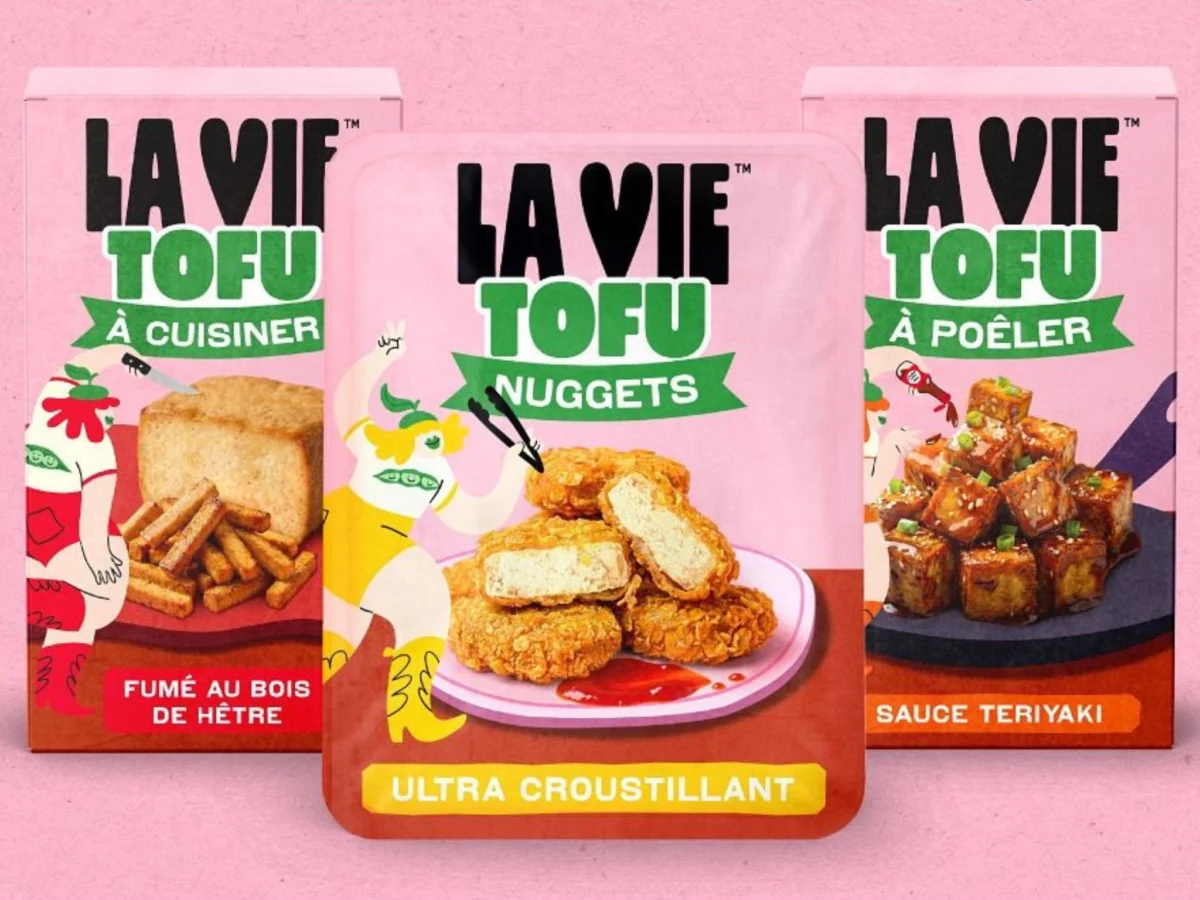
La Vie’s new tofu product line features three distinct offerings, each designed to address the perceived shortcomings of traditional tofu and appeal to a broader audience. All products are preservative-free and utilize French soybeans, aligning with the "100% natural" marketing message.
The flagship product, "À Cuisiner" (To Cook), is a block of tofu smoked over beechwood and seasoned with soy sauce. La Vie aims to transform the perception of tofu with this flavorful option, which boasts an impressive 17 grams of protein per 100 grams. It is positioned as a versatile ingredient suitable for salads, bowls, pasta dishes, and a myriad of other culinary applications.
Building on the success of the smoked tofu, "À Poêler" (To Pan-Fry) features teriyaki-glazed cubes of the same smoked tofu. This product is specifically designed for convenience and flavor, making it an ideal addition to Asian-inspired dishes. Each 100-gram serving provides 15 grams of protein.
Rounding out the new range are "ultra-crispy" tofu nuggets. Coated in corn flakes, these nuggets offer French consumers a familiar format with a plant-based twist. With 13 grams of protein per 100 grams, these nuggets are designed for easy preparation in air fryers and are being marketed as a vegan base for interactive culinary experiences, even being positioned for "Hot Ones-style challenges," a nod to popular spicy food-tasting videos.
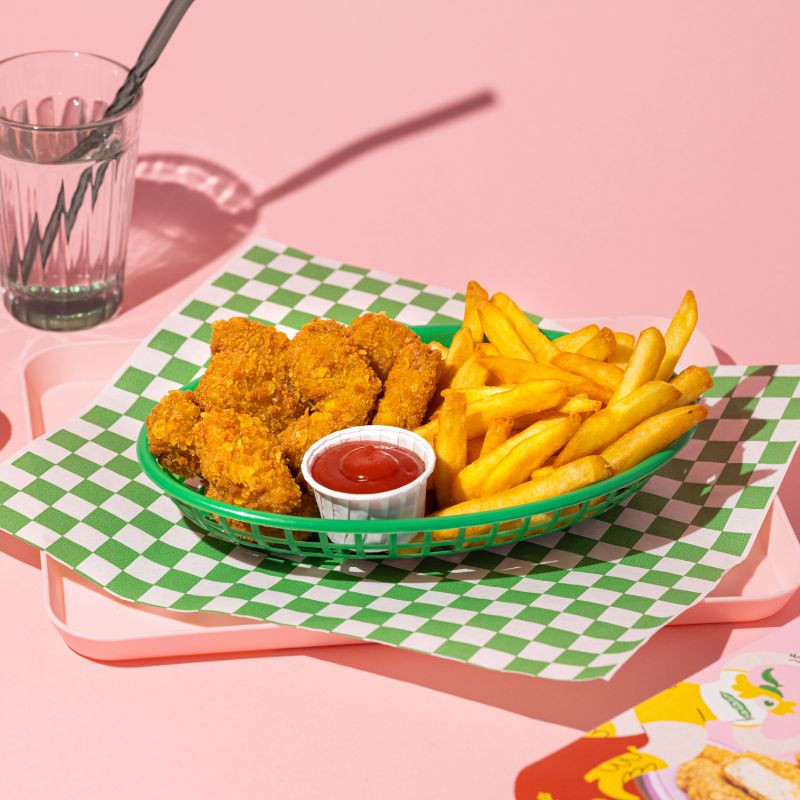
Romain Jolivet, La Vie’s Marketing Director, emphasized the strategic intent behind the tofu launches, stating, "Marketing efforts haven’t been thorough enough in this market. The tofu nuggets, for example, will allow people to discover this protein in a delicious form, suitable for snacking, appetizers, or quick meals." He acknowledged that tofu has historically remained a niche ingredient, largely confined to France’s organic sector, and has not performed as strongly as expected in the country despite its growing popularity across Europe. This underperformance, he suggests, is due to perceptions of blandness, preparation difficulties, and a lack of strong, appealing brands in the category.
The introduction of these tofu products arrives at a propitious time, coinciding with a significant shift in French dietary policy. In recent weeks, the French government updated its national dietary guidelines, officially recommending a reduction in meat consumption and an increase in the intake of plant-based proteins. This governmental endorsement further validates La Vie’s strategic direction and aligns with broader European trends.
France has been actively investing in its domestic plant protein industry. The agriculture ministry’s National Strategy for Plant Proteins has seen an investment of €11.7 million allocated to ten projects aimed at expanding plant protein production. This initiative resonates with the 35% of French residents who consider legumes and pulses among the richest sources of protein and the two-thirds of the population who consume these foods weekly.
The broader context of declining meat consumption in France further supports La Vie’s expansion. Over the past two decades, meat consumption has been on a steady decline. One survey indicated that a notable 53% of French citizens have reduced their meat intake in the last three years alone. In parallel, the plant-based food market in Europe has experienced robust growth, with sales in France increasing by 9% in 2024 to reach €537 million, solidifying France’s position as the third-largest market for these products on the continent. Chilled meat alternatives, in particular, have seen a substantial 15.5% surge in sales.
La Vie has been a significant contributor to this growth trajectory. Schweitzer reported that the company achieved €30 million in revenue in 2023, with an impressive year-on-year growth rate exceeding 50%. "We’re planning to sustain that momentum with another +50% growth this year," he confirmed, indicating ambitious targets for continued expansion.
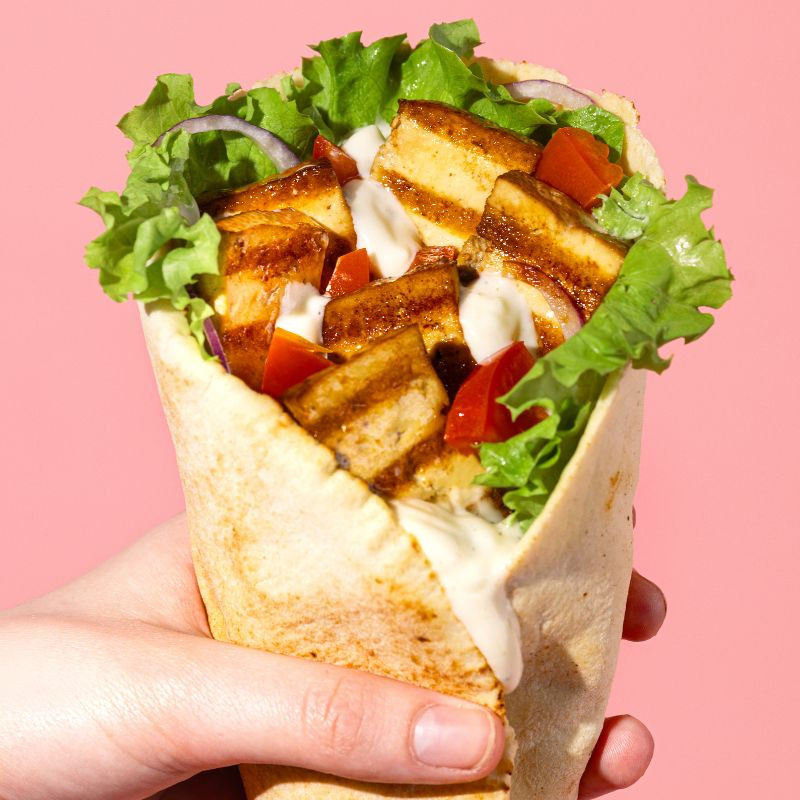
The company is also actively exploring partnerships within the foodservice sector. Schweitzer revealed that La Vie is in discussions with several major foodservice players for the rollout of its new tofu line. "What we’re seeing is a growing interest from partners who want to expand their plant-based offering beyond meat alternatives, and tofu is becoming a very relevant option for that," he commented. This indicates a strategic move to integrate La Vie’s products into broader dining experiences and increase accessibility.
La Vie is not alone in its strategic diversification. The company represents the latest wave of plant-based meat brands in Europe to expand beyond purely mimicking animal products. In the past year, This has introduced its "Super Superfood" and chickpea tofu lines. Oh So Wholesome launched its "Veg’chop" protein range, Juicy Marbles introduced its "Umami Burger," and Symplicity Foods brought its fermented vegetable-based meats to market.
"We’re seeing a natural evolution of the category," Schweitzer observed. "Meat alternatives helped introduce plant-based eating to a wide audience, but consumers are now looking for more diversity and simpler products. Whole-food options like tofu open a new entry point: they’re versatile, easy to integrate into everyday cooking, and help break the ‘ultra-processed’ perception barrier. It’s not a shift away from meat alternatives, but an expansion of the plant-based ecosystem." This perspective highlights La Vie’s commitment to a holistic approach to plant-based eating, acknowledging the importance of both familiar meat alternatives and the growing appeal of less processed, whole-food ingredients. The company’s strategic moves position it to capitalize on evolving consumer preferences and governmental policies, aiming for sustained growth and market leadership in the dynamic European plant-based food landscape.
