
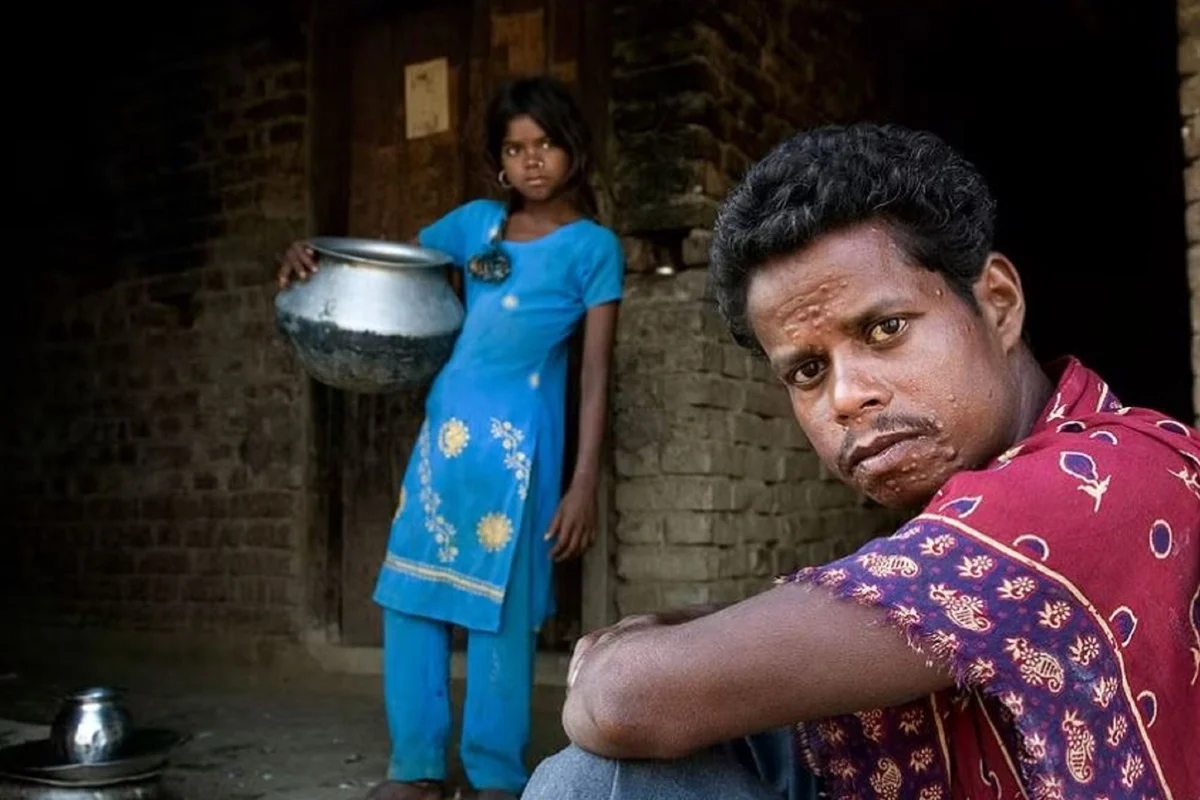
The World Health Organization (WHO) has issued a stark warning regarding the millions of individuals living with Neglected Tropical Diseases (NTDs) who continue to endure profound psychological suffering alongside their physical symptoms. Marking World NTD Day under the rallying theme "Unite. Act. Eliminate.", the global health body, in collaboration with international partners, is calling on governments to urgently integrate mental health care into existing NTD elimination strategies. This initiative aims to address the widespread discrimination, social stigma, and untreated mental health conditions that frequently accompany these debilitating diseases. According to the WHO, the fight against NTDs must evolve beyond the eradication of pathogens to include the restoration of human dignity and social inclusion for the world’s most vulnerable populations.
Currently, more than 1 billion people worldwide are affected by NTDs, a diverse group of 21 conditions that prevail in tropical and subtropical conditions. Simultaneously, an estimated 1 billion people globally experience mental health conditions. The intersection of these two health crises is particularly acute among those suffering from NTDs that cause visible physical impairments or disfigurement. Diseases such as cutaneous leishmaniasis, leprosy (Hansen’s disease), lymphatic filariasis (elephantiasis), mycetoma, and noma are frequently cited as primary drivers of social ostracization. The WHO highlights that misconceptions regarding the contagion of these diseases often lead to severe social exclusion, which in turn triggers higher rates of depression, anxiety, and suicidal behaviors among patients compared to the general population or those living with other chronic illnesses.
The Launch of the First Global Guide on Mental Health and NTDs
To address the historical gap in holistic patient care, the WHO has officially launched its first global guide: the "Essential Care Package (ECP) to Address Mental Health and Stigma for Persons with Neglected Tropical Diseases." This document serves as a strategic framework for health service leaders, providing evidence-based interventions designed to be integrated into primary healthcare systems. The guide emphasizes that the management of NTDs is incomplete if it only focuses on pharmaceutical interventions or surgical procedures.
The ECP provides a summary of interventions focused on psychological first aid, community-based rehabilitation, and the reduction of stigma through public education. By training local health workers to recognize the signs of mental distress and providing them with the tools to offer basic counseling and support groups, the WHO aims to dismantle the "invisible" burden of NTDs. Dr. Tedros Adhanom Ghebreyesus, WHO Director-General, emphasized that true elimination of these diseases requires a shift in perspective. He noted that freeing a person from a disease is a hollow victory if they remain trapped in a cycle of shame and despair. The ECP is intended to serve as a blueprint for national health programs to ensure that mental health support is not a luxury but a fundamental component of NTD treatment.
A Decade of Progress: The Chronology of NTD Elimination
The push for NTD elimination has seen significant milestones over the past two decades, characterized by unprecedented international cooperation. The journey toward the current 2030 goals began in earnest with the 2012 London Declaration on NTDs, where pharmaceutical companies, donors, and endemic countries committed to a coordinated effort to control or eliminate ten major diseases. This was followed by the launch of the WHO’s first road map for 2012–2020, which set the stage for large-scale mass drug administration (MDA) programs.
In 2021, the WHO launched the "Ending the neglect to attain the Sustainable Development Goals: a road map for neglected tropical diseases 2021–2030." This current road map shifted the focus from process-oriented targets to impact-oriented goals, emphasizing cross-sectoral collaboration and country ownership. The results of these sustained efforts have been historic. As of 2024, the number of people requiring NTD interventions has fallen to 1.4 billion, the lowest level ever recorded. This represents a significant decline from the 2.19 billion people who required interventions in 2010.
To date, 58 countries have successfully eliminated at least one NTD. Recent success stories span the globe: Brazil has made massive strides in reducing the prevalence of leprosy; Jordan became the first country to eliminate cutaneous leishmaniasis; and nations like Niger and Fiji have reached critical milestones in the fight against trachoma and lymphatic filariasis, respectively. These achievements demonstrate that with political will and consistent funding, the WHO’s target of having 100 countries eliminate at least one NTD by 2030 is a realistic and achievable objective.
The Economic Reality: Funding Declines and Lost Potential
Despite these historic gains, the Global Report on Neglected Tropical Diseases 2025 reveals a troubling trend that threatens to derail progress. Official Development Assistance (ODA) for NTDs fell by 41% between 2018 and 2023. This decline is attributed to a variety of factors, including the global economic strain following the COVID-19 pandemic, shifting donor priorities toward emerging infectious diseases, and geopolitical instability that has diverted humanitarian funding.
The reduction in funding is particularly concerning given the high return on investment (ROI) associated with NTD programs. Economic analyses consistently show that every US$ 1 invested in preventive chemotherapy—the primary method for controlling many NTDs—yields an estimated return of approximately US$ 25. This return is realized through increased productivity, improved educational outcomes for children, and reduced long-term healthcare costs. Conversely, the cost of inaction is staggering. NTDs are estimated to cost affected families and communities approximately US$ 33 billion annually in lost wages and out-of-pocket medical expenses. For many families in the world’s poorest regions, an NTD diagnosis is not just a health crisis but a direct path into permanent poverty.
The WHO warns that the current funding gap could lead to a resurgence of diseases in areas where they were nearly eradicated. Mass drug administration programs rely on consistent, multi-year cycles to break the chain of transmission; even a single year of missed treatment can allow a pathogen to regain its foothold in a community.
Analyzing the Implications of Stigma and Social Exclusion
The integration of mental health care is not merely a compassionate addition to NTD programs but a clinical necessity for successful disease management. Stigma acts as a primary barrier to health-seeking behavior. Individuals who fear being ostracized by their families or communities are less likely to seek early diagnosis and treatment. In the case of diseases like leprosy or lymphatic filariasis, early intervention is critical to preventing the very disfigurements that cause stigma. When patients hide their symptoms due to fear of social repercussions, the disease progresses to a stage where permanent disability is inevitable.
Furthermore, the psychological impact of NTDs often leads to "treatment fatigue" and poor adherence to medication regimens. A patient suffering from severe depression or anxiety is significantly less likely to follow complex wound-care routines or attend regular follow-up appointments. By addressing the mental health of the patient, healthcare providers can improve physical health outcomes, creating a virtuous cycle of recovery.
The social exclusion associated with NTDs also has broader societal implications. It reinforces cycles of poverty by preventing affected individuals from participating in the workforce or attending school. In many cultures, the stigma of an NTD extends to the entire family, affecting the marriage prospects and social standing of siblings and children of the affected person. This collective trauma necessitates a community-based approach to mental health, where education and sensitization campaigns work to change the narrative around these diseases from one of "curse" or "shame" to one of manageable medical conditions.
Looking Ahead: The Call to Action for 2030
As World NTD Day 2025 concludes, the WHO and its partners are calling for a renewed mobilization of resources and leadership. The "Unite. Act. Eliminate." campaign serves as a reminder that the tools to end NTDs already exist; what is lacking is the sustained financial and political commitment to deploy them to the last mile. The WHO advocates for a "One Health" approach that integrates NTD programs with water, sanitation, and hygiene (WASH) initiatives, as well as the newly emphasized mental health services.
The upcoming years will be critical for the 2030 Road Map. To safeguard past progress, the global community must find innovative ways to close the funding gap, such as through domestic resource mobilization in endemic countries and public-private partnerships. The integration of NTD care into universal health coverage (UHC) frameworks is also seen as a vital step toward sustainability, ensuring that these services are not dependent solely on external donor cycles.
The stories of resilience emerging from countries like Togo, which has eliminated four different NTDs, provide a beacon of hope. These successes illustrate that when mental health, social support, and medical treatment are combined, the impact is transformative. The WHO’s final message for World NTD Day is clear: the elimination of neglected tropical diseases is one of the smartest investments in global health, and the world cannot afford to turn its back on the 1.4 billion people still waiting for relief. The path to 2030 requires not just the elimination of pathogens, but the eradication of the neglect that has allowed these diseases to persist for centuries.
