
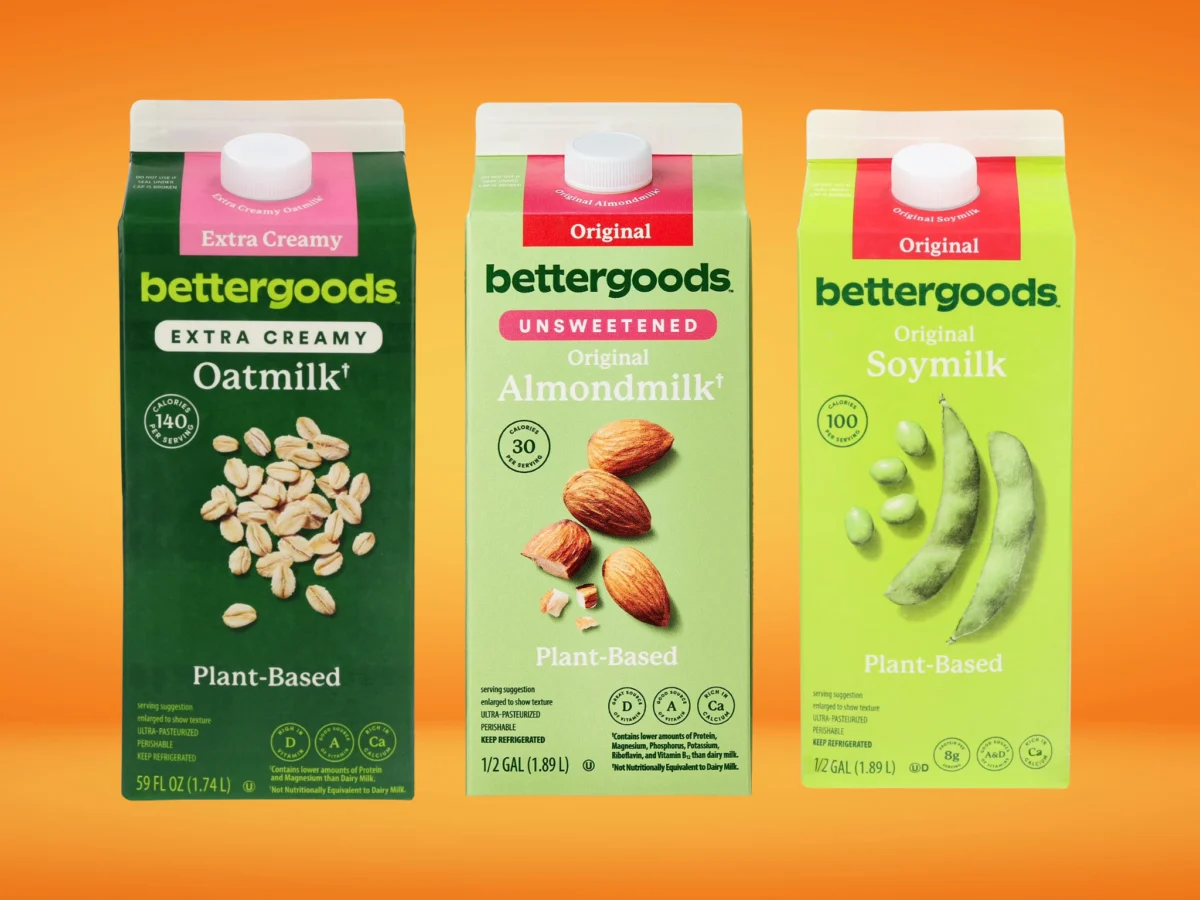
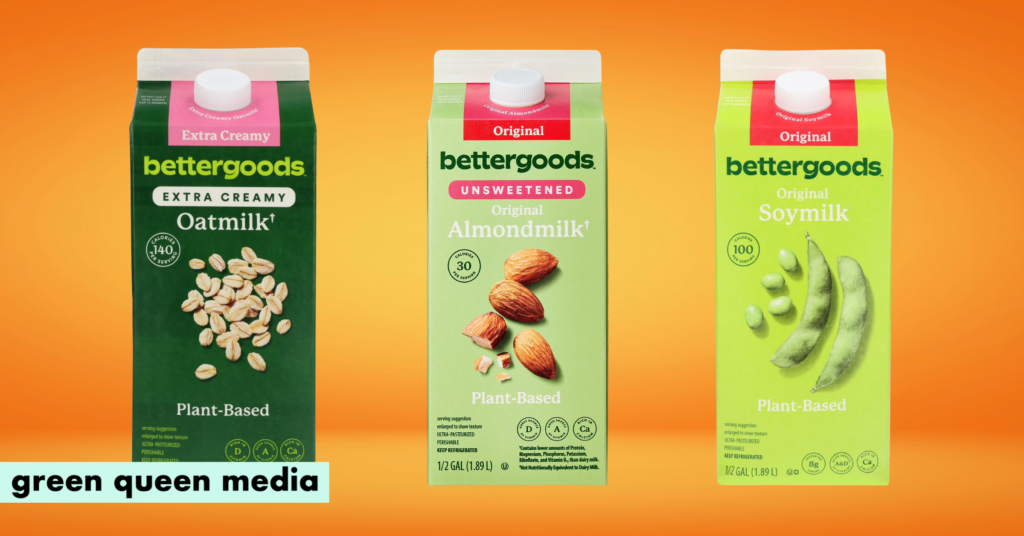
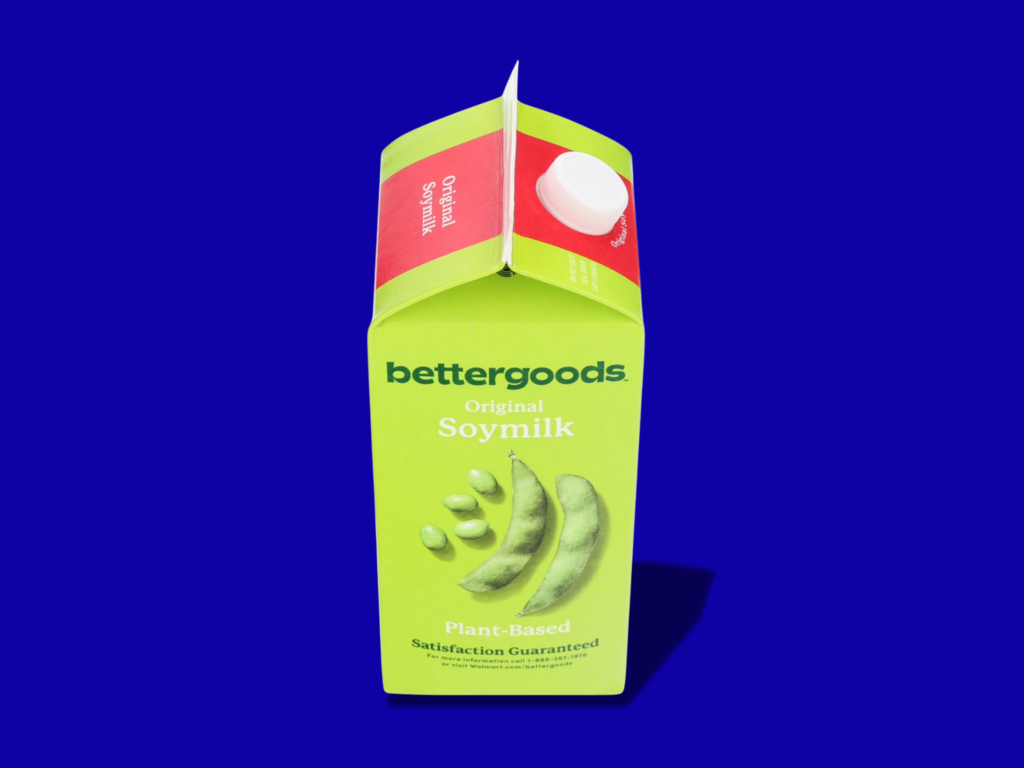
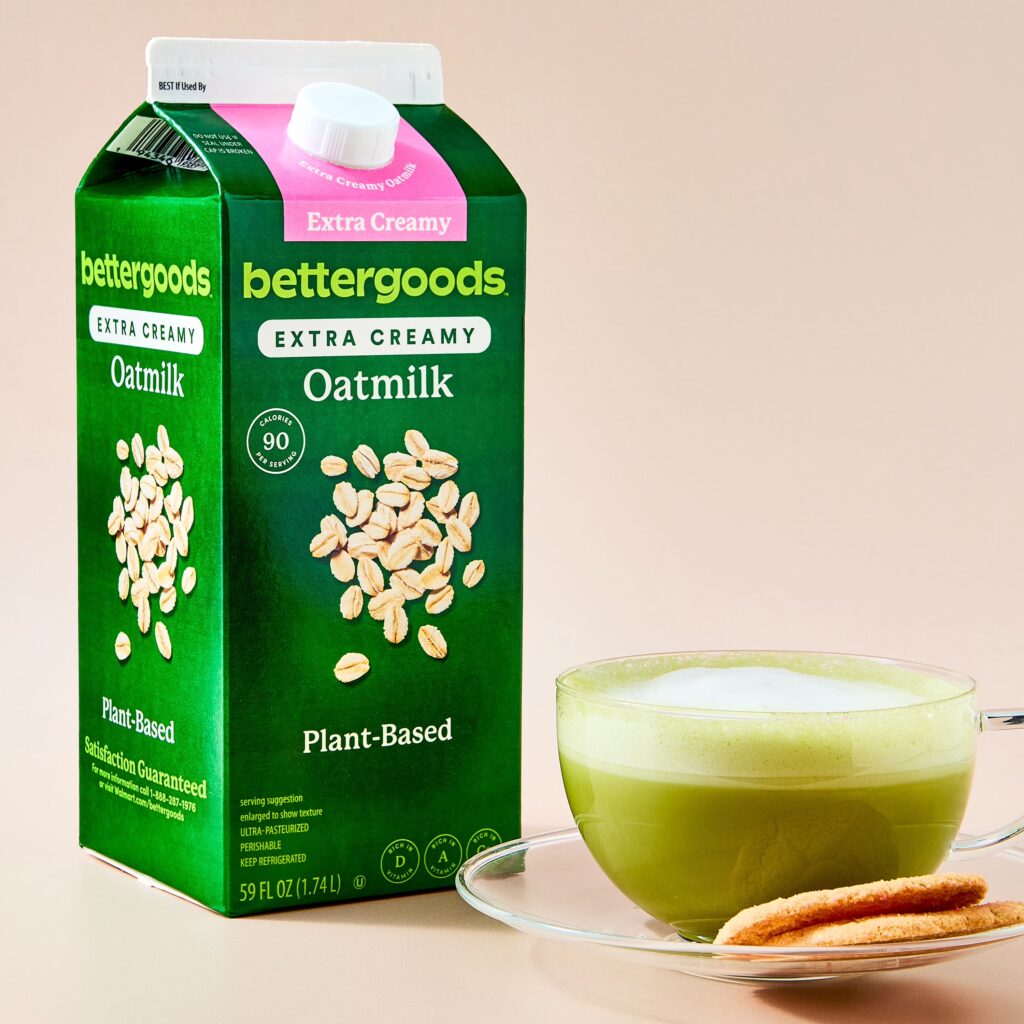
The world’s largest retailer, Walmart, is currently embroiled in a class-action lawsuit alleging deceptive marketing practices concerning its Bettergoods line of dairy-free milks. The core of the legal challenge revolves around the prominent "plant-based" labeling on products like almond, oat, and soy milk, which the plaintiff contends is misleading due to the inclusion of inorganic or animal-derived additives. This lawsuit raises significant questions about ingredient sourcing, consumer perception, and the evolving landscape of plant-based food product labeling.
The Plaintiff’s Grievance: Deception in Dairy-Free Alternatives
The legal action, filed by plaintiff Christina Bauer in the Tampa Division of the U.S. District Court for the Middle District of Florida, asserts that Walmart has engaged in "deceiving consumers" by presenting its Bettergoods non-dairy milks as exclusively plant-derived. According to the class-action complaint, these products contain additives such as calcium carbonate, dipotassium phosphate, and vitamin A palmitate, which are alleged to be inorganic, synthetic, or derived from animal sources. Bauer argues that a "reasonable consumer" would not anticipate the presence of non-plant-derived stabilizers and fortifiers when the packaging prominently features the "plant-based" designation, often accompanied by imagery of fruits and nuts.
The lawsuit specifically highlights several ingredients:
- Calcium Carbonate: Described as an inorganic chemical compound, calcium carbonate is naturally found in materials like limestone, chalk, and marble. Crucially, the complaint notes its presence in animal-derived sources such as seashells, eggshells, and snails, implying a potential non-plant origin. While commonly produced from limestone or quarried marble through industrial processes involving water, temperature, and pressure, the plaintiff contends this process does not render it solely plant-derived.
- Dipotassium Phosphate: This compound, frequently used as an acidity regulator, is described as a synthetic substance created through the reaction of potassium with phosphoric acid. In the food industry, its primary source is often mined potash, a mineral resource.
- Vitamin A Palmitate: This fat-soluble vitamin is composed of retinol and palmitic acid. While it can be produced synthetically for plant-based foods, it naturally occurs in animal products like liver, fish, and dairy.
- Tricalcium Phosphate: Also found in some Bettergoods products, tricalcium phosphate can be sourced from animal bone ash, rock deposits, or synthesized.
The plaintiff’s argument hinges on the literal interpretation of "plant-based," asserting that any ingredient not originating directly from a plant undermines this claim. The complaint states, "By deceiving consumers about the products’ nature, quality, or ingredients, defendants steal from competing market shares, commanding a price premium, thereby increasing their own profits." Bauer is seeking $5 million in damages, exclusive of taxes and costs, for herself and potentially other similarly situated consumers.
A Wider Industry Context: The Commonality of Additives
It is important to note that the additives in question are not unique to Walmart’s Bettergoods line. Many plant-based milk alternatives across the industry utilize similar ingredients for purposes such as fortification, texture enhancement, and preservation. For instance, Oatly’s popular barista oat milk lists tricalcium phosphate, calcium carbonate, and dipotassium phosphate among its ingredients. Oatly’s health FAQ page clarifies that in the U.S., their calcium ingredients are derived from limestone, and dipotassium phosphate is considered food-safe by regulatory bodies like the U.S. Food and Drug Administration (FDA).
This widespread industry practice raises a critical question: how strictly should the term "plant-based" be interpreted in the context of food production? While consumers might expect entirely plant-derived ingredients, the reality of food manufacturing often involves the use of processed minerals, synthesized vitamins, and other additives to achieve desired product characteristics and nutritional profiles. The lawsuit against Walmart brings this nuanced issue to the forefront, questioning whether the current labeling practices adequately inform consumers about the full ingredient composition.
Timeline of the Legal Challenge
While the specific filing date of the class-action complaint is publicly available, the timeline of events leading to this point typically involves consumer complaints, potential engagement with the company, and ultimately, legal action. The complaint was filed in the U.S. District Court for the Middle District of Florida. Walmart has been contacted for comment on the lawsuit. The legal process will likely involve discovery, motions, and potentially a settlement or trial, which could take a considerable amount of time.
Implications for the Plant-Based Market and Consumer Trust
This lawsuit has the potential to reverberate throughout the rapidly expanding plant-based food industry. The plant-based sector has seen exponential growth in recent years, driven by increasing consumer interest in health, environmental sustainability, and ethical considerations. However, this growth has also attracted scrutiny. The livestock industry has historically challenged the use of terms like "meat" and "milk" for plant-based alternatives, arguing that it misleads consumers. This current lawsuit represents a different angle of attack, suggesting that even within the plant-based category, a lack of transparency regarding ingredient sourcing can be problematic.
The implications of this legal challenge are multifaceted:
- Labeling Standards: The outcome of this lawsuit could influence future labeling regulations and industry self-regulation. If the court finds Walmart’s labeling to be deceptive, it could prompt other manufacturers to re-evaluate their "plant-based" claims and ingredient disclosures. This might lead to more detailed ingredient lists or a clearer distinction between naturally derived plant ingredients and processed additives.
- Consumer Perception and Trust: For consumers actively seeking plant-based products, the assurance of ingredient purity is often a key purchasing driver. Lawsuits like this can erode consumer trust if they highlight a perceived lack of transparency. Conversely, a clear ruling could set a precedent for more accurate and informative labeling, ultimately benefiting consumers.
- Industry Innovation: The challenge might also spur innovation in the development of plant-based milks that rely less on synthetic or mineral-derived additives, or for companies to be more explicit about the origin of all ingredients. However, this could also lead to increased production costs and potentially higher prices for consumers.
- Legal Precedents: The court’s decision could establish important legal precedents regarding the definition and application of "plant-based" claims in the food industry, impacting not only milk alternatives but a broader range of products.
Walmart’s Position and Potential Defense
Walmart, as a major retailer, will likely present a defense that highlights the common industry practices and the regulatory compliance of its Bettergoods products. The company may argue that the ingredients in question are widely accepted and regulated as safe for consumption in plant-based foods. Furthermore, Walmart could contend that the term "plant-based" refers to the primary source of the milk itself (e.g., almonds, oats, soy) and that the inclusion of common food additives, even if not directly plant-derived, does not constitute deception, especially if these additives are themselves derived from inorganic mineral sources rather than animal products.
The legal complaint notes that Walmart does not explicitly disclaim or modify the "plant-based" label, reinforcing the plaintiff’s argument. However, a defense could also focus on whether the average consumer would reasonably expect a completely unadulterated product without any processed additives. The presence of sea salt, cited as an example of a non-plant ingredient derived from ocean water, further underscores the plaintiff’s focus on the literal interpretation of "plant-based."
The Broader Debate on "Plant-Based" Definitions
This lawsuit is not an isolated incident but rather a symptom of a larger, ongoing debate within the food industry. The definition of "plant-based" is often fluid and subject to interpretation. While many consumers associate it with a diet free from animal products, the reality of food manufacturing involves a complex supply chain and the use of various ingredients to achieve product consistency, nutritional value, and shelf stability.
The legal battle against Walmart underscores the need for clear, consistent, and transparent labeling practices that satisfy consumer expectations while adhering to regulatory standards. As the plant-based market continues to mature, such legal challenges serve as catalysts for discussions that could reshape how these products are defined, marketed, and understood by consumers. The resolution of this case will be closely watched by consumers, manufacturers, and regulators alike, offering insights into the future of plant-based food labeling.
