
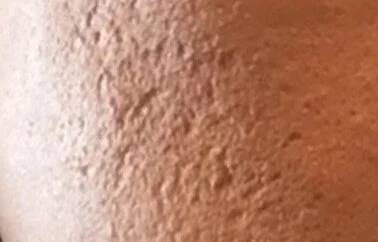
A Canadian lawyer, choosing to remain anonymous, has vividly articulated the profound and debilitating impact of living with severe acne scarring, describing her daily existence as a struggle where "the emotional wounds feel just as raw as the physical ones." This personal testimony casts a stark light on the often-underestimated burden of chronic skin conditions, particularly when they manifest on the face, challenging societal norms of beauty and personal acceptance. The 40-year-old South Asian woman underscores the significant weight carried by individuals with visible facial scarring, asserting, "It is easy to say ‘accept yourself, love yourself’ but the reality is that we carry many scars with us, and when you also carry them on your face, that weight becomes very heavy." Her experience is not isolated but reflects a broader public health challenge impacting millions globally, highlighting the critical intersection of dermatology, mental health, and social psychology.
The Genesis of a Lifelong Struggle: A Chronology of Acne’s Progression
The lawyer’s battle with acne commenced around the age of 20, coinciding with her entry into university, a period often marked by stress and hormonal shifts that can trigger dermatological issues. Initially, the condition was manageable, but it took a severe turn in her early 30s. "The progression of my acne was swift and relentless," she recounts, detailing how her face became "covered in painful, cystic acne" within months. This rapid escalation from moderate to severe cystic acne is a common, yet often devastating, trajectory for many adults, particularly women, who experience adult-onset acne. According to the American Academy of Dermatology, adult acne affects up to 50 million Americans annually, with adult women disproportionately affected, often due to hormonal fluctuations.

For individuals with skin of colour, such as the lawyer, the condition is further complicated by a heightened risk of post-inflammatory hyperpigmentation (PIH), a consequence she experienced firsthand. "Being a person of colour meant I was at a higher risk for hyperpigmentation, which indeed occurred alongside my acne, leaving me with significant dark spots and further complicating my condition and leaving me with even less treatment options," she explains. This phenomenon, where inflammation from acne lesions leaves behind persistent dark spots, is particularly challenging for darker skin tones, often requiring specialized treatment approaches and extending the visible impact of acne long after active lesions have subsided. The dual burden of active cystic acne and severe hyperpigmentation can be both physically painful and emotionally debilitating, limiting therapeutic options and prolonging the healing process.
The Traumatic Emotional Landscape of Facial Disfigurement
The sudden and aggressive onset of severe acne was not merely a physical inconvenience but a deeply traumatic event for the lawyer. She vividly recalls the emotional devastation: "Seeing my once-clear skin covered in large, dark and pus-filled hills made me feel helpless and shattered my confidence immensely." This sentiment resonates with findings from numerous psychological studies indicating a strong correlation between visible skin conditions and mental health issues. Research published in the British Journal of Dermatology, for instance, has shown that individuals with acne have a significantly higher risk of developing depression and anxiety compared to those without the condition. The constant pain, the visual evidence of the condition, and the feeling of helplessness can lead to a profound sense of shame and withdrawal.
The impact on her self-perception and social interactions was immediate and severe. "I became extremely sensitive both emotionally and physically, flinching at the pain and the sight of my reflection. The embarrassment was overwhelming. I started avoiding mirrors and dreaded social interactions, feeling constantly judged." This avoidance behaviour, often a coping mechanism, can lead to social isolation, further exacerbating feelings of loneliness and depression. For many, the face is central to identity and social interaction, and its alteration can feel like a fundamental loss of self.
Cultural Pressures and Insensitive Commentary: An Added Layer of Pain
The lawyer’s South Asian cultural background introduced another complex layer to her suffering. She points out that "insensitive comments about skin conditions are unfortunately common and something I experienced regularly which made the experience even more isolating." In many cultures, particularly those with strong emphasis on traditional beauty standards, skin clarity and complexion can be highly valued, making conditions like acne and hyperpigmentation subjects of unsolicited and often cruel commentary. "Often cruel and unsolicited comments would be thrown my way with callous disregard to my situation," she states, highlighting the systemic lack of empathy and understanding that can compound personal distress. This cultural dimension underscores the need for broader public education and sensitivity training regarding chronic visible conditions.
Living with the Lingering Scars: Daily Avoidance and Unrealistic Beauty Standards
Years after the initial severe outbreak, the physical and emotional scars persist. "To date, there are days when I won’t go out in public," she admits, illustrating the long-term, chronic nature of her struggle. Specific lighting conditions and makeup applications can accentuate the "deep scarring, uneven texture and years of damage," forcing her to limit social media engagement and in-person socialization. This is a common experience for individuals with severe scarring, as the texture and topography of scarred skin react differently to light and cosmetics, making it difficult to conceal. As she ages, the natural loss of skin elasticity further accentuates the scarring, making the challenge even greater.
Her concern extends to younger generations, who face an unprecedented barrage of "unrealistic beauty expectations" amplified by social media. "I feel for the younger generation as scars likely could last a lifetime and that is a hard thing to accept given the unrealistic beauty expectations we are surrounded by," she remarks. The curated, often filtered, images prevalent on platforms like Instagram and TikTok create an unattainable standard of flawless skin, making it exceptionally difficult for those with visible imperfections to cultivate self-acceptance. A 2017 study by the Royal Society for Public Health in the UK found Instagram to be the worst social media platform for young people’s mental health, often leading to feelings of inadequacy and anxiety related to body image.
The Broader Implications: A Call for Comprehensive Support
The lawyer’s candid narrative underscores several critical public health and societal implications:
- Mental Health Crisis in Dermatology: The profound psychological impact of acne and scarring necessitates an integrated approach to care that combines dermatological treatment with mental health support. Dermatologists are increasingly recognizing the need to screen for anxiety, depression, and body dysmorphia in patients with severe skin conditions. Mental health professionals emphasize that chronic visible conditions can lead to complex psychological issues that require specialized therapeutic interventions, such as cognitive-behavioural therapy (CBT) or support groups.
- Racial Disparities in Dermatological Care: Her experience with hyperpigmentation highlights the specific challenges faced by patients with skin of colour. There is a need for greater research, education, and development of treatment protocols specifically tailored for diverse skin types, as well as increased cultural competency among healthcare providers. The lack of suitable treatment options she noted reflects a broader systemic issue in dermatology.
- Challenging Unrealistic Beauty Standards: The pervasive influence of social media and advertising in shaping beauty ideals contributes significantly to the distress experienced by individuals with visible skin conditions. Advocacy groups and public health campaigns are crucial in promoting body positivity, diversity in representation, and critical media literacy to help individuals navigate these pressures.
- Accessibility to Resources and Information: Despite her struggles, the lawyer acknowledges a positive development: "today there are many more resources available and do your research thoroughly." Organizations like Acne Action Canada, which published her story, play a vital role in providing information, support, and advocacy for those affected by acne. Such resources can empower individuals to seek appropriate treatment and find communities of support.
- Empathy and Compassion: Perhaps the most profound outcome of her ordeal is a heightened sense of empathy. "A positive I have drawn from this experience is I have developed deep compassion and empathy for people who have had injuries to their face and others who have suffered facial disfigurement," she reflects. This personal transformation, born from deep suffering, underscores the potential for profound human connection and understanding when confronting shared vulnerabilities. Her heartfelt statement, "If this is how intense I feel about pitted acne scars, my heart, compassion and love go out to them even more to their extremely difficult challenges," is a powerful testament to the human spirit’s capacity for compassion.
Expert Commentary and Recommendations

Dermatologists and psychologists concur that the link between skin conditions and mental health is undeniable. Dr. Amina Khan, a Toronto-based dermatologist specializing in adult acne, notes, "We often treat the physical manifestations of acne, but the psychological toll can be far more debilitating and long-lasting than the lesions themselves. Patients frequently report social anxiety, depression, and even suicidal ideation. It’s imperative that we adopt a holistic approach, integrating mental health assessments and support into dermatological care."
Furthermore, Dr. Eleanor Vance, a clinical psychologist focusing on body image, adds, "The constant bombardment of ‘perfect’ images online creates an environment where any perceived flaw can lead to significant distress. For someone with severe facial scarring, this external pressure, coupled with internal feelings of shame, can be devastating. Therapy can help individuals develop coping strategies, challenge negative self-talk, and foster a more compassionate relationship with their bodies, but societal shifts in beauty standards are equally vital."
A Path Forward: Research, Education, and Advocacy
The anonymous lawyer’s story is a powerful reminder that while acne is often dismissed as a teenage ailment, its impact can be profound and lifelong, particularly in its severe forms and when coupled with scarring and hyperpigmentation. Her candid admission, "I wish I could offer some wisdom about accepting yourself and finding peace despite the acne and scars but I can’t – I’m not there. I still grapple with self-esteem issues," resonates deeply, highlighting the enduring nature of this struggle for many. It underscores the urgent need for continued research into effective treatments for acne and scarring, particularly for diverse skin types, enhanced access to integrated dermatological and psychological care, and sustained public education campaigns to foster empathy and challenge superficial beauty standards. Only through a multi-faceted approach can society truly address the silent suffering of individuals like this Canadian lawyer, whose daily battle with visible scars reflects a deeper, often unseen, emotional wound.
