

Polycystic Ovary Syndrome (PCOS) remains the most prevalent endocrine disorder among women of reproductive age, yet it is characterized by a systemic diagnostic delay that often leaves patients without answers for years. Recent clinical research, including a landmark study published in the journal Human Reproduction, indicates that it can take an average of two years and consultations with at least three separate healthcare providers before a definitive diagnosis is reached. This diagnostic inertia persists despite the fact that PCOS affects an estimated 8% to 13% of women globally, serving as a leading cause of anovulatory infertility and a significant precursor to metabolic complications. For many women struggling with hallmark symptoms—such as irregular menstrual cycles, hirsutism (excessive hair growth), and persistent weight gain—the traditional pathway to clinical confirmation is fraught with administrative and diagnostic hurdles.
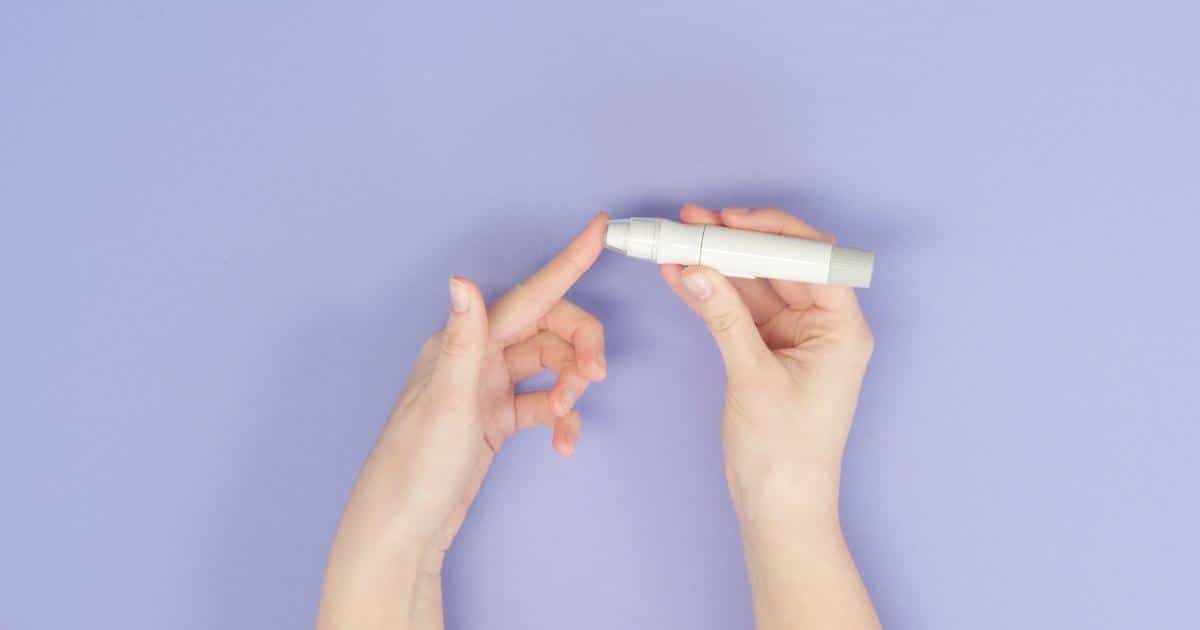
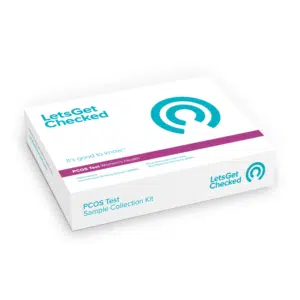
In response to these barriers, the emergence of advanced at-home diagnostic tools, such as the Let’s Get Checked PCOS Home Test, represents a shift toward patient-centric healthcare. By utilizing a simplified capillary blood sample—commonly known as a finger prick—these kits allow individuals to initiate the screening process from their own homes. While these tests are not a replacement for a comprehensive clinical evaluation, they provide a "probable diagnosis" and a data-driven foundation for subsequent medical consultations, potentially shortening the multi-year timeline that has historically defined the PCOS patient experience.
The Clinical Framework: Understanding the Rotterdam Criteria
The complexity of diagnosing PCOS stems from the lack of a single, definitive biomarker. Instead, the medical community relies on a set of standardized guidelines known as the Rotterdam Criteria, established in 2003. To receive a formal diagnosis, a patient must present at least two of the following three clinical features:
- Oligovulation or Anovulation: This is typically evidenced by irregular menstrual cycles, defined as having fewer than eight periods in a calendar year or experiencing a total absence of menstruation for four months or longer.
- Hyperandrogenism: This involves elevated levels of "male" hormones (androgens) such as testosterone. It may manifest clinically as hirsutism on the face, chest, or back, severe adult acne, or androgenic alopecia (thinning of the scalp hair).
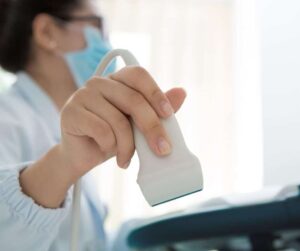
- Polycystic Ovaries: Confirmed via transvaginal ultrasound, this condition involves the presence of 12 or more small follicles (measuring 2–9 mm in diameter) in at least one ovary, or an increased ovarian volume.
Because these symptoms overlap with various other endocrine disorders, physicians are tasked with a process of elimination. Before a PCOS diagnosis can be finalized, clinicians must rule out "look-alike" conditions such as Cushing’s syndrome, congenital adrenal hyperplasia, androgen-secreting tumors, hypothyroidism, and hyperprolactinemia. This exhaustive differential diagnosis process is one of the primary reasons why the journey to a final answer is often protracted.
The Evolution of Diagnostic Technology: The Rise of At-Home Screening
The traditional diagnostic route typically involves a series of laboratory appointments for venous blood draws and a scheduled ultrasound. For many, the logistical challenges of these appointments, combined with the often-dismissive nature of initial primary care visits, lead to patient burnout. The introduction of at-home hormonal panels seeks to bypass the initial gatekeeping phase of the diagnostic journey.

The Let’s Get Checked PCOS Home Test functions by measuring a specific profile of reproductive hormones that are central to the disorder. Once a user collects their sample and mails it to a CLIA-certified laboratory, the blood is analyzed for several key indicators:
- Testosterone: Total testosterone levels are often elevated in women with PCOS, contributing to skin and hair issues.
- Sex Hormone-Binding Globulin (SHBG): This protein regulates the amount of "free" testosterone in the blood. In PCOS patients, SHBG levels are frequently low, leading to higher levels of active testosterone.
- Luteinizing Hormone (LH) and Follicle-Stimulating Hormone (FSH): While no longer the primary diagnostic tool, an elevated LH-to-FSH ratio is often observed in those with the syndrome.
- Prolactin: This is measured primarily to rule out pituitary issues that could mimic PCOS symptoms.
- Anti-Mullerian Hormone (AMH): Often used in fertility contexts, AMH levels are frequently higher in women with polycystic ovaries due to the high number of small follicles.
The integration of these metrics allows for a comprehensive hormonal snapshot. If the results indicate abnormalities, the provider’s clinical team contacts the patient to discuss the findings and recommend specific specialists, such as reproductive endocrinologists or gynecologists, to finalize the diagnosis.
Chronology of a Typical PCOS Diagnostic Journey
The discrepancy between symptom onset and clinical confirmation is a major point of contention in women’s health. A typical chronology for a woman with PCOS often follows this trajectory:
- Onset (Puberty to Early 20s): The patient notices irregular cycles or unexplained weight gain. Symptoms are often dismissed by the patient or guardians as "hormonal fluctuations" typical of youth.
- Initial Medical Consultation (Month 1–6): The patient seeks help for specific symptoms like acne or missing periods. Many report being told to "lose weight" or "wait and see," or are simply prescribed hormonal birth control, which masks the underlying symptoms without providing a diagnosis.
- Persistent Symptoms and Secondary Consultations (Year 1): Symptoms persist or worsen. The patient may seek a second opinion. If the patient is trying to conceive, the inability to do so often triggers more rigorous testing.
- Diagnostic Testing Phase (Year 1.5): Blood work and ultrasounds are ordered. This phase can be delayed by insurance hurdles or lack of access to specialists.
- Confirmation (Year 2+): A diagnosis is finally reached after multiple specialists have reviewed the cumulative data.
By providing a hormonal profile earlier in this timeline, at-home tests aim to move the "Diagnostic Testing Phase" to the beginning of the chronology, arming the patient with evidence before they even step into a doctor’s office.
Supporting Data: The Broader Implications of Delayed Diagnosis
The 2017 study by Gibson-Helm and Teede, which highlighted the two-year delay, also noted a profound lack of information provided to women at the time of diagnosis. Nearly 70% of participants expressed dissatisfaction with the diagnostic process. This dissatisfaction is not merely an issue of patient experience; it has significant health consequences.
PCOS is a systemic metabolic disorder. Statistics show that women with the condition are at a significantly higher risk for:
- Type 2 Diabetes: Over 50% of women with PCOS develop type 2 diabetes or pre-diabetes before the age of 40.
- Cardiovascular Disease: The hormonal imbalances and associated insulin resistance increase the risk of hypertension and high LDL cholesterol.
- Endometrial Cancer: Irregular periods lead to a buildup of the uterine lining, which can increase the risk of malignancy over time.
- Mental Health Issues: Women with PCOS are three times more likely to suffer from anxiety and depression compared to the general population.
Early intervention—through lifestyle changes, Metformin, or other insulin-sensitizing agents—can mitigate many of these long-term risks. Therefore, the diagnostic delay is viewed by many health advocates as a missed opportunity for preventative care.
Professional Perspectives and Clinical Oversight
While the medical community has traditionally been skeptical of "direct-to-consumer" testing, the tide is turning as laboratories adopt higher standards of quality control. The labs utilized for these at-home kits are the same facilities used by hospitals and private clinics, undergoing rigorous proficiency testing and regular audits.
However, clinical experts emphasize that an at-home test is a starting point, not an endpoint. "The value of these tests lies in the data they provide to the patient’s primary physician," says one endocrine specialist. "A finger-prick test can indicate that something is wrong, but it cannot perform an ultrasound to check for ovarian morphology, nor can it conduct a physical exam to assess the severity of hirsutism. It is a tool for empowerment, not a replacement for clinical judgment."

To ensure safety and accuracy, providers like Let’s Get Checked include a nursing consultation in their service. This ensures that a patient who receives "abnormal" results is not left to interpret complex hormonal data in a vacuum but is instead guided toward the appropriate next steps in the traditional medical system.
Analysis of Impact: The Future of Hormonal Health
The rise of accessible PCOS testing reflects a broader trend in "democratized medicine," where patients take an active role in their diagnostic data. In the United States and the United Kingdom, where healthcare systems are often overstretched, these tools provide a relief valve for the primary care system by allowing patients to present with pre-collected data.
Economically, the cost of an at-home kit—often ranging from $100 to $150—is frequently lower than the cumulative co-pays and lost wages associated with multiple preliminary doctor visits. For the uninsured or underinsured, these kits offer a rare opportunity to access high-level laboratory diagnostics.
As the healthcare industry continues to evolve, the focus is shifting toward reducing the "time-to-diagnosis" for chronic conditions. For the millions of women living with the symptoms of PCOS, the reduction of that two-year waiting period is not just a matter of convenience; it is a critical step in reclaiming their long-term health and fertility. The integration of at-home technology with traditional clinical follow-up may finally provide the streamlined pathway that patients have been demanding for decades.
