
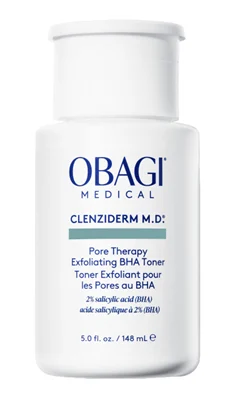
The landscape of dermatological skincare in the United Kingdom has undergone a significant shift with the announcement from Obagi Medical regarding its CLENZIDERM M.D. Pore Therapy toner. The company has confirmed that the popular acne-fighting solution is now available to UK consumers without the requirement of a medical prescription. This transition follows a comprehensive reformulation of the product’s solvent system, a move designed to align the treatment with cosmetic classification standards while preserving the clinical efficacy that has defined the brand for decades. By modifying the formula to meet these regulatory benchmarks, Obagi Medical has effectively bridged the gap between professional-grade medical treatments and accessible retail skincare, allowing clinics to distribute the product more freely and patients to integrate a high-potency salicylic acid treatment into their daily hygiene regimens with fewer administrative hurdles.
The Evolution of the CLENZIDERM M.D. Formulation
The primary catalyst for this change is a sophisticated update to the product’s solvent system. In dermatological science, the solvent system is the medium through which active ingredients are delivered into the skin. For a product containing 2% salicylic acid—a beta hydroxy acid (BHA) renowned for its oil-soluble properties—the delivery mechanism is critical. The previous formulation of CLENZIDERM M.D. Pore Therapy was classified under stricter regulatory tiers, often necessitating professional oversight or a prescription due to its specific chemical composition and concentration.
Obagi Medical’s research and development team focused on optimizing this delivery vehicle to ensure that the 2% salicylic acid remains stable and effective at penetrating the follicles to dissolve sebum and cellular debris. According to the company, the updated system maintains the clinical potency that dermatologists and aesthetic practitioners have come to expect. The goal was to ensure that the transition to a cosmetic classification did not result in a "watered-down" version of the treatment. Clinical evaluations conducted during the reformulation process reported marked improvements in skin texture, a visible reduction in the severity of blemishes, and a significant decrease in surface oiliness among test subjects.
Technical Profile: The Role of 2% Salicylic Acid
The cornerstone of the CLENZIDERM M.D. Pore Therapy remains its 2% salicylic acid concentration. In the realm of over-the-counter and professional skincare, 2% is considered the gold standard for treating acne-prone skin. Salicylic acid works as a keratolytic agent, meaning it encourages the shedding of dead skin cells. Because it is oil-soluble, it can penetrate deep into the pores, unlike alpha hydroxy acids (AHAs) which are water-soluble and primarily work on the skin’s surface.
By targeting the interior of the pore, the toner addresses the three primary drivers of acne:
- Follicular Occlusion: The buildup of dead skin cells that trap oil.
- Excess Sebum: The overproduction of oil by sebaceous glands.
- Bacterial Proliferation: Specifically targeting Cutibacterium acnes (formerly P. acnes), which thrives in anaerobic, oil-rich environments.
The reformulation ensures that the toner continues to act as a deep-cleansing agent that prepares the skin for subsequent steps in a skincare routine, such as the application of therapeutic lotions or moisturizers.
Chronology of Obagi Medical and the UK Market
The journey of Obagi Medical in the UK market reflects a broader trend of "medical-grade" skincare becoming more mainstream.
- 1988: Obagi Medical Products, Inc. was founded by leading skincare experts, establishing a reputation for science-based formulas that transform skin at the cellular level.
- Early 2000s: The CLENZIDERM M.D. system was introduced as a three-step prescription-strength regimen specifically for acne-prone skin, quickly becoming a staple in aesthetic clinics globally.
- 2010s: Obagi established a firm foothold in the UK through partnerships with specialized distributors like Healthxchange, catering primarily to the medical aesthetics community.
- 2020–2023: Increasing consumer demand for high-efficacy skincare (often termed "skintelligence") prompted a review of product accessibility. The UK’s regulatory environment for cosmetics underwent shifts, encouraging brands to re-evaluate their classifications to reach a wider audience.
- 2024: Obagi Medical completes the reformulation of Pore Therapy. The product is officially re-launched in the UK as a non-prescription cosmetic, streamlining the supply chain from manufacturer to clinic to consumer.
Supporting Data and Clinical Evidence
The decision to reformulate was supported by internal clinical assessments aimed at proving that the new solvent system did not compromise the product’s historical performance. Data released by Obagi Medical indicates that users of the updated CLENZIDERM M.D. Pore Therapy experienced a notable reduction in inflammatory lesions within the first few weeks of consistent use.
Furthermore, market data highlights why this move is timely for the UK. Acne is no longer viewed solely as an adolescent concern; "adult acne" is on the rise, particularly among women aged 25 to 45. According to British Skin Foundation data, significant percentages of the UK population seek professional help for congestion and blemishes. By removing the prescription barrier, Obagi is positioning itself to capture a larger share of this growing demographic who seek "doctor-dispensed" quality without the need for a formal medical consultation for every bottle.
Official Responses and Industry Perspectives
The reception from the professional community has been largely positive, emphasizing the ease of use and business benefits for clinics. Simone Shoffman, the clinical and education director at Healthxchange—the primary distributor for Obagi in the UK—highlighted the strategic importance of this launch.
"Obagi Medical’s CLENZIDERM M.D. Pore Therapy has long been a trusted solution within professional skincare for addressing blemishes, congestion, and excess oil," Shoffman stated. She further elaborated that the reformulation is "exciting" because it makes a "clinically developed formula more accessible while maintaining the same performance professionals trust."
From a clinic management perspective, the change is transformative. Previously, the prescription status of certain products required specific licensing or the presence of a prescribing lead to authorize sales. By moving to a cosmetic classification, aesthetic clinics, medi-spas, and authorized online retailers can maintain higher stock levels and retail the product directly to consumers as part of a maintenance routine. This reduces the friction in the patient journey, allowing for immediate purchase following a skin consultation.
Broader Impact and Market Implications
The transition of CLENZIDERM M.D. Pore Therapy to a non-prescription status carries several implications for the UK skincare industry.
1. The Democratization of Medical Skincare:
This move reflects a global trend where high-end medical brands are making their products more accessible. Consumers are increasingly educated about ingredients like salicylic acid, retinol, and Vitamin C. They are looking for products that sit between "high-street" brands and "prescription drugs." Obagi’s move places them firmly in the "cosmeceutical" sweet spot, where clinical heritage meets retail convenience.
2. Competitive Positioning:
By making Pore Therapy non-prescription, Obagi is now in direct competition with other premium BHA exfoliants available in the UK, such as those from SkinCeuticals or Paula’s Choice. However, Obagi maintains its "professional-only" aura by primarily retailing through clinics and authorized partners, ensuring that even though a prescription isn’t needed, professional advice is still typically part of the acquisition process.
3. Regulatory Compliance as a Strategic Tool:
The reformulation highlights how brands can use regulatory changes as an opportunity rather than a hurdle. By proactively updating the solvent system to meet cosmetic standards, Obagi has future-proofed the product against potential tightening of UK pharmaceutical regulations while simultaneously expanding its market reach.
4. Enhanced Patient Compliance:
One of the greatest challenges in treating acne is consistency. When a product is difficult to obtain—requiring prescriptions or specific medical appointments—patients are more likely to skip steps or run out of product. By making the toner more accessible, Obagi increases the likelihood of long-term patient compliance, which ultimately leads to better clinical outcomes and higher brand loyalty.
Conclusion
The relaunch of Obagi Medical’s CLENZIDERM M.D. Pore Therapy in the UK marks a pivotal moment for the brand and its users. By successfully navigating the complexities of reformulation and regulatory classification, the company has ensured that its 2% salicylic acid solution remains a powerhouse in the fight against acne while removing the barriers that once limited its availability. As the UK skincare market continues to evolve toward a preference for clinically-backed, high-performance products, the move to a non-prescription model ensures that Obagi Medical remains at the forefront of the professional skincare industry, providing both practitioners and patients with the tools necessary for clearer, healthier skin.
