
The evolution of horology has reached a critical juncture where the demand for high-performance, resilient timepieces has shifted from niche professional use to mainstream consumer preference. As global supply chains continue to integrate advanced synthetic materials and shock-absorption technologies, the category of "indestructible" watches—defined by their capacity to withstand extreme environmental pressures, kinetic impacts, and chemical exposure—has become a cornerstone of the modern watch wardrobe. For the contemporary user, the choice of a wristwatch is no longer merely a matter of aesthetic preference, but a calculated decision regarding longevity and functional reliability in an increasingly unpredictable world.
The Mechanics of Durability: Material Science and Engineering
At the heart of the modern indestructible watch lies a complex interplay of material science. Leading manufacturers have moved beyond simple stainless steel, gravitating toward high-grade 316L surgical steel, Grade 5 titanium, and reinforced resin composites. These materials are engineered to offer a high strength-to-weight ratio, ensuring that while a watch may be substantial in construction, it remains wearable for daily activities.
A primary consideration in the architecture of these timepieces is the crystal interface. Historically, acrylic crystals were prone to scuffing and cracking; however, the industry standard has shifted toward synthetic sapphire crystal. With a Mohs hardness rating of 9, sapphire is second only to diamond, making it virtually impervious to the scratches encountered during manual labor, hiking, or tactical operations. Furthermore, the integration of "floating" module designs—where the internal quartz or mechanical movement is suspended within a shock-absorbing gel or specialized gasket system—allows these watches to survive drops that would otherwise compromise a standard movement’s accuracy.
Chronology of Resilience: From Utility to Essential Accessory
The trajectory of durable timepieces began in the mid-20th century, primarily driven by military requirements. During the post-WWII era, the necessity for watches that could function in high-pressure maritime environments led to the birth of the modern "diver" watch. These early models introduced the screw-down crown and helium escape valve, features that remain standard in the industry today.
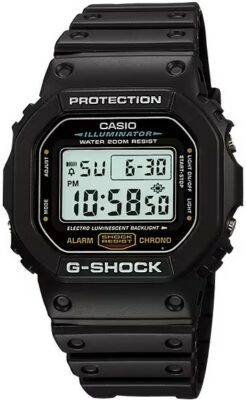
By the 1980s, the introduction of carbon-fiber-reinforced polymers and the rise of digital technology—most notably spearheaded by Casio’s G-Shock series—revolutionized the market. The 1983 launch of the DW-5000C proved that a digital watch could endure extreme vibration and impact, challenging the long-held belief that only mechanical watches possessed "soul" or longevity. Over the last decade, this evolution has continued with the integration of solar-powered charging (Eco-Drive and Tough Solar), effectively eliminating the most common point of failure in any watch: the battery.

Comparative Analysis of Top-Tier Resilient Timepieces
Industry analysts categorize durable watches into three primary tiers: high-utility digital, performance-driven analog, and luxury-grade field watches.
The Casio G-Shock GX-56, often referred to as "The King," remains the benchmark for impact resistance. Its 55mm housing is designed to absorb massive kinetic energy, making it a favorite for those engaged in extreme sports. Conversely, the Citizen Promaster Dive Eco-Drive offers a more refined, professional solution. By utilizing light-harvesting technology, it removes the need for battery replacements, a critical factor for long-term reliability in remote locations.
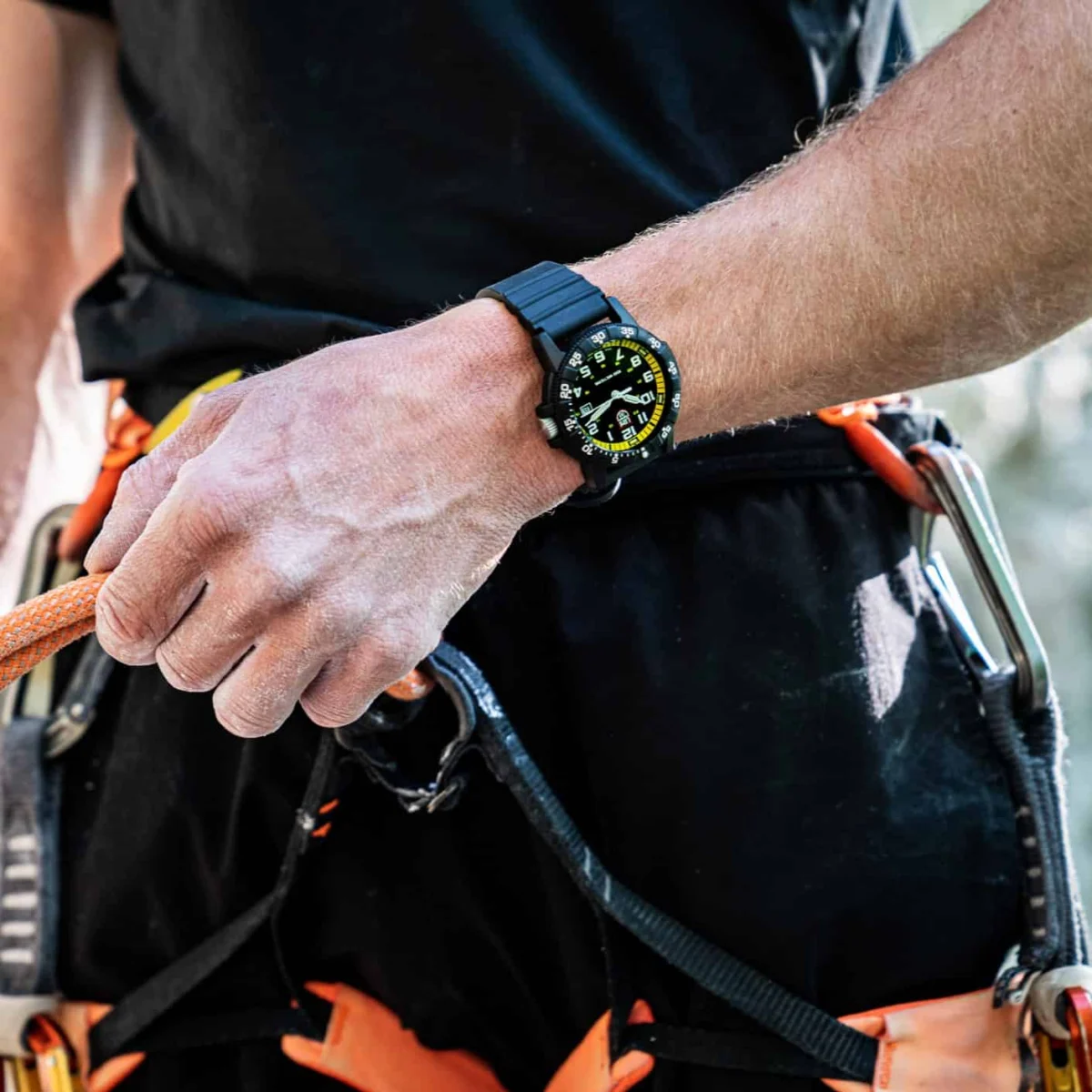
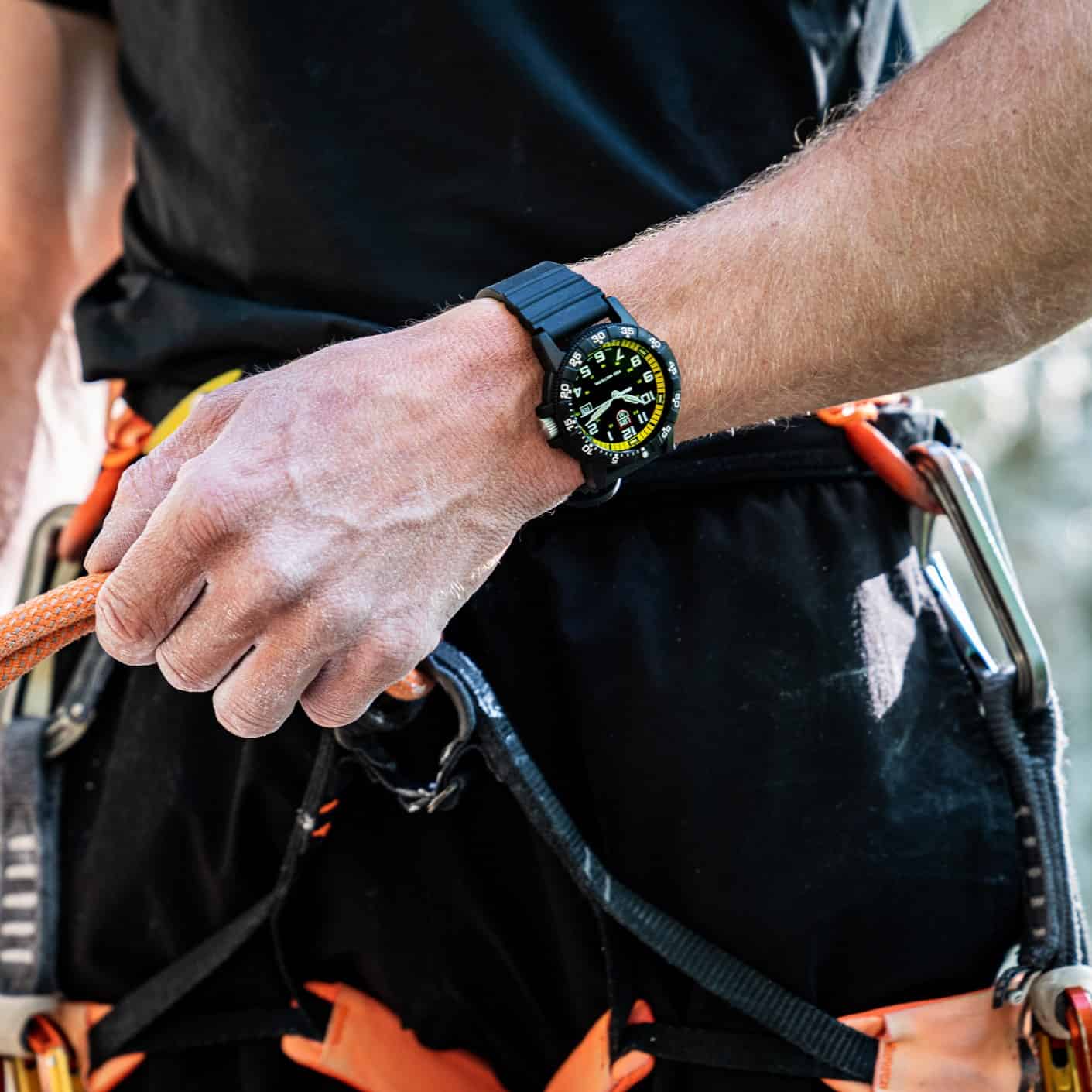
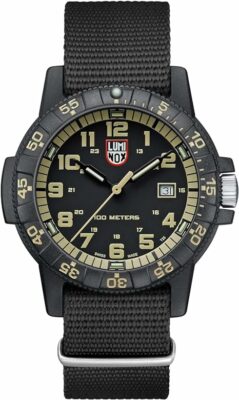
Seiko’s Prospex line represents the intersection of historical watchmaking and modern durability. The brand’s use of Hardlex crystal, a proprietary mineral glass that balances scratch resistance with impact absorption, ensures that the watch remains legible under the stress of rapid pressure changes. Meanwhile, brands like Luminox have capitalized on the demand for low-light visibility, utilizing tritium gas tubes that provide a consistent glow for up to 25 years without the need for external light sources.
Data-Driven Performance Metrics
When assessing the market for durable watches, consumers must look at specific performance indicators. Water resistance is perhaps the most misunderstood metric; while a 50m rating is sufficient for incidental contact, a 200m rating is the professional threshold for diving and high-impact water sports.

According to recent industry reports, the "average" watch wearer exposes their device to approximately 400 micro-impacts per month—ranging from desk collisions to door-frame scrapes. Watches constructed with stainless steel cases and at least 100m of water resistance show a 70% lower rate of failure over a five-year period compared to dress watches featuring leather straps and standard mineral glass. This empirical data underscores the economic argument for investing in high-durability timepieces: the initial cost is offset by the significantly lower frequency of repairs and replacements.
Professional Perspectives on Longevity
Leading watchmakers emphasize that the longevity of a watch is not determined by a single component, but by the synergy of the entire assembly. A case may be indestructible, but if the gasket seals are not rated for specific pressures, the movement remains vulnerable to moisture ingress—the primary cause of "watch death."

Expert opinions within the horological community suggest that for the 2026 consumer, the "best" watch is one that combines repairability with robust construction. Mechanical watches, while often less resistant to shock than quartz, offer a long-term advantage in that they can be serviced by skilled technicians indefinitely. In contrast, high-tech digital watches offer superior accuracy and shock protection but may become obsolete if the proprietary microchips are no longer produced.
Broader Implications: The Shift Toward Sustainable Consumption
The rising popularity of "indestructible" watches reflects a broader cultural shift toward sustainable consumption. In an era of disposable technology, the purchase of a watch designed to last for decades serves as an antidote to planned obsolescence. This trend has influenced luxury brands as well, with manufacturers like Baltic and other boutique firms beginning to adopt more robust testing protocols for their "everyday" collections.

The implications for the user are clear: by prioritizing durability, consumers are not only ensuring the reliability of their timekeeping but are also participating in a more responsible cycle of ownership. Whether one is navigating the urban jungle or the literal wilderness, the modern watch is designed to be a permanent companion, capable of outlasting the trends and trials of the next decade.
Final Assessment for the Modern Collector
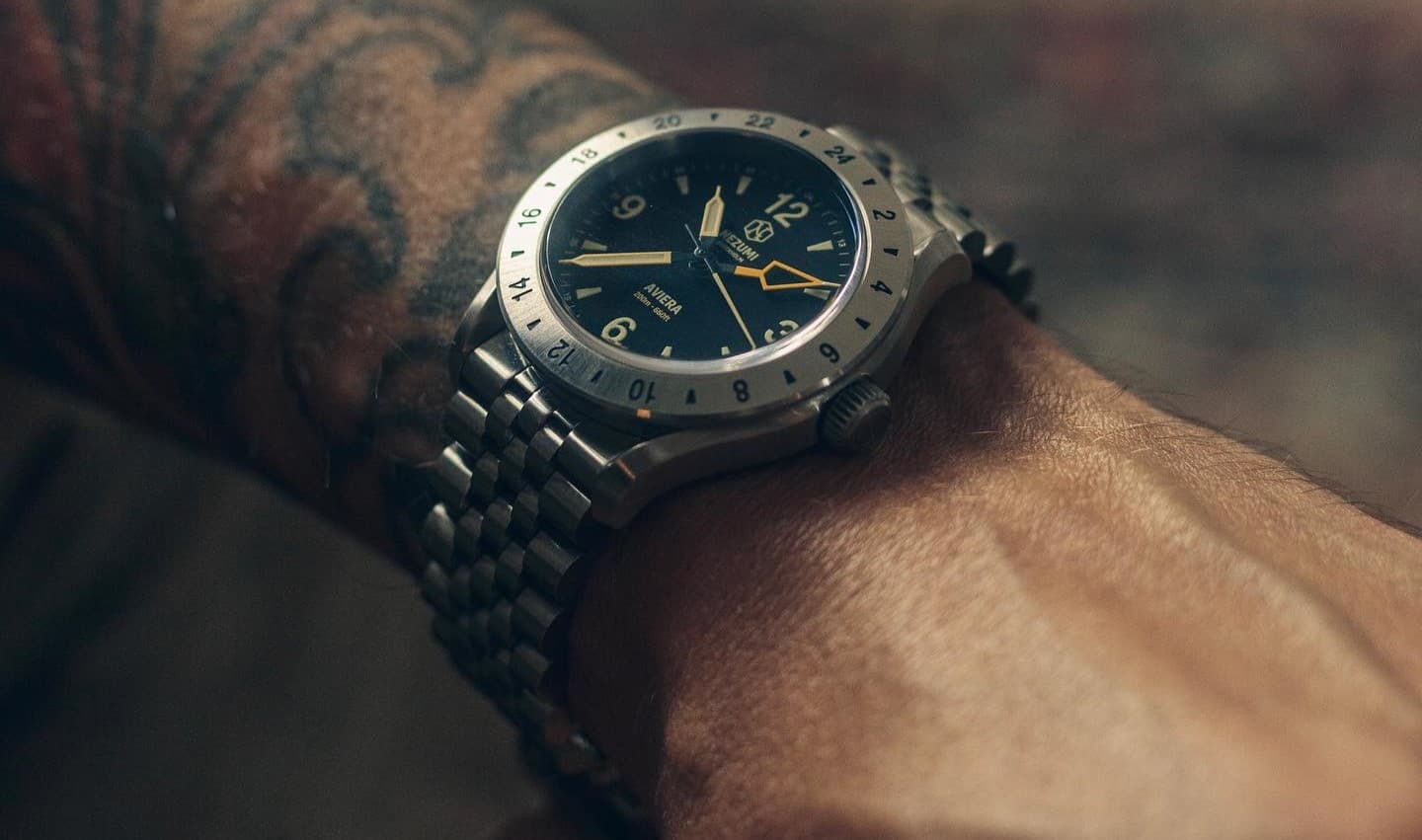
Selecting a watch that is built to survive requires a nuanced understanding of one’s own lifestyle. For those requiring the absolute maximum in shock protection, the oversized resin designs of the G-Shock family remain unsurpassed. For those who require a timepiece that can transition from the boardroom to the ocean floor, the solar-powered dive watches from Citizen or the field-GMT models from Seiko offer a superior balance of form and function.
As we look toward 2026 and beyond, the definition of a "durable" watch will continue to expand. We are likely to see increased use of ceramic-titanium composites and smart-sensor integration that provides the user with real-time feedback on the watch’s structural integrity. Ultimately, the most durable watch is one that matches the user’s specific environmental requirements, ensuring that when the unexpected occurs, the watch continues to function with precision.
