
In recent years, a wave of sensationalized claims has flooded social media platforms, turning public health advice on its head. Content creators and online wellness influencers have increasingly argued that daily sunscreen use—long heralded by the medical community as a primary defense against malignant melanoma and non-melanoma skin cancers—is actually a primary culprit behind rising skin cancer rates. These viral posts frequently cite selective observational studies, misinterpret historical cancer registries, and amplify anxieties over trace chemical absorption, environmental impacts, and endocrine disruption. For dermatologists, oncologists, and science communicators, this digital backlash presents a daunting communication challenge: how to cut through complex statistical noise and reassure the public that UV radiation, not the lotions designed to block it, remains the true danger to human skin.
The genesis of this modern sunscreen skepticism lies in a broader cultural shift toward skepticism of institutional science, combined with the viral mechanics of social media algorithms that reward fear-mongering and counter-intuitive narratives. Public health bodies have watched with growing concern as casual beachgoers and dedicated skincare enthusiasts alike begin to question whether slathering on SPF 50 is secretly harming them. To understand why these myths persist, it is necessary to examine the primary arguments driving the online discourse, evaluate the underlying scientific literature, and review the robust, multi-layered body of evidence demonstrating that sunscreens are both safe and remarkably effective at preventing carcinogenesis.
Deconstructing the Misinterpretation of Observational Studies
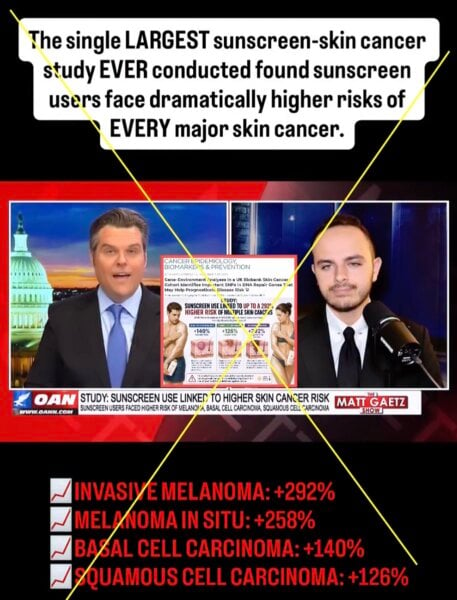
The cornerstone of many anti-sunscreen arguments relies on a basic statistical fallacy: confusing correlation with causation. A prominent recent example involves misinterpretations of the UK Biobank study, a massive prospective cohort dataset that researchers have mined to study genetic and environmental risk factors for various diseases. Viral posts seized upon data showing that individuals who reported regular sunscreen use often had higher rates of skin cancer diagnoses, framing this as proof that the products cause the disease.
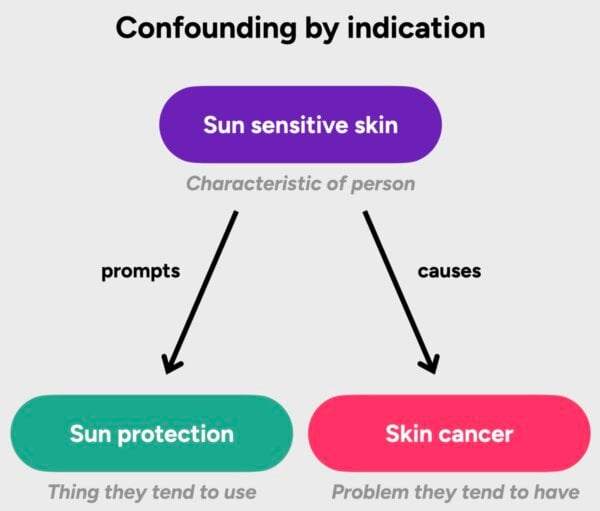
Epidemiologists and skin cancer researchers have repeatedly pointed out why this conclusion is fundamentally flawed. These findings stem from observational studies, where researchers observe human behavior in natural settings rather than controlling variables through active experimentation. In the real world, sunscreen use is heavily confounded by personal behavior and inherent physical traits.
Individuals who consistently use sunscreen are overwhelmingly fair-skinned, burn easily, possess a higher density of moles, or have a family history of skin cancer—characteristics that place them at a inherently higher baseline risk for developing malignancies. Furthermore, people who apply sunscreen often do so precisely because they intend to spend extended periods outdoors, exposing themselves to high volumes of ultraviolet (UV) radiation. When observational studies fail to adequately adjust for cumulative sun exposure, outdoor lifestyle choices, and skin phototype, they inevitably produce a positive statistical association between sunscreen use and skin cancer diagnoses. Put simply, people who use umbrellas are more likely to get caught in the rain, but the umbrella is not making the storm happen.
Moving Beyond Observation: The Definitive Evidence of the Nambour Trial
To eliminate the confounding variables inherent in observational research, scientists rely on randomized controlled trials (RCTs), the gold standard of clinical evidence. The definitive benchmark in sunscreen research is the Nambour Trial, a landmark long-term Australian study conducted in the 1990s and followed up extensively in subsequent decades.
In the Nambour Trial, researchers randomly assigned participants to apply broad-spectrum sunscreen daily or to continue their usual, discretionary habits. The results provided undeniable experimental proof of sunscreen’s protective efficacy. Daily sunscreen users experienced a statistically significant reduction in the development of solar keratoses—precancerous lesions that can evolve into squamous cell carcinomas. Furthermore, long-term follow-ups revealed that regular sunscreen use reduced the incidence of invasive melanoma, with protective benefits persisting years after the trial concluded.
Conducting large-scale, long-term RCTs in dermatology is exceptionally difficult and expensive, which explains why the Nambour Trial remains a monumental achievement. Ethically, researchers cannot intentionally expose human subjects to cancer-causing UV radiation without protection, meaning studies must rely on populations living in high-UV environments like Queensland, Australia, who are willing to adhere strictly to multi-year regimens.
Addressing Historical Trends and Rising Cancer Rates
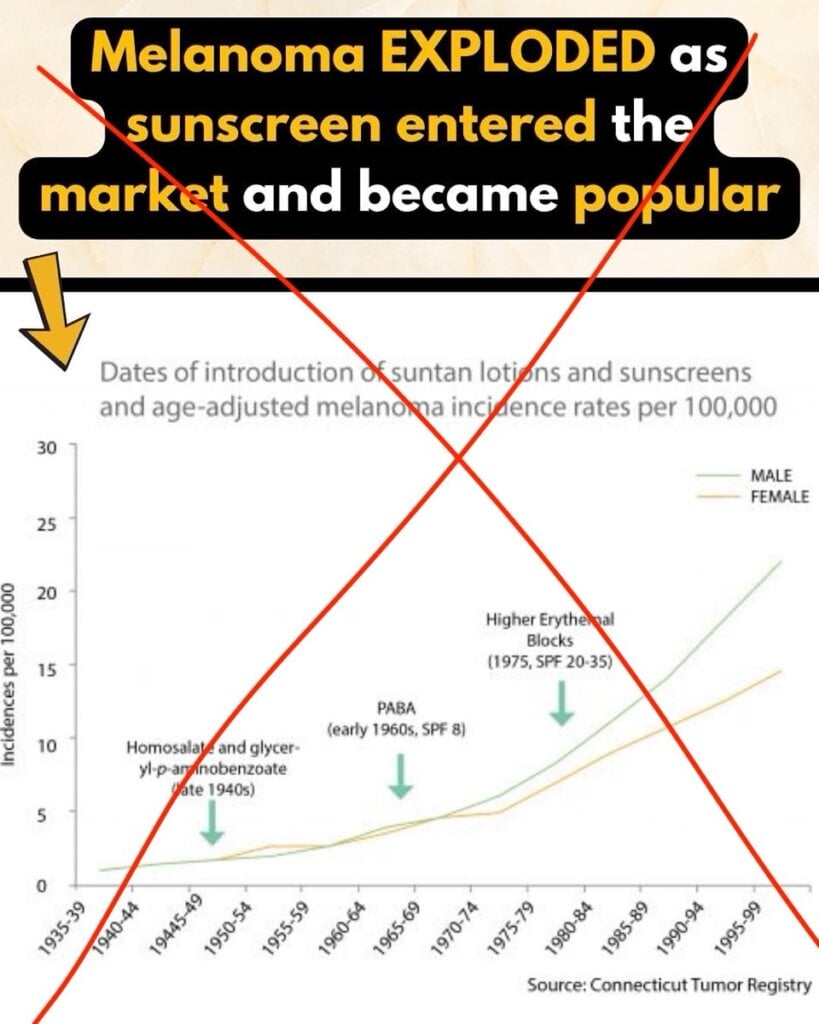
Another frequent pillar of anti-sunscreen rhetoric points to historical cancer registries—such as the Connecticut cancer registry graph—to argue that skin cancer rates have skyrocketed concurrently with the commercial mass production and widespread adoption of sunscreens since the mid-20th century.
While it is true that reported melanoma rates have increased over the past several decades, public health experts attribute this trend to a combination of entirely separate factors. First, diagnostic criteria have evolved significantly; modern dermatologists utilize advanced screening tools, dermoscopy, and heightened vigilance, leading to the early detection and diagnosis of in situ melanomas that previously would have gone unnoticed or unrecorded. Second, societal lifestyle changes since the 1940s have dramatically increased recreational sun exposure. The rise of affordable commercial air travel, vacation culture, outdoor leisure activities, and shifting aesthetic standards favoring tanned skin have resulted in vastly higher cumulative UV exposure across populations.
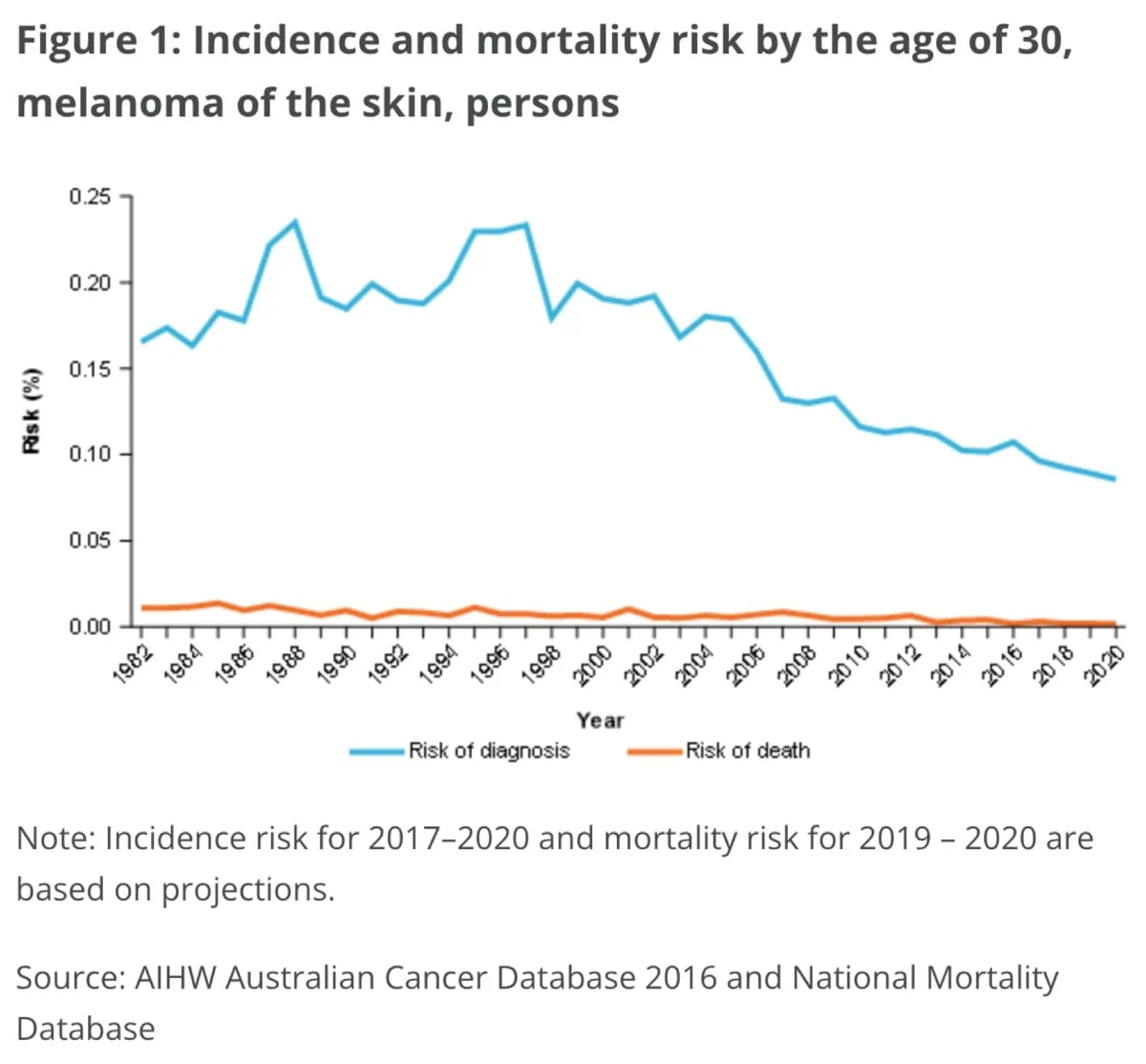
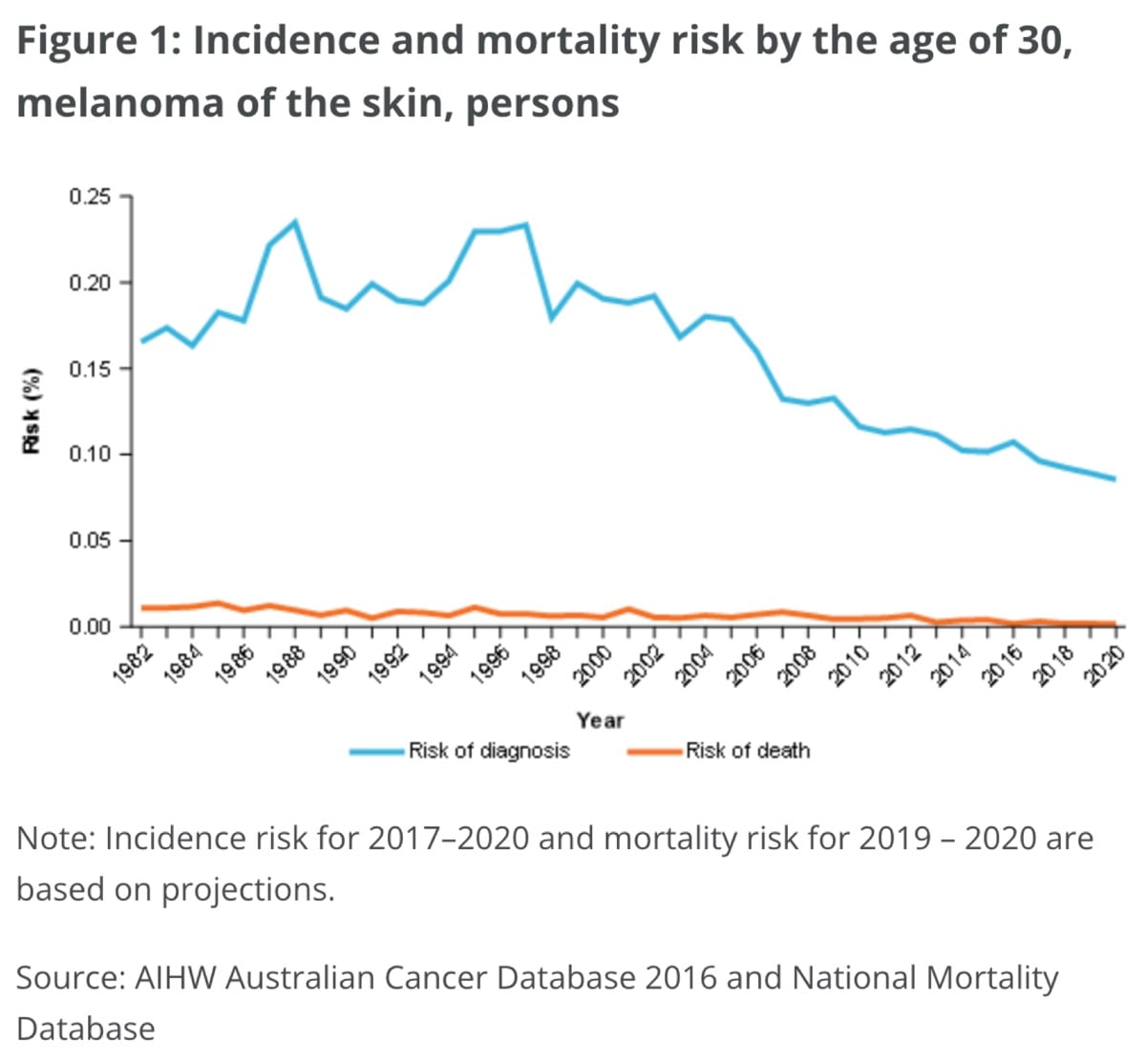
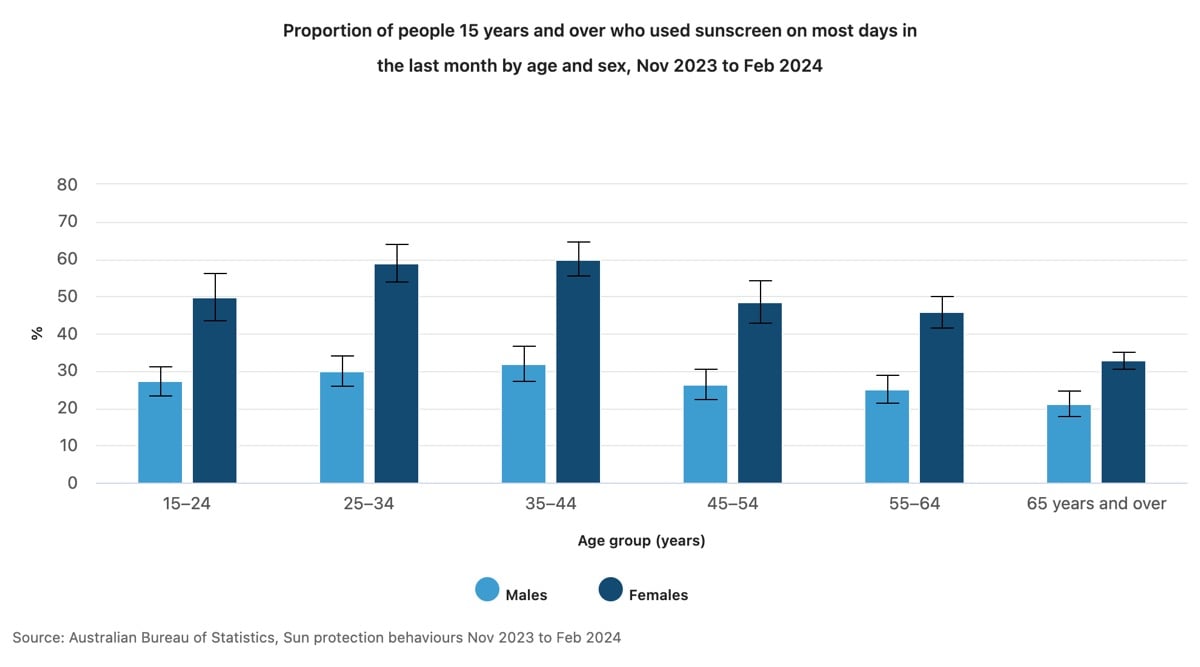
When researchers control for these societal shifts and examine specific demographics—such as younger generations in Australia who grew up under rigorous national "Slip, Slop, Slap" public health campaigns—skin cancer incidence rates have stabilized or even begun to decline among the young, directly reflecting effective lifelong sun protection habits.
Evaluating Claims Regarding UVA Protection and Misuse
Skepticism is also directed toward the functional mechanics of sunscreens, with critics asserting that formulas historically focused only on UVB protection while letting deep-penetrating UVA rays pass through unchecked. This argument posits that sunscreens provide a false sense of security, encouraging individuals to bake in the sun for longer periods and ultimately increasing their risk of deep cellular damage.
While it is historically accurate that early commercial sunscreens prioritized UVB rays—the primary driver of sunburns—broad-spectrum protection has been an industry standard for decades. Modern formulations undergo rigorous regulatory testing to ensure they absorb or reflect both UVB and UVA radiation proportionally. UVA rays penetrate deeper into the dermis, contributing significantly to photoaging and playing a cooperative role in skin carcinogenesis.
Sunscreen misuse is indeed a legitimate public health concern; studies consistently show that consumers apply roughly half the recommended thickness required to achieve the labeled SPF rating, often missing areas like the ears, back of the neck, and eyelids. However, dermatologists emphasize that the solution to misuse is enhanced consumer education regarding proper application and reapplication intervals, rather than abandoning photoprotection altogether. Even sub-optimally applied sunscreen provides a substantial barrier against UV-induced DNA damage compared to wearing nothing at all.
Mechanistic Proof: How UV Drives Cancer and Sunscreen Blocks It
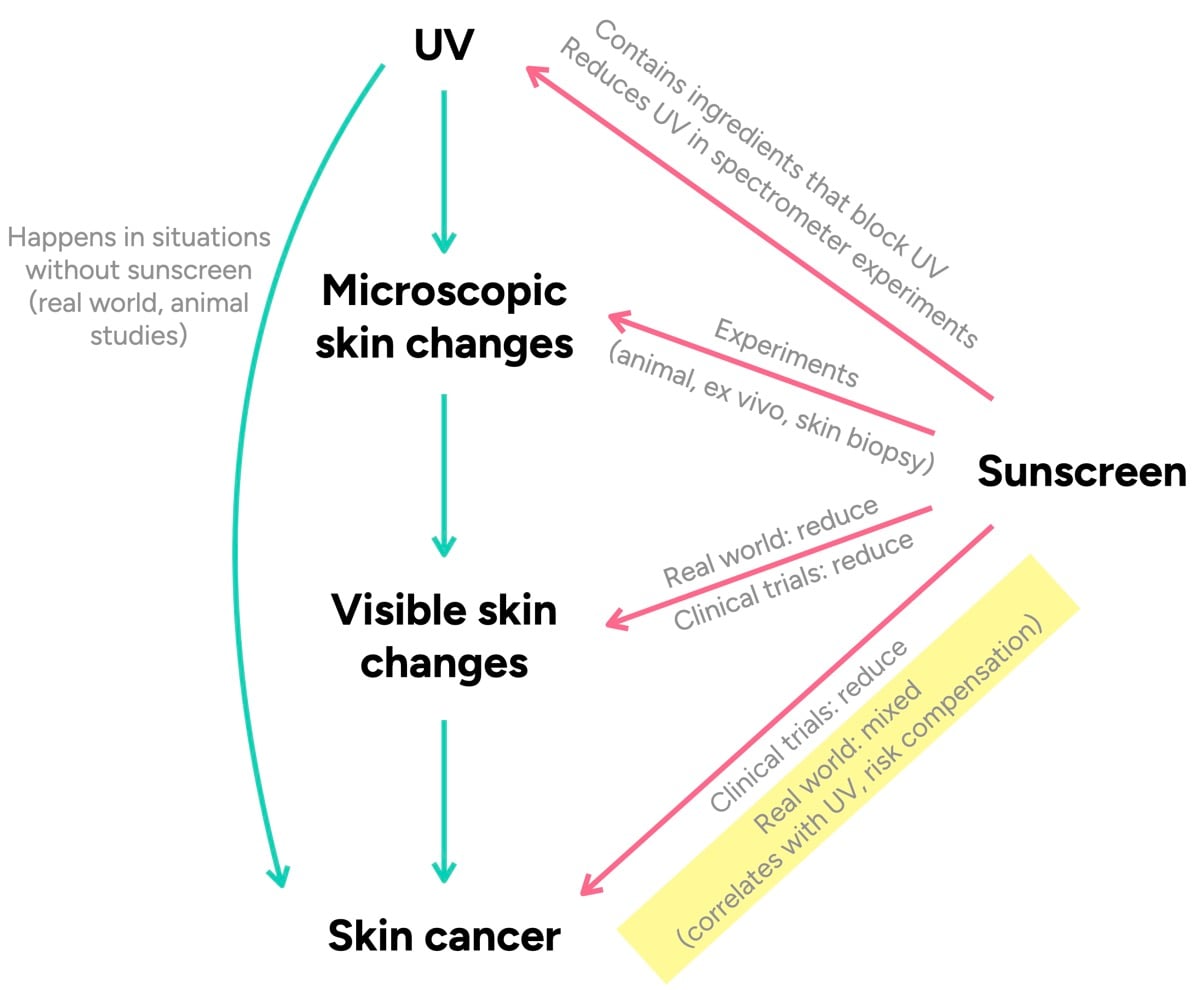
The scientific consensus that sunscreens prevent skin cancer is built upon a rigorous hierarchy of evidence spanning molecular biology, animal models, and human clinical trials. The biological mechanism can be broken down into a clear chain of checkpoints: UV radiation is energetic enough to cause direct photochemical reactions, creating mutagenic DNA photoproducts like cyclobutane pyrimidine dimers. If left uncorrected, these mutations lead to microscopic cellular changes, visible pre-cancerous lesions, and ultimately malignant tumors.
Extensive laboratory and clinical research has proven that topical sunscreens intercept this chain reaction at the very first step. By absorbing or reflecting incoming photons, sunscreens demonstrably decrease the formation of DNA photoproducts in human skin, suppress local immunosuppression caused by UV exposure, and prevent the expression of biomarkers associated with photoaging and carcinogenesis.
Debunking Ancillary Myths: Benzene, Coral Reefs, and Systemic Absorption
As the broader argument that sunscreen causes skin cancer faces scientific scrutiny, critics frequently pivot to secondary anxieties regarding specific chemical ingredients and environmental impacts.
Concerns regarding benzene contamination gained traction following independent laboratory petitions that detected trace amounts of the chemical in certain aerosol sunscreen batches. Regulatory agencies and toxicological evaluations quickly clarified that the detected levels were exceedingly low and typically associated with manufacturing impurities in propellant systems rather than active sunscreen ingredients. Furthermore, epidemiological data from the National Health and Nutrition Examination Survey (NHANES) demonstrated that individuals who regularly used sunscreen did not have elevated blood concentrations of benzene compared to non-users. Benzene is a known hematological carcinogen linked to blood cancers like leukemia, but it has no plausible pathophysiological link to cutaneous melanoma or non-melanoma skin cancers.
Environmental concerns regarding coral reef degradation have also been weaponized against chemical UV filters, specifically oxybenzone. While coral ecosystems face severe existential threats globally, the scientific community has pushed back against oversimplified bans. Comprehensive reviews by bodies like the National Academies of Sciences, Engineering, and Medicine have concluded that the primary drivers of coral bleaching and mortality are climate-induced ocean warming, severe marine pollution, and coastal runoff, rather than recreational sunscreen washing off swimmers.
Similarly, anxieties regarding systemic absorption—sparked by U.S. Food and Drug Administration (FDA) studies demonstrating that active chemical filters can enter the bloodstream in minute quantities—frequently ignore fundamental toxicological principles. Systemic detection does not equate to toxicity. Regulatory authorities across the European Union, Australia, and North America apply rigorous safety assessments incorporating a hundred-fold safety margin, ensuring that the trace amounts absorbed through the skin remain vastly below thresholds that could induce systemic harm, endocrine disruption, or adverse health effects.
Balancing Photoprotection and Vitamin D
Finally, debates surrounding sunscreen often touch upon nutritional concerns, specifically the fear that high-SPF sunscreens induce vitamin D deficiency. Recent clinical investigations, such as the open-label randomized controlled Sun-D Trial, have noted that daily application of high-SPF formulas can modestly influence vitamin D synthesis in certain populations.
Medical experts note that while UV radiation is necessary for cutaneous vitamin D synthesis, it is precisely that same high-energy radiation that damages cellular DNA and drives carcinogenesis. For the vast majority of individuals, achieving optimal vitamin D levels through safe dietary sources, fortified foods, or safe, brief, non-burning sun exposure outside peak UV hours offers a safe middle ground. This approach avoids compromising the rigorous skin protection required to prevent skin cancer.
Ultimately, the overwhelming weight of scientific, experimental, and clinical evidence stands firm. While online misinformation will likely continue to evolve, the medical consensus remains unequivocal: regular, broad-spectrum sunscreen use is a vital, safe, and proven tool in the ongoing global effort to reduce the incidence and mortality of skin cancer.
