
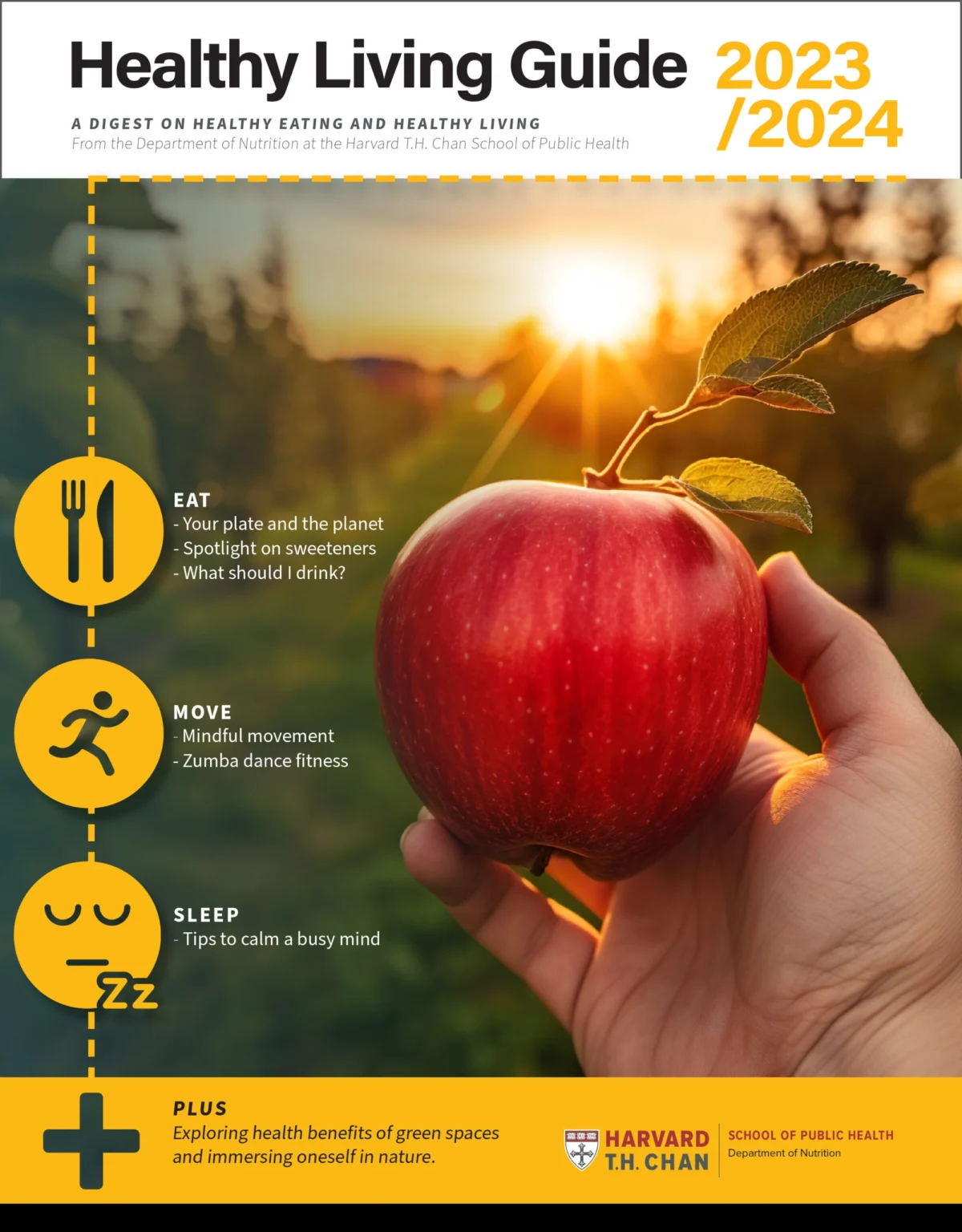
The Harvard T.H. Chan School of Public Health’s Department of Nutrition has released its fourth annual Healthy Living Guide, a comprehensive compendium designed to bridge the gap between complex nutritional science and actionable daily habits. As the global public health community grapples with the dual crises of chronic disease and declining mental well-being, this year’s edition marks a significant strategic pivot toward the intersection of mindfulness, planetary sustainability, and human physiology. The launch follows a transformative year for the department, defined by the inauguration of the Thich Nhat Hanh Center for Mindfulness in Public Health.
A New Strategic Direction: The Role of Mindfulness
The 2023–2024 edition of the guide is anchored by the philosophy that physical health is inextricably linked to cognitive presence. The establishment of the Thich Nhat Hanh Center for Mindfulness in Public Health in 2023 represents a fundamental shift in how the institution approaches population-level health interventions. Historically, public health initiatives have focused heavily on biological inputs—calories, macronutrients, and exercise frequency. However, the current research agenda seeks to quantify how the act of being "mindful"—a state of heightened awareness and intentionality—can alter physiological outcomes.
By integrating the principles of mindfulness into the guide, the Department of Nutrition is signaling a departure from siloed health advice. The focus is no longer merely on what an individual consumes, but how they consume it, positing that a mindful relationship with food can mitigate the tendency toward mindless consumption of ultra-processed goods. This approach is intended to influence not just personal health markers, such as BMI and glycemic control, but also broader environmental sustainability, as mindful eating often encourages more conscious choices regarding food sources and waste reduction.
Chronology of the Healthy Living Guide
The inception of the Healthy Living Guide series was a response to the growing public demand for reliable, evidence-based health information in an era characterized by digital misinformation. The following timeline outlines the evolution of the initiative:
- 2020: The Department of Nutrition launches the inaugural Healthy Living Guide, establishing a digital-first approach to disseminating peer-reviewed nutritional advice.
- 2021: The series expands to include interactive components and printable tip sheets, acknowledging the need for portable, offline health resources.
- 2022: The scope of the guide broadens to include environmental impacts of diet, aligning nutritional recommendations with planetary health goals.
- 2023: The launch of the Thich Nhat Hanh Center for Mindfulness in Public Health sets the stage for the current edition, emphasizing the cognitive dimensions of public health.
- 2024: The fourth edition is released, featuring a refined focus on the nexus of mental health, sleep hygiene, and diet, while incorporating evidence on chronotypes.
Scientific Evidence and Nutritional Trends
The current edition provides a rigorous review of emerging nutritional science. One of the most critical sections addresses the ongoing debate regarding ultra-processed foods (UPFs). Research highlighted in the guide reinforces findings that high consumption of UPFs is statistically correlated with increased risks of cardiovascular disease, obesity, and depression. The evidence suggests that these foods, which often contain industrial formulations and artificial additives, disrupt the satiety signaling pathways in the human brain, leading to overconsumption.
Furthermore, the guide explores the physiological phenomenon of "chronotypes." Modern science has increasingly categorized individuals based on their natural sleep-wake patterns, or "biological clocks." The 2024 guide provides evidence-based strategies for optimizing health outcomes by aligning dietary intake and physical activity with an individual’s specific chronotype. This personalized medicine approach acknowledges that a "one-size-fits-all" model of health is increasingly insufficient for a diverse global population.
Physical Activity and Lifestyle Integration
Moving beyond diet, the guide addresses the evolution of physical activity in the post-pandemic landscape. Recognizing the psychological barriers to exercise, the publication emphasizes the role of movement in mood regulation. By integrating elements like "Zumba" and rhythmic movement into its recommendations, the guide advocates for physical activities that provide both cardiovascular benefits and neurochemical rewards, such as the release of endorphins and dopamine. This holistic view of movement suggests that the efficacy of physical activity is greatly enhanced when paired with enjoyable, social, or meditative elements, thereby increasing the likelihood of long-term adherence.
Expert Perspectives and Public Health Implications
The shift toward mindfulness as a public health tool has been met with significant interest from the academic community. Proponents argue that by fostering a population that is more attuned to internal cues of hunger and satiety, public health officials could see a decrease in the incidence of obesity-related metabolic disorders.
"The integration of mindfulness into the public health lexicon is not a departure from science, but an advancement of it," noted one researcher associated with the center. The implications of this approach are substantial. If a significant percentage of the population adopts mindful eating practices, the demand for high-sugar, high-fat, ultra-processed commodities could theoretically decline. This would force a shift in the food industry’s supply chain, potentially favoring more nutrient-dense, whole-food options.
Addressing the Mental Health Crisis
A recurring theme throughout the 2024 guide is the relationship between the gut and the brain. The gut-brain axis is a well-documented area of study that the Department of Nutrition is now heavily leveraging. By explaining how the quality of the diet—specifically the intake of fermented foods, fiber, and healthy fats—directly impacts mood and cognitive function, the guide serves as a practical tool for those looking to manage stress and anxiety through lifestyle modification.
This focus is particularly timely. With mental health concerns rising globally, the ability to offer non-pharmacological, evidence-based lifestyle modifications is a high priority for public health institutions. The guide’s emphasis on sleep quality as a cornerstone of mental health further reinforces the necessity of a multifaceted approach to wellness.
Practical Application: A Resource for the Public
The 2024 Healthy Living Guide serves as both a theoretical framework and a practical manual. By providing printable tip sheets, the Department of Nutrition ensures that the information is accessible to individuals who may have limited digital access or who prefer tangible, paper-based guides. These resources are designed to be implemented in community centers, schools, and healthcare clinics.
The inclusion of a "knowledge test" at the end of the document encourages active engagement, ensuring that readers are not merely passive consumers of information but active participants in their own health literacy. By revisiting the core tenets from previous years—such as the Healthy Eating Plate and the importance of hydration—the guide creates a cumulative learning experience.
Broader Impact and Future Outlook
As the Harvard T.H. Chan School of Public Health continues its work, the 2024 guide stands as a milestone. The transition toward a more integrated, mindful, and evidence-based model of living reflects a broader trend in global medicine: the move from reactive treatment to proactive, lifestyle-centered prevention.
Looking ahead, the collaboration between the Department of Nutrition and the Thich Nhat Hanh Center for Mindfulness suggests that future editions will likely explore the intersection of digital health technologies and mindfulness. As wearables and health-tracking applications become more ubiquitous, the ability to measure the physiological effects of mindfulness in real-time will provide even more robust data to support these interventions.
For now, the 2024 Healthy Living Guide remains a pivotal resource for those seeking to navigate the complexities of modern nutrition and lifestyle. By grounding its recommendations in rigorous research and broad-spectrum health strategies, it offers a pathway to sustainable, long-term well-being that is both scientifically sound and deeply human-centric. The emphasis remains clear: the health of the individual is intimately connected to the health of the community and the planet, and every mindful choice—from the selection of food to the quality of sleep—serves as a building block for a healthier future.
