

Polycystic Ovary Syndrome (PCOS) is a complex endocrine and metabolic disorder affecting an estimated 8 to 13 percent of reproductive-aged women globally. Characterized by a constellation of symptoms including irregular menstrual cycles, hyperandrogenism, and metabolic dysregulation, the condition is frequently compounded by stubborn weight gain, particularly around the abdominal region. For decades, clinical management has relied heavily on lifestyle modifications and pharmacological interventions such as metformin and oral contraceptives. However, an increasing body of clinical research points toward targeted nutritional supplementation as an effective adjunctive strategy to address the root drivers of PCOS-related weight retention: insulin resistance, chronic low-grade inflammation, and hormonal imbalances.
Understanding the underlying mechanisms of metabolic disruption in PCOS is essential for evaluating therapeutic interventions. In healthy individuals, insulin facilitates the uptake of glucose into cells to be utilized as energy. In contrast, up to 70 percent of women with PCOS exhibit varying degrees of insulin resistance. When cells fail to respond effectively to insulin, the pancreas compensates by secreting higher volumes of the hormone into the bloodstream. Chronically elevated insulin levels not only promote fat storage—preferentially in the visceral adipose tissue—but also stimulate the ovaries to overproduce androgens such as testosterone. This hormonal cascade exacerbates physical symptoms like hirsutism and acne while actively suppressing metabolic rate and fat oxidation, creating a frustrating cycle that makes traditional weight-loss methods exceptionally difficult.
To counter these physiological barriers, clinical endocrinologists, registered dietitians, and researchers have increasingly focused on specific bioactive compounds capable of improving cellular insulin sensitivity, modulating inflammatory pathways, and supporting metabolic homeostasis. Below is an examination of five evidence-based supplements studied for their role in managing PCOS and facilitating sustainable weight loss.
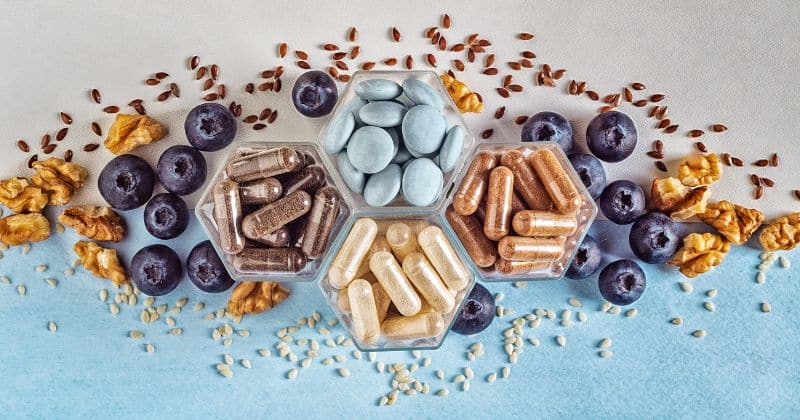
1. Inositol (Myo-Inositol and D-Chiro-Inositol)
Inositol, a carbocyclic sugar often referred to historically as vitamin B8, functions as a secondary messenger in cellular signaling pathways, playing a particularly critical role in the insulin signaling cascade. Within the therapeutic landscape of PCOS, inositol has emerged as one of the most thoroughly investigated and clinically validated natural interventions.
Mechanism of Action and Clinical Efficacy
When introduced as a supplement, inositol acts as an insulin sensitizer, improving the efficiency with which cells bind and respond to the hormone. By enhancing insulin signaling, inositol supplementation helps lower circulating insulin levels. Consequently, this reduction in hyperinsulinemia prompts the ovaries to decrease androgen production, mitigating symptoms of hyperandrogenism and helping to restore normal ovulatory function.
Clinical trials evaluating inositol have demonstrated notable improvements in metabolic profiles among women with PCOS. Studies indicate that supplementation can lead to reductions in body mass index (BMI), normalization of lipid panels, and improvements in glycemic control. Two primary stereoisomers are utilized clinically: myo-inositol and D-chiro-inositol. Naturally occurring in the body in a specific physiological ratio—typically 40:1—research suggests that administering these two forms in their natural ratio optimizes therapeutic outcomes for metabolic and reproductive health.
Administration and Safety Profile
Inositol is widely available in capsule, tablet, and powder formulations. Clinical protocols typically recommend a daily dosage of 4 grams of myo-inositol, often paired with D-chiro-inositol at the 40:1 ratio. While generally well-tolerated, some individuals may experience mild gastrointestinal side effects, such as nausea, flatulence, or headaches during the initial phase of supplementation. Healthcare professionals advise patients to consult a physician before initiating an inositol regimen, particularly if concurrent glucose-lowering medications are being utilized.

2. N-Acetylcysteine (NAC)
N-acetylcysteine (NAC) is an acetylated variant of the semi-essential amino acid L-cysteine. Recognized historically for its clinical application as an antidote for acetaminophen overdose and as a mucolytic agent in respiratory conditions, NAC has garnered substantial attention in reproductive endocrinology for its potent antioxidant and insulin-sensitizing properties.
Impact on Metabolic and Reproductive Health
The therapeutic utility of NAC in PCOS stems from its ability to stimulate the biosynthesis of glutathione, the body’s primary endogenous antioxidant. Oxidative stress and chronic systemic inflammation are frequent hallmarks of PCOS that exacerbate insulin resistance and endothelial dysfunction. By neutralizing reactive oxygen species and reducing systemic inflammation, NAC helps restore insulin receptor sensitivity.
Furthermore, clinical investigations into NAC have highlighted its capacity to influence weight management directly by increasing levels of adiponectin—a protein hormone secreted by adipose tissue that regulates glucose levels, enhances fatty acid oxidation, and supports overall metabolic rate. Beyond weight loss, randomized controlled trials have demonstrated that NAC administration can significantly improve ovulation rates and regulate menstrual periodicity in women struggling with PCOS-related anovulation.
Dosage Guidelines and Considerations
Clinical studies evaluating NAC for PCOS typically employ daily dosages ranging from 600 milligrams to 1,200 milligrams, divided into two doses. While NAC is generally recognized as safe, mild gastrointestinal distress, such as heartburn or abdominal discomfort, can occur. Individuals with underlying respiratory conditions, such as asthma, should exercise caution, as inhaled or oral forms can occasionally trigger bronchospasm. Professional medical guidance is strongly recommended prior to integration into a health regimen.

3. Omega-3 Fatty Acids
Omega-3 polyunsaturated fatty acids—specifically eicosapentaenoic acid (EPA) and docosahexaenoic acid (DHA), predominantly found in cold-water fatty fish—are essential nutrients that the human body cannot synthesize independently. They play a fundamental role in structural cell membrane integrity, cardiovascular health, and the resolution of inflammatory pathways.
Role in PCOS Management and Weight Loss
Epidemiological and clinical studies frequently identify suboptimal levels of omega-3 fatty acids in women diagnosed with PCOS. This deficiency correlates with an increased prevalence of dyslipidemia, systemic inflammation, and insulin resistance. Supplementation with high-purity marine oils or vegetarian algal alternatives provides a multi-faceted therapeutic benefit.
Omega-3 fatty acids exert anti-inflammatory effects by inhibiting the production of pro-inflammatory eicosanoids and cytokines. By mitigating chronic inflammation, these essential fats improve cellular responsiveness to insulin, thereby lowering fasting blood glucose and insulin levels. In clinical trials focusing on overweight women with PCOS, omega-3 supplementation over an eight-week period demonstrated statistically significant reductions in body weight, BMI, waist circumference, and serum testosterone levels. Additionally, omega-3s have been shown to modulate appetite-regulating hormones, assisting individuals in maintaining dietary caloric restriction.
Sources and Integration
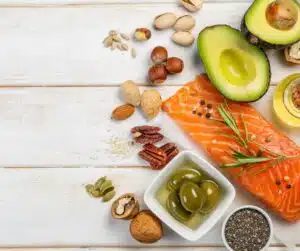
Dietary sources include wild-caught salmon, sardines, mackerel, and anchovies, alongside plant-based sources like flaxseeds, chia seeds, and walnuts, though conversion rates of plant-based alpha-linolenic acid (ALA) to EPA and DHA are notably low. Consequently, concentrated fish oil or algal oil supplements standardized for EPA and DHA content are frequently utilized to achieve therapeutic dosages. Consulting a healthcare provider ensures appropriate dosing and minimizes potential interactions with anticoagulant therapies.
4. Berberine
Berberine is a bioactive plant alkaloid extracted from various traditional medicinal herbs belonging to the genus Berberis, including goldenseal, barberry, and Oregon grape. With a long history of utilization in traditional Chinese and Ayurvedic medicine, modern pharmacological research has established berberine as a potent metabolic modulator with efficacy profiles comparable to certain pharmaceutical glucose-lowering agents.
Mechanisms Supporting Weight Loss
The primary driver of berberine’s efficacy in PCOS is its activation of adenosine monophosphate-activated protein kinase (AMPK), an enzyme often referred to as the body’s "master metabolic switch." Activation of AMPK stimulates glucose uptake into cells, enhances fatty acid oxidation, and inhibits hepatic glucose production.
For women with PCOS, berberine’s ability to improve insulin sensitivity directly addresses the root mechanism of hyperinsulinemia-induced androgen excess. By stabilizing blood glucose and insulin concentrations, berberine curbs the intense carbohydrate cravings and reactive hypoglycemia that frequently sabotage weight loss efforts. Furthermore, emerging research highlights berberine’s positive influence on the gut microbiome—promoting the proliferation of beneficial bacterial strains that support metabolic homeostasis and intestinal barrier integrity—as well as its capacity to directly modulate circulating androgen concentrations.
Clinical Considerations
While berberine offers substantial metabolic benefits, its pharmacokinetics involve relatively low intestinal absorption, necessitating consistent dosing schedules, typically ranging from 500 milligrams taken two to three times daily with meals. Reported side effects are generally confined to the gastrointestinal tract, including mild cramping, diarrhea, or constipation. Because berberine can interact with hepatic enzymes responsible for drug metabolism, patients taking prescription medications—particularly for blood glucose regulation, hypertension, or hyperlipidemia—must consult a physician prior to use.
5. Vitamin D
Vitamin D functions physiologically more as a secosteroid hormone than a traditional vitamin. Receptors for vitamin D are distributed widely throughout the human body, including within ovarian tissue, pancreatic beta cells, and skeletal muscle, underscoring its broad systemic importance.
The Metabolic Link to PCOS
Clinical data indicates a high prevalence of vitamin D deficiency among women diagnosed with PCOS, with rates often exceeding 65 to 85 percent depending on geographic location and lifestyle factors. Low vitamin D status is consistently correlated with exacerbated insulin resistance, increased severity of metabolic syndrome, heightened systemic inflammation, and greater difficulty in achieving weight loss.
Adequate vitamin D repletion has been shown to improve insulin receptor expression, enhance pancreatic insulin secretion, and reduce circulating inflammatory markers such as C-reactive protein. Furthermore, randomized controlled trials evaluating vitamin D supplementation in women with PCOS have observed improvements in metabolic parameters, reductions in total testosterone levels, and positive shifts in mood regulation—likely mediated through its interaction with neurotransmitter pathways involved in anxiety and depression.
Sourcing and Dosage Strategies
While endogenous synthesis occurs via UVB sunlight exposure on bare skin, modern indoor lifestyles and specific metabolic phenotypes in PCOS often render sunlight and unfortified dietary sources (such as egg yolks, fatty fish, and fortified dairy) insufficient for achieving optimal serum 25-hydroxyvitamin D concentrations. Targeted supplementation using cholecalciferol (Vitamin D3) is frequently required. Standard adult dosages typically range from 1,000 to 4,000 international units (IU) daily, tailored according to baseline serum blood tests and clinical supervision to prevent toxicity from excessive accumulation.
Broader Implications and Comprehensive Management
While the targeted incorporation of supplements such as inositol, NAC, omega-3 fatty acids, berberine, and vitamin D can provide powerful biochemical support, medical professionals emphasize that supplementation represents only one component of a comprehensive PCOS management strategy.
Endocrinology and nutritional experts maintain that sustainable weight loss and long-term metabolic health require a synergistic approach encompassing structured physical activity, tailored nutritional therapy focused on glycemic load management, and clinical stress mitigation protocols. Because PCOS presents with high phenotypic variability—meaning symptoms and metabolic profiles differ significantly from one individual to another—therapeutic regimens must be personalized under the guidance of qualified healthcare providers.
Integrating evidence-based supplementation into a structured lifestyle framework offers a scientifically validated pathway for women navigating the metabolic complexities of PCOS, empowering patients to overcome physiological barriers, restore hormonal balance, and achieve sustainable improvements in overall health and well-being.
