

The trajectory of the modern sneaker is a study in cultural evolution, marking a definitive shift from athletic utilitarianism to the bedrock of contemporary luxury fashion. Only a few decades ago, the presence of athletic footwear at formal or professional events was largely considered a breach of sartorial etiquette. Today, however, the sneaker has transcended its origins on the running track and the basketball court to become the definitive footwear choice for the modern man, bridging the gap between high-fashion runways and everyday corporate boardrooms. This transformation has been fueled by a relentless cycle of technological innovation, high-profile collaborations, and a seismic shift in consumer attitudes toward dress codes.

As we move through 2026, the sneaker industry remains a cornerstone of the global fashion market, with market analysts projecting sustained growth driven by secondary markets, sustainable manufacturing, and the integration of advanced materials. The brands leading this movement are no longer just shoe manufacturers; they are technology companies, sustainability advocates, and cultural tastemakers.

The Evolution of the Sneaker Market
The transition of the sneaker from a functional tool to a luxury commodity can be traced back to the late 20th century, specifically the 1980s, when the "sneakerhead" subculture began to take root. This period saw the intersection of professional sports marketing and streetwear, most notably through the explosive success of the Air Jordan line.

In the decades that followed, the market witnessed a "crescendo" of design, where brands began treating footwear with the same architectural rigor as traditional leather dress shoes. Luxury fashion houses, initially hesitant to engage with sportswear, began to incorporate sneakers into their seasonal collections, eventually leading to the current landscape where a pair of high-end sneakers can command price points once reserved for handcrafted Italian loafers.

Industry Leaders and Technological Pioneers
The hierarchy of the sneaker world remains dominated by established giants, yet the landscape is increasingly contested by agile newcomers who are leveraging direct-to-consumer models and sustainable practices to gain market share.
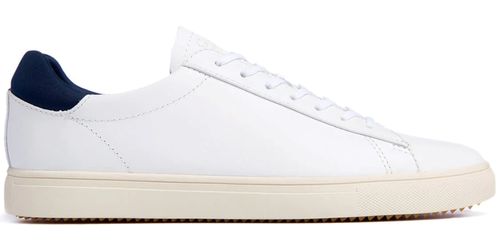
Nike and the Legacy of Innovation
Nike continues to occupy the pole position, acting as the primary barometer for industry trends. Since its founding in 1964 by Bill Bowerman, the company has leveraged its research and development wing to pioneer technologies such as Air cushioning and Flyknit construction. Its catalog is arguably the most significant in the industry, anchored by dynasties like the Air Max, Air Force 1, and the Air Jordan series. Nike’s ability to blend heritage designs with future-facing technology, such as the self-lacing systems introduced in 2016, ensures it remains the most sought-after brand globally.

Adidas and the Scientific Approach
If Nike is the industry’s trendsetter, Adidas operates as its "Q branch." Since 1949, the German sportswear giant has increasingly leaned into scientific advancement. Following the success of the Ultra Boost, which revolutionized performance footwear, the brand has shifted focus toward 3D-printed sole units and sustainable material innovation. While classic silhouettes like the Stan Smith and Superstar remain staples of casual wear, the brand’s R&D efforts in webbed sole technology and lightweight materials demonstrate a commitment to outperforming its competitors through pure engineering.

The Rise of Sustainable and Direct-to-Consumer Brands
A defining characteristic of the 2026 market is the consumer demand for transparency and environmental responsibility. Brands that prioritize these values are not only gaining market share but are also challenging the industry standard for production.
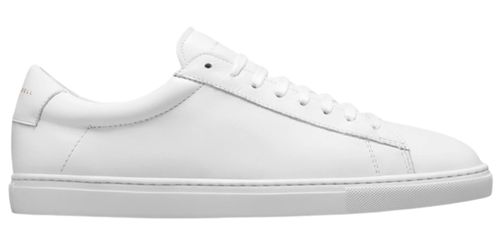
- Loci: This brand is at the forefront of the circular fashion movement. By utilizing recycled ocean plastic sourced from the Mediterranean and African coasts, Loci creates footwear that balances performance with environmental consciousness. Each pair serves as a measurable contribution to waste reduction, proving that high-end aesthetic appeal does not require the sacrifice of ecological ethics.
- Veja: With a business model built on radical transparency, Veja has set a high bar for the industry. By calculating and publishing the carbon footprint of its entire supply chain—from raw material extraction to final shipping—the brand has moved beyond "greenwashing" to provide tangible data to its consumers.
- Cariuma: Founded in 2018, this Brazilian brand has successfully adapted traditional skate shoe aesthetics for a broader, lifestyle-focused audience. Their commitment to sustainable materials and high-durability construction has made them a preferred alternative for consumers looking to move away from mass-market, fast-fashion footwear.
The Luxury Minimalist Movement
Parallel to the performance-driven sector, the luxury market has seen a surge in minimalist design, often characterized by clean lines and premium materials.

- Common Projects: Widely credited with legitimizing the luxury sneaker market, Common Projects introduced the Achilles Low in 2004. The brand changed the perception of the sneaker by treating it with the same artisanal care as a Northampton-made Oxford shoe. Their focus on buttery Italian leather and sleek, unobtrusive silhouettes created a template that has since been emulated by countless luxury labels.
- Axel Arigato: Hailing from Sweden, Axel Arigato has found success by fusing minimalist Scandinavian design with Japanese aesthetic sensibilities. The brand appeals to the modern professional by providing footwear that transitions seamlessly from office settings to evening social environments.
- Oliver Cabell: By leveraging a direct-to-consumer strategy, Oliver Cabell has successfully lowered the barrier to entry for luxury footwear. Their focus on traditional Italian leather-working techniques allows them to offer high-end craftsmanship at a price point that undercuts traditional luxury houses, democratizing access to high-quality design.
The Role of Heritage and Nostalgia
Despite the push toward futuristic designs, there is a persistent market for heritage-driven footwear. Brands like Converse and Reebok rely on the strength of their historical archives to maintain relevance. The Converse Chuck Taylor All Star, largely unchanged since 1917, remains one of the best-selling shoes globally, serving as a blank canvas for diverse subcultures. Similarly, Reebok’s "Classics" line, including the Club C 85, relies on the enduring appeal of 1980s and 90s aesthetic cues, appealing to consumers who value timelessness over rapid technological turnover.

Specialized and Niche Performance
As sneaker culture has permeated all levels of society, specialized brands have seen their products adopted as fashion statements.

- Hoka: Originally a niche brand for ultra-marathon runners, Hoka has achieved mainstream success through its "maximalist" approach to cushioning. The brand’s aesthetic, once considered purely functional, has been embraced by urban fashion circles as a comfort-forward solution for daily life.
- Salomon: Having transitioned from its origins in the French Alps as a ski-boot manufacturer, Salomon has become a staple of the "gorpcore" trend. Their technical trail-running sneakers, such as the XT-6, are now as likely to be found on city streets as they are on mountain trails, highlighting the blurring lines between high-performance gear and streetwear.
Analysis of Market Implications
The current dominance of sneakers in the fashion landscape is not merely a passing trend but a structural change in how men view their wardrobes. The implications are twofold:

- Economic Impact: The secondary market for sneakers—fueled by limited releases and collaborations—has created an entire financial ecosystem. Rare releases are now treated as assets, with platforms like StockX providing a regulated exchange for these goods.
- Corporate Culture: The normalization of the sneaker in the workplace has led to a wider cultural acceptance of casual wear, which in turn has pushed formal brands to rethink their own footwear offerings. The result is a more diverse footwear market where traditional boundaries are increasingly obsolete.
Conclusion
As of 2026, the sneaker industry has reached a state of maturity where diversity is the primary driver of success. Whether a consumer is looking for the cutting-edge performance of an Adidas 3D-printed sole, the sustainable transparency of a Veja or Loci shoe, or the minimalist luxury of a Common Projects trainer, the market offers a solution for every need. The brands that will continue to lead are those that can maintain the delicate balance between historical heritage and the urgent, necessary drive toward a more sustainable and technologically advanced future. The sneaker is no longer just a shoe; it is an essential component of modern identity, and its role as the gold standard of footwear appears secure for the foreseeable future.
