
The landscape of American public health underwent a significant shift throughout 2022, characterized by a renewed federal focus on the intersection of nutrition, systemic food insecurity, and chronic disease management. Central to this shift was the White House Conference on Hunger, Nutrition, and Health, a landmark event held in September 2022 that sought to address the dual crises of diet-related illnesses and persistent food insecurity. By setting an ambitious goal to end hunger and increase physical activity levels by 2030, the administration signaled a departure from siloed health policy toward a more integrated, multi-sector approach.
Historical Context and the 2022 Mandate
The 2022 conference served as the first major federal gathering on these topics since the original 1969 White House Conference on Food, Nutrition, and Health. The 1969 event was instrumental in shaping the modern American food safety net, leading to the creation of the Special Supplemental Nutrition Program for Women, Infants, and Children (WIC), as well as significant reforms to the Food Stamp program, now known as the Supplemental Nutrition Assistance Program (SNAP).
More than five decades later, the necessity for a follow-up became undeniable. Current data from the Centers for Disease Control and Prevention (CDC) indicates that over 40% of the U.S. adult population is obese, and diet-related conditions such as Type 2 diabetes, cardiovascular disease, and hypertension remain leading causes of mortality. The 2022 conference sought to bridge the gap between clinical nutrition advice and the reality of the American food environment, where ultra-processed foods are often more accessible and affordable than fresh produce.
Chronology of the National Strategy
The development of the national strategy followed a rigorous timeline of stakeholder engagement:
- Early 2022: The administration announced the intent to convene a conference, soliciting input from academic institutions, food industry leaders, and public health advocates.
- September 2022: The White House Conference on Hunger, Nutrition, and Health was held in Washington, D.C., resulting in the release of a comprehensive "National Strategy on Hunger, Nutrition, and Health."
- Late 2022: Initial legislative and executive actions were proposed to codify the strategy’s five pillars: Improving Food Access and Affordability, Integrating Nutrition and Health, Empowering Consumers to Make Healthy Choices, Supporting Physical Activity, and Enhancing Nutrition and Food Security Research.
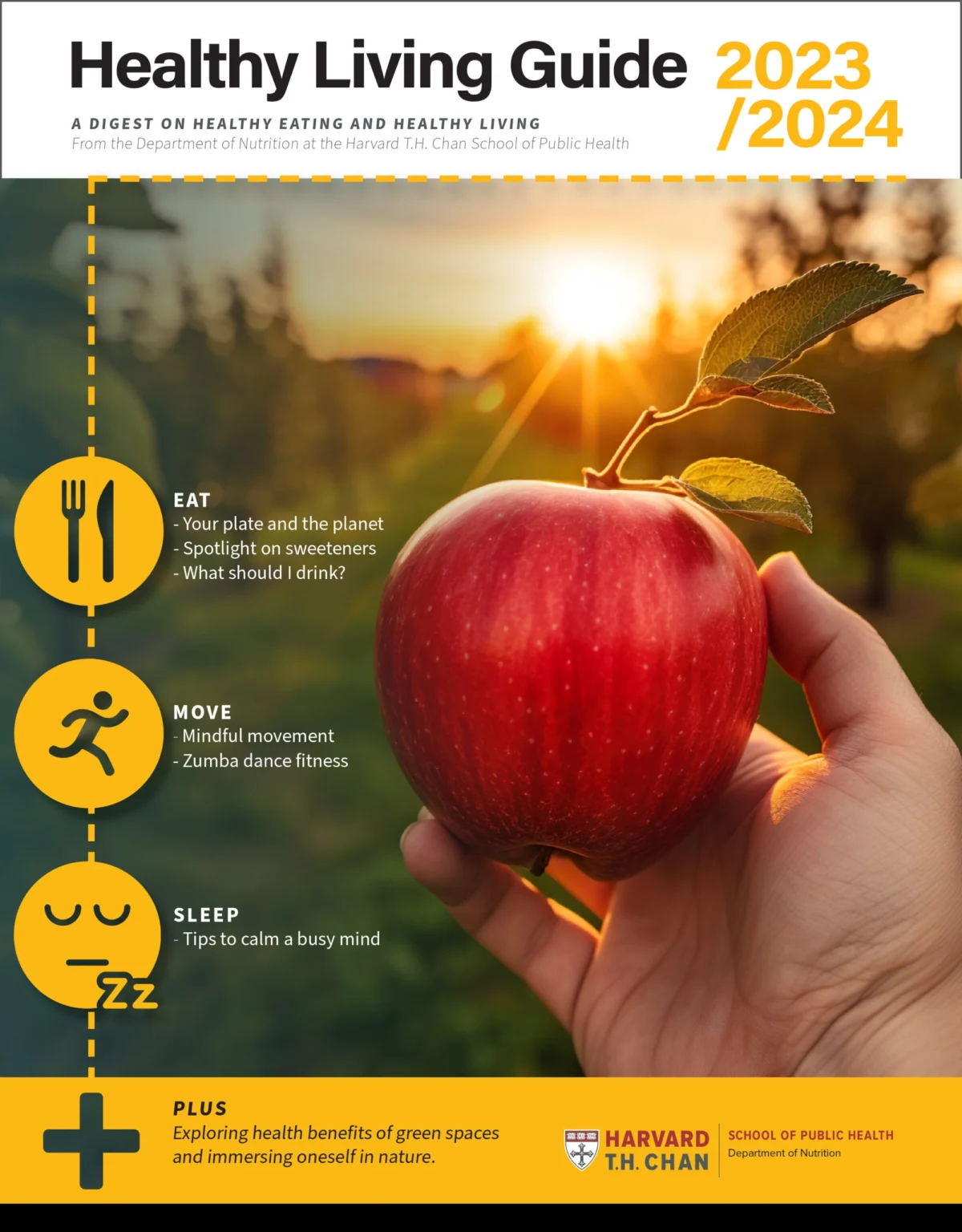
- January 2023: Institutions like the Harvard T.H. Chan School of Public Health released follow-up guidance, such as the Healthy Living Guide, to translate federal policy objectives into actionable steps for the public.
Evaluating the Strategy: Progress and Omissions
The administration’s strategy includes several high-impact proposals, most notably the expansion of nutrition assistance programs and the potential for Medicare and Medicaid to cover "medically tailored meals" for patients with chronic conditions. This represents a paradigm shift in how the healthcare system views nutrition: not as a secondary concern, but as a core component of clinical treatment.
However, the strategy has faced measured criticism from the public health community. Experts, including Drs. Frank Hu, Walter Willett, and Lilian Cheung of the Harvard T.H. Chan School of Public Health, have highlighted critical areas that remain unaddressed. Specifically, the strategy lacks a robust framework for regulating the marketing of unhealthy food products to children—a sector that significantly influences long-term dietary habits. Furthermore, there is a notable lack of aggressive policy aimed at transforming the food system to be climate-resilient.
"To have a significant impact, the administration must bring together the public and private sectors, along with philanthropists, academia, and individuals to develop truly sustainable food systems that support both public and planetary health," the researchers noted. The omission of climate-related food policy is particularly significant given that agricultural practices are both a driver of, and vulnerable to, climate change.
Data-Driven Perspectives on Public Health
Supporting the necessity for these policy shifts is a growing body of longitudinal data. According to the U.S. Department of Agriculture (USDA), approximately 10.2% of American households experienced food insecurity at some point in 2021. When food insecurity is prevalent, the quality of diet typically declines, as households prioritize caloric density over nutrient density to mitigate the rising costs of living.
Furthermore, the economic implications are staggering. A 2022 study published in the journal JAMA Network Open estimated that the cost of diet-related chronic diseases—specifically cardiovascular disease, diabetes, and cancer—amounts to over $1 trillion in annual healthcare expenditures in the United States. By focusing on preventative measures, such as subsidizing fresh produce through programs like the Gus Schumacher Nutrition Incentive Program (GusNIP), the government aims to reduce these long-term fiscal burdens while improving quality of life.
The Role of Private and Public Sector Collaboration
The complexity of the American food system precludes any single entity from solving these issues in isolation. Public health advocates argue that true reform requires a "whole-of-society" approach. This involves:
- Academia: Providing the empirical research necessary to inform evidence-based policy.
- Industry: Reformulating products to reduce sodium, added sugars, and saturated fats, while increasing transparency in supply chains.
- Government: Aligning agricultural subsidies with dietary guidelines to make healthy, nutrient-dense foods more competitively priced.
- Philanthropy: Funding grassroots initiatives that improve food access in "food deserts"—urban and rural areas where access to affordable, nutritious food is limited.
Practical Applications for the Public
While policy debates continue at the federal level, the immediate challenge for individuals is navigating the existing food environment. Resources like the Harvard Healthy Living Guide 2022-2023 serve as a bridge between high-level policy and daily life. These guides emphasize that incremental changes—such as increasing plant-based protein intake, reducing consumption of sugar-sweetened beverages, and prioritizing whole grains—are statistically associated with lower risks of metabolic syndrome.
The guide encourages individuals to view health as a cumulative process. By providing printable tip sheets and actionable summaries, organizations are attempting to demystify nutritional science, which is often clouded by conflicting media reports and marketing trends.
Implications for the Future
The 2030 target set by the White House is aggressive. Achieving it will require sustained political will and a willingness to confront entrenched interests within the food manufacturing and processing sectors. The integration of "food as medicine" into the national healthcare infrastructure is a promising first step, but it must be matched by structural changes that ensure the food supply itself is fundamentally healthier.
The consensus among public health experts is that the 2022 conference was a necessary catalyst, but not the final word. The focus must now turn to implementation and accountability. Without rigorous monitoring of the stated goals, there is a risk that the momentum generated in 2022 will dissipate.
As we move forward, the metric for success will be found in tangible outcomes: a reduction in the prevalence of diet-related chronic disease, an increase in the availability of fresh foods in underserved communities, and a measurable decrease in national food insecurity rates. The challenge remains significant, yet the recognition of nutrition as a national security and public health priority represents a profound shift in the American governance landscape. The ongoing effort to reconcile public health goals with economic and industrial realities will remain a defining feature of the American policy agenda for the remainder of the decade.
