
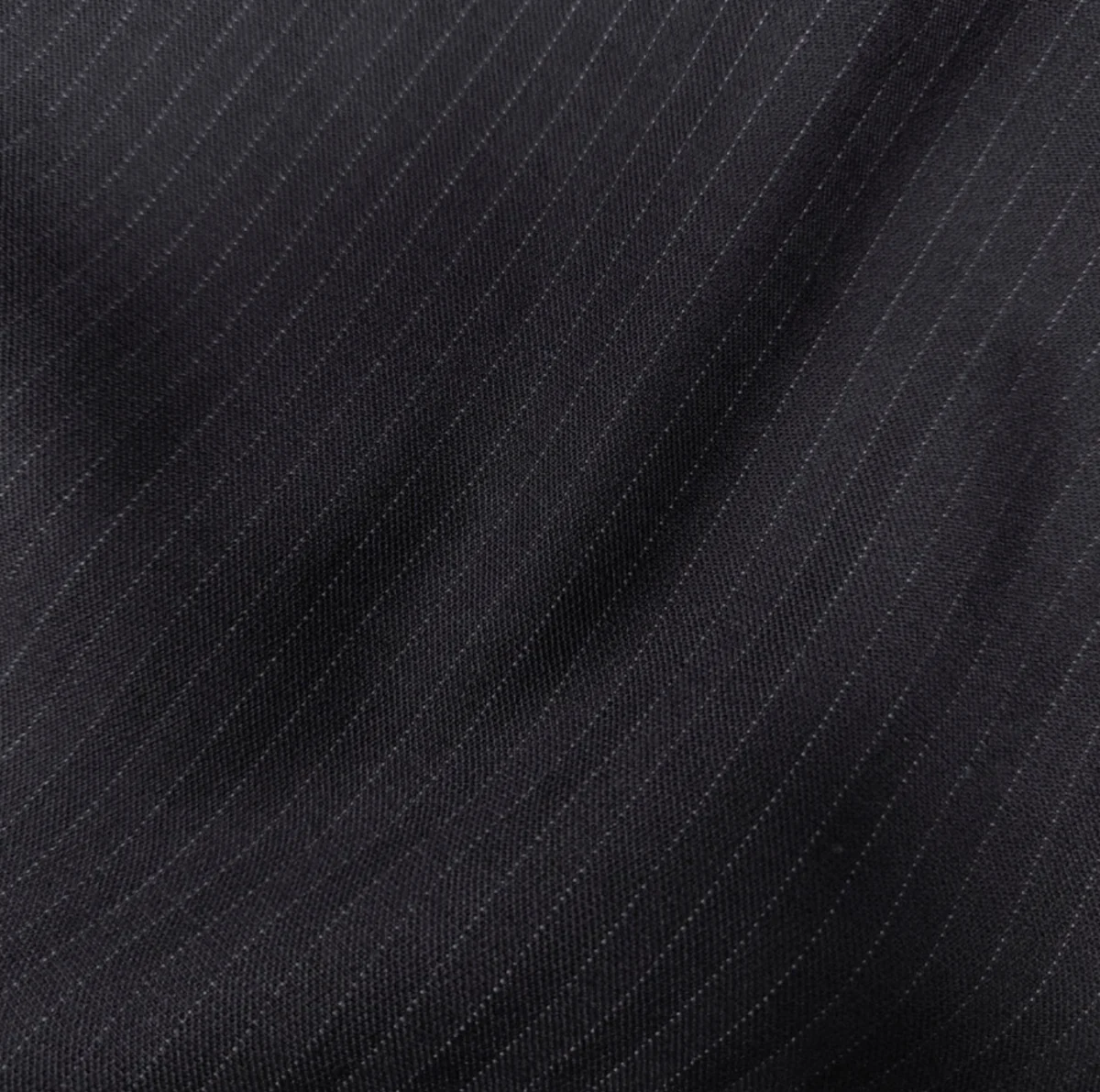
The pinstripe suit has long occupied a polarizing space in the sartorial landscape, oscillating between the height of corporate authority and the archetype of outdated excess. While once a symbol of prestige, the pattern underwent a significant period of obsolescence following the 2008 financial crisis, which recalibrated public perceptions regarding the "power suit." Today, the pinstripe is undergoing a nuanced resurgence, driven by a shift toward relaxed tailoring, hybrid styling, and a departure from the rigid silhouettes that defined the 1980s and 1990s.

Historical Context and Evolution
The origin of the pinstripe is rooted in 19th-century British banking. Contrary to modern perceptions of the pattern as a power statement, its original purpose was identification and modesty. Distinctive stripes allowed banking institutions to distinguish their employees, with variations in line weight and spacing serving as a visual uniform. It was not until the early 20th century, particularly following its adoption by the Chicago Cubs in 1907 and subsequently the New York Yankees, that the pattern began to transcend its professional origins.

By the mid-20th century, the pinstripe had been co-opted by figures operating outside the traditional financial sector. Gangsters and cinematic figures, such as Clark Gable, utilized the bold patterning to cultivate an "outlaw" aesthetic. This subversion of a corporate emblem into a symbol of rebellion created a complex duality that persisted for decades. However, the 1980s marked a pivotal turning point when the style was reclaimed by the finance industry. The era of the "power suit"—characterized by aggressive shoulder pads, double-breasted jackets, and flamboyant accessories—cemented the pinstripe as the unofficial uniform of Wall Street, eventually becoming synonymous with the era’s excesses.
The 2008 Financial Crisis and the Shift in Perception

The global financial crisis of 2008 served as the catalyst for the pinstripe’s rapid decline. As the public grew increasingly wary of the banking sector, the aesthetic markers associated with it—specifically the bold, high-contrast pinstripe suit—became social liabilities. The visual shorthand for "banker" shifted from "successful professional" to "architect of the crisis." Consequently, demand for traditional power tailoring collapsed, forcing menswear designers to re-evaluate how to market the pinstripe to a generation that prioritized transparency and understated luxury over overt displays of status.
In the decade that followed, the industry moved toward deconstruction. Designers began applying pinstripes to casual garments, including knitwear, overcoats, and even technical fabrics. This dilution of the pattern’s formal intensity allowed it to be integrated into broader, more contemporary wardrobes, effectively detaching it from the "Wolf of Wall Street" archetype.

Technical Analysis: Proportions and Visual Impact
The modern viability of a pinstripe suit is largely dictated by fit and proportion. Stylists emphasize that the pattern possesses inherent geometric properties that influence the wearer’s physical appearance. Narrower, tightly packed pinstripes tend to provide a vertical elongation, which can be advantageous for shorter individuals. Conversely, wider-spaced stripes, such as the classic chalkstripe, create a horizontal expansion, adding perceived width to the frame.

A primary reason for the "dated" appearance of many vintage-style suits is the lack of proportion between the stripe and the garment’s construction. If the stripe is too aggressive or the suit’s shoulder structure is overly rigid, the garment can feel like a costume. Current tailoring trends favor the "soft shoulder"—a technique popularized by Italian manufacturers—which reduces the structure of the jacket to allow for a more natural drape. This, combined with the use of lighter, more breathable fabrics like linen or high-twist wools, transforms the suit from a rigid uniform into a versatile item of clothing.
Strategic Styling and Contemporary Applications
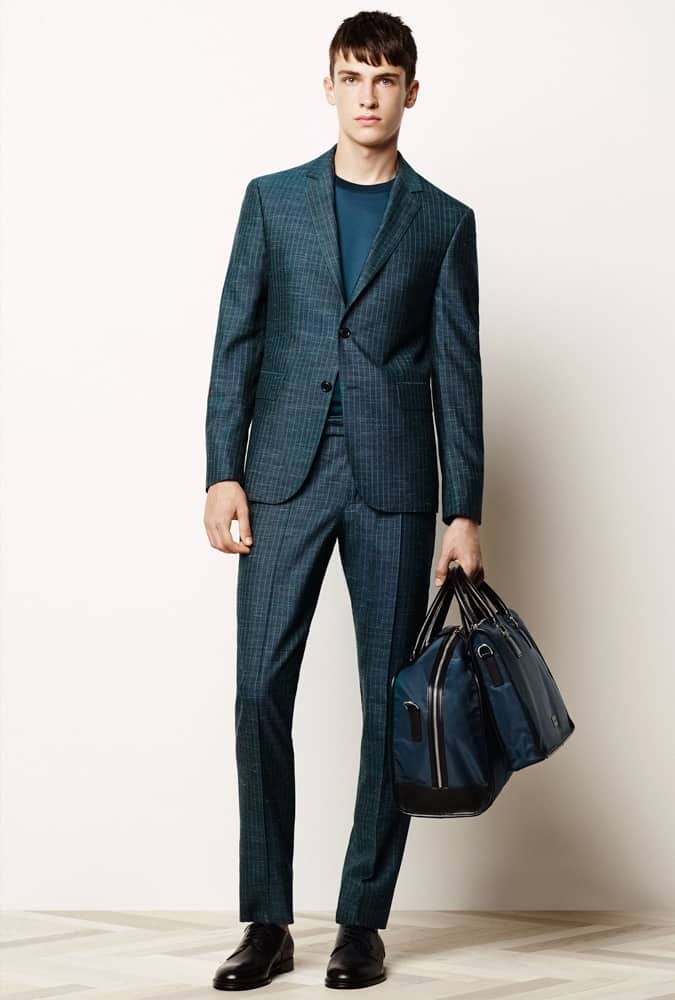
The modern approach to wearing pinstripes centers on the concept of "breaking up" the set. Industry experts suggest that the most effective way to modernize a pinstripe suit is to treat its components as separates. Pairing pinstripe trousers with a solid-colored blazer or a casual knit shirt is now considered a standard practice in business-casual environments. This approach removes the perceived authoritarianism of the full three-piece suit, replacing it with a sense of nonchalance and individual expression.
Furthermore, the integration of footwear has evolved significantly. The traditional black Oxford, once the mandatory accompaniment to a pinstripe suit, is now frequently replaced by loafers, monk straps, or in more avant-garde settings, high-end trainers. This juxtaposition of formal tailoring with casual footwear signals an awareness of contemporary fashion codes, moving the wearer away from the stagnant "City boy" aesthetic.

Market Analysis: Brand Innovation
Several key brands have been instrumental in rebranding the pinstripe. Italian labels such as Lardini have prioritized the use of unstructured fabrics, effectively creating blazers that function with the ease of cardigans. These garments utilize subtle, tonal stripes that provide depth without the harsh contrast of traditional corporate attire.

Conversely, brands like Suitsupply have experimented with the materiality of the fabric, introducing alpaca, cashmere, and linen blends. These textures provide a tactile dimension that is absent in the standard synthetic-heavy suits of the 1980s. Even more traditional retailers, such as Brooks Brothers, have adapted by offering seersucker and other lighter, warm-weather pinstripes, signaling an effort to maintain the pattern’s heritage while expanding its seasonal utility.
Implications for the Modern Wardrobe

The longevity of the pinstripe suit in the current market suggests that it is no longer a trend, but a foundational element of menswear that requires careful handling. The primary lesson for the modern consumer is one of restraint. As fashion cycles continue to move away from overt branding and status symbols, the pinstripe has found a new home as an exercise in subtlety.
The "hostile takeover" of the pattern by avant-garde designers—who have experimented with distorted, zebra-like, or metallic-yarn stripes—further proves that the pattern is no longer tied to a specific professional outcome. While these extreme variations may not be appropriate for conservative office settings, they highlight the pattern’s versatility.
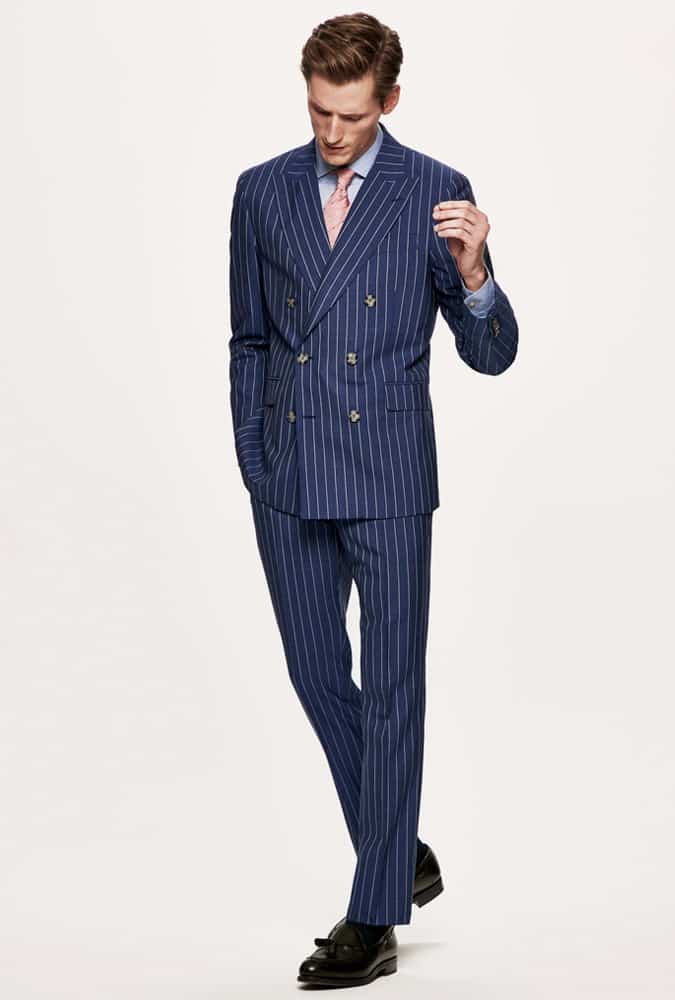
In conclusion, the pinstripe suit remains a staple for those who understand the balance between classicism and modernity. By avoiding the pitfalls of rigid construction, excessive accessorizing, and the "power suit" silhouette, the contemporary wearer can successfully leverage the pinstripe’s ability to define a silhouette. As long as the fit remains precise and the styling remains intentional, the pinstripe will continue to serve as a relevant, sophisticated option in the evolving landscape of men’s fashion.
