
Polycystic Ovary Syndrome (PCOS) affects an estimated 8 to 13 percent of reproductive-aged women globally, representing one of the most common endocrine disorders among females. Characterized by hormonal imbalances, metabolic dysfunction, and ovulatory dysfunction, PCOS often presents significant clinical management challenges. In recent years, healthcare practitioners and researchers have increasingly focused on dietary interventions as a primary or adjunctive treatment. Among these, the ketogenic—or "keto"—diet has emerged as a subject of considerable interest within the medical and nutritional communities due to its profound impact on insulin dynamics.
The ketogenic diet, a high-fat, moderate-protein, and severely restricted-carbohydrate nutritional protocol, has a historical precedent spanning nearly a century, originally developed to treat pediatric epilepsy. However, its modern iteration as a metabolic tool intersects directly with the pathophysiology of PCOS, particularly hyperinsulinemia. Clinical observations from specialized care programs and independent patient reports have renewed scholarly debate regarding the efficacy, sustainability, and physiological trade-offs of implementing a ketogenic lifestyle for patients struggling with the metabolic burdens of PCOS.
Pathophysiological Framework: Insulin Resistance and Hormonal Disruption
To understand the theoretical foundation of the ketogenic diet in PCOS management, one must examine the central role of insulin in the syndrome’s progression. A significant percentage of women with PCOS exhibit peripheral insulin resistance, forcing the pancreas to secrete higher volumes of insulin to maintain normal blood glucose levels.
This chronic hyperinsulinemia has a direct, deleterious effect on the ovaries. Elevated circulating insulin levels stimulate the ovarian theca cells to synthesize and secrete excessive amounts of androgens, primarily testosterone. These elevated androgen levels are responsible for the hallmark clinical manifestations of PCOS, including hirsutism, acne, alopecia, and ovulatory irregularities. Furthermore, insulin resistance significantly impairs hepatic production of insulin-like growth factor-1 binding protein (IGF-1 BP), leading to elevated free IGF-1 levels, which exacerbate inflammatory skin conditions such as acne.
By drastically curtailing dietary carbohydrate intake—typically lowering it to between 20 and 50 grams per day—the ketogenic diet fundamentally alters human energy metabolism. Deprived of exogenous glucose, the body shifts from carbohydrate oxidation to the utilization of fatty acids and ketone bodies for cellular energy. This metabolic shift, known as nutritional ketosis, dramatically reduces the physiological demand for insulin. Consequently, lowering circulating insulin levels curtails ovarian androgen production, offering a direct mechanism for mitigating the root endocrine drivers of PCOS.
Comparative Analysis of Metabolic Benefits

Clinical literature highlights several systemic advantages associated with sustained nutritional ketosis in populations with metabolic and endocrine disorders. When evaluated through the lens of PCOS management, these benefits span hormonal regulation, weight management, and cardiovascular health.
Weight Loss and Adipose Tissue Mobilization
Weight management is notoriously difficult for women with PCOS due to underlying metabolic suppression. Dr. Jason Fung, a prominent nephrologist and author specializing in metabolic health, characterizes the human energy storage system using a domestic analogy: dietary carbohydrates represent the household refrigerator, providing easily accessible, immediate energy, while adipose tissue functions as the basement freezer, containing long-term energy stores.
In a standard high-carbohydrate diet, the "refrigerator" is perpetually restocked, preventing the body from accessing the "freezer" of stored fat. A ketogenic diet—alongside complementary practices like intermittent fasting—depletes glycogen stores, compelling the metabolic machinery to unlock adipose tissue for fuel. Studies indicate that ketogenic protocols facilitate significant reductions in body weight and visceral adiposity, which independently improves insulin sensitivity.
Appetite Regulation and Satiety
Glycemic volatility is a primary driver of hyperphagia and intense dietary cravings. Consumption of high-glycemic carbohydrates triggers rapid spikes in blood glucose followed by reactive hypoglycemia, prompting neuroendocrine signals that demand immediate caloric replenishment. By maintaining stable blood glucose and insulin levels, the ketogenic diet dampens these cyclical cravings. Furthermore, diets rich in high-quality fats stimulate the release of satiety hormones, assisting patients in natural caloric reduction without the psychological strain of restrictive deprivation.

Endocrine and Cardiovascular Outcomes
Empirical research evaluating low-carbohydrate, high-fat (LCHF) interventions in women with PCOS demonstrates measurable improvements in biochemical profiles. Clinical trials tracking patients over a six-month period have documented significant reductions in fasting insulin, free testosterone, and luteinizing hormone-to-follicle-stimulating hormone (LH/FSH) ratios, alongside substantial weight reduction averaging approximately 12 percent of initial body weight.
Additionally, because patients with PCOS face an elevated baseline risk of cardiovascular disease later in life, lipid management is paramount. Clinical data suggests that well-formulated ketogenic diets can improve cardiovascular markers by reducing small, dense low-density lipoprotein (LDL) particles and triglycerides while simultaneously elevating high-density lipoprotein (HDL) cholesterol.
Clinical Contraindications and Adverse Effects
Despite its metabolic utility, the ketogenic diet is not universally appropriate and presents several clinical challenges that warrant careful consideration by healthcare providers and patients alike.

Sustainability and Dietary Restrictiveness
The primary limitation of the ketogenic diet lies in its long-term adherence rates. The strict elimination of entire food groups—including grains, legumes, starchy vegetables, and most fruits—imposes a psychological and social burden that many individuals find unsustainable over years or decades. Medical consensus generally emphasizes that effective chronic disease management requires nutritional paradigms that can be maintained indefinitely as a lifestyle rather than applied as a temporary intervention.
Initial Physiological Adaptations: The "Keto Flu"
During the transitional phase of carbohydrate withdrawal—typically spanning the first one to two weeks—patients frequently report a constellation of symptoms colloquially termed the "keto flu." Characterized by lethargy, headaches, irritability, nausea, and muscular discomfort, this phenomenon occurs as the body undergoes metabolic clearance and renal sodium excretion accelerates. While these symptoms are generally transient and resolve once metabolic flexibility is established, they can lead to premature discontinuation of the diet.
Gastrointestinal Considerations
The drastic reduction in dietary fiber resulting from the exclusion of whole grains, legumes, and certain fruits frequently precipitates acute or chronic constipation. Clinical management of this side effect requires deliberate supplementation with non-starchy, fibrous vegetables and leafy greens, alongside adequate hydration and electrolyte management.
Thyroid Function and Hypothyroidism Risks
A critical intersection exists between carbohydrate restriction, insulin signaling, and thyroid endocrinology. Insulin plays a permissive role in the peripheral conversion of inactive thyroxine (T4) to active triiodothyronine (T3). For patients presenting with concurrent subclinical hypothyroidism or Hashimoto’s thyroiditis—conditions diagnosed at elevated rates among women with PCOS—severe carbohydrate and insulin restriction can downregulate thyroid function. Clinical observations suggest that individuals with compromised thyroid status often achieve better outcomes utilizing moderate-carbohydrate, low-glycemic nutritional frameworks rather than strict ketogenic protocols.

Practical Implementation and Clinical Protocols
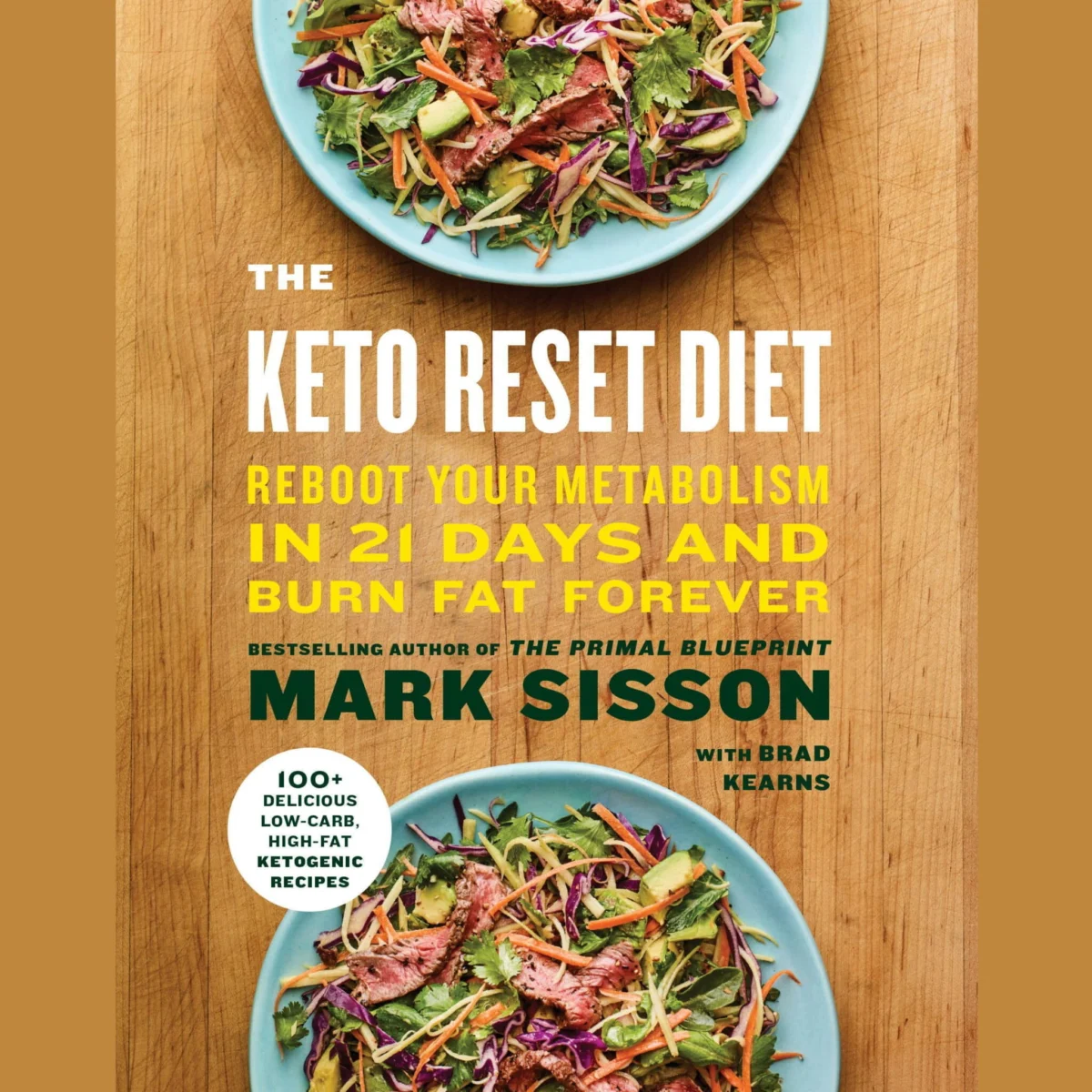
For clinicians and patients electing to explore a ketogenic intervention, a graduated approach is widely recommended over abrupt dietary transformation. Authors and metabolic health experts, such as Mark Sisson in The Keto Reset Diet, advocate for a phased transition. This methodology involves an initial multi-week preparation phase centered on nutrient-dense, whole-food consumption with moderately reduced carbohydrate intake, allowing metabolic pathways to adapt before deeper ketosis is induced.
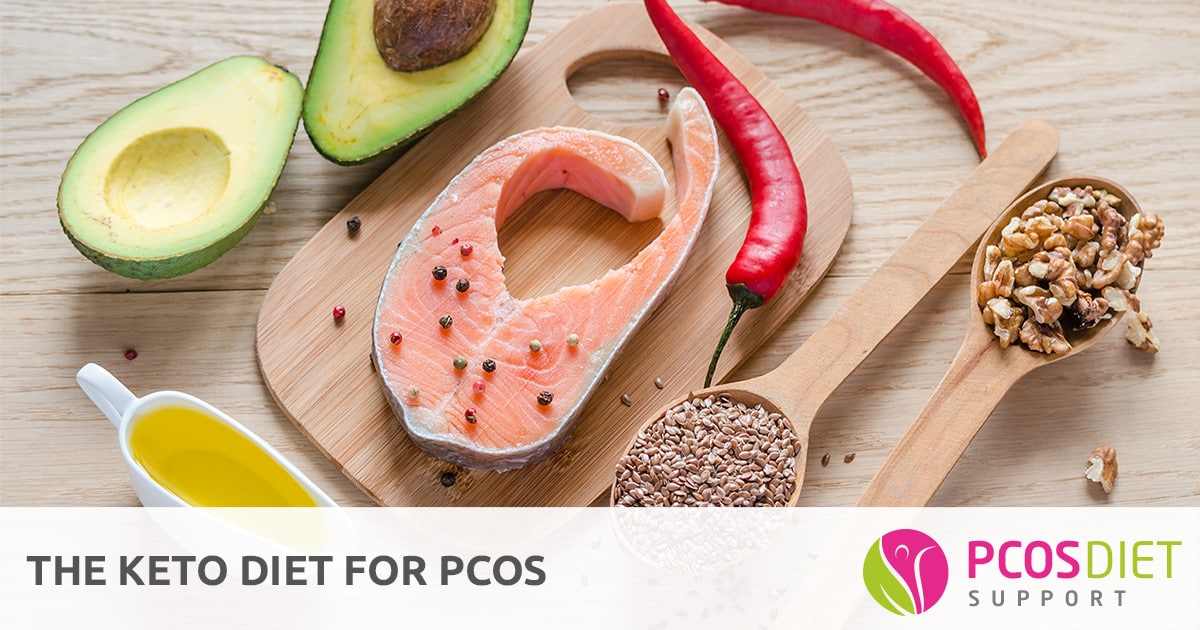
Nutritionists emphasize that the source and quality of dietary fats are paramount. Emphasizing monounsaturated and polyunsaturated fats—such as olive oil, avocados, nuts, seeds, and fatty fish—while minimizing inflammatory trans fats and excessive saturated animal fats ensures that cardiovascular health is protected throughout the intervention. Furthermore, dairy exclusion is frequently recommended within specialized PCOS protocols due to the insulinotropic properties of certain dairy proteins, which can independently exacerbate acne and hormonal dysregulation.
Broader Implications for PCOS Care

Ultimately, clinical authorities stress that the ketogenic diet is a specialized therapeutic tool rather than a mandatory prerequisite for managing PCOS. Thousands of patients achieve robust clinical remission of symptoms and metabolic stabilization through less restrictive, sustainable whole-food diets—such as low-glycemic index, Mediterranean, or tailored elimination protocols—combined with regular physical activity and targeted pharmacotherapy or supplementation.
The utility of the ketogenic diet is best understood as an acute metabolic reset mechanism. For patients experiencing severe metabolic plateaus, intractable hyperinsulinemia, or acute endocrine dysregulation, a supervised period of nutritional ketosis can break through physiological stalls. However, because PCOS is a lifelong condition, any chosen nutritional strategy must ultimately transition into a balanced, personalized, and sustainable lifelong framework. Patients considering this dietary shift are strongly advised to consult with endocrinologists, registered dieticians, or specialized healthcare providers to monitor biochemical markers, assess thyroid function, and ensure comprehensive clinical oversight.
