

Polycystic Ovary Syndrome (PCOS) stands as one of the most prevalent endocrine and metabolic disorders affecting individuals of reproductive age, impacting an estimated 6% to 13% of women worldwide. Characterized by a complex interplay of hormonal imbalances, chronic low-grade inflammation, and metabolic dysfunctions such as insulin resistance, the condition frequently leads to severe downstream health complications. These include type 2 diabetes mellitus, cardiovascular disease, non-alcoholic fatty liver disease (NAFLD), and reproductive challenges like anovulatory infertility. While conventional medical management often involves pharmacotherapy—ranging from oral contraceptives and anti-androgens to insulin-sensitizing agents like Metformin—the medical community increasingly emphasizes the critical role of targeted nutritional interventions. Among these, the traditional Mediterranean diet has emerged as a subject of significant clinical interest. Recent inquiries within patient advocacy groups, such as PCOS Foodies, highlight a growing demand for evidence-based insights into how this plant-forward dietary pattern might alleviate the chronic symptoms and physiological burdens associated with the syndrome.
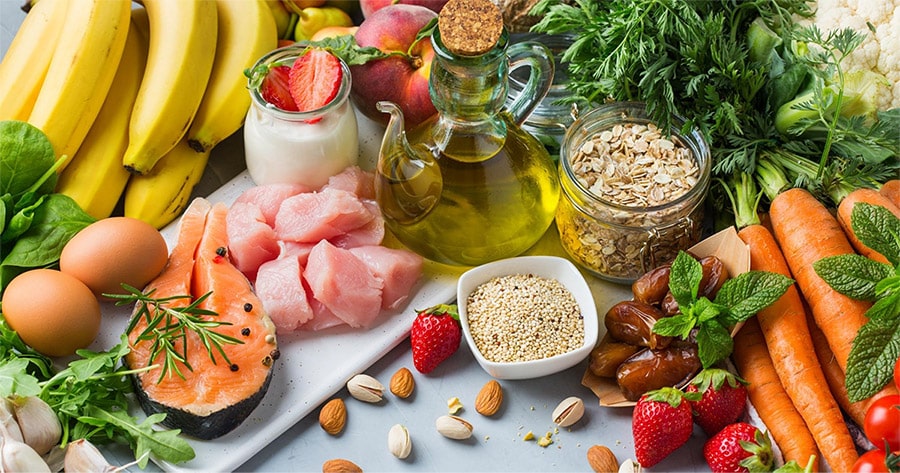
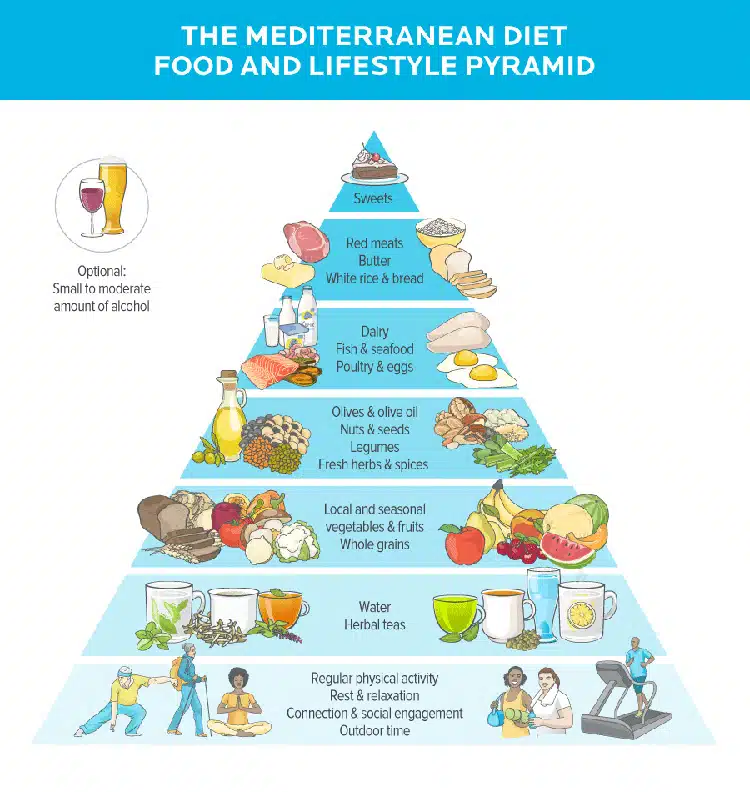
The traditional Mediterranean diet is defined by a high consumption of fresh fruits, vegetables, whole grains, legumes, nuts, seeds, and extra virgin olive oil as the primary source of dietary fat. It incorporates moderate amounts of fish, poultry, eggs, and dairy products, while strictly limiting red meat, highly processed foods, and refined sugars. Unlike standard Western dietary patterns, which are typically high in saturated fats, trans fats, and simple carbohydrates, the Mediterranean model prioritizes nutrient-dense, whole foods rich in antioxidants and monounsaturated fatty acids. Although empirical research specifically evaluating the Mediterranean diet within PCOS cohorts has historically been limited, a growing body of parallel clinical data underscores its profound capacity to modulate systemic inflammation, enhance glycemic control, optimize gut microbiota composition, and improve reproductive outcomes.
At the core of PCOS pathophysiology is chronic low-grade systemic inflammation, a persistent immune response that exacerbates insulin resistance and impairs ovarian function. Clinical studies demonstrate that the bioactive compounds found in a Mediterranean diet—particularly polyphenols, carotenoids, and omega-3 fatty acids—exert powerful anti-inflammatory effects. By downregulating pro-inflammatory cytokines, this dietary pattern helps interrupt the vicious cycle wherein inflammation worsens insulin resistance, which in turn stimulates ovarian androgen production. Elevated testosterone levels are responsible for many of the distressing dermatological and aesthetic symptoms of PCOS, including inflammatory acne, hirsutism, and male-pattern hair loss. Emerging dermatological and endocrinological research indicates that strict adherence to a Mediterranean-style diet correlates with lower circulating free testosterone levels, offering a natural pathway to mitigating these physical manifestations.
Furthermore, insulin resistance affects an estimated 50% to 70% of women diagnosed with PCOS, significantly elevating their lifetime risk for impaired glucose tolerance and type 2 diabetes. Clinical trials investigating Mediterranean-style nutrition have consistently shown improvements in fasting blood glucose levels, glycated hemoglobin (HbA1c), and peripheral insulin sensitivity. By emphasizing low-glycemic-index carbohydrates, viscous dietary fibers, and healthy lipids, the diet prevents the sharp postprandial glucose spikes that trigger excessive pancreatic insulin secretion. This metabolic stabilization mirrors the biochemical mechanisms achieved through pharmaceutical interventions like Metformin or nutritional supplements such as myo-inositol and D-chiro-inositol, making dietary modification a foundational pillar of long-term metabolic health management.
Beyond glycemic control and endocrine regulation, reproductive endocrinologists have increasingly turned their attention to the profound impact of nutrition on fertility and assisted reproductive technology (ART) success rates. PCOS remains a leading cause of female infertility due to irregular ovulation and diminished oocyte quality. Landmark studies published in reproductive medicine literature, including investigations from the Human Reproduction journal, have evaluated the correlation between dietary patterns and pregnancy outcomes among women undergoing in vitro fertilization (IVF). Findings indicate that women with high adherence to a Mediterranean-style diet—characterized by generous intakes of fresh produce, legumes, fish, and olive oil, alongside minimal red meat consumption—achieve a markedly higher probability of clinical pregnancy and live birth. Specifically, data suggests that compliant cohorts experience up to a 65% to 68% greater likelihood of successful reproductive outcomes compared to those adhering poorly to these dietary principles. Additionally, parallel studies note improvements in paternal semen quality associated with this nutritional framework, highlighting its utility as a dual-partner strategy for couples attempting to conceive.
The physiological benefits of the Mediterranean diet extend further into gastrointestinal and hepatic health, both of which are frequently compromised in women with PCOS. Clinical evaluations reveal that patients with PCOS often exhibit reduced gut microbiome diversity compared to healthy controls, a dysbiosis closely linked to systemic inflammation, metabolic dysfunction, and weight retention. The high prebiotic fiber content inherent in Mediterranean nutritional patterns actively nourishes beneficial gut bacteria, promoting short-chain fatty acid production that strengthens intestinal barrier integrity and dampens systemic inflammation. Moreover, individuals with PCOS face an elevated susceptibility to non-alcoholic fatty liver disease (NAFLD). Clinical trials evaluating 12-month interventions of Mediterranean dietary adherence demonstrate significant reductions in intrahepatic lipid accumulation and improvements in hepatic insulin sensitivity, independent of total weight loss.
When evaluating the broader epidemiological and systemic implications, the adoption of a Mediterranean lifestyle offers profound protective effects against cardiovascular disease—a critical consideration given that approximately one-third of women with PCOS ultimately meet the criteria for metabolic syndrome. The high ratio of monounsaturated to saturated fats, combined with abundant dietary potassium and antioxidants, supports healthy endothelial function, blood pressure regulation, and favorable lipid profiles. Longitudinal epidemiological reviews confirm that long-term adherence to this dietary paradigm supports sustainable weight management, reduces the incidence of obesity-related comorbidities, and exhibits chemoprotective properties against chronic malignancies such as breast cancer.
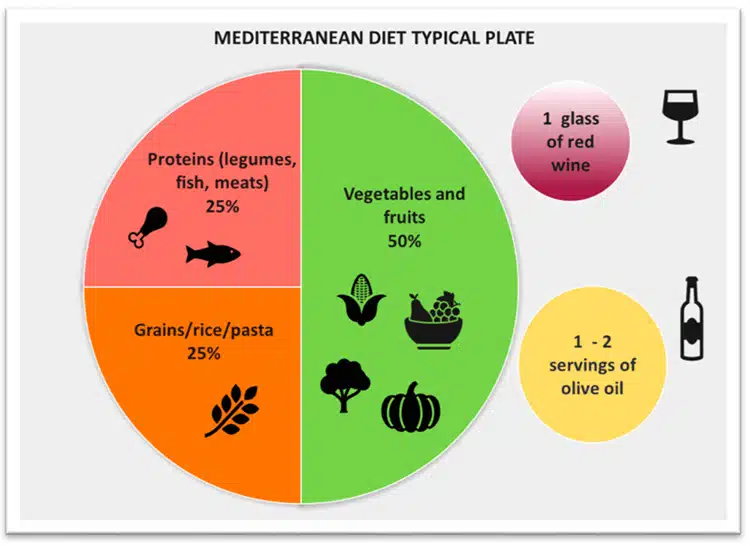
Transitioning from a conventional Western diet to a Mediterranean framework requires a strategic, gradual approach to ensure long-term dietary compliance. Healthcare professionals advise against abrupt, overly restrictive caloric deficits, which can elevate cortisol levels and exacerbate hormonal dysregulation. Instead, patients are encouraged to build meals around a foundation of non-starchy vegetables, high-quality proteins such as wild-caught fish and legumes, and therapeutic fats derived from extra virgin olive oil, avocados, and raw nuts. Whole grains like quinoa, farro, and brown rice should replace refined white flour products, while red meat is repositioned as an occasional dietary element rather than a daily staple.
Incorporating the broader lifestyle tenets of the Mediterranean region can further optimize health outcomes for individuals managing PCOS. Behavioral modifications, such as eating slowly and mindfully, enhance satiety signaling and improve digestive efficiency, addressing the common clinical complaint of dysregulated hunger cues often observed in metabolic disorders. Furthermore, prioritizing locally sourced, seasonal whole foods minimizes exposure to chemical additives and heavily processed ingredients, fostering a sustainable relationship with nutrition that supports both metabolic resilience and hormonal harmony. While clinical research specific to PCOS continues to evolve, the converging evidence from endocrinology, gastroenterology, and reproductive medicine underscores the Mediterranean diet as a robust, evidence-based cornerstone for comprehensive PCOS management.
