
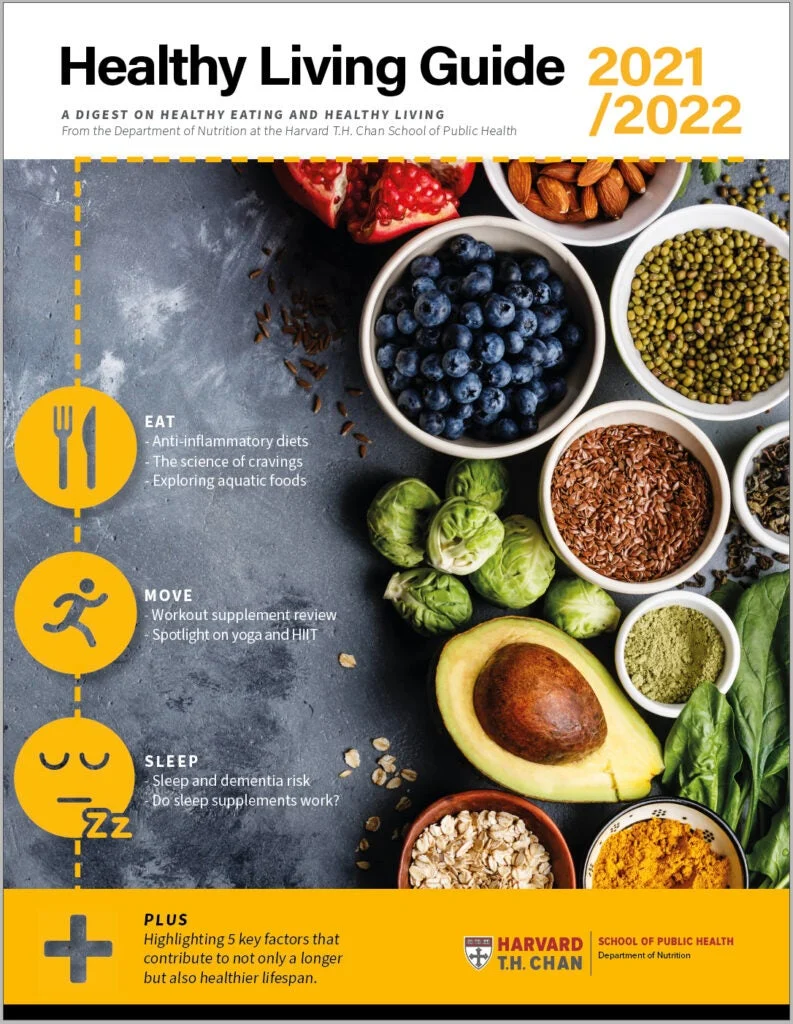
The global landscape of health and nutrition has undergone a profound transformation since the onset of the COVID-19 pandemic in early 2020. As populations move further into the post-acute phase of the global health crisis, the intersection of lifestyle choices, food security, and long-term wellness has become a focal point for public health researchers. Harvard T.H. Chan School of Public Health, through its latest publication, has sought to synthesize these shifting trends into a cohesive framework, offering a roadmap for individuals aiming to maintain vitality amidst ongoing environmental uncertainty. This transition from the reactive behaviors of 2020 to the more complex, hybrid lifestyle patterns of 2021 and beyond necessitates a rigorous examination of how dietary habits, physical activity, and sleep hygiene are evolving in the modern era.
A Chronology of Behavioral Shifts: From 2020 to 2022
The trajectory of consumer behavior during the pandemic can be segmented into distinct phases. During the initial lockdowns of early 2020, public health mandates led to a forced restructuring of daily routines. With restaurants shuttered and grocery store access occasionally restricted, a significant portion of the population transitioned to home-based cooking and, concurrently, an increase in sedentary snacking.
By the end of 2020, data indicated that approximately 32% of Americans reported an increase in snacking, while 20% noted an increase in overall caloric consumption. This period was marked by high levels of stress-induced eating and a reliance on shelf-stable, processed foods. However, as vaccination rollouts began in early 2021 and societal restrictions eased, the data began to reflect a normalization period. The 2021 International Food Information Council (IFIC) survey highlighted a regression of these habits: only 18% of respondents reported increased snacking, and 11% reported increased general eating.
Simultaneously, the "new normal" introduced a paradox. While the excessive snacking of 2020 waned, the enthusiasm for home cooking—which had peaked at 60% of consumers in 2020—declined to 47% in 2021 as individuals returned to professional workplaces and social obligations. This downward trend suggests that while many consumers desired a return to pre-pandemic normality, they also struggled to maintain the positive health-oriented habits formed during the crisis, such as intentional home meal preparation.
Supporting Data and Nutrition Metrics
The implications of these fluctuations extend beyond mere statistics. Public health experts have long argued that the quality of home-prepared meals is significantly higher in nutrient density compared to the average restaurant meal, which is often laden with excessive sodium, refined carbohydrates, and saturated fats.
When comparing the 2020 and 2021 datasets, researchers observed a clear correlation between the return to "pre-pandemic" social life and the erosion of health-conscious behaviors. The decline in home cooking is particularly concerning for long-term chronic disease management. Research from the Harvard T.H. Chan School of Public Health indicates that the sustained consumption of ultra-processed foods—a common consequence of reduced home cooking—is linked to higher risks of cardiovascular disease, type 2 diabetes, and obesity.
Furthermore, the 2021 findings underscored a persistent gap in food security. While many Americans shifted their focus to health optimization, a significant demographic struggled with basic nutritional access. The pandemic exacerbated existing disparities, with lower-income households facing both the economic impact of inflation and the supply chain disruptions that characterized the mid-2021 period. This disparity highlights the necessity of a health equity approach when discussing "healthy living," as the ability to choose nutrient-dense foods is often contingent upon both economic stability and geographic access to fresh produce.
Global Health Context and Vaccine Equity
While the internal habits of developed nations like the United States have been the focus of many consumer surveys, the broader context of the pandemic remains rooted in global health security. The emergence of variants—such as Delta and Omicron—during late 2021 acted as a sobering reminder that the individual pursuit of wellness is inextricably linked to collective health outcomes.
The World Health Organization (WHO) has repeatedly emphasized that the lack of equitable vaccine distribution in low- and lower-middle-income countries serves as a breeding ground for viral mutations. This global context is critical to the narrative of healthy living: true wellness cannot be achieved in isolation. The continued emphasis on vaccination is not merely a clinical recommendation but a fundamental pillar of public health that allows for the stabilization of economies and the eventual return to a more predictable social environment. As long as the virus continues to circulate in unvaccinated populations globally, the threat of recurring lockdowns and social instability remains, creating a cycle of stress that disrupts sleep, physical activity, and dietary routines for the global population.
The Pillars of Sustained Wellness: A 2022 Framework
In response to these challenges, the Healthy Living Guide for 2021–2022 focuses on three core tenets: eating well, active engagement, and restorative sleep. These pillars are designed to be actionable, regardless of the fluctuating external environment.
1. Nutritional Resilience
The guide advocates for a return to whole-food-based nutrition. By emphasizing plant-based proteins, whole grains, and healthy fats, individuals can mitigate the metabolic damage often associated with high-stress periods. The goal is to move away from the "all-or-nothing" mentality that plagued many during 2020 and toward a sustainable, consistent dietary pattern that accommodates the return to a busier, hybrid work-life schedule.
2. Physical Activity as a Stress Regulator
Physical inactivity was a major secondary health crisis of the pandemic. With gym closures and the loss of natural movement (such as commuting), many individuals experienced a decline in musculoskeletal health. The current recommendations prioritize consistent, moderate-intensity physical activity. Research indicates that even 30 minutes of daily brisk movement can significantly improve insulin sensitivity and cortisol regulation, providing a biological buffer against the lingering stressors of the pandemic era.
3. The Role of Sleep Hygiene
Sleep, often the first habit to be sacrificed during times of societal upheaval, is highlighted as a critical component of immune function. The 2022 guidelines provide strategies for improving sleep architecture, including the limitation of blue light exposure before bed and the establishment of rigid circadian rhythms, which are essential for cognitive function and emotional regulation.
Implications for Public Health Policy
The data provided by organizations like the Harvard T.H. Chan School of Public Health serve a dual purpose: they inform the individual and guide public policy. The clear message from the 2021–2022 shift is that while the public is eager to return to normalcy, the lessons of the pandemic must not be discarded.
The decline in home cooking and the potential for increased reliance on convenient, processed foods suggest that public health messaging needs to pivot toward "convenient, healthy" options. Providing resources that reduce the friction of healthy eating—such as meal planning guides, healthy pantry staples lists, and time-efficient cooking techniques—could bridge the gap for those struggling to maintain healthy habits.
Moreover, the ongoing disparity in food security necessitates a policy-level response. Improving access to fresh food in urban and rural "food deserts" remains a prerequisite for any meaningful improvement in the nation’s health metrics. The intersection of economic policy and nutrition is no longer a peripheral issue; it is a central concern for the stability of the healthcare system.
Conclusion: Toward a Fulfilling 2022
As the world continues to navigate the complexities of a post-pandemic society, the path forward is marked by both resilience and intentionality. The "new normal" should not be defined by a return to the unsustainable habits of the pre-2020 era, but rather by the integration of the positive lessons learned during the period of reflection and adjustment.
By leveraging scientific research, prioritizing consistent healthy behaviors, and advocating for equitable health access, individuals and communities can better prepare for future challenges. The Healthy Living Guide functions as an essential instrument in this endeavor, providing the necessary data and actionable steps to foster a more resilient, healthier population. Ultimately, the goal is to move past the state of constant adaptation and into a period of proactive, informed, and sustained wellness. As individuals look to implement these strategies, the emphasis remains on the fact that every small, consistent choice—from a single home-cooked meal to an additional 15 minutes of movement—contributes to the long-term stabilization of individual and public health.
