
Polycystic Ovary Syndrome (PCOS) affects an estimated 8 to 13 percent of reproductive-aged women globally, representing one of the most common endocrine disorders among females. Characterized by hormonal imbalances, metabolic dysfunction, and ovulatory dysfunction, PCOS often presents significant management challenges for clinicians and patients alike. In recent years, therapeutic dietary interventions have taken center stage in mitigating symptoms, with particular attention directed toward low-carbohydrate and ketogenic dietary regimens. While clinical investigations suggest that lowering carbohydrate intake can profoundly influence insulin dynamics and androgen profiles, healthcare professionals continue to debate the long-term sustainability and universal appropriateness of strict ketogenic protocols for this patient demographic.
Endocrine Mechanisms and the Insulin-PCOS Connection
To understand the intersection of a ketogenic diet and PCOS, one must first examine the foundational pathology of the syndrome. A substantial proportion of women with PCOS exhibit insulin resistance, a physiological state wherein the body’s cells fail to respond effectively to the hormone insulin. In response, the pancreas secretes higher quantities of insulin to maintain glucose homeostasis, leading to hyperinsulinemia.
Elevated circulating insulin levels directly impact ovarian function. Excess insulin stimulates the theca cells within the ovaries to overproduce testosterone and other androgens. This hormonal cascade exacerbates classic PCOS symptoms, including hirsutism, acne, irregular menstrual cycles, and anovulation. Furthermore, high insulin suppresses the hepatic synthesis of insulin-like growth factor-1 binding protein (IGF-1BP), increasing bioavailability of free IGF-1, which heavily contributes to inflammatory dermatological manifestations such as severe acne.
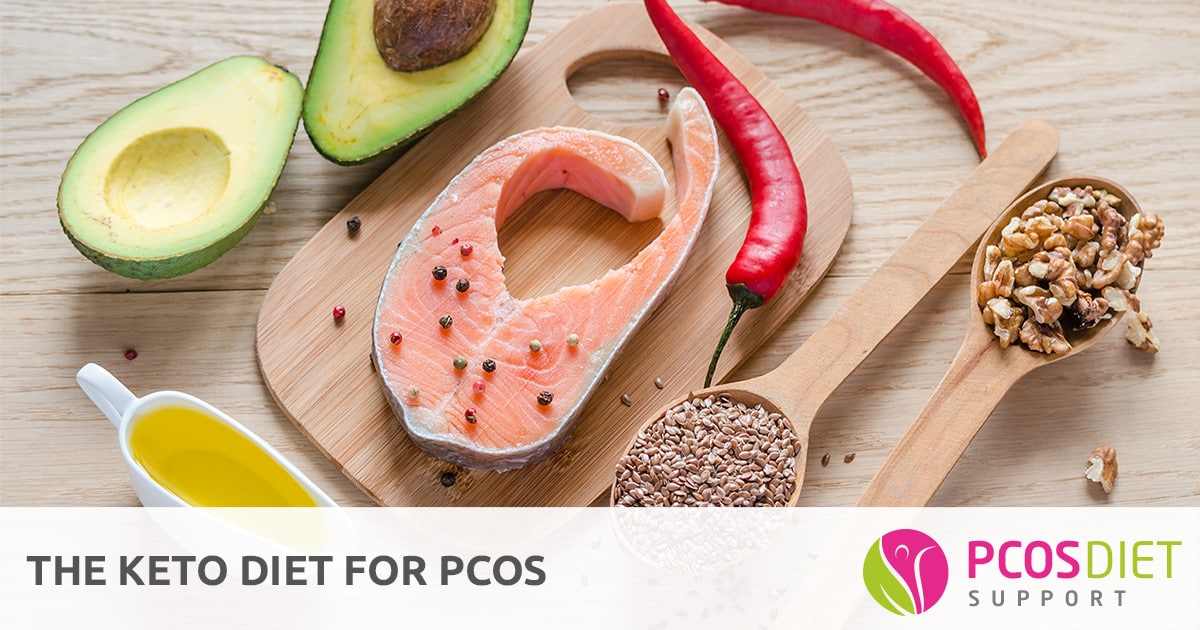
The ketogenic diet—characterized by a high-fat, moderate-protein, and severely restricted carbohydrate intake—is designed to drastically lower the body’s glucose and insulin demands. By limiting carbohydrates to typically between 20 and 50 grams per day, the body is forced to shift its primary metabolic substrate from glucose to ketone bodies derived from fatty acids. Using the metabolic analogy popularized by metabolic researchers and clinicians, a high-carbohydrate diet keeps the body’s easily accessible "refrigerator" of dietary glucose fully stocked, leaving stored adipose tissue—the "freezer"—untouched. Ketogenic protocols and intermittent fasting deplete these immediate glucose reserves, forcing the metabolic machinery to mobilize stored fat for systemic energy.
Clinical Benefits and Empirical Evidence
Recent medical literature indicates several measurable physiological improvements associated with low-carbohydrate, high-fat (LCHF) and ketogenic interventions in women diagnosed with PCOS.

Foremost among these is targeted weight management and fat loss. Because the body becomes keto-adapted, it mobilizes endogenous fat stores with greater metabolic flexibility. Clinical studies evaluating patients on LCHF diets for periods spanning six months have documented significant reductions in body weight—averaging approximately 12 percent of total body mass—alongside marked decreases in fasting insulin levels and improved luteinizing hormone (LH) to follicle-stimulating hormone (FSH) ratios.
Additionally, glycemic stabilization mitigates the erratic blood sugar spikes and subsequent crashes characteristic of standard diets high in refined carbohydrates. This stabilization plays a vital role in dampening systemic appetite and reducing persistent cravings for sweet foods. Satiety is further enhanced by the high caloric density and slow gastric emptying rate of healthy dietary fats.
Cardiovascular health represents another critical domain of interest. Women with PCOS face an elevated baseline risk for metabolic syndrome, dyslipidemia, and subsequent cardiovascular disease. Clinical trials analyzing ketogenic interventions demonstrate favorable shifts in lipid profiles, specifically reductions in circulating triglycerides and enhancements in high-density lipoprotein (HDL) cholesterol concentrations.

Dermatological improvements, particularly the amelioration of acne, have also been documented. By reducing hyperinsulinemia, ketogenic protocols restore IGF-1 binding protein levels, subsequently lowering free IGF-1 activity and clearing inflammatory skin lesions associated with androgen excess.
Clinical Challenges, Barriers, and Contraindications
Despite the biochemical advantages, medical practitioners frequently highlight several barriers to the widespread clinical recommendation of ketogenic diets for PCOS management.
Compliance remains a primary obstacle. The strict elimination of major food groups, including grains, legumes, and most fruits, renders the ketogenic diet exceptionally restrictive. Many patients find adherence difficult over extended periods, raising concerns regarding long-term behavioral sustainability and nutritional adequacy.

Furthermore, individuals initiating carbohydrate restriction often experience a transient cluster of symptoms colloquially termed the "keto flu." Occurring predominantly within the first one to two weeks of dietary transition, symptoms include cephalalgia, lethargy, nausea, irritability, and muscular fatigue. These symptoms typically resolve as metabolic pathways adapt to utilize ketone bodies efficiently, but they can deter patients from continuing the protocol.
Gastrointestinal side effects are also prevalent. Restricting carbohydrate-rich foods frequently leads to an inadvertent reduction in dietary fiber intake, resulting in secondary constipation. Clinical guidelines suggest mitigating this through targeted increases in non-starchy vegetables and leafy greens.
Perhaps the most critical clinical caution involves thyroid function, specifically in patients presenting with concurrent hypothyroidism or Hashimoto’s thyroiditis—conditions frequently comorbid with PCOS. Adequate insulin signaling is required for optimal peripheral conversion of inactive thyroxine (T4) to active triiodothyronine (T3). Drastically suppressing insulin via severe carbohydrate restriction can impair thyroid hormone metabolism, leading clinicians to recommend more moderate carbohydrate strategies (such as capping daily intake around 100 grams) rather than strict ketogenic states for patients with compromised thyroid axes.

Comparative Therapeutic Approaches and Personalized Nutrition
Endocrinologists and registered dietitians emphasize that a ketogenic diet is not a mandatory prerequisite for managing PCOS effectively. Whole-food, low-glycemic eating patterns—combined with targeted supplementation, regular physical activity, and stress management—form a robust foundation for long-term hormonal balance.
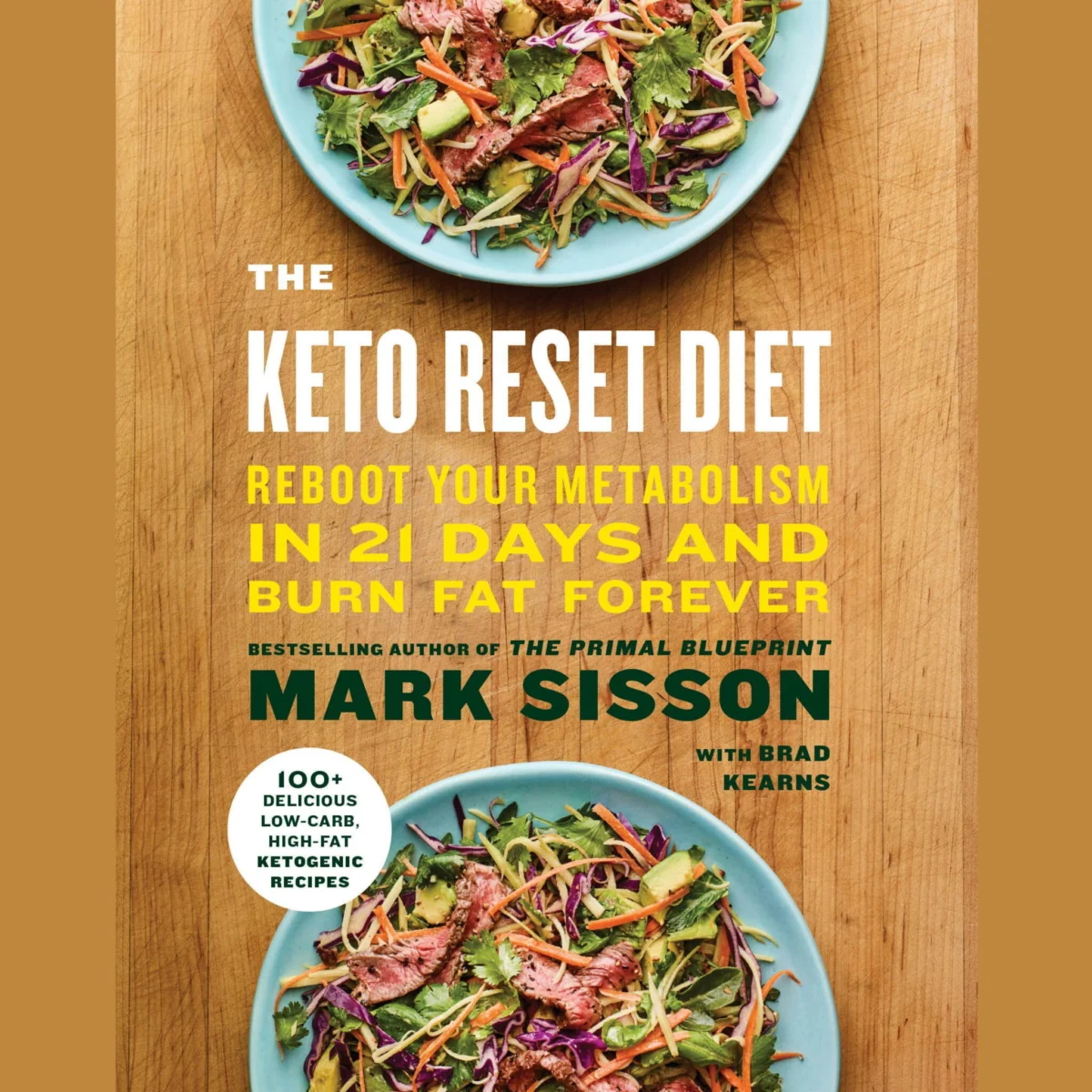
For patients experiencing stubborn weight-loss plateaus or severe metabolic dysregulation, a temporary phased introduction to a ketogenic lifestyle can serve as a metabolic reset. Experts often recommend a gradual transition, such as Mark Sisson’s 21-day metabolic reset outlined in The Keto Reset Diet, which focuses on nutrient density and moderate carbohydrate reduction before moving into full ketosis. This step-by-step approach allows the body to adapt smoothly while minimizing adverse withdrawal symptoms.
Ultimately, because PCOS is a chronic, lifelong condition, any therapeutic dietary framework must prioritize sustainability. Nutritionists stress that dietary modifications must evolve into a permanent, enjoyable lifestyle rather than serving as a short-term restrictive fix. Patients are encouraged to consult qualified healthcare providers or registered dietitians before undertaking radical dietary shifts, ensuring that individual metabolic profiles, cardiovascular risks, and thyroid statuses are thoroughly evaluated prior to initiating a ketogenic regimen.
