
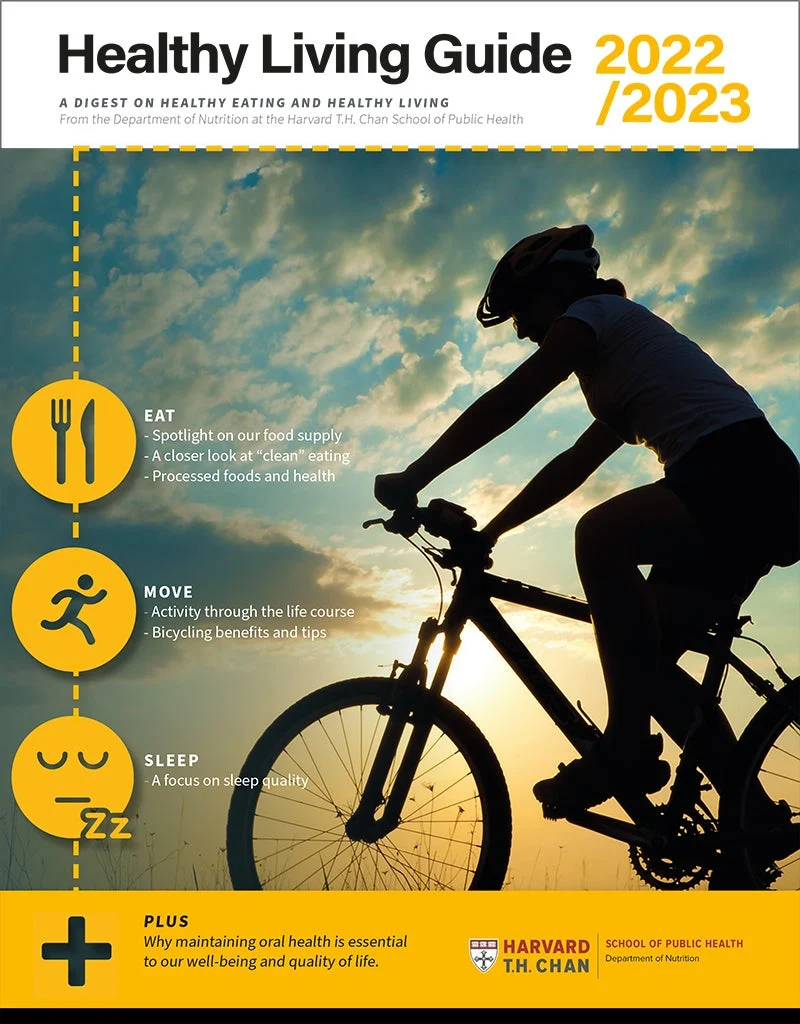
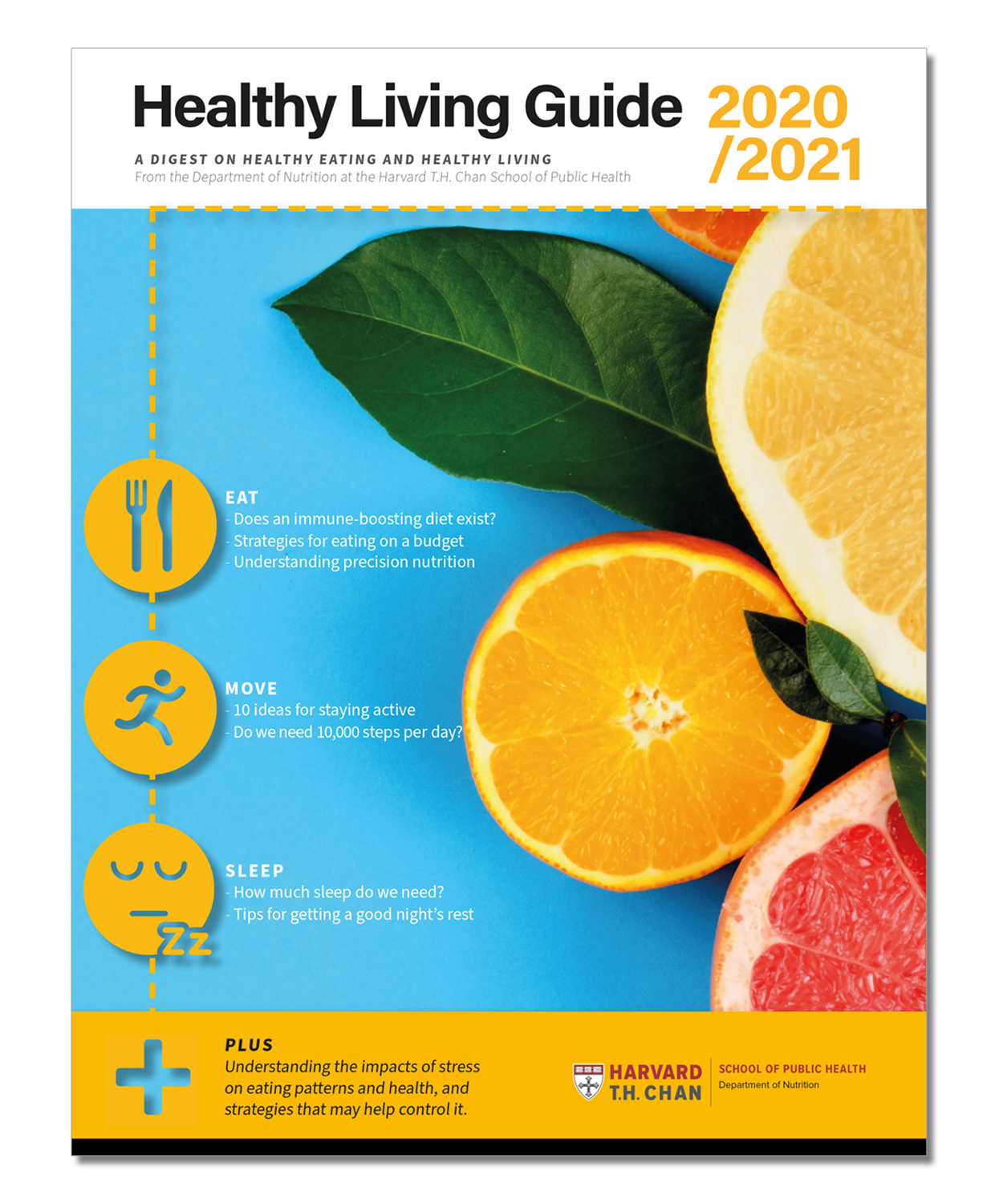
The convergence of the COVID-19 pandemic and the broader public health crisis regarding chronic disease has necessitated a renewed focus on individual wellness strategies. As society navigates the long-term repercussions of the global health emergency, experts emphasize that while there is no singular dietary intervention to prevent viral infection, the adoption of foundational lifestyle habits remains the most effective defense against systemic morbidity. The Harvard T.H. Chan School of Public Health has released a comprehensive Healthy Living Guide to assist individuals in managing nutritional, physical, and emotional health during these volatile times.
Contextualizing Health in the Pandemic Era
The onset of the COVID-19 pandemic in early 2020 introduced unprecedented stressors into the daily lives of global populations. The disruption of supply chains, the widespread loss of income, and the psychological burden of isolation created a “perfect storm” for health deterioration. Public health data indicates that disruptions in access to fresh, nutritious food—often referred to as food insecurity—correlated with a rise in reliance on ultra-processed, shelf-stable foods. Simultaneously, the closure of public gyms and the transition to remote work environments led to a measurable decline in physical activity levels across various age demographics.
These environmental shifts coincided with heightened concerns regarding immune function. While early public discourse was dominated by search efforts for “superfoods” or supplements, clinical researchers maintained a more conservative stance: the immune system is not bolstered by isolated interventions but by the cumulative effect of long-term metabolic health.
The Five Pillars of Longevity
Scientific literature has consistently identified five primary lifestyle habits that serve as the bedrock of health and longevity. Longitudinal studies conducted by researchers at the Harvard T.H. Chan School of Public Health demonstrate that adults who adhere to these practices experience a significant reduction in mortality rates and a marked increase in disease-free life years.
- Nutritional Integrity: Consuming a diet rich in whole grains, fruits, vegetables, lean proteins, and healthy fats while minimizing processed sugars and trans fats.
- Consistent Physical Activity: Engaging in at least 150 minutes of moderate-intensity or 75 minutes of vigorous-intensity aerobic exercise per week.
- Weight Management: Maintaining a Body Mass Index (BMI) within the healthy range, generally defined as 18.5 to 24.9.
- Moderate Alcohol Consumption: Limiting intake to no more than one drink per day for women and two for men, though zero consumption remains the baseline for optimal health.
- Tobacco Abstinence: The complete avoidance of smoking and tobacco products.
The implications of these habits are substantial. Research published in Circulation suggests that individuals who maintain these five habits at mid-life can extend their life expectancy by over a decade. Furthermore, those who adhere to these protocols are significantly less likely to develop the “big three” chronic conditions: type 2 diabetes, cardiovascular disease, and cancer.
Chronology of Health Policy Responses
The shift in public health messaging from 2020 to 2021 reflects a transition from crisis management to sustainable living.
- March 2020: The World Health Organization (WHO) declares COVID-19 a pandemic. Initial public health focus is entirely on transmission mitigation (masking, distancing).
- Summer 2020: Data begins to emerge linking underlying metabolic health—specifically obesity and diabetes—with worse outcomes for COVID-19 patients. Public health institutions begin to pivot their messaging toward the necessity of “metabolic resilience.”
- Winter 2020–2021: As winter lockdowns persist, reports of “pandemic fatigue” and mental health degradation rise. Health organizations move to produce accessible, digitized resources, such as the Healthy Living Guide, to provide a framework for home-based wellness.
- Early 2021: The launch of the Healthy Living Guide marks a formalized effort to provide actionable, evidence-based tools for the public, moving beyond general advice to specific, printable resources for daily tracking and habit formation.
Analyzing the Data: Why Habits Matter
The correlation between lifestyle and life expectancy is not merely anecdotal; it is supported by robust data analysis. For instance, in a study tracking over 78,000 women and 44,000 men, researchers found that those who adopted all five low-risk lifestyle factors were 82% less likely to die from cardiovascular disease and 65% less likely to die from cancer compared to those who adopted none.
From a clinical perspective, the impact of these habits on chronic disease prevention is profound. Type 2 diabetes, for example, is largely preventable or manageable through the combination of diet and exercise. By reducing systemic inflammation—which is often exacerbated by high sugar intake and sedentary behavior—the body is better positioned to manage external stressors, including viral pathogens.
Official Perspectives and Institutional Guidance
Public health experts argue that the barrier to entry for these habits is not lack of knowledge, but the complexity of modern life. The Healthy Living Guide serves as an institutional intervention designed to mitigate “decision fatigue.” By offering printable tip sheets, goal-setting worksheets, and interactive challenges, the guide aims to make the abstract concepts of “healthy eating” and “regular exercise” tangible.
"The goal is not perfection, but consistency," notes a spokesperson for nutrition research advocacy groups. During the pandemic, the psychological weight of trying to maintain a rigid lifestyle became a barrier itself. Consequently, the 2021 guidance emphasizes small, incremental adjustments—such as increasing plant-based protein or incorporating a 15-minute walk—rather than radical, unsustainable lifestyle overhauls.
Broader Implications for Public Health
The long-term implications of this shift in focus are critical for national healthcare systems. If a significant percentage of the population can shift toward these five habits, the economic burden on the healthcare system—currently dominated by the management of chronic conditions—could be substantially reduced.
Moreover, the emphasis on “fulfillment” and “hobbies” in the current guide acknowledges that physical health is inextricably linked to mental health. The “Healthy Living Bingo Challenge” featured in the guide is an example of gamification, a technique used to lower the barrier to habit formation by rewarding small, repeatable actions. This psychological approach to health management is increasingly recognized as a vital component of public health strategy, particularly when traditional clinical settings are inaccessible or overwhelmed.
Addressing Structural Barriers
While individual responsibility is a component of health, scholars acknowledge the structural challenges that persist. The “food desert” phenomenon, where individuals lack access to affordable, fresh produce, remains a significant barrier to dietary compliance. Similarly, the “digital divide” can impact who receives and utilizes these digital health resources.
The publication of the Healthy Living Guide acts as a bridge for those who have the agency to make changes but require the logistical roadmap to do so. It addresses the reality that for many, the pandemic has been a period of reflection, offering an opportunity to re-evaluate priorities. As we continue to process the societal shifts of the last several years, the integration of science-based lifestyle management will likely remain a pillar of public health communication for the foreseeable future.
Conclusion
Maintaining a healthy lifestyle is a continuous, iterative process rather than a final destination. By focusing on the foundational pillars—diet, movement, weight, alcohol consumption, and tobacco avoidance—individuals can drastically improve their quality of life and their resilience against chronic disease. As evidenced by the latest initiatives from major research institutions, the path forward requires a blend of rigorous scientific data, accessible educational tools, and a compassionate approach to the individual challenges presented by a changing world. The tools provided, such as the downloadable Healthy Living Guide, are designed to assist in this endeavor, providing a structure for those seeking to prioritize their long-term health in the face of ongoing uncertainty.
