
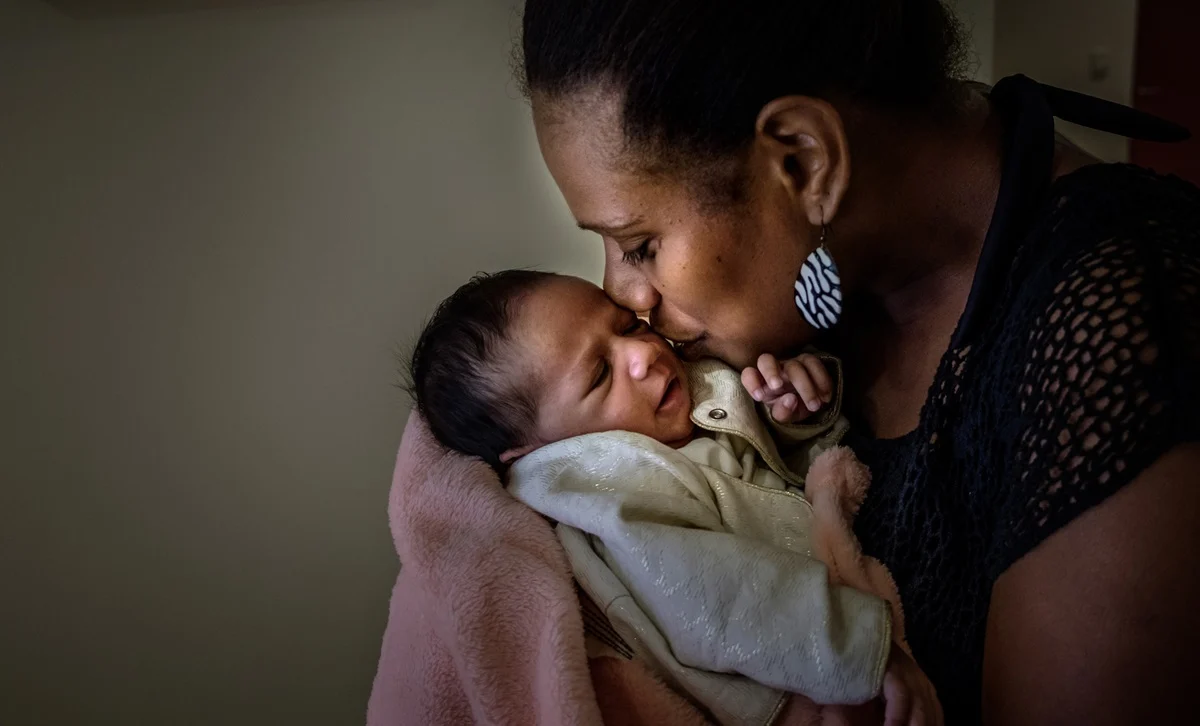
The Global Crisis in Maternal Health
The central theme for 2025, Healthier beginnings, hopeful futures, arrives at a time when maternal mortality rates, once on a steady decline, have begun to plateau or, in some regions, regress. UN agencies have recently issued joint warnings indicating that fragile health infrastructure, exacerbated by global economic instability and redirected donor funding, is placing millions of women and infants at risk.
Data from the past five years suggests that the COVID-19 pandemic caused significant disruptions to essential prenatal and postnatal services. As the world moves into the mid-2020s, these disruptions have not been fully remediated. The current WHO campaign is designed to re-center these services as the foundational pillars of public health. When maternal and newborn outcomes are poor, the long-term socioeconomic stability of families and communities is compromised, creating a ripple effect that hinders development goals for generations.
Chronology of the Advocacy Movement
The mobilization on April 7, 2025, is the culmination of months of behind-the-scenes coordination between the WHO, national ministries of health, and community leaders. The following timeline outlines the build-up to this global day of action:
- January 2025: WHO leadership announces the theme for World Health Day, citing alarming internal data regarding the contraction of maternal health budgets in low- and middle-income countries.
- February 2025: A series of regional summits take place across the African and Southeast Asian regions, identifying specific barriers to access, including the shortage of skilled birth attendants and the rising costs of essential maternal medicines.
- March 2025: Civil society organizations and UN agencies release a joint report highlighting the "funding gap" in maternal health, estimated at several billion dollars annually.
- April 7, 2025: World Health Day events take place globally. In Chile, for example, PAHO/WHO Country Representative Giovanni Escalante Guzmán met with Mapuche leader Juana Cheuquepan to discuss the intersection of traditional knowledge and modern medical practices in ensuring healthy outcomes for mothers and newborns.
Regional Perspectives and Local Implementation
The strength of the 2025 campaign lies in its regional versatility. While the core mission remains universal, the implementation reflects the unique challenges faced by different demographics:
The Americas and the Caribbean: In the Pan American Health Organization (PAHO) region, the focus has shifted toward reducing inequities in rural and indigenous communities. The dialogue between Giovanni Escalante Guzmán and Juana Cheuquepan serves as a case study for integrating culturally sensitive care into the broader public health framework, recognizing that trust in medical systems is as vital as the availability of clinical equipment.
African and Eastern Mediterranean Regions: These areas continue to face the highest maternal mortality ratios. Advocacy efforts have focused on the "last mile" delivery of healthcare—ensuring that even in conflict-affected or remote areas, expectant mothers have access to emergency obstetric care.
European and Western Pacific Regions: While these regions boast more robust health systems, the conversation has pivoted toward the quality of maternal care and the mental health support required during the postpartum period, addressing the "hidden" crises of maternal depression and systemic burnout among obstetric staff.
Supporting Data and the Economic Imperative
The economic argument for investing in maternal and newborn health is compelling. According to global health economists, every dollar invested in maternal and newborn health services yields an estimated return of $20 in social and economic benefits. These benefits manifest through improved child development, higher educational attainment for the next generation, and increased labor force participation among women.
However, current trends show a worrying shift. Donor fatigue, combined with the prioritization of emergency response funding in conflict zones, has led to a reduction in long-term developmental aid for reproductive health. The WHO reports that in some regions, the coverage of at least four antenatal care visits—a key indicator of maternal health success—has stagnated at 60%, significantly below the universal target of 90%.
Official Responses and the Call to Action
The messaging from the WHO is unequivocal: the international community is at a crossroads. During the various ceremonies held on April 7, WHO officials emphasized that "maternal health is the baseline for healthy families."
Dr. Tedros Adhanom Ghebreyesus, in his official address, noted that "the progress we have made over the last 77 years is being threatened by a dangerous complacency." The organization is urging governments to prioritize three specific policy levers:
- Sustainable Financing: Protecting maternal health budgets from being raided during national fiscal austerity measures.
- Workforce Retention: Incentivizing midwives and obstetricians to work in underserved areas to prevent "medical deserts."
- Data-Driven Accountability: Implementing better tracking of maternal deaths and near-misses to identify systemic failures in real-time.
Broader Impact and Future Implications
The year-long campaign initiated on World Health Day 2025 is intended to foster a global environment where maternal health is treated as a non-negotiable right rather than a discretionary expense. The implications of failing to meet these goals are profound. Should the current trend of underfunding persist, the UN warns that the Sustainable Development Goal (SDG) target of reducing the global maternal mortality ratio to less than 70 per 100,000 live births by 2030 will remain out of reach.
Moreover, the advocacy actions highlight that maternal health is an indicator of a society’s overall stability. A system that cannot provide safe passage through childbirth is a system that is failing in its most fundamental duty of care. By bringing diverse stakeholders—from global diplomats to indigenous leaders—to the table, the WHO is attempting to create a social contract that prioritizes the most vulnerable.
Conclusion: A Year of Sustained Advocacy
As the world observes the 77th anniversary of the WHO, the message is clear: the road to 2030 requires a paradigm shift. It is no longer sufficient to provide basic services; the focus must transition to comprehensive, long-term care that encompasses the entirety of the woman’s health journey.
The events of April 7, 2025, are merely the beginning of a 12-month push to hold donor agencies and national governments accountable. Whether this leads to a tangible reduction in maternal deaths will depend on the translation of these advocacy events into binding budgetary commitments. As the global health community moves forward, the focus on "healthier beginnings" stands as a litmus test for the world’s commitment to equity and the long-term sustainability of the global health sector. The future of millions of infants and their mothers depends on the political will to bridge the funding gap and rebuild the infrastructure that defines the future of human health.
