
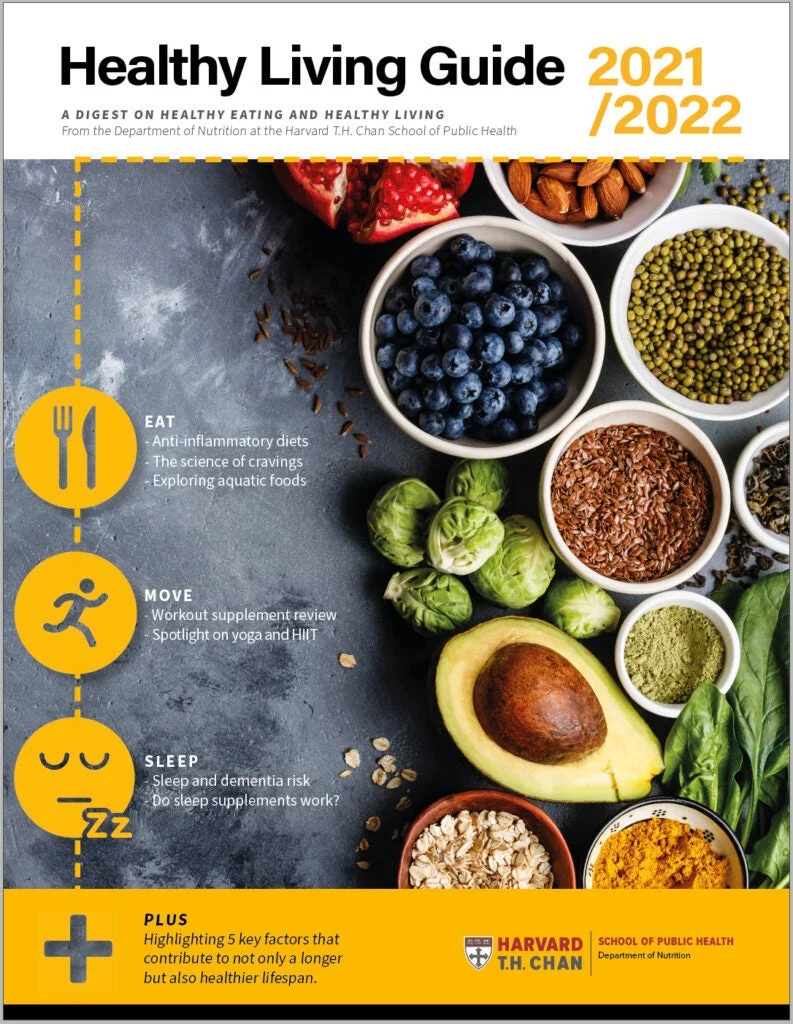
The global landscape of health and wellness has undergone a profound transformation since the onset of the COVID-19 pandemic, necessitating a re-evaluation of how individuals manage nutrition, physical activity, and sleep. As the world transitioned through the volatile shifts of 2021—a year marked by the tentative return to pre-pandemic routines balanced against the lingering shadows of lockdowns—public health experts have sought to synthesize emerging behavioral data to provide actionable guidance for a population navigating a "new normal." The Harvard T.H. Chan School of Public Health has released its latest Healthy Living Guide, serving as a comprehensive resource to address these evolving lifestyle challenges.
The Shift in Consumer Behavior: From 2020 to 2021
To understand the current state of public health, it is essential to analyze the stark contrast between the height of the 2020 lockdowns and the subsequent stabilization efforts of 2021. Data from the International Food Information Council’s 2021 Food and Health Survey provides a quantifiable look at these shifts. In 2020, the disruption of supply chains, the closure of restaurants, and the sudden necessity of home confinement led to a surge in stress-related consumption patterns.
During the initial phase of the pandemic, 32% of Americans reported an increase in snacking, and 20% reported an increase in overall food consumption. These figures were largely attributed to the blurred lines between work and home life, as well as the psychological toll of isolation. However, by 2021, these trends began to reverse as some normalcy returned. The number of respondents who reported increased snacking fell to 18%, and those citing increased overall food intake dropped to 11%.
Conversely, the home-cooking boom—a silver lining of the early pandemic—also saw a decline. In 2020, 60% of consumers reported cooking more frequently at home. By 2021, that figure had retreated to 47%. While this signals a return to external dining options, it also highlights a potential loss of the healthier, controlled dietary habits that were forged in the domestic kitchen during the height of the crisis.
Chronology of Public Health Challenges
The trajectory of public health since early 2020 can be categorized into three distinct phases.
The first phase, the "Emergency Response" (March 2020–December 2020), was defined by panic buying, supply chain fragility, and the abrupt pivot to sedentary home life. During this time, the primary concern was food security and the psychological impact of social distancing.
The second phase, the "Adaptation Period" (January 2021–December 2021), was characterized by the rollout of mass vaccination programs, the partial reopening of the economy, and a gradual return to office work. This period saw a shift from survival-mode nutrition to a focus on long-term health maintenance. The emergence of variants, such as Delta and Omicron, continuously challenged this transition, keeping public health officials on high alert.
The third phase, the "Persistent Uncertainty" (January 2022–Present), emphasizes the need for long-term lifestyle resilience. As noted in the latest Healthy Living Guide, the focus has shifted from reactive measures to proactive, sustainable habits that can withstand future disruptions. The persistence of the pandemic remains a primary driver for the focus on preventative health measures, such as strengthening the immune system through balanced nutrition and adequate sleep.
Disparities and Socioeconomic Impacts
A critical component of the 2021 data involves the widening gap in food security. While a portion of the population moved toward a healthier lifestyle, a significant segment faced increased hardship. The pandemic exacerbated existing socioeconomic inequalities, with lower-income households struggling to access affordable, nutritious food due to inflation and the intermittent unavailability of staple goods.
Public health analysts point out that while the advice to "eat well and be active" is universal, the ability to implement these habits is contingent upon access. Healthy living is not merely a personal choice; it is deeply tied to the "social determinants of health"—the conditions in which people are born, grow, live, work, and age. The 2021 findings highlight that for vulnerable populations, the path to health is obstructed by systemic barriers that demand policy-level interventions, not just individual behavior modification.
Global Vaccination and Public Health Urgency
Beyond personal lifestyle choices, the broader context of 2021 was defined by the global race for vaccine equity. The emergence of new variants provided a sobering reminder that the pandemic cannot be contained in silos. Epidemiological experts argue that the health of the individual is inextricably linked to the health of the global community. The lower rates of vaccination in low- and lower-middle-income countries remain a primary concern for the World Health Organization and other health bodies, as these regions serve as potential incubators for future variants that could undermine global recovery efforts.
The integration of individual healthy living with global public health advocacy is a recurring theme in contemporary health literature. The Healthy Living Guide encourages citizens to view their personal wellness as a responsibility that contributes to a more resilient society capable of managing ongoing health threats.
Core Pillars of the Healthy Living Guide
The 2022 edition of the guide centers on three foundational pillars: nutrition, physical activity, and sleep hygiene. These areas are examined through the lens of recent peer-reviewed research, offering a departure from the fad-diet culture that often dominates mainstream media.
Nutritional Science and Sustainable Eating
The guide emphasizes the importance of plant-forward diets, the reduction of ultra-processed foods, and the necessity of hydration. Researchers have found that diet quality is one of the most significant modifiable risk factors for chronic disease. By highlighting the Mediterranean-style diet and the "Healthy Eating Plate" framework, the guide provides a roadmap for reducing systemic inflammation—a key factor in resilience against viral pathogens.
The Role of Physical Activity
The pandemic significantly impacted physical activity levels, with gym closures and the limitation of outdoor spaces. The 2021 data suggests that while some individuals utilized virtual fitness platforms, others experienced a sharp decline in daily movement due to prolonged screen time and remote work. The guide advocates for "movement snacking"—short, frequent bursts of activity throughout the day—as an effective strategy for those with limited time or space.
The Science of Sleep
Sleep has often been overlooked in public health discussions, yet recent research identifies it as a cornerstone of immune function and metabolic health. With the rise of "coronasomnia" (pandemic-related sleep disturbances), the guide provides evidence-based techniques to improve sleep quality, including the maintenance of consistent circadian rhythms and the reduction of blue-light exposure before bedtime.
Implications for Future Public Health Policy
The findings presented in the 2021 surveys and the subsequent synthesis in the Healthy Living Guide suggest that the future of public health lies in integrated, flexible care. The shift away from emergency-mode behavior is positive, but the decline in home cooking and the persistent inequities in food access present a challenge for policymakers.
Moving forward, the focus must be on creating "healthy environments." This includes supporting local food systems, incentivizing urban planning that encourages physical activity, and ensuring that public health messaging reaches marginalized communities. The data confirms that individuals are responsive to health information when it is framed within the context of their daily lives, as evidenced by the high engagement with accessible digital resources and printable guides.
Conclusion
The transition from the chaos of 2020 to the stabilization of 2021 and beyond has provided a clear view of both the resilience and the vulnerabilities of the human population. As the Harvard T.H. Chan School of Public Health continues to disseminate its findings, the primary objective remains the same: to empower individuals with evidence-based information that transcends the noise of the pandemic. By focusing on the core pillars of eating well, remaining active, and prioritizing restorative sleep, individuals can cultivate a level of personal wellness that serves as a shield against the uncertainties of the future. The Healthy Living Guide stands as an essential tool in this endeavor, serving as a reminder that while we cannot always control the external environment, we can exert significant influence over our internal health through intentional, informed, and consistent choices.
