
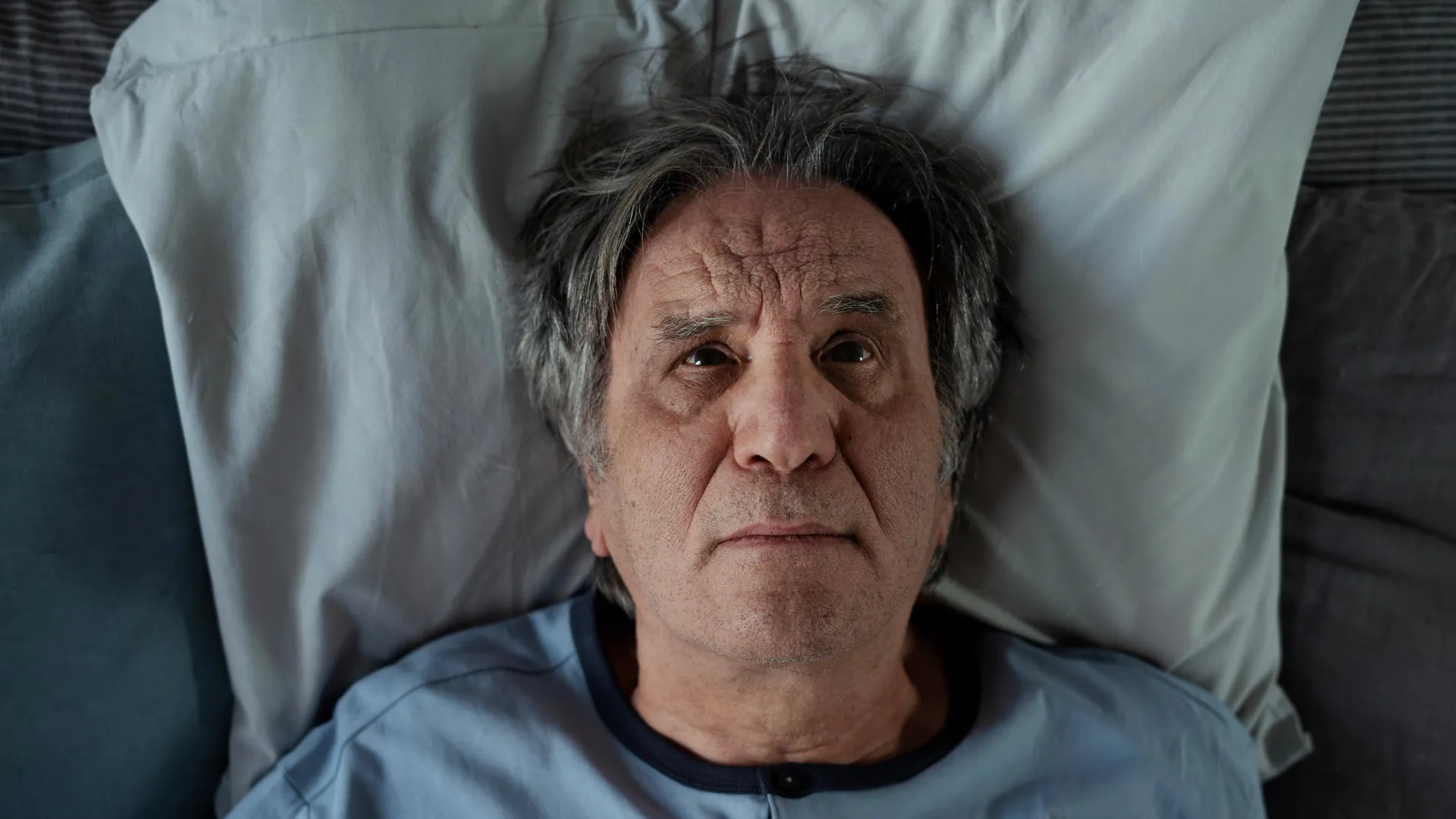
Recent breakthroughs in biomedical research have fundamentally shifted our understanding of how daily habits influence human longevity. While previous generations viewed sleep largely as a passive state of rest for the mind, a comprehensive new study published in the prestigious journal Nature demonstrates that sleep duration is intricately linked to the biological aging of nearly every major organ system in the human body. Spearheaded by a team of researchers at the Columbia University Vagelos College of Physicians and Surgeons, the investigation reveals a pronounced U-shaped curve: both chronic sleep deprivation and excessive slumber are associated with accelerated biological aging across the brain, heart, lungs, immune system, and digestive tract.
The findings illuminate the complex, bidirectional relationship between lifestyle factors and cellular health. Utilizing advanced machine learning algorithms and multi-layered biological data from roughly half a million participants, the research team successfully mapped how deviations from an optimal sleep window correlate not only with advanced organ aging, but also with a diverse array of chronic pathologies, ranging from metabolic disorders and cardiovascular disease to severe mental health conditions.
The Evolution of Biological Aging Clocks
To understand the magnitude of this discovery, it is necessary to examine the technological evolution that preceded it. For years, scientists have sought reliable methods to quantify biological age—the actual physiological condition of a person’s cells and tissues—as distinct from chronological age, which merely measures the time elapsed since birth. Traditional aging clocks often relied on single biomarkers, such as telomere length or general epigenetic methylation patterns, providing a generalized, whole-body estimate of aging.
However, human biology is not uniform. Different organ systems deteriorate at varying rates, influenced by a combination of genetics, environment, and lifestyle choices. A prominent, naturally occurring example of this phenomenon is the accelerated decline of ovarian function relative to other somatic systems during female reproductive aging. Recognizing this physiological reality, lead study author Junhao Wen, assistant professor of radiology at Columbia University, alongside his colleagues, set out to develop specialized, organ-specific aging clocks.
The construction of these novel diagnostic tools represented a massive computational undertaking. The researchers leveraged data from the UK Biobank, a large-scale biomedical database containing genetic, lifestyle, and health information from approximately 500,000 individuals. By applying machine learning techniques to this vast reservoir of information, the team isolated distinct biological signatures associated with aging across 17 different organ systems.
These sophisticated clocks were built using three distinct layers of biological information: structural measurements gathered through advanced medical imaging, circulating proteins specific to individual organs, and molecular panels detected via minimally invasive blood tests. This multi-omics approach allowed the research team to cross-verify whether sleep habits exerted a uniform influence across different molecular layers within the same organ—such as the liver, which was evaluated using metabolic, protein, and imaging data simultaneously.
Finding the Sleep Sweet Spot: The U-Shaped Curve
When the researchers mapped the reported sleep durations of the UK Biobank participants against the biological age estimates derived from their 23 organ-specific clocks, a striking pattern emerged. The data formed a clear U-shaped curve, indicating that health risks escalate at both ends of the sleep spectrum.
Individuals who reported sleeping fewer than six hours per night—classified as short sleepers—and those who routinely slept more than eight hours per night—classified as long sleepers—consistently exhibited signs of accelerated biological aging. Conversely, the optimal physiological profile—the biological "sweet spot" associated with the lowest markers of organ aging—was observed among individuals who consistently reported sleeping between 6.4 and 7.8 hours each day.
It is crucial to note that the observational nature of the study precludes definitive claims of direct causality. The researchers emphasize that the data does not definitively prove that altering one’s sleep schedule will automatically reverse or slow down organ aging. Rather, sleeping too little or too much frequently serves as an underlying biomarker—a systemic red flag indicating poorer overall health, underlying subclinical disease, or systemic physiological stress within the brain-body network.
Broad Systemic Implications and Disease Associations
The implications of the Columbia University study extend far beyond generalized cellular aging. The research team uncovered extensive correlations between aberrant sleep durations and a wide spectrum of clinical diagnoses spanning multiple physiological systems.
For short sleepers, the data revealed robust statistical links to mental health challenges, most notably recurrent depressive episodes and generalized anxiety disorders. These findings reinforce decades of psychiatric research highlighting the profound vulnerability of the central nervous system to sleep deprivation. Furthermore, insufficient sleep was strongly correlated with key components of metabolic syndrome and cardiovascular disease, including obesity, type 2 diabetes, hypertension, ischemic heart disease, and cardiac arrhythmias.
Interestingly, the risks were not confined to those getting too little rest. Both short sleep and long sleep durations were independently associated with chronic inflammatory and respiratory conditions, such as chronic obstructive pulmonary disease (COPD) and asthma. Additionally, anomalous sleep patterns showed significant ties to various upper and lower gastrointestinal disorders, including chronic gastritis and gastroesophageal reflux disease (GERD).
According to Dr. Wen, these widespread correlations underscore the fact that sleep duration is not an isolated behavioral habit, but rather a deeply embedded pillar of human physiology. The expansive brain-body patterns observed in the study demonstrate that maintaining optimal sleep hygiene is essential for preserving the delicate metabolic balance and immune competence required for coordinated organ health.
Dissecting the Complex Pathways of Late-Life Depression
To move beyond broad correlations and investigate potential clinical applications, the researchers applied their organ-specific aging clocks to a specific medical condition: late-life depression. Mental health disorders in older adults are notoriously multifactorial, and clinicians have long observed a complex, circular relationship between sleep disturbances and depressive symptoms.
Because the cross-sectional data could not determine whether chronic sleep abnormalities precipitated late-life depression or whether depressive pathology altered sleep architecture, the research team utilized a statistical method known as mediation analysis. This technique allowed them to test whether biological aging rates across specific organ systems could help explain the mechanistic pathway linking sleep duration to clinical depression.
The results of the mediation analysis yielded fascinating divergences between short and long sleepers. The data suggested that short sleep is likely connected to late-life depression through direct pathophysiological pathways, wherein acute sleep deprivation rapidly impacts neurological function and mood regulation. In contrast, long sleep appeared to influence depressive outcomes through distinct biological pathways reflected specifically in the aging clocks of the brain and adipose (fat) tissue.
This distinction holds profound clinical significance for the future of personalized medicine. By revealing that short sleepers and long sleepers may arrive at the same clinical outcome—late-life depression—through entirely different biological mechanisms, the study cautions against a one-size-fits-all approach to patient care. Future therapeutic interventions and sleep management protocols will likely need to account for these underlying physiological divergences.
Future Horizons in Sleep Research and Clinical Practice
As the scientific community digests the findings published in Nature, researchers are already looking toward the next phase of investigation. The development and validation of organ-specific biological aging clocks represent a monumental leap forward in preventative medicine. By identifying which specific organs are aging prematurely in response to chronic lifestyle stressors like poor sleep, clinicians may soon possess the diagnostic precision required to intervene years before clinical symptoms of disease manifest.
For patients and healthcare providers alike, the message underscores the fundamental importance of prioritizing restorative rest. While modern societal demands frequently encourage individuals to sacrifice sleep in the pursuit of productivity, empirical evidence increasingly demonstrates that such a trade-off exacts a heavy physiological toll at the cellular level. Maintaining a nightly sleep duration within the optimal 6.4-to-7.8-hour window is no longer viewed merely as a luxury for daily alertness, but as a biological imperative for long-term multi-organ preservation.
