
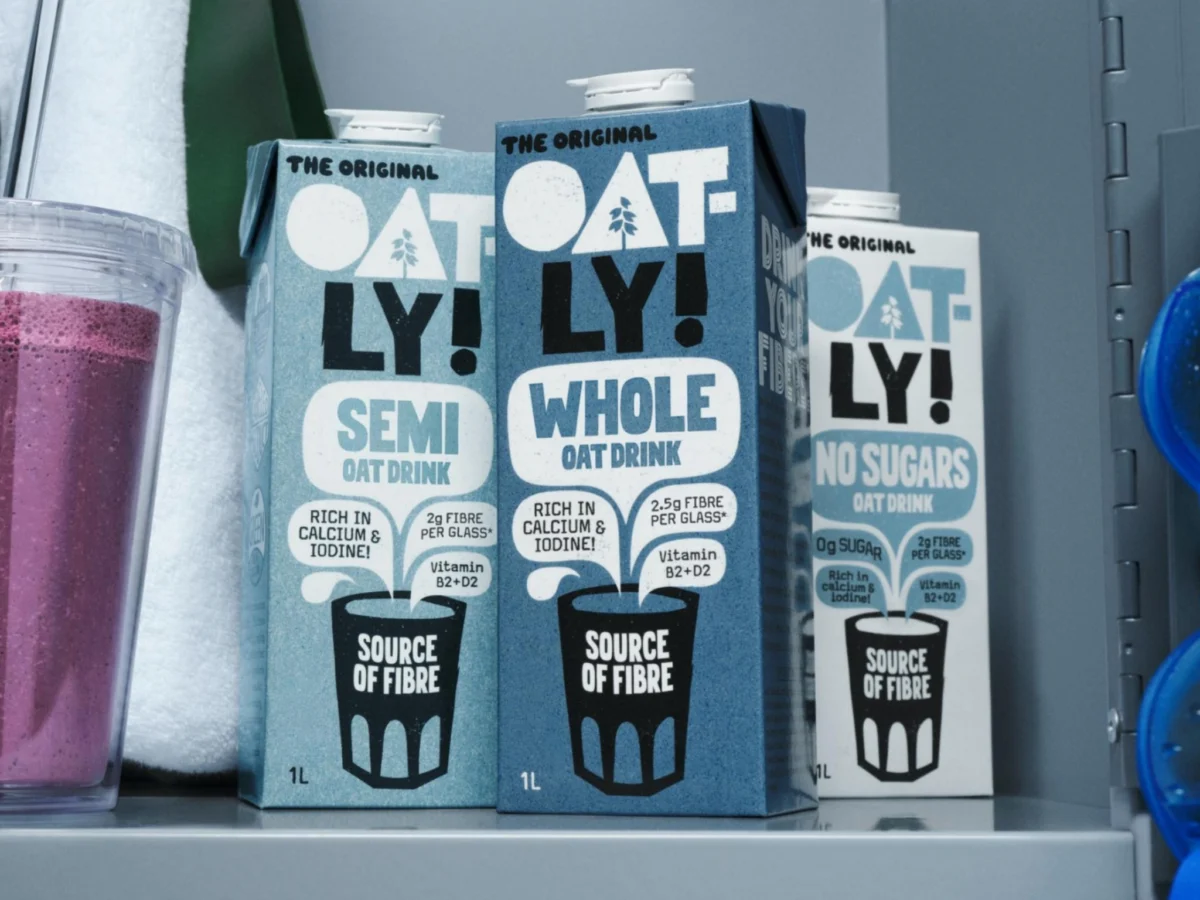
Swedish oat milk producer Oatly has released a comprehensive global report calling on the broader food and drink sector to address structural barriers that impede consumers from making sustainable purchasing decisions. Drawing on insights from 29 food industry stakeholders and surveys of more than 12,000 consumers across the United Kingdom, the United States, Germany, France, Sweden, and the Netherlands, the report outlines five critical areas for action aimed at accelerating the transition toward a climate-friendly food system.
The publication of this report follows Oatly’s participation in Climate Week NYC, reinforcing the company’s positioning as a climate solutions enterprise within the food and beverage category. Having previously updated its corporate sustainability strategy to achieve an 89% reduction in emissions by 2050 from a 2020 baseline, the brand has increasingly sought to look beyond its internal environmental footprint to influence systemic transformation across the entire food supply chain.

Background Context and Chronology of the Initiative
For nearly a decade, food manufacturers, agricultural entities, and environmental advocates have grappled with the complex challenge of aligning consumer dietary habits with global climate objectives. Food systems account for a significant share of global greenhouse gas emissions, making agricultural and dietary transitions a focal point for international policymakers.
In recent years, the urgency of this transition has intensified. Last year, Oatly was formally recognized as the world’s first climate solutions company in the food and beverage category, following independent assessments indicating that its flagship barista oat milk carries a significantly lower carbon footprint—between 58% and 71% lower—than conventional chilled cow’s milk in several European markets.
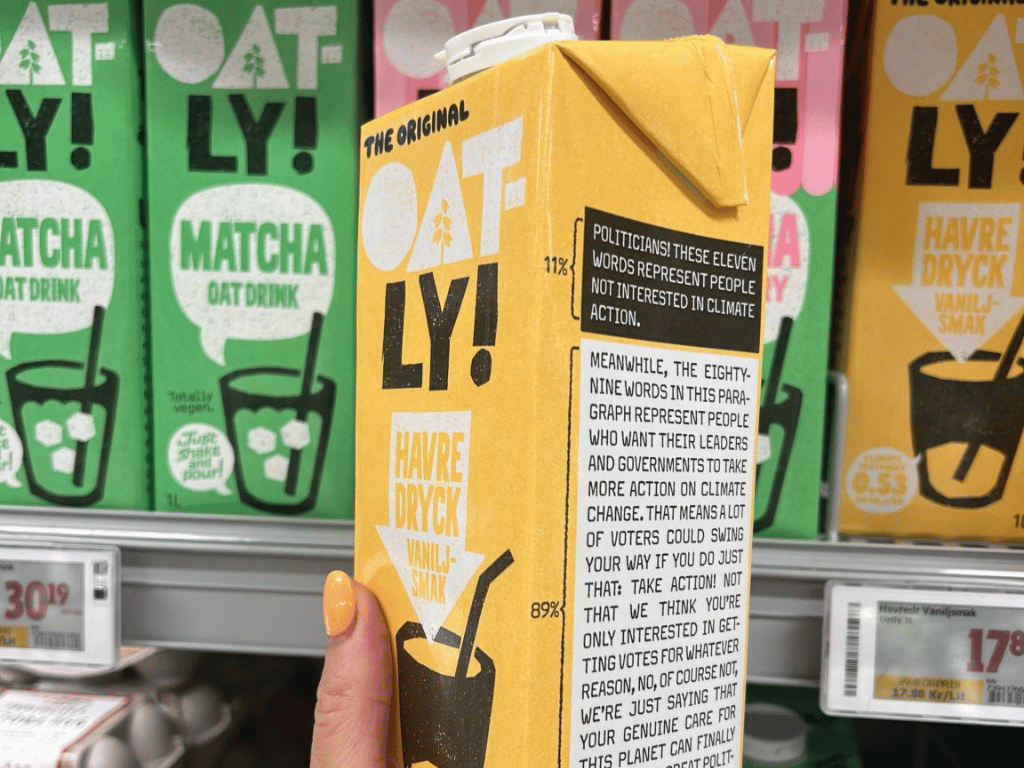
Building upon these environmental metrics, Oatly launched the 89 Percent Project, a global journalistic and public awareness initiative highlighting studies demonstrating that the vast majority of citizens—between 80% and 89% depending on the region—support stronger governmental action to mitigate the climate crisis. By updating product packaging in Sweden and engaging with international stakeholders during major climate forums, the company has sought to bridge the gap between public climate anxiety and actionable institutional reform. The newly released multi-market research report serves as a strategic roadmap for closing this divide, identifying the exact friction points where consumer intent stalls before reaching the checkout counter.
The Five Strategic Pillars for Food System Transformation
Oatly’s cross-industry report organizes its findings and prescribed interventions into five distinct thematic areas: cultivating optimism, prioritizing taste, combating misinformation, establishing default sustainable options, and levelling the price playing field.
Optimism as a Driver for Systems Change
The report identifies optimism not merely as an emotional state, but as a deliberate operational practice necessary for achieving structural transformation. Interviews with industry stakeholders revealed that persistent despair regarding climate change frequently results in consumer and corporate inaction. To counter this, the report points to emerging positive trends, such as the convergence of nutrition and climate science, increased financial investments in sustainable agriculture by commercial banks, and the rapid adoption of plant-based alternatives in commercial food service environments.
Drawing comparisons to other sectors, the report references United Nations findings indicating that certain green technologies are approaching self-reinforcing tipping points. Electric vehicles, for instance, surged from accounting for less than 3% of global car sales in 2019 to a quarter of all sales recently. Oatly argues that the food industry can achieve a similar trajectory if stakeholders commit to long-term sustainability initiatives despite temporary policy stalls or market pushback. Furthermore, the report calls upon the media, brands, and digital platforms to reframe climate narratives away from disjointed natural disasters and toward systemic solutions.
Taste and Desirability as Primary Levers
Consumer polling data within the study underscores that desirability is a non-negotiable prerequisite for dietary shifts, with 26% of respondents citing taste and quality as primary areas requiring improvement. Despite the rapid expansion of the plant-based sector, a notable portion of consumers continue to consume conventional dairy or meat out of habit or perceived culinary superiority, despite blind taste tests frequently showing high preference rates for oat-based alternatives in specific applications like coffee.
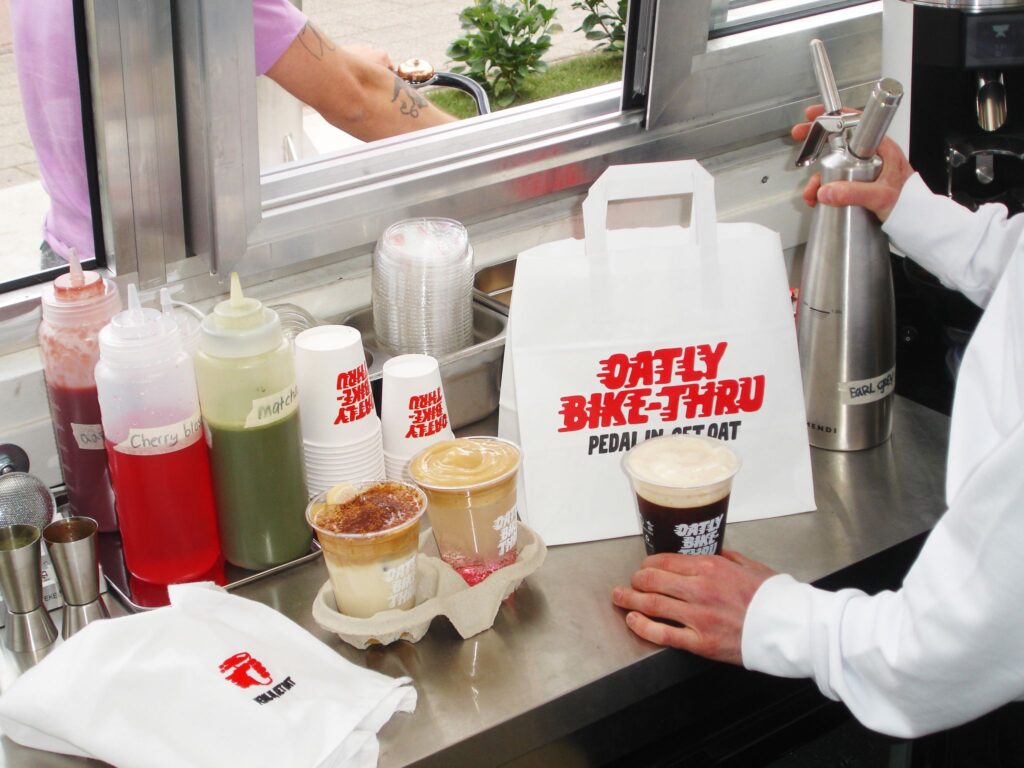
To address this, Oatly advocates for a taste-led strategy, moving away from guilt-driven marketing toward culinary innovation, trend-focused partnerships, and seasonal recipe developments inspired by mainstream consumer culture. According to the survey data, consumers hold food manufacturers most responsible for ensuring healthy and sustainable diets (44%), followed by farmers (39%), supermarkets (37%), individuals (35%), and governments (32%). Consequently, food companies are urged to develop sustainable products that excel in sensory appeal, while retailers and digital platforms must optimize food environments to highlight these options naturally.
Tackling the Global Infodemic and Misinformation
Echoing concerns raised by the World Health Organization regarding a digital "infodemic," the report highlights the proliferation of inaccurate or misleading claims surrounding food, health, and environmental sustainability. Survey findings indicate that 72% of consumers believe decisions regarding the health and sustainability of the food system are only occasionally or rarely grounded in independent science.
The report highlights orchestrated opposition campaigns targeting scientific frameworks such as the Eat-Lancet Commission’s Planetary Health Diet as prime examples of how misinformation distorts consumer perception. To counter this landscape, Oatly calls for the establishment of rigorous accountability standards for nutritional and environmental claims online, adherence to independent scientific evidence in public policy, and transparent storytelling by food producers free of greenwashing.
Shifting Toward Sustainable Defaults
Behavioral science indicates that human decision-making is heavily influenced by default architectures. When asked to identify key structural changes needed to improve diets, 38% of survey participants prioritized making sustainable and healthy options the default choice. Moreover, two-thirds of respondents (68%) stated they would not object to oat milk being the default dairy option in coffee shops, provided that cost and overall choice remained protected.
This insight forms the basis of Oatly’s recommendation to transition from opt-in sustainability models to opt-out frameworks. Public institutions, school meal programs, and hospital procurement systems are urged to align their menus with the Planetary Health Diet, thereby shifting millions of meals toward lower-carbon alternatives without requiring active consumer deliberation. Foodservice operators and manufacturers are similarly encouraged to utilize menu design, strategic product placement, and seamless supply chain integration to make sustainable choices the path of least resistance.

Levelling the Economic Playing Field
Affordability and accessibility remain the most formidable barriers to sustainable consumption, cited by 53% of survey respondents. While two-thirds of consumers expressed openness to oat milk as a default café option, that figure dropped sharply to 28% if the substitution incurred an additional financial cost.
The report critiques existing agricultural subsidies, procurement regulations, and pricing structures that artificially lower the cost of resource-intensive conventional products while placing plant-based alternatives at a disadvantage. Highlighting existing market precedents, the report notes that a shopping basket aligned with the Planetary Health Diet is up to 25% cheaper in certain European markets like Germany compared to average national dietary expenditures. Furthermore, major European retailers such as Lidl have achieved price parity for private-label plant-based alternatives, while advocacy groups and corporations have petitioned governments to reduce value-added tax (VAT) rates on plant-based milks to match those of dairy products.
Oatly’s economic recommendations call on finance ministries and tax authorities to recalibrate fiscal policies, redirect agricultural subsidies toward lower-carbon food production, and support farmers through multi-year supply contracts and transparent pricing mechanisms to mitigate the financial risks of transition.
Analysis of Implications for the Global Food Economy
The release of Oatly’s report signals a broader strategic maturation within the alternative protein and sustainable food sectors. For years, the commercial expansion of plant-based brands relied heavily on environmental advocacy and moral persuasion. However, current market dynamics indicate that sustained growth depends on systemic integration—specifically addressing the structural barriers of price, taste, information clarity, and institutional inertia.
Industry analysts suggest that if major food manufacturers, retailers, and policymakers adopt these five pillars, the alternative protein sector could transition from a niche market segment into the commercial mainstream. By shifting the burden of choice from individual consumers to systemic defaults and fair economic policies, the food industry may find a viable pathway to meeting international climate targets while satisfying consumer demand for accessible, affordable, and palatable nutrition.
