
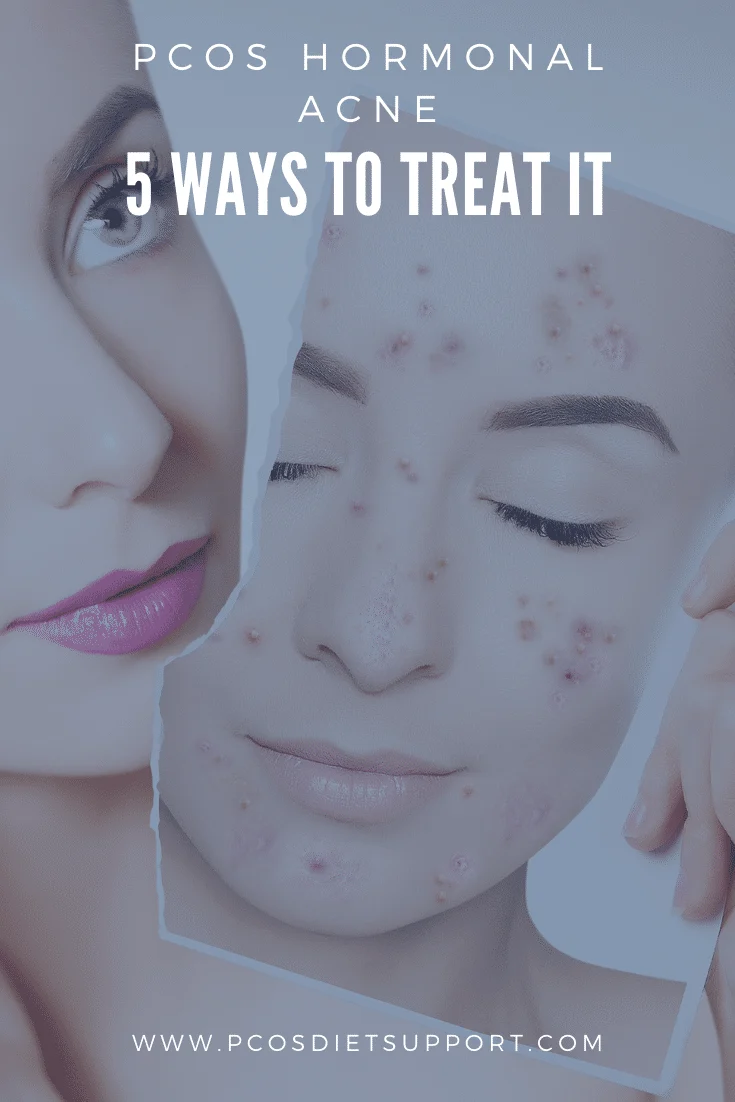
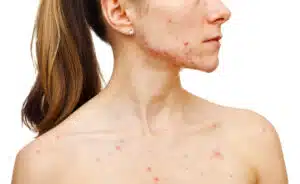
Polycystic Ovary Syndrome (PCOS) is a complex endocrine and metabolic disorder affecting an estimated 8 to 13 percent of reproductive-aged women globally. While the condition is widely recognized for causing irregular menstrual cycles, infertility, and metabolic dysfunction, one of its most persistent and emotionally taxing manifestations is severe hormonal acne. Unlike typical adolescent acne or cyclic breakouts associated with premenstrual syndrome (PMS), PCOS-driven acne is characterized by stubborn, deep-seated inflammatory lesions predominantly localized along the jawline, chin, and neck. These breakouts resist standard over-the-counter treatments, creating a frustrating cycle of physical discomfort and psychological distress for millions of patients.
To understand why traditional skincare regimens frequently fail against PCOS-related acne, dermatologists and endocrinologists look to the root physiological triggers of the syndrome. The condition originates via signaling dysregulation within the pituitary gland, the master endocrine gland responsible for modulating the production of vital sex hormones, including estrogen, progesterone, and testosterone. In healthy physiology, the pituitary gland maintains a delicate hormonal equilibrium. In patients with PCOS, however, this regulatory feedback loop is impaired, resulting in suppressed progesterone and estrogen levels paired with an overproduction of androgens, specifically testosterone.
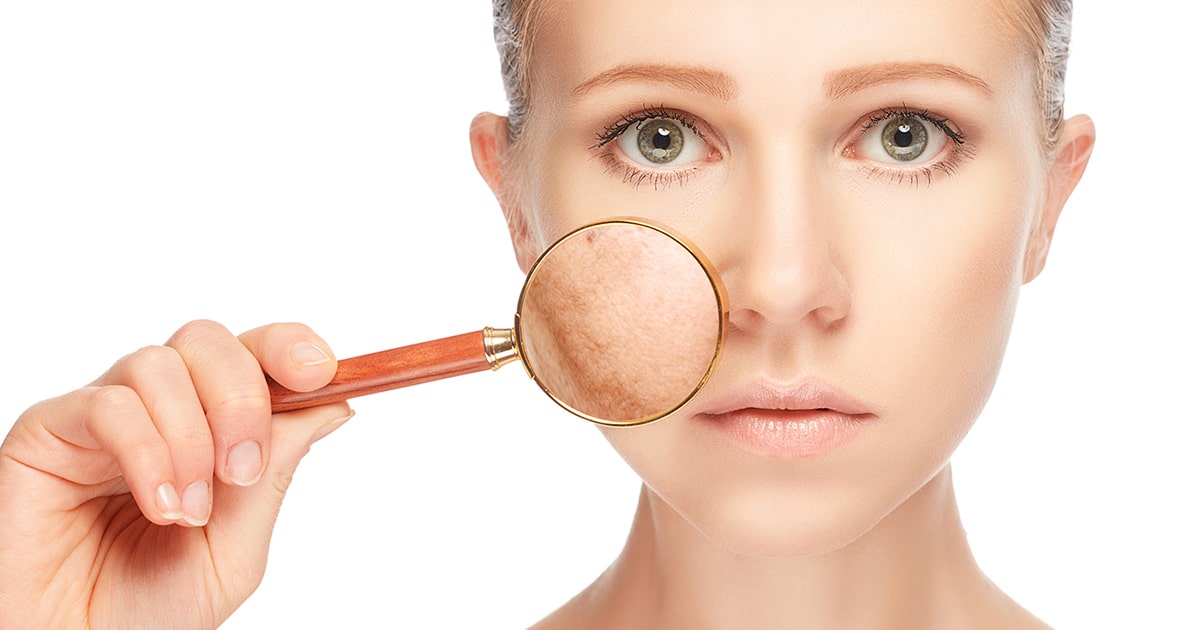
These elevated androgen levels stimulate the sebaceous glands to produce excess sebum, an oily substance that mixes with dead skin cells to clog hair follicles. Concurrently, heightened systemic insulin resistance—a hallmark metabolic feature of PCOS—further exacerbates the issue. Ovarian tissue remains highly sensitive to circulating insulin; when insulin levels spike, the ovaries respond by synthesizing even higher quantities of testosterone. This biochemical cascade transforms the skin into an environment prone to chronic inflammation, cystic acne lesions, and secondary scarring.
Chronologically, the clinical management of PCOS-related dermatological symptoms has evolved significantly over the past five decades. Historically, medical professionals treated adult female acne primarily with topical keratolytics and systemic antibiotics, treating the skin condition in isolation from underlying endocrine pathology. By the early 1970s, the introduction of prescription retinoids marked a turning point in topical dermatological care, providing targeted mechanisms to regulate cellular turnover. As endocrinological research advanced through the 1980s and 1990s, clinicians began recognizing the efficacy of systemic antiandrogens and hormonal contraceptives in neutralizing the internal drivers of hyperandrogenism. Contemporary clinical guidelines now advocate for a multidisciplinary approach, combining targeted dietary modifications, dermatological prescriptions, and lifestyle interventions to achieve sustained remission.
Dietary Interventions and Metabolic Regulation
Because hyperandrogenism is intrinsically linked to insulin resistance, modern nutritional science emphasizes glycemic control as a foundational strategy for clearing PCOS acne. Clinical observations and epidemiological studies indicate that reducing the glycemic load of a patient’s diet can significantly lower circulating insulin, thereby dampening ovarian androgen production.
Furthermore, clinical specialists frequently recommend eliminating dairy products from the diet of patients suffering from treatment-resistant hormonal acne. Dairy consumption has been shown in various dermatological studies to elevate insulin-like growth factor 1 (IGF-1) levels, which independently stimulate sebum production and worsen inflammatory acne. For many patients, removing dairy and adopting a low-glycemic anti-inflammatory dietary pattern yields visible skin improvements within two to four weeks. While dietary adjustments alone may not resolve severe endocrine imbalances, they establish a critical metabolic foundation that enhances the efficacy of subsequent medical interventions.
Advanced Dermatological Therapies: Retinoids
When lifestyle and dietary modifications prove insufficient, patients are typically referred to dermatologists for advanced pharmacological management. Topical retinoids—derivatives of vitamin A—represent a primary frontline prescription therapy. Approved for acne treatment since 1971, topical agents such as tretinoin function by accelerating epithelial cell turnover, preventing dead cells from accumulating within pores, and promoting the clearance of existing microcomedones.
For severe, nodulocystic acne that fails topical therapies, oral retinoids such as isotretinoin (commonly known by the brand name Accutane) may be prescribed. Administered over a strict 15-to-20-week course based on patient weight, isotretinoin induces apoptosis in sebaceous gland cells, permanently reducing sebum production. However, because systemic retinoids carry significant teratogenic risks—capable of causing severe fetal abnormalities, premature birth, and spontaneous abortion—their administration requires rigorous contraceptive counseling and regular blood monitoring for female patients of childbearing potential. Moreover, clinicians emphasize that while retinoids successfully manage the cutaneous symptoms of acne, they do not correct the underlying hormonal imbalances characteristic of PCOS.

Antiandrogen Medications and Hormone Blockade
To directly address the root endocrine driver of PCOS acne, physicians frequently prescribe antiandrogen medications, also known as androgen receptor antagonists. These pharmaceuticals function by competitively binding to androgen receptors in target tissues, effectively blocking testosterone and other male sex hormones from exerting their stimulatory effects on sebaceous glands.
Among the most widely prescribed antiandrogens for PCOS-related dermatoses are spironolactone and cyproterone acetate. Spironolactone, originally developed as a potassium-sparing diuretic, has a multi-decade safety record in dermatology for reducing sebum output, treating hirsutism (excess facial and body hair growth), and clearing hormonal acne. Clinical responses to antiandrogens are gradual, typically requiring three to six months of continuous daily administration to achieve optimal clearance. These medications cannot be used during pregnancy due to the risk of feminization in male fetuses, making concurrent and reliable birth control a mandatory component of the treatment protocol.
Hormonal Contraceptives and Endocrine Suppression
Oral contraceptives containing a combination of estrogen and progestin offer another established therapeutic avenue. By supplying exogenous hormones, these medications suppress the hypothalamic-pituitary-ovarian axis, lowering ovarian testosterone synthesis and increasing the production of sex hormone-binding globulin (SHBG), which binds free circulating androgens.

While effective at regulating menstrual regularity and clearing acne, oral contraceptives carry specific contraindications. Patients with a history of thromboembolism, hypertension, estrogen-dependent malignancies, or those over the age of 35 who smoke are generally advised against using combined hormonal contraceptives due to an elevated risk of cardiovascular events and blood clots. Furthermore, healthcare providers note that oral contraceptives primarily mask PCOS symptoms; upon cessation of the medication, underlying endocrine dysfunctions and associated dermatological flare-ups frequently return.
The Role of Psychosocial Stress Management
The psychological toll of living with a chronic, visible condition like PCOS-related acne cannot be overstated. Clinical research confirms a bidirectional relationship between stress and acne severity: visible breakouts induce significant social anxiety, depression, and loss of self-esteem, while the resulting psychological stress triggers the release of cortisol and neuropeptides. These stress hormones stimulate sebaceous glands further, exacerbating inflammation and perpetuating a destructive clinical cycle.
To mitigate this physiological stress response, integrative treatment plans increasingly incorporate structured stress-reduction protocols. Techniques such as mindfulness-based meditation, cognitive-behavioral therapy (CBT), regular physical activity, and adequate sleep hygiene have been shown to lower systemic cortisol levels. When integrated alongside nutritional therapy and dermatological prescriptions, stress management contributes to a more holistic reduction in systemic inflammation.
Broader Clinical Implications and Future Outlook
The effective management of PCOS hormonal acne requires a departure from standard, one-size-fits-all dermatological care. Because the condition is rooted in systemic endocrine and metabolic abnormalities, isolated topical treatments routinely fall short. A comprehensive, collaborative model involving endocrinologists, dermatologists, and registered dietitians is essential for long-term patient success.
As clinical research continues to illuminate the complex pathways linking insulin resistance, androgen excess, and chronic cutaneous inflammation, medical therapies will continue to advance. By identifying and treating the internal metabolic drivers of PCOS rather than merely suppressing surface symptoms, healthcare providers can help patients achieve sustained dermatological clearance, metabolic stability, and an improved quality of life.
