
For a significant portion of the global female population, the arrival of menstruation is viewed as a manageable inconvenience, easily mitigated with common analgesics, comfort foods, and rest. However, for the estimated 10% of women affected by Polycystic Ovary Syndrome (PCOS)—a complex endocrine disorder characterized by hormonal imbalances, excess androgen production, and fluid-filled ovarian cysts—the physiological reality of the menstrual cycle is markedly different. Rather than a routine occurrence, menstruation for individuals with PCOS frequently entails severe, debilitating pain that disrupts daily functioning, professional productivity, and overall quality of life. Standard remedies often prove inadequate against the intense physiological mechanisms driving PCOS-related dysmenorrhea, necessitating a specialized, multifaceted approach to pain management and endocrine health.
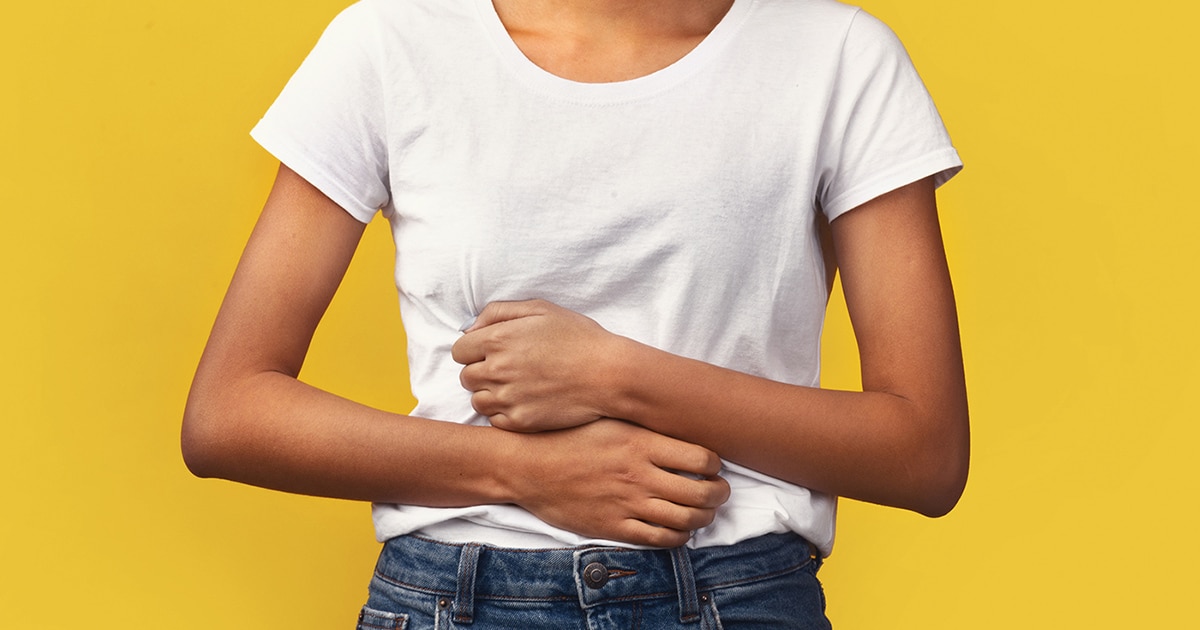
Understanding the underlying physiological causes of this heightened discomfort requires examining how the reproductive system functions under the influence of the disorder. The dull, throbbing sensations typical of lower abdominal cramping are triggered by uterine contractions designed to shed the endometrial lining. These contractions are mediated by prostaglandins, lipid-derived compounds that regulate reproductive processes. While typical menstrual cycles involve moderate prostaglandin activity, elevated concentrations of these compounds lead to excessive uterine contractions, resulting in severe dysmenorrhea. In clinical terms, this is categorized as secondary dysmenorrhea, wherein pain is directly linked to an underlying pathological condition of the reproductive organs, such as PCOS or endometriosis.
The clinical manifestation of secondary dysmenorrhea in PCOS sufferers extends far beyond localized cramping. Patients frequently report deep, aching, or stabbing pains radiating from the uterus into the hips, lower back, and down the thighs. These symptoms often persist for three or more days, frequently accompanied by heavy menstrual bleeding, the passing of substantial blood clots, and subsequent risks of secondary complications such as iron-deficiency anemia. Additional systemic manifestations—including gastrointestinal distress, nausea, vomiting, dizziness, and profound fatigue—compound the burden, underscoring the necessity for targeted medical and lifestyle interventions.
Medical consensus and patient advocacy groups emphasize that individuals dealing with PCOS should not be resigned to a lifestyle dictated by chronic pelvic pain. While modern medicine continues to address historical disparities in women’s health research, growing clinical awareness of anatomical complexities has led to the validation and acceptance of diverse therapeutic frameworks. Integrating conventional medical treatments with holistic lifestyle adjustments can substantially mitigate the severity of PCOS-associated cramps and improve patient outcomes.
Nonsteroidal Anti-Inflammatory Drugs as a Primary Defense
For decades, nonsteroidal anti-inflammatory drugs (NSAIDs) such as ibuprofen and naproxen have served as a first-line defense against menstrual discomfort. For women navigating the unpredictable cycles introduced by PCOS, continuing the use of NSAIDs remains an effective clinical recommendation. Research published in the journal Obstetrics & Gynecology Science indicates that NSAIDs can actively reduce heavy menstrual bleeding commonly associated with PCOS.
The pharmacological mechanism relies on the inhibition of cyclooxygenase (COX) enzymes, which are responsible for synthesizing the prostaglandins that stimulate painful uterine muscle contractions. By dampening this enzymatic activity, the systemic volume of prostaglandins decreases, subsequently alleviating the intensity of cramps. When over-the-counter options fail to provide adequate relief, clinical guidelines advise consulting primary care physicians or gynecologists to explore tailored prescription-strength alternatives.
The Therapeutic Role of Structured Physical Activity
Although the onset of severe cramps often induces a natural inclination toward physical inactivity, clinical evidence supports the incorporation of regular exercise into the routines of women with PCOS. A study featured in the Saudi Journal of Sports Medicine highlights that consistent physical activity can significantly improve menstrual regularity in PCOS patients. Furthermore, because metabolic dysregulation and subsequent weight management challenges are hallmark features of the syndrome, exercise serves a dual therapeutic purpose.
Patients experiencing acute discomfort may find high-intensity workouts unappealing; however, lower-impact modalities offer viable alternatives. Engaging in brisk walking, interval jogging, cycling, swimming, water aerobics, or stand-up paddleboarding can stimulate circulation and alleviate pelvic tension without exacerbating symptoms. While restorative practices like yoga offer general stress relief, more dynamic physical activity generally yields a more pronounced reduction in menstrual pain by promoting systemic blood flow and reducing inflammatory markers.
Regulating Cycles Through Prescription Contraception

Hormonal contraceptives represent a cornerstone in the pharmacological management of PCOS symptoms, extending their utility from acne mitigation to cycle regulation and pain reduction. Oral contraceptives typically combine estrogen and progestin, two foundational hormones of the menstrual cycle. Estrogen maintains endometrial tissue stability across cycles, while synthetic progestin promotes predictable, medically regulated withdrawal bleeding.
Clinical options include combination pills, progestin-only formulations (often termed mini-pills), transdermal patches, and vaginal rings. These interventions work systematically to suppress ovulation, reduce androgen production, stabilize hormonal fluctuations, and decrease the thickness of the uterine lining, which naturally minimizes the volume of bleeding and the severity of cramping. While effective, patients must navigate potential side effects, including mild nausea, breast tenderness, mood alterations, and localized skin irritation depending on the delivery method selected.
Leveraging Heat Therapy for Metabolic and Muscular Relief
Heat therapy remains one of the most accessible and immediate methods for managing menstrual cramps. The application of localized thermal energy—via electric heating pads, heated gel packs, hot water bottles, or warm immersion baths—induces vasodilation, relaxes the myometrium (uterine muscle), and disrupts the pain-signaling pathways transmitted to the brain.
Beyond immediate muscular relaxation, recent physiological research highlights broader metabolic benefits. A 2019 study published in the American Journal of Physiology-Endocrinology and Metabolism demonstrated that regular heat therapy treatments in obese women with PCOS improved adipose tissue insulin signaling and glucose tolerance. These findings suggest that thermal interventions may offer systemic metabolic advantages alongside localized analgesic effects.
Optimizing Nutritional Profiles and Targeted Supplementation

Nutritional status plays a critical role in modulating the systemic inflammation that exacerbates PCOS symptoms. Clinical data indicates that approximately 85% of women with PCOS exhibit deficiencies in Vitamin D, a nutrient essential for modulating inflammatory responses and facilitating calcium absorption. Incorporating Vitamin D, alongside Magnesium, Vitamin E, and omega-3 fatty acids, can significantly suppress inflammatory pathways responsible for severe cramping.
Dietary sources rich in these micronutrients include fatty fish (such as salmon and mackerel), leafy green vegetables, nuts, and seeds. Omega-3 fatty acids offer the added benefit of helping to reduce circulating testosterone levels. For individuals whose dietary restrictions—such as avoiding dairy products due to PCOS management protocols—limit their nutrient intake, high-quality dietary supplements provide a reliable alternative to ensure adequate physiological levels.
Mitigating Inflammation Through Dietary Restrictions
Dietary management for PCOS necessitates the careful monitoring of substances that provoke vascular constriction and systemic inflammation. Caffeinated beverages, including coffee, energy drinks, and certain sodas, cause blood vessels throughout the body to constrict, including those supplying the uterus, thereby intensifying muscular cramps.
Similarly, refined sugars can cause rapid glycemic spikes, which worsen inflammatory processes and heighten pain sensitivity. Eliminating or strictly limiting caffeine and high-sugar items is a critical component of a comprehensive dietary strategy designed to minimize menstrual distress.
Integrating Herbal Alternatives for Stress and Pain Management

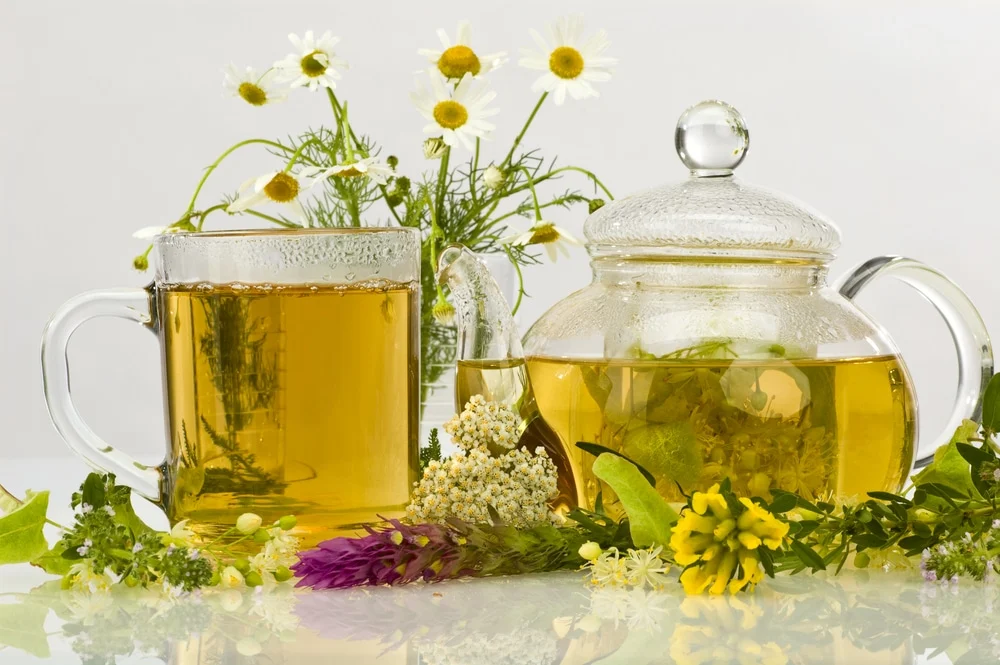
In place of caffeinated or sugary beverages, individuals managing PCOS can incorporate specific herbal teas to support endocrine health and alleviate symptoms. Red reishi mushroom tea contains adaptogens that assist the body in regulating physiological stress responses, thereby mitigating the impact of cortisol on hormonal acne and menstrual regularity.
Additionally, stinging nettle tea (Urtica dioica) functions as a natural anti-inflammatory agent, contributing to reduced cramp severity while supporting the regulation of blood sugar and circulating androgen levels.
Hydration as a Foundational Management Tool
Maintaining optimal hydration is essential for countertaining the fluid retention and bloating frequently experienced during menstruation. Adequate water intake facilitates the renal clearance of excess sodium, reducing the abdominal pressure that exacerbates pelvic discomfort. Furthermore, consuming warm water throughout the day can exert a soothing effect on smooth muscle tissue, helping to calm uterine contractions and promote overall physical ease.
Broad Implications for Women’s Health Frameworks
The intersection of Polycystic Ovary Syndrome and severe dysmenorrhea underscores the broader necessity for specialized, patient-centered approaches within clinical gynecology. As medical research continues to unravel the complexities of female endocrine disorders, the integration of pharmacological interventions, targeted nutritional strategies, and lifestyle modifications offers a validated path forward. By dismantling the normalization of chronic menstrual pain and expanding access to multifaceted care, healthcare systems can empower PCOS sufferers to navigate their menstrual cycles with reduced physiological distress and sustained quality of life.
