
Polycystic Ovary Syndrome (PCOS) remains one of the most prevalent endocrine and metabolic disorders affecting individuals of reproductive age, impacting an estimated 6 to 13 percent of women globally. Characterized by chronic anovulation, hyperandrogenism, and polycystic morphology on ultrasound, the condition is frequently compounded by peripheral insulin resistance and compensatory hyperinsulinemia. In recent years, the medical and nutritional communities have turned increasing attention toward low-carbohydrate and ketogenic dietary interventions as potential therapeutic modalities. By fundamentally shifting the body’s primary energy substrate from glucose to ketone bodies, the ketogenic diet aims to target the underlying metabolic dysfunctions central to PCOS pathogenesis.
Main Facts and Metabolic Mechanisms
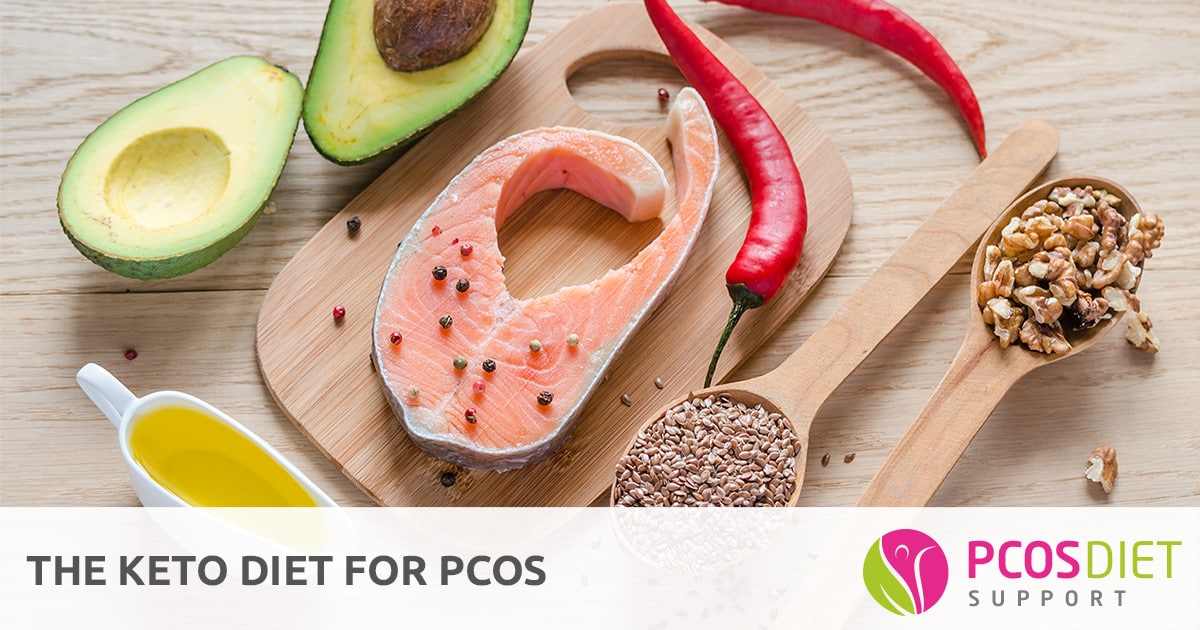
At its core, the ketogenic diet is a high-fat, moderate-protein, and severely restricted-carbohydrate nutritional protocol. Standard ketogenic regimens typically limit carbohydrate consumption to between 20 and 50 grams per day, forcing the liver to convert dietary and stored fats into ketone bodies—acetoacetate, beta-hydroxybutyrate, and acetone—to serve as alternative cellular fuel.
For patients with PCOS, this metabolic shift offers a direct mechanism to address hyperinsulinemia. Elevated circulating insulin levels stimulate the ovarian theca cells to synthesize excess testosterone, which subsequently exacerbates clinical manifestations such as hirsutism, acne, and irregular menstrual cycles. By drastically reducing exogenous carbohydrates, the body’s demand for insulin drops significantly.
Medical experts, including endocrinologists and researchers specializing in metabolic health, often utilize an anatomical analogy popularized by lifestyle medicine authors to explain this process. The body’s immediate glucose stores function similarly to a household refrigerator—easily accessible and frequently replenished. In contrast, adipose tissue acts as a basement freezer, storing long-term energy that remains largely untouched during a high-carbohydrate lifestyle due to a perpetually stocked refrigerator. The implementation of a ketogenic diet effectively depletes the readily available glucose "fridge," compelling metabolic pathways to access and oxidize the deep energy reserves stored within fat cells.
Chronology and Clinical Research Evolution
The historical application of very-low-carbohydrate diets dates back nearly a century, initially utilized for the management of pediatric drug-resistant epilepsy before evolving into commercial weight-loss frameworks such as the Atkins Diet and Low-Carb High-Fat (LCHF) programs. However, systematic clinical inquiry into the specific intersection of ketogenic diets and PCOS began to accelerate in the early 2000s, driven by a growing recognition of the syndrome’s metabolic underpinnings.

A landmark clinical pilot study published in the mid-2000s evaluated the physiological impacts of a low-carbohydrate, ketogenic diet over a six-month period in women diagnosed with PCOS. The findings revealed statistically significant reductions in body weight, fasting insulin levels, and circulating free testosterone. Furthermore, participants demonstrated improvements in their luteinizing hormone (LH) to follicle-stimulating hormone (FSH) ratios, pointing toward a restoration of hypothalamic-pituitary-ovarian axis equilibrium. Subsequent observational studies and patient-reported outcomes within specialized clinical cohorts have continued to validate these early findings, establishing a foundation for modern low-carbohydrate dietary recommendations in specialized metabolic care.
Supporting Data and Physiological Impacts
Clinical data surrounding ketogenic interventions in PCOS populations highlight several multi-system benefits, ranging from metabolic optimization to dermatological improvements.
Weight Loss and Body Composition
Weight management is notoriously difficult for individuals with PCOS due to underlying metabolic suppression. Clinical trials indicate that ketogenic protocols facilitate sustained weight loss primarily through enhanced fat oxidation. As the body becomes keto-adapted, resting metabolic pathways favor the mobilization of endogenous lipid stores over dietary glucose, resulting in measurable decreases in total body mass and visceral adiposity.

Appetite Regulation and Glycemic Stability
Hyperinsulinemia frequently drives a vicious physiological cycle: rapid carbohydrate intake causes sharp spikes in insulin followed by precipitous drops in blood glucose, triggering intense cravings for sweet and starchy foods. By stabilizing serum glucose and insulin fluctuations, the ketogenic diet effectively mitigates these glycemic crashes. Furthermore, high-fat nutritional structures enhance satiety, though researchers continue to investigate the exact neurochemical pathways by which ketosis suppresses appetite signaling.
Cardiovascular Health Indicators
Given that women with PCOS face an elevated lifetime risk of cardiovascular disease, dyslipidemia, and metabolic syndrome, lipid profile management is critical. Clinical investigations into low-carbohydrate diets have observed improvements in cardiovascular risk markers, including reductions in triglycerides and increases in high-density lipoprotein (HDL) cholesterol, though long-term data regarding low-density lipoprotein (LDL) responses remain a subject of ongoing clinical debate.
Dermatological Manifestations (Acne)
Androgen-mediated skin conditions, particularly persistent adult acne, significantly impact the quality of life for PCOS patients. High circulating insulin suppresses hepatic synthesis of Insulin-Like Growth Factor-Binding Protein 1 (IGFBP-1). Because women with PCOS frequently present with baseline deficiencies in IGFBP-1, unbound Free Insulin-Like Growth Factor 1 (IGF-1) levels rise, stimulating excessive sebum production and cutaneous inflammation. By lowering systemic insulin levels via carbohydrate restriction, the body upregulates IGFBP-1, subsequently reducing free IGF-1 activity and ameliorating acne symptoms.
Therapeutic Limitations, Side Effects, and Contraindications

Despite promising clinical outcomes, ketogenic diets present notable challenges and physiological risks that require careful medical evaluation.
Sustainability and Dietary Adherence
The extreme restrictiveness of eliminating major food groups makes the ketogenic diet difficult for many patients to maintain over extended periods. Because PCOS is a lifelong endocrine condition, nutritional strategies must ultimately prioritize long-term sustainability rather than short-term compliance.
The "Keto Flu"
During the initial transition phase—typically lasting the first one to two weeks of severe carbohydrate elimination—patients frequently report a cluster of transient symptoms colloquially termed the "keto flu." These may include headaches, lethargy, irritability, nausea, and muscular cramping. This phenomenon occurs as the body depletes glycogen stores and undergoes electrolyte shifts prior to achieving full metabolic keto-adaptation.
Gastrointestinal Considerations
The elimination of fiber-rich whole grains, legumes, and certain fruits frequently leads to acute or chronic constipation during early ketogenic phases. Clinical management typically requires a conscious inclusion of leafy green vegetables, non-starchy cruciferous options, and adequate hydration to maintain proper gastrointestinal motility.

Thyroid Function and Hypothyroidism Considerations
A critical area of caution involves patients presenting with concurrent subclinical hypothyroidism or Hashimoto’s thyroiditis, both of which demonstrate a higher prevalence among women with PCOS. Adequate insulin signaling plays a supportive role in peripheral thyroid hormone conversion and overall thyroid function. Consequently, drastic reductions in insulin via strict ketogenic protocols may adversely impact thyroid hormone metrics in susceptible individuals, suggesting that moderate-carbohydrate approaches are often clinically preferable for thyroid-compromised patients.
Broader Impact and Clinical Implications
Medical consensus emphasizes that the ketogenic diet is not a mandatory prerequisite for the effective management of PCOS. While structured low-carbohydrate or ketogenic protocols serve as a valuable clinical tool—particularly for patients experiencing weight-loss plateaus or severe metabolic dysfunction—standard whole-food dietary guidelines, regular physical activity, and targeted evidence-based supplementation remain robust foundations for long-term symptom control.
For patients electing to explore a ketogenic lifestyle, healthcare professionals often advocate for a graduated transition. Rather than abrupt carbohydrate elimination, a phased dietary reset—gradually lowering daily carbohydrate consumption over several weeks while emphasizing nutrient-dense, whole-food sources of healthy fats and quality proteins—can minimize adverse side effects and improve long-term adherence. Ultimately, personalized medical nutrition therapy tailored to the individual’s unique metabolic phenotype remains the gold standard for navigating the complexities of Polycystic Ovary Syndrome.
