
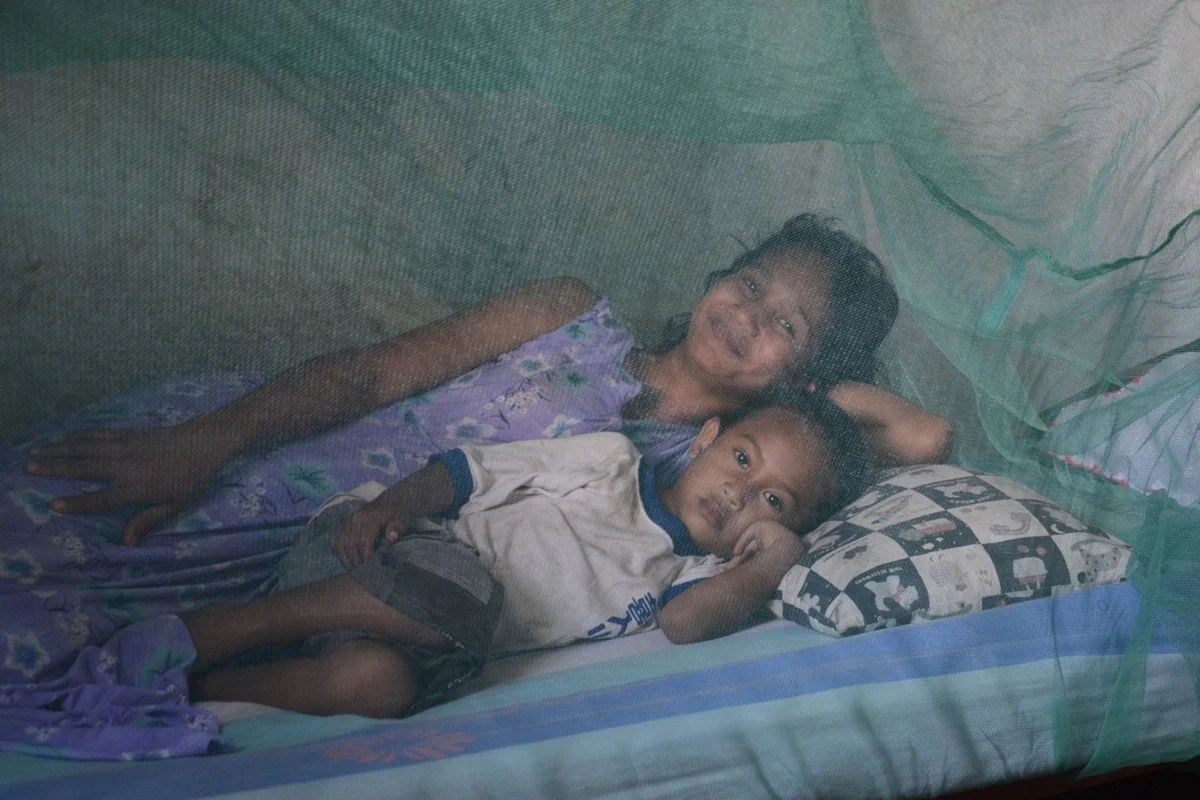
In a landmark achievement for global public health, the World Health Organization (WHO) has officially certified Timor-Leste as malaria-free, concluding a two-decade-long campaign to eradicate the mosquito-borne disease. This certification, granted after the country successfully maintained zero indigenous malaria transmission for three consecutive years, represents a monumental shift for a nation that faced a severe disease burden in the years immediately following its 2002 independence. Timor-Leste now joins a select group of 47 countries and one territory that have successfully eliminated the disease, becoming only the third nation in the WHO South-East Asia region—alongside the Maldives and Sri Lanka—to reach this status.
A Chronology of Eradication: From Crisis to Certification
The trajectory of Timor-Leste’s malaria response is a study in rapid institutional development. In 2006, just four years after gaining sovereignty, the nation reported a staggering 223,000 clinically diagnosed malaria cases. The healthcare infrastructure at the time was fragile, struggling to cope with the aftermath of conflict and the immense pressure of a widespread epidemic.
The turning point arrived in 2003, when the Ministry of Health established the National Malaria Programme (NMP). Initially staffed by only two full-time officers, the NMP focused on the systematic planning and implementation of core malaria interventions. By the late 2000s, the program had achieved nationwide integration, introducing rapid diagnostic tests (RDTs) and artemisinin-based combination therapy (ACT)—the gold standard for malaria treatment.
The timeline of progress is marked by several strategic pivots:
- 2003: Formal establishment of the National Malaria Programme to centralize control efforts.
- 2009: Significant scaling of vector control through partnerships with the Global Fund, including the mass distribution of long-lasting insecticide-treated nets (LLINs) and indoor residual spraying (IRS).
- 2010–2015: Expansion of diagnostic capacity, integrating microscopy and RDTs into all local health posts to ensure rural access.
- 2018–2020: Final push toward elimination, focusing on active case detection and the strengthening of cross-border surveillance.
- 2021: The nation records its first year of zero indigenous malaria cases, maintaining this status through the present day.
Strategic Interventions and Public Health Infrastructure
The success of the campaign was not the result of a single "silver bullet," but rather a comprehensive strengthening of the nation’s three-tier healthcare delivery system. Recognizing that geography—much of which is rugged and mountainous—posed a significant barrier to care, the government invested heavily in expanding its network of national hospitals, reference hospitals, community health centers (CHCs), and local health posts.
Central to this strategy was the government’s policy of universal health care, which provided free diagnostic services and treatment at the point of care. This removed the financial barrier that often prevents vulnerable populations from seeking help until a disease reaches a critical stage. By deploying mobile clinics and community outreach programs, the Ministry of Health ensured that even the most remote residents could access care within an hour’s walk, a critical factor in stopping the spread of parasites.
Technological integration also played a pivotal role. The implementation of a real-time, integrated case-based surveillance system allowed for rapid data collection. This allowed health officials to pinpoint outbreaks with geographic precision, enabling targeted interventions rather than relying on inefficient, blanket approaches. Trained health workers stationed at borders and entry points ensured that imported cases were detected immediately, preventing the re-establishment of local transmission cycles.
Official Responses and International Recognition
Dr. Tedros Adhanom Ghebreyesus, the WHO Director-General, praised the nation’s resilience in a formal statement. "Timor-Leste’s success proves that malaria can be stopped in its tracks when strong political will, smart interventions, sustained domestic and external investment, and dedicated health workers unite," he noted. The achievement serves as a template for other nations in the region and beyond, demonstrating how a young, resource-constrained nation can prioritize human capital to overcome significant epidemiological threats.
The Minister of Health of Timor-Leste, Dr. Ália António de Araújo dos Reis Amaral, reflected on the emotional and human cost of the journey. "We did it. Malaria has been one of our most relentless enemies—silent, persistent, and deadly. We lost too many lives to a disease that should be preventable," she stated. She emphasized that the certification is not merely a bureaucratic milestone but a tribute to the "health workers who never gave up" and the communities that supported the prevention efforts.
Dr. Arvind Mathur, the WHO Representative to Timor-Leste, highlighted the grit required to maintain zero-case status. He noted that beyond the scientific protocols, the victory was achieved through the relentless investigation of every suspected case, ensuring that even a single instance of the disease did not escalate into a resurgence.
Implications for the Future of Public Health
The certification of Timor-Leste has profound implications for regional health security. Malaria has long been a drain on the economic productivity of developing nations, contributing to absenteeism, lost labor hours, and the depletion of family savings due to medical costs. By eradicating the disease, Timor-Leste has significantly bolstered its long-term economic outlook, freeing up public funds previously dedicated to malaria control to be reallocated toward other pressing health priorities, such as non-communicable diseases or maternal and child health.
Furthermore, the model employed by Timor-Leste provides a framework for "integrated health systems strengthening." Instead of creating a vertical, disease-specific program that functions in isolation, the NMP was embedded within the broader healthcare infrastructure. This approach ensured that the diagnostic and surveillance tools used for malaria were also available for other diseases, effectively elevating the standard of care for the entire population.
However, the WHO and the government have issued cautions regarding "post-elimination" complacency. The risk of re-introduction remains, particularly given the movement of people across borders in Southeast Asia where malaria remains endemic. To safeguard this victory, the Ministry of Health has committed to ongoing vigilance. This includes maintaining high-quality surveillance, sustaining public awareness campaigns, and ensuring that healthcare workers remain skilled in the diagnosis of imported malaria cases.
Conclusion: A Global Triumph of Determination
The journey of Timor-Leste from a country with over 200,000 clinical malaria cases to one that is entirely malaria-free stands as a profound testament to what can be achieved through consistent policy and collective resolve. It validates the WHO’s global strategy, which emphasizes that elimination is possible even in challenging environments when the political will is absolute.
As the nation moves forward, the lessons learned from the last twenty years will serve as a foundational pillar for its healthcare system. The "zero malaria" status is not just a health certificate; it is a signal of the country’s maturing governance and its ability to protect the lives of its citizens. By effectively ending the transmission of one of the world’s most persistent killers, Timor-Leste has set a high bar for the region and provided a beacon of hope for other nations currently battling the same silent, deadly enemy. The triumph is a victory for the health workers, the policy planners, and the people of Timor-Leste, who have successfully secured a healthier future for generations to come.
