
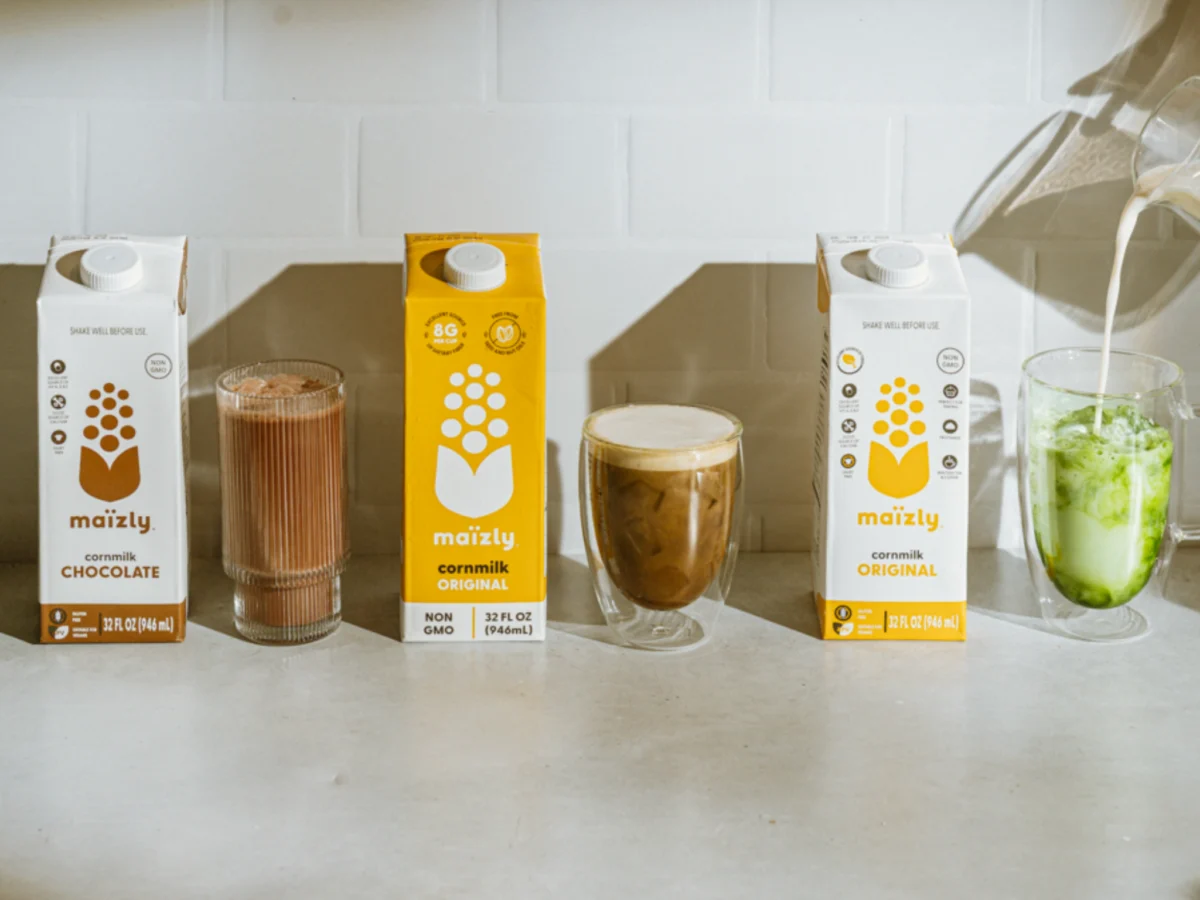
The journey to perfect a plant-based milk that could genuinely challenge the dominance of dairy has been a long and intricate one for Maïzly. According to CEO Tim Leclercq, it took an impressive four years and 120 iterations to develop a single corn milk formulation designed to excel across multiple applications, from everyday consumption to sophisticated coffee creations. This extensive period of research and development underscores the significant technical hurdles faced in creating a non-dairy alternative that can truly rival dairy’s versatility and appeal.
Speaking on the sidelines of Nectar’s Tasty Awards in San Francisco, an event celebrating innovation and quality in the food and beverage sector, Leclercq detailed the company’s mission to overcome common drawbacks in the plant-based milk market. "We wanted to develop one SKU that does everything, so you don’t need to have a whole lot of different SKUs in your fridge. Just like dairy," he stated, highlighting the desire for simplicity and convenience that mirrors the dairy aisle. The core challenge, he explained, was to avoid replicating the characteristics of existing plant-based milks and instead focus on addressing their perceived shortcomings.
The Genesis of Maïzly: A Quest for Superior Functionality
The impetus behind Maïzly’s ambitious undertaking stemmed from a perceived gap in the market. Many existing plant-based milks, while offering an alternative to dairy, often fall short in key areas. Common complaints include off-flavours that can overpower coffee, poor frothing capabilities, and undesirable textures. Leclercq and his team recognized that a truly disruptive product needed to offer a seamless transition for consumers accustomed to dairy, without forcing compromises on taste or performance.
"We set about dealing with and focusing on the problems that we found with the set that existed," Leclercq elaborated. This problem-solving approach led to the development of Maïzly’s corn milk, which debuted in the US last year. The company emphasizes a "complementary taste profile," ensuring that the base ingredient does not intrude on the flavour of beverages, particularly coffee. Leclercq proudly stated, "It lets the coffee shine."
Coffee Channel Dominance: A Strategic Focus
The coffee industry represents a significant target for Maïzly, given the substantial growth in non-dairy milk consumption within cafes. The company’s corn milk boasts several attributes that make it particularly well-suited for this channel. "Because our product has no sediment, it’s got the complementary taste profile, it steams so well, and it’s allergen-free, it works really well in the coffee industry," Leclercq explained. The absence of sediment ensures a smooth, appealing texture, while its excellent steaming capabilities allow for the creation of microfoam essential for latte art and well-textured cappuccinos. Furthermore, its allergen-free status broadens its appeal in a market increasingly conscious of dietary restrictions.
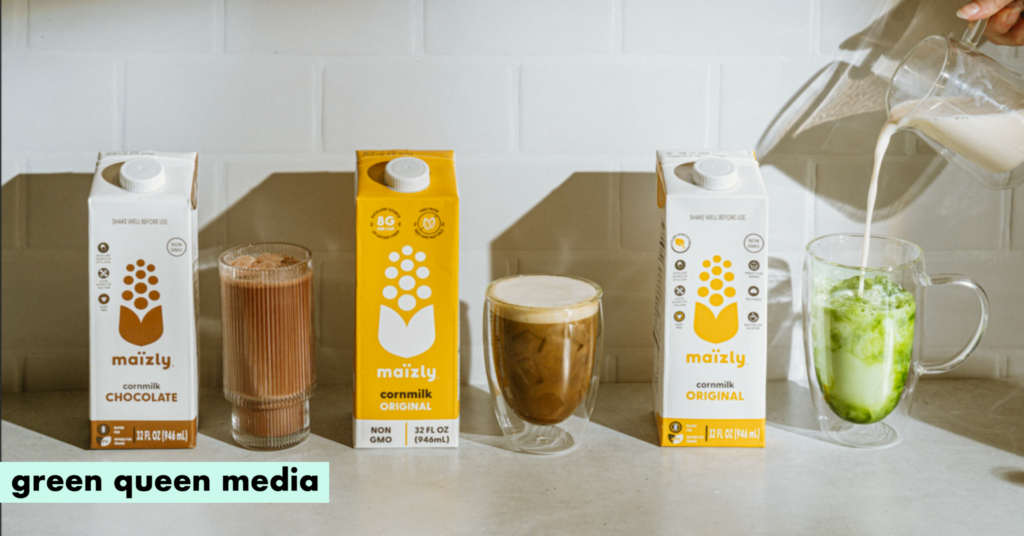
Leclercq noted the product’s success in "specialty coffees," where it allows for the nuances of different coffee beans and flavourings to be appreciated without interference. This is a crucial distinction from some plant-based milks that can introduce their own distinct flavour notes, potentially clashing with the coffee itself.
Beyond frothing and taste, Maïzly’s corn milk is positioned as a highly functional ingredient for a range of culinary uses. "It’s also fully functional, so you can do absolutely everything with it," Leclercq asserted. "You bake with it, cook with it, it steams like a normal dairy milk for your cappuccinos, you can do all the barista art." This all-encompassing functionality is a cornerstone of Maïzly’s value proposition, aiming to replace dairy milk entirely in a consumer’s refrigerator.
Capitalizing on Emerging Trends: Cold Foam and Health-Conscious Consumers
Maïzly is strategically aligning its product with key emerging trends in the beverage industry. One such trend is the burgeoning popularity of cold foam. Data indicates a significant surge in consumer interest, with year-on-year growth in searches for "cold foam" rising by 73% in 2025, largely driven by platforms like TikTok which saw a 105% increase. This trend is projected to continue, with an anticipated additional 25% growth this year.
Leclercq confirmed Maïzly’s suitability for this application: "We work well with cold foam as well. That is definitely an area where we can fill that opportunity." He views the specialty coffee space as a fertile ground for innovation, where the creativity in flavor development can be seamlessly complemented by Maïzly’s neutral taste profile. "How our product just merges into that lane very seamlessly," he added.
Beyond the coffee shop, Maïzly is targeting health-conscious consumers, particularly those focused on increasing their fibre intake. Fibre is one of the most sought-after macronutrients, with a significant portion of the population failing to meet recommended daily intake levels. Statistics reveal that approximately 95% of Americans do not consume adequate fibre, with many falling significantly short of recommended amounts.
Maïzly’s corn milk offers a substantial source of dietary fibre, providing 8 grams per serving, which equates to roughly one-third of the daily recommended intake. Leclercq emphasized the quality of this fibre: "It’s corn fibre, which is one of the best forms of fibre you can consume because it goes further and lasts longer." This addresses the growing "fibermaxxing" trend, particularly among Gen Z, who are actively seeking ways to boost their fibre consumption. "For one cup, you’re getting a third of your daily requirement without even noticing it. So it’s an easy way to consume fibre," Leclercq highlighted.
Addressing the Protein Question and Micronutrient Fortification
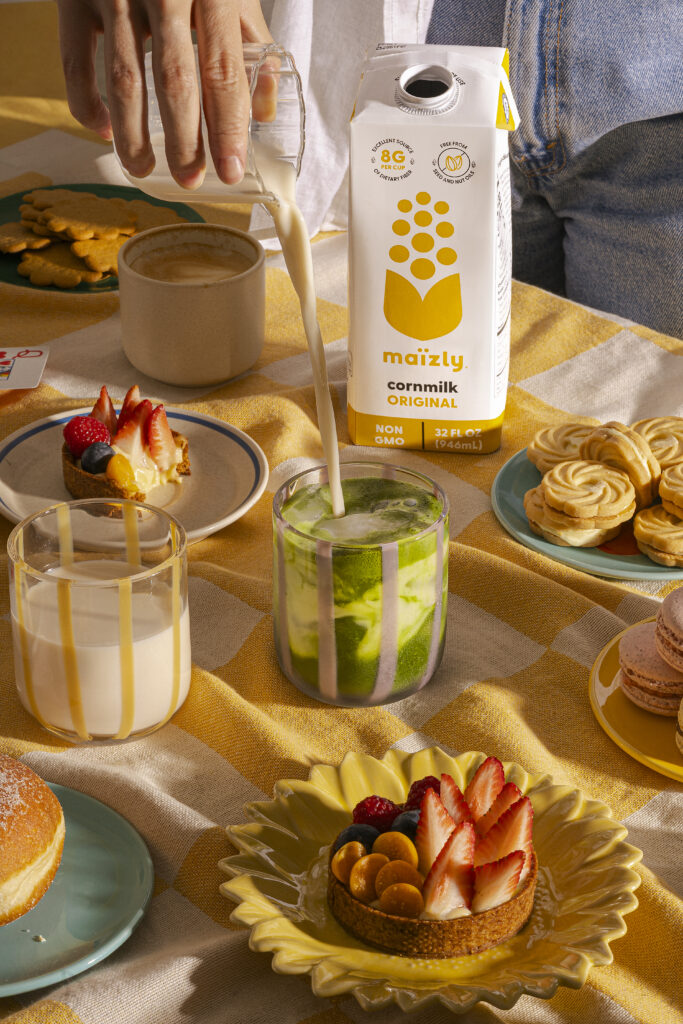
While Maïzly’s corn milk excels in fibre content and functional versatility, protein is an area where it aligns with, rather than surpasses, existing non-dairy alternatives. It contains 1 gram of chickpea protein per cup, comparable to brands like Almond Breeze and Silk’s oat milk. This positions it within a market that often prioritizes high protein content.
Leclercq acknowledged this: "It’s not a big feature of our product, but it is there." He explained the rationale behind choosing chickpea protein, citing its excellent amino acid profile and high digestibility among plant-based sources. "It’s got all but one of the amino acid chains, and it’s also one of the most easily absorbed plant-based proteins," he noted. The company’s aim is to maximize the efficiency of the protein consumed. While they have explored increasing protein levels, the cost of ingredients presents a significant challenge in maintaining affordability and accessibility for a mainstream audience. "You’ve got to balance affordability with health as well. You want to get into the mainstream, right? So that’s probably the biggest reason why we’ve kept it where it’s at," Leclercq reasoned.
However, where Maïzly’s corn milk might be perceived as lighter on protein, it compensates with essential micronutrients. The product is fortified with vitamins A, D, and E, along with calcium, further enhancing its nutritional profile. Additionally, it boasts a lower sugar content compared to many alternatives, containing half the sugar of oat milk and a third of dairy milk.
A significant differentiator for Maïzly is its avoidance of seed and nut oils. The company utilizes coconut oil, a conscious choice informed by consumer concerns. "We found in a lot of our research, part of the reason people are moving away from oat milk, for example, back to dairy, is because of the seed oil issue, which has become quite, you know, out there. So the fact that we don’t have seed oils is also a really positive health trend for our product," Leclercq stated. This addresses a growing segment of consumers actively seeking products free from processed seed oils.
Market Penetration and the Flexitarian Appeal
The combination of dairy-like functionality, a seed-oil-free formulation, and notable fibre content has resonated with consumers. Maïzly’s original corn milk recently earned a Tasty Award, with an impressive 50% of taste-testers rating it as on par with or superior to conventional dairy milk. This recognition from Nectar, a respected organization in taste and industry analysis, signifies a significant achievement for the relatively new brand.
Leclercq expressed pride in Maïzly’s positioning: "We’re just starting out on our journey. So for us, it’s really exciting to get onto the shelf amongst the Oatlys and the Califias of this world, and we feel quite proud that we’re there." He acknowledged the pioneering efforts of brands like Oatly, which have been instrumental in normalizing plant-based milks and paving the way for new entrants.
Despite the advancements, the gap between plant-based alternatives and dairy milk remains a subject of ongoing discussion and market analysis. Nectar’s 2026 Taste of the Industry report indicates that while dairy-free milk has entered 40% of US households, its growth has plateaued in recent years. Maïzly’s strategic objective is to reignite this growth by targeting the flexitarian market.
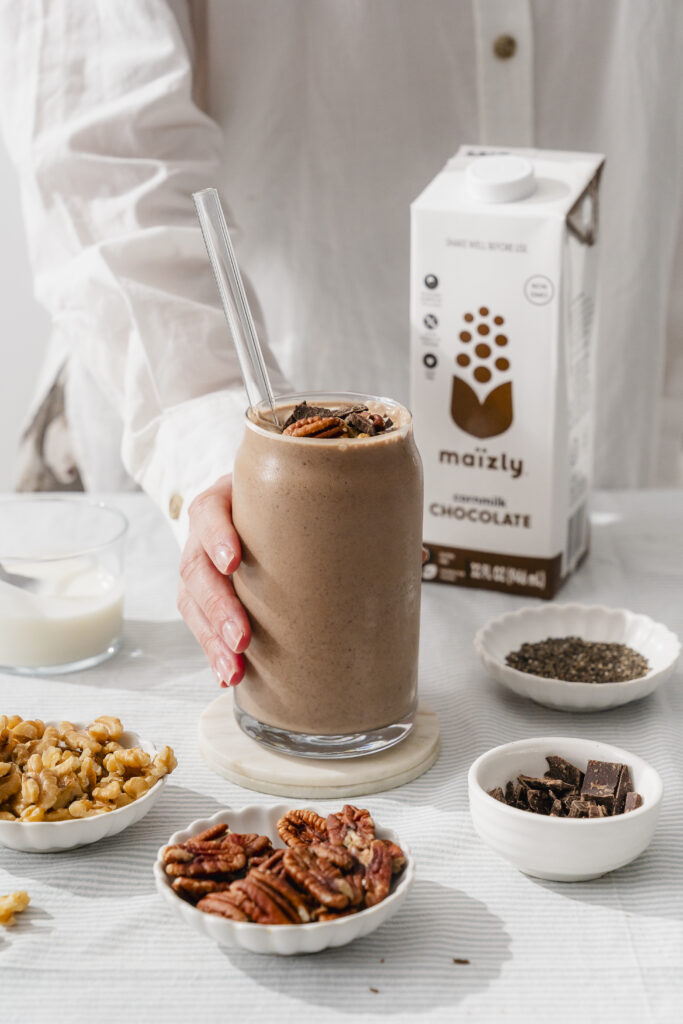
"Our focus is really on the flexitarian market, hence why our product is so similar to dairy," Leclercq emphasized. He elaborated on the key attributes that appeal to this demographic: "It’s got the same mouthfeel as dairy. It’s got the opacity of a dairy milk, and the taste profile is most similar to dairy. So that 33% of the population that considers themselves flexitarian is the market we feel that we can access." Leclercq’s personal journey also informs this strategy; his own departure from dairy was due to the taste of existing plant-based options in coffee, a gap he set out to fill with Maïzly.
Expansion and Future Innovations: A Taste of What’s to Come
Since its US launch a year ago, Maïzly has been on an aggressive expansion trajectory. The company has extended its distribution beyond the initial North and Northeast regions, now reaching down the East Coast, into Texas, and the Chicago area, securing placement in approximately 1,700 outlets. The strategy includes a deliberate entry into key coffee shops, with Chicago serving as a pilot market. Collaborations with establishments like Discourse Coffee and Metric Coffee are designed to create a ripple effect, enhancing brand visibility and adoption. San Francisco is identified as another critical market for future growth.
Internationally, Maïzly has established a presence in the UK’s foodservice and coffee sectors through a distributor focused on premium outlets, including Premier League football club canteens and prestigious universities like Oxford and Cambridge, as well as major corporate offices.
Product development remains a priority. A reformulated chocolate corn milk is slated for release next year, incorporating corn fibre, which is currently exclusive to the plain variant. More immediately, Maïzly is launching a collaborative specialty coffee drink named "Panic in the Disco," developed with Discourse Coffee. Leclercq enthusiastically described it as "probably the best thing you’ll ever taste in food or drink." This innovative beverage will be introduced at the upcoming World of Coffee festival and featured in various coffee-related events and competitions.
Furthermore, Maïzly is exploring grab-and-go formats with Discourse Coffee, hinting at future product lines characterized by "unusual flavours, unusual names," further underscoring the company’s commitment to continuous innovation and market engagement. The ambition is clear: to not just compete, but to redefine the plant-based milk landscape by offering a product that truly satisfies the diverse needs and preferences of consumers, from the discerning barista to the health-conscious shopper.