
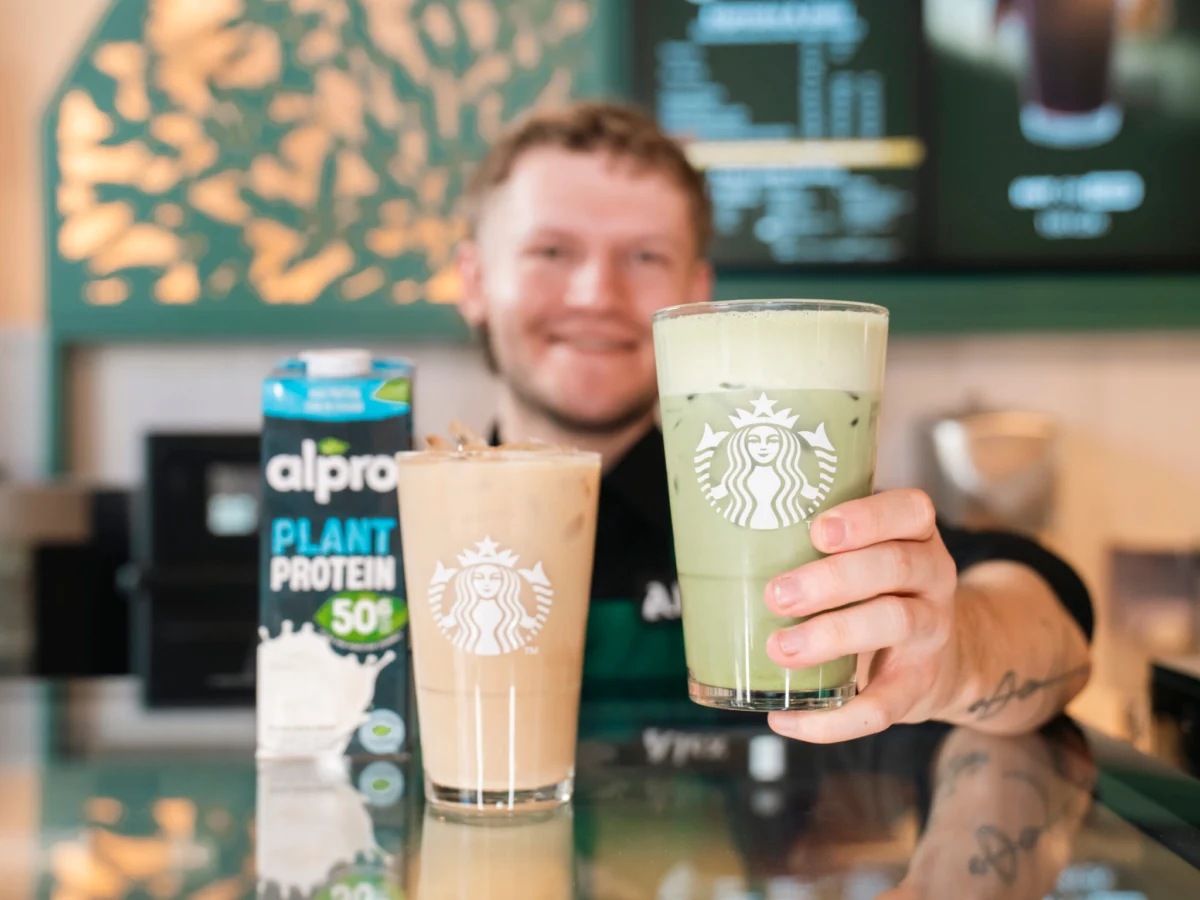
Starbucks has announced a significant expansion of its protein-enhanced beverage offerings in Europe, partnering with Danone to introduce plant-based protein lattes featuring Alpro’s high-protein soy milk across Central Europe. This strategic move, following successful launches in North America and India, signifies Starbucks’ commitment to catering to the growing demand for functional and plant-forward beverages. Concurrently, the coffee giant has rolled out protein-rich cold foams across its Europe, Middle East, and Africa (EMEA) region, though these are formulated with whey protein, drawing parallels with its North American strategy.
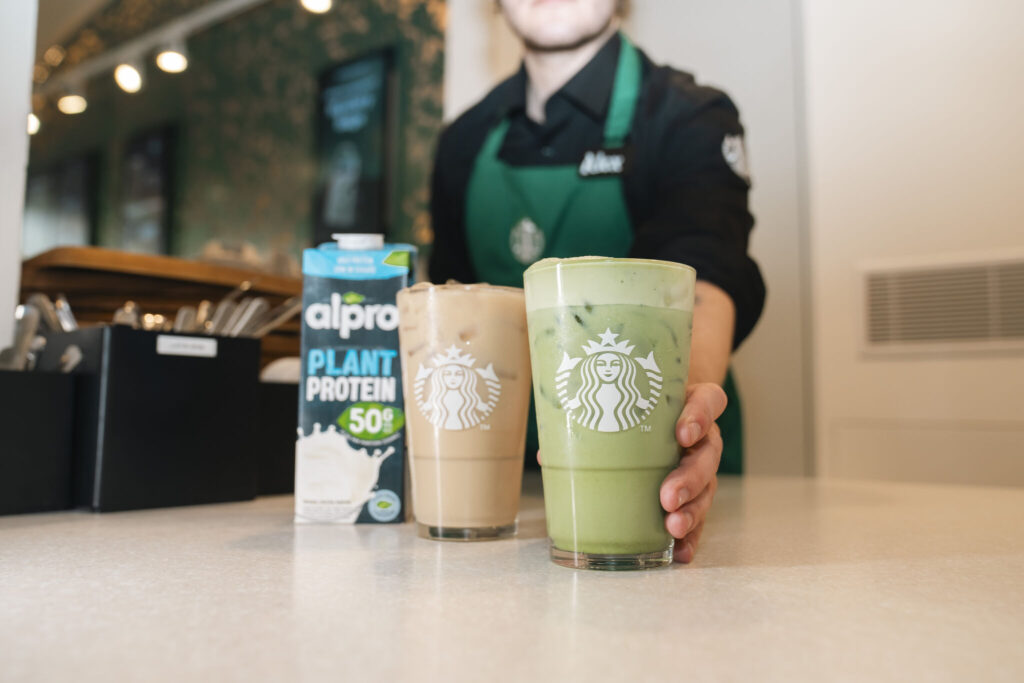
The Central European rollout specifically leverages Alpro’s advanced soy milk, which boasts an impressive 5 grams of protein per 100 milliliters. This collaboration will see two new signature drinks – a sugar-free vanilla latte and a matcha latte – crafted with Alpro’s protein-boosted soy milk. These beverages are available to customers in hot or iced variations and offer a substantial protein boost, ranging from 8 to 22 grams per serving, depending on the size ordered. The initiative is being implemented across over 450 Starbucks stores in eight Central European countries, operated by AmRest, a major franchisee.
This expansion into plant-based protein options for lattes in Central Europe marks a departure from the whey-based protein inclusions seen in similar launches in other regions. It underscores a nuanced approach by Starbucks to align its product development with regional consumer preferences and market dynamics, particularly in a continent where plant-based diets are gaining considerable traction.
A Growing Demand for Protein: The European Context
The introduction of these protein-enhanced beverages by Starbucks is strategically timed to capitalize on a burgeoning trend. According to insights from Innova Market Insights, a significant portion of European consumers, approximately half, are actively seeking to increase their protein intake. This pursuit is driven by a multifaceted desire for enhanced overall health and well-being, with consumers looking for protein in diverse formats and for various consumption occasions throughout their day.
This growing consumer interest extends beyond mere nutritional benefits. Data suggests that plant-based options are increasingly valued for their nutritional advantages, with a considerable segment of European consumers viewing them as standalone dietary choices rather than simply substitutes for animal-based proteins. Additional factors, such as fiber content, improved digestibility, and broader health benefits, are also playing a crucial role in driving the adoption of plant-based products across the continent.
Starbucks’ Strategic Partnership with Danone’s Alpro
The collaboration with Danone’s Alpro brand is a cornerstone of Starbucks’ European protein strategy. Alpro, a well-established leader in the plant-based dairy alternatives market, brings considerable expertise and a robust product portfolio to this partnership. The specific Alpro high-protein soy milk used in the new lattes is formulated with a higher concentration of soybeans – 13.1% compared to the 8.3% found in Alpro’s standard soy milk. This deliberate formulation allows the milk to deliver a superior protein punch without artificial additives, aligning with consumer preferences for natural ingredients.
While not explicitly marketed as a barista-specific product, Alpro soy milk naturally froths well, a key attribute for coffee beverages. The inclusion of an acidity regulator in the protein-boosted version ensures stability when combined with espresso, preventing curdling and maintaining a smooth texture, thus confirming its suitability for premium coffee applications.
The protein lattes are now available in key European markets, including Germany, which is recognized as the largest market for plant-based foods in Europe. Other participating countries include Poland, Slovakia, the Czech Republic, Hungary, and Romania, indicating a broad strategic focus on Central and Eastern European markets.
Expanding the Protein Portfolio: Cold Foams Across EMEA
In parallel with the Central European latte initiative, Starbucks has also launched protein-rich cold foams across its broader EMEA footprint. These cold foams are designed to be an additive to any iced beverage, providing an additional 15 grams of protein per serving. However, a key distinction is that these cold foams are formulated using whey protein, mirroring the approach taken in the United States for similar product introductions. This dual strategy – plant-based for lattes in specific regions and whey-based for cold foams in a wider geographical area – highlights Starbucks’ multifaceted approach to meeting diverse consumer demands and operational considerations.
The cold foams are offered in popular flavors such as caramel and sugar-free vanilla, designed to complement a range of iced drinks, including lattes, matcha beverages, and Americanos. Dan Saxby, beverage product developer for Starbucks EMEA, commented on the innovation, stating, "We’ve launched several premium, hype-worthy protein beverages that tap into growing consumer demand for protein, innovating with our high-quality arabica coffee to develop new, modern, relevant products that resonate with our customers."
Chronology of Starbucks’ Protein Beverage Expansion
Starbucks’ foray into protein-enhanced drinks is not a recent development. The recent Central European launches follow a series of strategic rollouts in other key markets:
- North America: Starbucks first introduced in-store protein drinks, including lattes and cold foams based on whey protein, in the United States and Canada. This laid the groundwork for the company’s broader protein strategy.
- India: Following the North American introduction, Starbucks launched protein cold foams in India. This initiative saw a unique collaboration with SuperYou, a brand founded by Bollywood star Ranveer Singh, which specializes in fermented yeast protein. This marked an exploration into alternative protein sources beyond traditional dairy and soy.
- Central Europe (Current Launch): The recent partnership with Danone’s Alpro for plant-based protein lattes in Central Europe represents a significant regional expansion, emphasizing plant-based formulations.
- EMEA Cold Foams (Current Launch): Simultaneously, the introduction of whey-based protein cold foams across the wider EMEA region demonstrates Starbucks’ commitment to offering protein-rich options across a broad spectrum of its European operations.
This chronological progression reveals a pattern of market testing and strategic adaptation, with Starbucks gradually introducing and refining its protein beverage portfolio based on regional consumer preferences and technological advancements in protein sourcing.
Alpro Soy Milk: A Superior Protein Source
The emphasis on Alpro’s high-protein soy milk for the Central European lattes is noteworthy, particularly in comparison to dairy milk and conventional plant-based alternatives. Alpro’s formulation achieves a higher protein concentration by increasing the soybean content, offering a more potent source of this essential macronutrient. This makes the Alpro-based lattes a compelling option for consumers actively seeking to boost their protein intake through their daily coffee rituals.
Grzegorz Kazmierczak, Starbucks’ regional operations director for Slovakia and the Czech Republic, highlighted the strategic importance of this partnership. He stated, "Today’s customers are looking for beverages that offer great taste and added benefits. Collaborating with Alpro allows us to meet this need and introduce plant-based protein options that naturally fit into our customers’ daily routines."
The nutritional impact of these new beverages is substantial. For instance, a Grande sugar-free iced vanilla latte made with Alpro soy milk can now provide up to 11.3 grams of protein, with the hot version offering approximately 16.6 grams. Matcha lattes show an even higher concentration, with a Venti-sized hot version potentially delivering up to 22.7 grams of plant-based protein.

Jana Petrová, head of plant-based for Central and Eastern Europe at Alpro, expressed enthusiasm for the collaboration: "We are thrilled to be partnering with Starbucks to bring our Alpro ‘plant protein’ soy drink to customers in a whole new way. Our partnership celebrates innovation in plant-based beverages and gives customers more opportunities to recharge with low-sugar plant-based protein drinks."
Implications for Sustainability and the Plant-Based Market
Starbucks’ strategic pivot towards plant-based protein options, particularly in Central Europe, has significant implications for its sustainability goals and the broader plant-based food and beverage market. The company has publicly committed to halving its greenhouse gas emissions by 2030. Dairy farming is a notable contributor to these emissions, with methane released from dairy cows accounting for a substantial portion of Scope 1 and 3 emissions.
By offering plant-based alternatives like the Alpro soy lattes, Starbucks can actively reduce its reliance on dairy, thereby contributing to its emission reduction targets. However, the continued use of whey protein in cold foams across the wider EMEA region presents a potential contradiction to these ambitious climate goals. While whey is a byproduct of cheese production, its inclusion means that dairy remains a component of these protein offerings.
Olga Wettler, communications manager for Starbucks Central Europe, emphasized the company’s vision for a more personalized coffee experience: "We’ve noticed that our guests are increasingly looking for beverages that not only taste good but also fit into their daily choices and lifestyle. That’s why we are expanding our offerings to include plant-based milk alternatives with added protein," she noted, calling it a step towards a more "tailored and contemporary" coffee experience.
The decision to embrace soy milk, a well-established and widely accepted plant-based alternative, signals a pragmatic approach to integrating plant protein into mainstream coffee culture. This move by Starbucks is likely to further normalize and popularize plant-based protein beverages, potentially driving increased consumer uptake for brands like Alpro and encouraging other food service companies to explore similar partnerships.
While the company’s overall emissions have seen a slight increase since its 2019 baseline year, the share of emissions from fluid dairy purchases has remained relatively stable. This suggests that while progress is being made in some areas, the transition away from dairy across all product lines requires further strategic impetus. The successful implementation and widespread adoption of plant-based protein options could significantly accelerate Starbucks’ progress toward its sustainability objectives, demonstrating that consumer-centric innovation and environmental responsibility can go hand-in-hand. The choice of a plant-based protein for the lattes in Central Europe is a strong indicator of the growing potential and acceptance of alternative proteins in the European market, and a strategic move that could resonate positively with environmentally conscious consumers.