
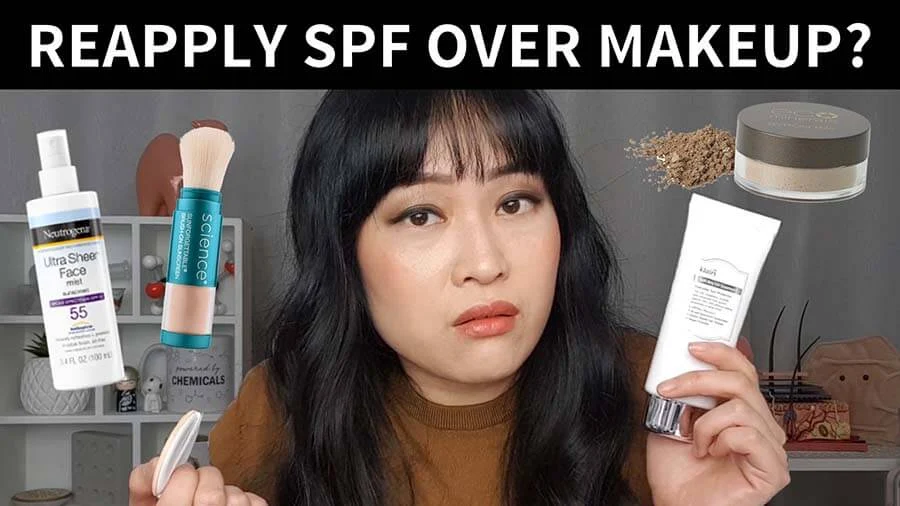
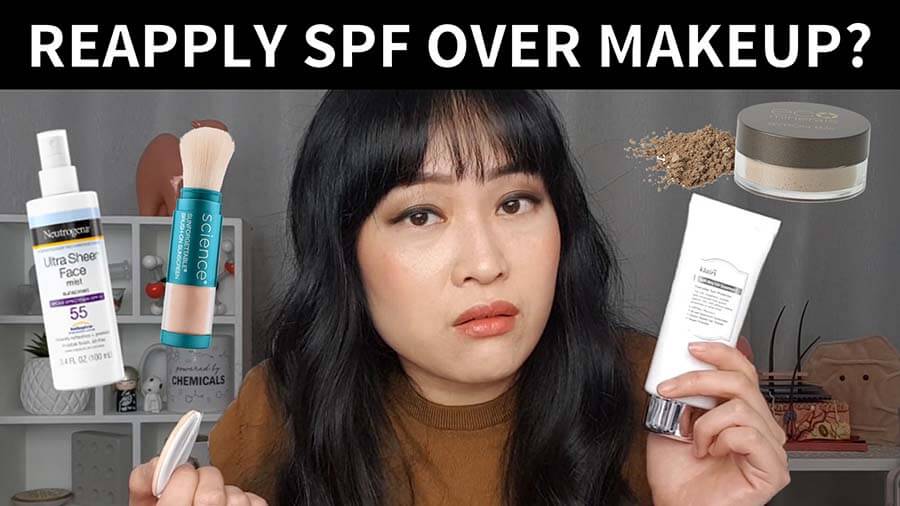
The modern skincare dilemma is as universal as it is frustrating: applying a flawless face of morning makeup over a reliable layer of sunscreen, only to be confronted by dermatological guidance demanding complete reapplication every two hours. For decades, beauty enthusiasts and everyday consumers alike have struggled to reconcile the strict mandates of photoprotection with the practical realities of cosmetics. Attempting to layer liquid lotions, powders, or sprays over foundation inevitably threatens to disturb carefully blended contours, melt mascara, or cake product into fine lines. However, recent scientific evaluations, clinical data, and practical application strategies are finally shedding light on how to balance aesthetic preservation with effective ultraviolet defense.
Understanding the necessity of reapplication requires an examination of how sunscreen behaves on human skin over time. Dermatological guidelines consistently advise reapplying SPF products at regular two-hour intervals, a directive driven by several distinct physical and chemical mechanisms. First and foremost, sunscreen is continually compromised by physical friction. Daily habits—such as brushing against collars, resting hands on the chin, or adjusting hair—gradually displace the protective product, reducing the overall thickness of the barrier and, consequently, diminishing the level of defense provided.
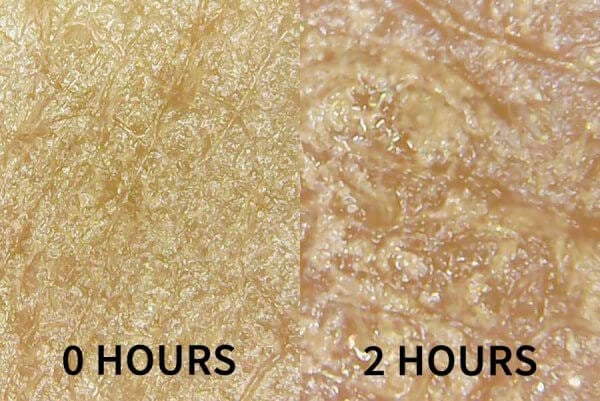
Furthermore, the initial continuous film formed by a freshly applied sunscreen inevitably degrades as it interacts with the skin’s natural secretions. Throughout the day, sebum production and moisture transpiration break down the uniform matrix of the product. Microscopic shifts occur as facial muscles move during talking, eating, and yawning, causing the sunscreen layer to migrate, clump into micro-aggregates, and settle into pores and expression lines. Similar to how liquid foundation separates and settles over time, sunscreen undergoes structural degradation that leaves gaps in the protective shield.
Compounding this breakdown is simple product evaporation and dermal absorption. As volatile components evaporate and the formulation integrates into the superficial layers of the stratum corneum, the overall film thins out, altering its light-absorption properties. While modern cosmetic chemistry has largely addressed the issue of photolability—ensuring that contemporary organic and inorganic filters do not break down prematurely upon absorbing ultraviolet radiation—the physical degradation of the product film remains an inescapable reality.
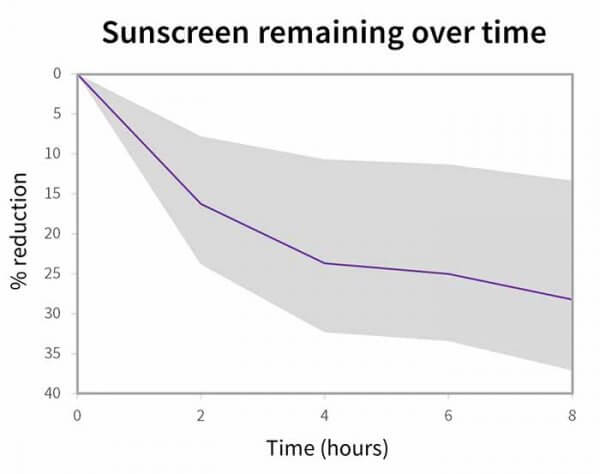
Despite these known degradation factors, quantifying the exact rate atwhich sunscreen diminishes under normal indoor conditions has historically proven difficult. A notable open-label clinical trial published in the Journal of Dermatological Treatment provided crucial empirical insight into the longevity of facial sunscreen. Researchers tracked twenty indoor workers who applied a standard dose of 2 milligrams per square centimeter of a sunscreen containing a traceable dye. Throughout the study, participants were permitted up to an hour of outdoor exposure without wearing any concurrent makeup.
The findings revealed a gradual, linear decrease in product presence. After two hours, an average of 16 percent of the tracer had dissipated. An additional 7 percent was lost by the four-hour mark, followed by a further 4.5 percent loss at eight hours, accumulating to a total reduction of approximately 30 percent in coverage over the course of a standard workday.
While individual formulations vary—water-resistant products and specific chemical filters with high substantivity tend to linger longer—the data indicates that a significant baseline of protection often remains by late afternoon, provided the wearer has not engaged in heavy physical activity or friction. Because Sun Protection Factor scales approximately linearly with the amount of product present on the skin, a 30 percent reduction means an initial SPF 50 degrades to roughly SPF 35, while an SPF 30 drops to about SPF 21. For individuals with minimal sun exposure, this residual defense may suffice, whereas those facing high-intensity sunlight require active intervention.
Navigating the daily challenge of UV exposure requires contextualizing reapplication strategies based on specific environmental conditions. Skin cancer prevention, wrinkle mitigation, and hyperpigmentation management demand tailored approaches rather than a rigid, one-size-fits-all routine.
In low-exposure scenarios—such as commuting early in the morning, spending the workday in a windowless office, and returning home after dark—many dermatologists and skincare scientists conclude that active reapplication is unnecessary. Relying on residual morning sunscreen, combined with passive sun avoidance behaviors like sitting away from direct windows or walking on shaded pathways, often provides adequate defense. Clinical observations consistently show that patients maintaining this routine successfully manage conditions like post-inflammatory hyperpigmentation, indicating that baseline protection remains functional under low-stress conditions.
Conversely, high-exposure scenarios, such as extended outdoor activities, beach outings, or heavy perspiration, demand an uncompromising priority on photoprotection over cosmetics. In these environments, cosmetic wearers are advised to utilize water-resistant formulations and minimize makeup to basic tinted moisturizers or localized concealers. Every two hours, fresh water-resistant sunscreen should be layered directly onto the skin. If dirt accumulation or product buildup threatens to clog pores or cause breakouts, a gentle pass with a makeup wipe can remove excess debris before reapplication.
The most complex dilemma arises in moderate-exposure environments: situations where an individual maintains a full professional face of makeup but faces intermittent high-sun exposure, such as an outdoor lunch break or a sunny late-afternoon commute. In these instances, success hinges on maximizing product volume while minimizing aesthetic disruption. Because sun protection scales directly with the quantity applied—requiring roughly a quarter-teaspoon for the entire face to achieve the labeled SPF—the choice of reapplication vehicle is critical.
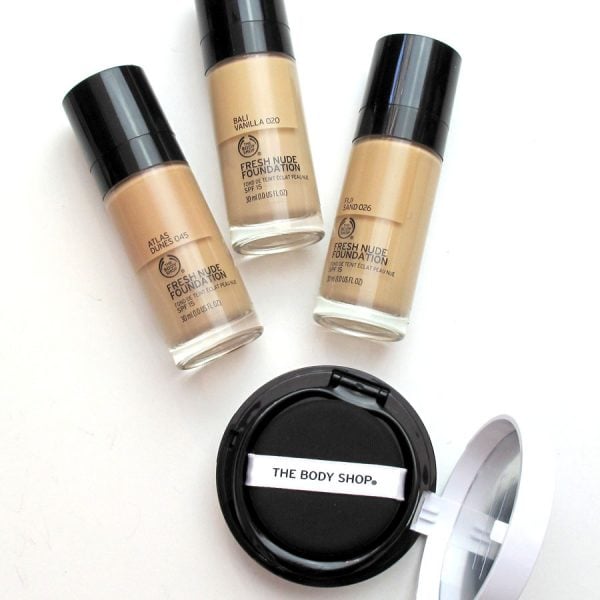
A comprehensive evaluation of available reapplication formats reveals distinct advantages and drawbacks across liquids, powders, and sprays, heavily informed by recent scientific testing and regulatory insights.
Liquid foundations advertised with SPF ratings frequently fall short of providing standalone protection. Comprehensive exposure data indicates that the average application volume of liquid foundation on a standard 400 square centimeter adult face is approximately 0.54 grams. When factoring in standard coverage metrics, a typical single pump of foundation delivers only a fraction of the product required to meet official testing standards, often yielding an effective SPF far below the labeled claim. Consequently, relying on foundation touch-ups alone leaves the skin highly vulnerable to UV radiation.
Powder sunscreens have long been marketed as the ultimate touch-up solution for makeup wearers, yet historical consumer data and recent testing highlight significant practical limitations. Studies conducted by regulatory bodies and trade associations indicate that average face powder applications hover around 85 milligrams per use—far short of the 2 milligrams per square centimeter required for full SPF evaluation. Furthermore, powders struggle to form a continuous, uniform protective film.
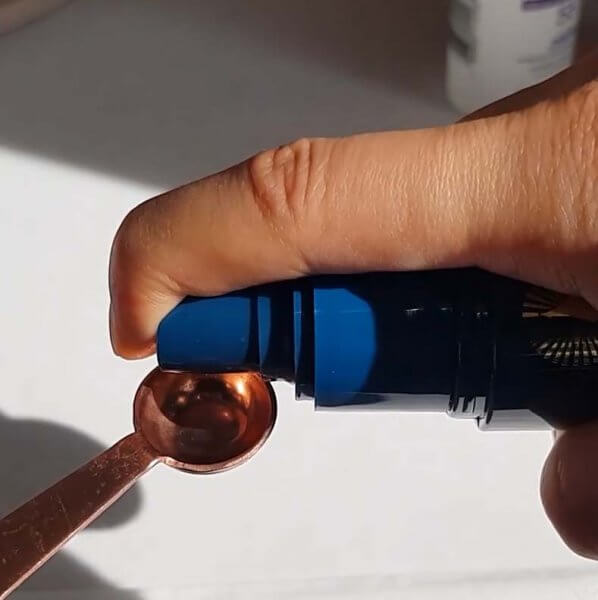
While specialized mineral formulations, such as those engineered by brands like Colorescience, have demonstrated impressive water-resistance and adherence during rigorous jacuzzi immersion tests, achieving the tested level of protection demands an unrealistic application process. Clinical data submitted to regulatory agencies shows that adequate product delivery requires swirling a specialized brush across the face for a full sixty seconds, accompanied by multiple priming steps and heavy tapping. Given that typical consumer usage involves significantly less product and smaller retail pack sizes, standard mineral powders remain an inefficient primary reapplication method.
Aerosol and pump sunscreen sprays have similarly faced increased scrutiny. Independent testing by consumer protection groups and scientific researchers has demonstrated that spray formats often fail to deliver even or sufficient coverage. Normal spraying techniques typically result in only a fraction of the product successfully landing on the facial contours, with a significant percentage drifting into the air or evaporating. Furthermore, pressurized aerosol cans frequently contain substantial proportions of chemical propellants rather than active sunscreen ingredients. While spraying a formula into the palm of the hand and patting it onto the face like a traditional lotion remains an effective workaround, direct facial misting is no longer considered a reliable reapplication method by leading cosmetic scientists.
Given the performance deficits of powders and sprays, applying traditional sunscreen lotions directly over makeup using specialized cushion puff applicators has emerged as the industry-preferred compromise. Readily available and inexpensive, cushion puffs—commonly used in Asian cushion compacts—offer distinct structural advantages over standard beauty sponges. Because they are exceptionally thin, they absorb minimal product, ensuring that the bulk of the sunscreen is transferred to the skin rather than trapped in the foam.
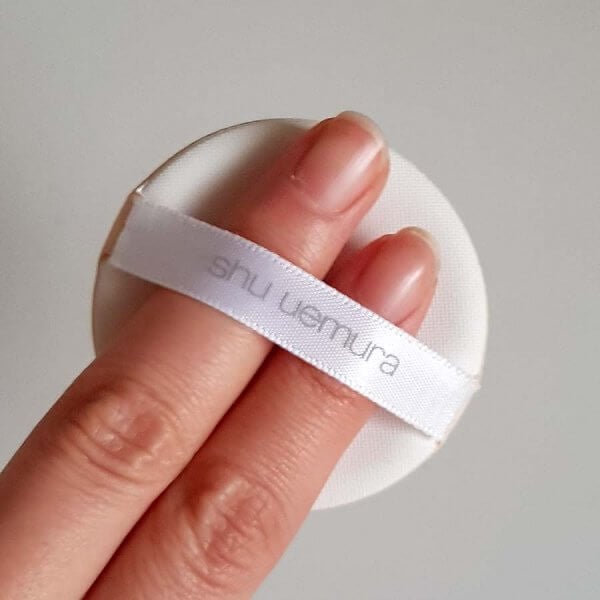
The technique involves dispensing a standard amount of lightweight, silicone-based sunscreen lotion onto the cushion puff and gently patting—never dragging—the product over the existing makeup. To prevent color transfer from pigmented areas like blush or bronzer to bare skin zones, application should begin on neutral areas before lightly tapping over colored cosmetics. While intricate eye makeup such as eyeshadow remains difficult to protect without disruption, the cushion method allows users to maintain the vast majority of their cosmetic work while depositing a substantive, even layer of UV defense.
Ultimately, maintaining skin health in a cosmetically driven world requires pragmatic compromise. By understanding the degradation timeline of sun-protective films and selecting appropriate application tools like cushion puffs, consumers can successfully bridge the gap between aesthetic presentation and rigorous dermatological safety.
