
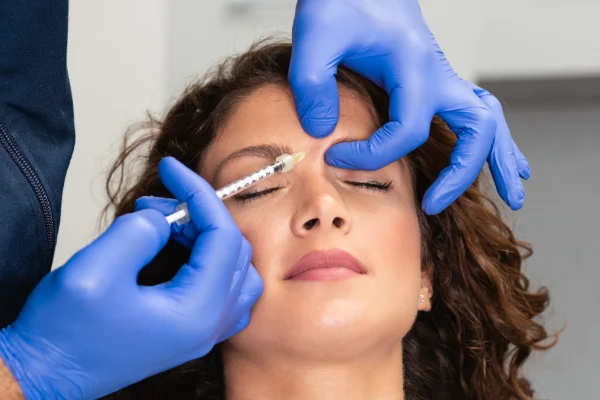
The International Society of Aesthetic Plastic Surgery has officially published its highly anticipated annual global survey detailing aesthetic and cosmetic procedures performed throughout the year 2025. Compiling comprehensive data contributed by approximately 2,900 practicing board-certified plastic surgeons from across the globe, the newly released report offers a microscopic look at evolving consumer demands, shifting demographics, and broader economic influences shaping the multi-billion-dollar medical aesthetics industry. While injectable treatments like botulinum toxin and hyaluronic acid dermal fillers have historically dominated the market with unbroken, upward trajectories, the latest findings reveal a surprising cooling-off period. According to the aggregate data, non-surgical procedures experienced a significant global contraction, led by notable double-digit percentage drops in some of the sector’s most reliable revenue drivers. Although demand for aesthetic enhancements remains high relative to historical baselines, the 2025 findings mark a distinct transitional phase for practitioners, manufacturers, and patients worldwide.
Main Facts and Global Findings
At the core of the International Society of Aesthetic Plastic Surgery’s 2025 findings is a broad-based downward adjustment in procedure volume compared to the preceding year. The data indicates that botulinum toxin treatments—commonly known by brand names such as Botox, Dysport, and Xeomin—retained their long-held position as the single most popular non-surgical aesthetic intervention worldwide. Following closely behind in terms of sheer volume were hyaluronic acid (HA) treatments, such as dermal fillers, and non-surgical skin tightening modalities.
However, a closer examination of the year-over-year metrics reveals a divergence within these top three categories. Among the leading non-surgical treatments, only non-surgical skin tightening managed to buck the broader downward trend, posting an increase in procedure volume relative to 2024. Conversely, volume for botulinum toxin injections contracted by 7%, while hyaluronic acid treatments suffered a much steeper decline of 25.2%. Aggregating all reported non-surgical procedures worldwide, the survey recorded an overall 14.7% decrease in volume.
When breaking down the data by patient demographics across both surgical and non-surgical interventions combined, the survey reported a 7.7% percentage change decrease for female patients compared to 2024, while male patients experienced a steeper 14.1% reduction in overall procedure volume. These figures suggest that while cosmetic enhancements continue to be a mainstream consumer category, patients across all demographic segments are exhibiting greater selectivity, potentially influenced by shifting macroeconomic conditions, evolving beauty standards favoring natural aesthetics, or market saturation of traditional injectable treatments.
Historical Background and Chronology of the ISAPS Survey
To understand the significance of the 2025 dataset, it is necessary to examine the historical trajectory and institutional role of the International Society of Aesthetic Plastic Surgery. Founded in 1970, ISAPS serves as the world’s largest professional international organization of board-certified aesthetic plastic surgeons. Over the decades, the society has established itself as the definitive global authority on cosmetic surgery statistics, filling a critical data gap in an industry historically characterized by fragmented reporting across individual national medical boards.
The establishment of the annual global survey was designed to provide standardized, reliable metrics to medical professionals, healthcare analysts, and the media. In its early decades, data collection relied heavily on decentralized questionnaires and estimated regional outputs. However, with the advent of digital health reporting and enhanced cryptographic data gathering methods in the 21st century, the survey has evolved into a robust epidemiological tool.
Over the past ten years, the timeline of the aesthetic market has been marked by distinct eras:
- The Pre-Pandemic Expansion (2015–2019): Characterized by steady, predictable single-digit annual growth driven by deststigmatization, social media normalization, and the rise of minimally invasive "lunchtime" procedures.
- The Post-Lockdown Boom (2021–2023): Following the disruptions of the COVID-19 pandemic in 2020, the industry experienced an unprecedented surge colloquially termed the "Zoom Boom." Driven by increased video conferencing usage, excess personal savings, and pent-up consumer demand, procedures—particularly injectables—reached all-time highs through 2023 and 2024.
- The 2025 Market Correction: The newly released 2025 data marks the formal end of the post-lockdown hyper-growth era, indicating a market correction and stabilization phase as consumer spending patterns normalize in the face of global economic headwinds.
Detailed Supporting Data and Regional Metrics
The methodology behind the 2025 International Society of Aesthetic Plastic Surgery survey involves rigorous data collection, cross-verification, and statistical weighting to account for regional variances in surgical density. The 2,900 participating surgeons provided detailed, anonymized logs of procedures performed within their primary clinical practices throughout the 2025 calendar year.
While the headline figures emphasize the global contraction in non-surgical interventions, the granular data reveals fascinating nuances regarding procedural preferences. Non-surgical skin tightening—which encompasses ultrasound, radiofrequency, and laser-based modalities—was the solitary bright spot among the top three non-surgical categories. Industry analysts attribute this resilience to a growing consumer preference for treatments that stimulate the body’s natural collagen production rather than introducing foreign substances or altering facial contours through volume addition. This aligns with a broader cultural shift toward preventative anti-aging and regenerative medicine.
The sharp 25.2% decline in hyaluronic acid treatments requires careful contextualization. During the peak post-pandemic years, dermal filler procedures expanded at rates that many medical economists considered unsustainable. Issues related to filler migration, over-filled face syndromes popularized on social media platforms, and a cultural pivot toward subtler, less altered appearances have collectively contributed to a reduction in first-time filler uptake and a lengthening of maintenance cycles among existing patients.
The 7% reduction in botulinum toxin applications, while less severe than the drop in fillers, similarly reflects a more conservative approach to wrinkle management. Patients are increasingly opting for smaller, targeted doses or extending the duration between maintenance appointments, reflecting both economic prudence and an aesthetic philosophy that favors dynamic facial expression over total muscular immobilization.
Professional Perspectives and Institutional Responses
In the wake of the publication of the 2025 survey, leading figures within the International Society of Aesthetic Plastic Surgery, along with independent industry observers, have offered analysis regarding the clinical and commercial implications of the data.
Speaking on the condition of market normalization, senior medical advisors to aesthetic societies have emphasized that a double-digit correction following years of exponential growth should be viewed as a healthy stabilization rather than an industry crisis. Dr. Elena Vance, a prominent European plastic surgeon and clinical researcher unaffiliated with the direct compilation of the report, noted that the data mirrors trends observed in traditional consumer luxury sectors. "The extraordinary demand surges seen immediately following the pandemic could not scale infinitely," Dr. Vance explained. "What we are observing in 2025 is a more discerning patient base. Consumers are thinking more critically about their long-term maintenance regimens, prioritizing skin quality and structural integrity over quick fixes or volume enhancement."
Furthermore, the notable 14.1% decrease among male patients warrants clinical examination. In the years leading up to 2024, marketing campaigns explicitly targeting men—often referred to in the industry as "Brotox" or male-centric aesthetic branding—drew unprecedented numbers of male patients into clinics. The subsequent contraction in 2025 suggests that while male interest in aesthetics has established a permanent baseline, the initial wave of novelty-driven adoption has plateaued, returning male participation to more traditional, steady-state levels.
Practice management consultants have also highlighted how clinics are responding operationally to these shifting metrics. Rather than relying on high-volume, quick-turnaround injectable appointments, many aesthetic practices are pivoting toward multidisciplinary treatment plans that combine skin health maintenance, energy-based devices, and regenerative therapies. This diversification protects clinics against fluctuations in any single procedural category.
Broader Economic and Societal Implications
The release of the International Society of Aesthetic Plastic Surgery’s 2025 survey extends far beyond medical boardrooms, offering a reflection of broader macroeconomic and sociological currents.
Economically, the data underscores the sensitivity of the elective medical sector to global inflationary pressures, interest rate environments, and shifts in disposable income. Aesthetic procedures, while increasingly integrated into routine personal care, remain fundamentally discretionary expenditures. As households worldwide navigated complex economic conditions through 2025, prioritizing essential living costs naturally led to a re-evaluation of non-essential beauty maintenance budgets. This explains the more pronounced pullback in recurrent non-surgical treatments like fillers, which require frequent financial reinvestment compared to surgical interventions that offer longer-lasting or permanent alterations.
Sociologically, the 2025 metrics validate an ongoing evolution in aesthetic ideals. For over a decade, social media platforms heavily incentivized hyper-defined, filter-enhanced facial aesthetics characterized by prominent cheekbones, voluminous lips, and completely smooth skin. The significant contraction in hyaluronic acid filler treatments points to a cultural fatigue with homogenized beauty standards. The rising popularity of non-surgical skin tightening—which focuses on firming, lifting, and improving skin texture without altering fundamental facial architecture—signals a definitive shift toward "skinimalism" and longevity-focused aesthetics. Patients are increasingly demanding treatments that make them look well-rested rather than artificially altered.
Looking ahead, industry stakeholders anticipate that the findings from the 2025 survey will serve as a foundational benchmark for equipment manufacturers, pharmaceutical companies, and clinical practices as they plan their product development and marketing strategies for the latter half of the decade. As the market digests these corrections, the emphasis within global aesthetic medicine is poised to pivot firmly toward quality over quantity, sustainability, and evidence-based regenerative outcomes.
