
The sustainable food landscape continues to be a dynamic arena of innovation, with companies pushing the boundaries of what’s possible in plant-based alternatives, cultivated meat, and novel protein sources. This week’s Future Food Quick Bites brings together a collection of the most significant developments, from celebrity collaborations and new product launches to crucial legal battles and substantial financial investments.
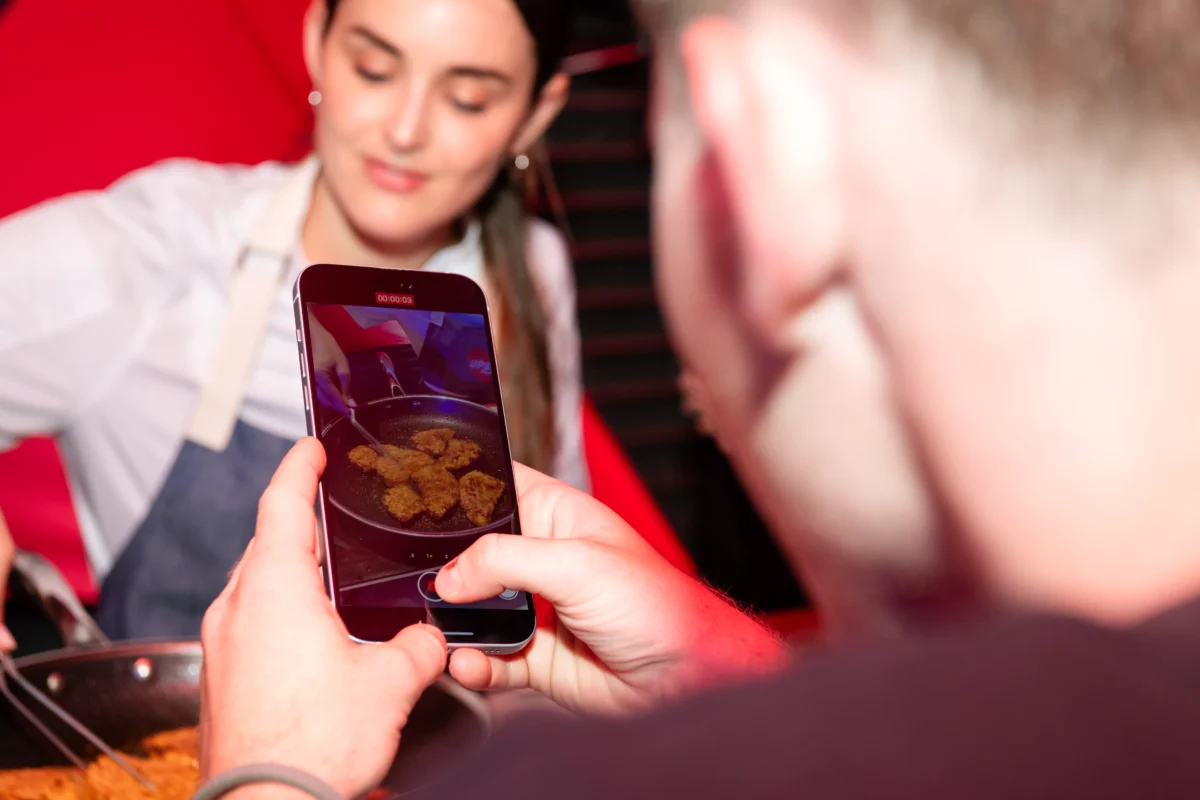
Impossible Foods Ignites Atlanta with 404 Day Celebration
Impossible Foods, a leader in the plant-based meat sector, is celebrating 404 Day (April 4) with a significant community engagement event. The company has partnered with hip-hop icon Big Boi to host a free block party at Smorgasburg Atlanta. This event aims to bring together over 20 local vendors, all of whom will be featuring Impossible Foods’ popular plant-based meat products. Adding to the culinary festivities, Impossible Foods will operate its own food truck, serving a signature "Big Boi Double Smash Burger," a testament to the growing collaboration between major food tech companies and cultural influencers.
The strategic choice of 404 Day, a date significant to Atlanta’s identity, underscores Impossible Foods’ commitment to engaging with local communities and celebrating regional culture. This initiative serves not only as a product showcase but also as a platform to foster goodwill and brand loyalty within a key market. The widespread participation of local vendors highlights the growing integration of plant-based options into mainstream culinary scenes, demonstrating a broader acceptance and demand for these sustainable alternatives. The success of such events can be measured by increased consumer trial and positive media attention, potentially driving sales and further solidifying Impossible Foods’ market position.
Armored Fresh Introduces High-Protein, Clean-Label Shakes

In the competitive alt-dairy market, US-based startup Armored Fresh has launched "Piilk," a new line of 250ml protein shakes. Available in chocolate and coffee flavors, these shakes are designed to appeal to health-conscious consumers seeking clean-label options. Each shake boasts an impressive 30 grams of complete yeast protein, derived from a functional yeast protein source, and is formulated with a concise list of just seven ingredients. This minimalist approach to formulation addresses a growing consumer demand for transparency and simplicity in food products, moving away from overly processed ingredients.
The Piilk shakes are currently available for purchase on Armored Fresh’s website, priced at $9.99 for a three-pack. This pricing strategy positions the product within the premium segment of the beverage market, reflecting the quality of ingredients and the high protein content. The company’s focus on yeast protein signifies a diversification of protein sources within the plant-based category, moving beyond traditional soy or pea isolates. The potential impact of such products lies in their ability to capture a segment of the market that prioritizes both taste and nutritional benefits, particularly among athletes and those seeking convenient, high-protein meal replacements.
Oobli Partners with SIG for Reduced-Sugar Beverage Innovation
Oobli, a US-based specialist in sweet proteins, has announced a strategic partnership with packaging solutions provider SIG. This collaboration is aimed at developing innovative reduced-sugar beverage concepts. The focus will be on leveraging Oobli’s proprietary sweet proteins, such as Brazzein, to create appealing, low-sugar alternatives without compromising on taste. The integration of these concepts into SIG’s long-life aseptic packaging solutions will enable wider distribution and longer shelf life, making these healthier beverage options more accessible to consumers globally.
This partnership signifies a crucial step in the commercialization of sweet proteins, which offer a novel approach to sugar reduction. By combining Oobli’s ingredient innovation with SIG’s advanced packaging technology, the companies are well-positioned to address the growing consumer demand for healthier beverage choices. The aseptic packaging ensures product integrity and safety, facilitating market entry into diverse geographical regions and catering to varied consumer preferences. The success of this initiative could lead to a significant shift in the beverage industry, encouraging further development and adoption of sweet protein technologies.
Hi Vegs! Showcases Innovative Plant-Based Cheeses and Foie Gras Alternative

Spanish plant-based meat startup Hi Vegs! is making a notable presence at the Alimentaria trade show in Barcelona. The company is unveiling two new products designed to challenge traditional animal-based offerings: SinFua, a cashew-based alternative to foie gras, and Fresco Vegano Tipo Burgos Natural, a cheese wheel crafted from a blend of cashews and almonds. These introductions reflect a growing trend in the plant-based sector to replicate the taste, texture, and culinary experience of premium animal products.
The development of a plant-based foie gras alternative is particularly significant, as it targets a luxury market segment traditionally dominated by animal products. Similarly, the cashew and almond-based cheese offers a sophisticated dairy-free option that aims to compete with traditional cheese varieties. Hi Vegs!’s participation in a major international food trade show like Alimentaria provides valuable exposure and opportunities for market penetration, potentially leading to wider distribution and partnerships. The company’s focus on high-quality, artisanal plant-based products suggests a strategy to capture discerning consumers seeking sustainable yet indulgent food choices.
Oatly Expands Flavor Portfolio in Europe
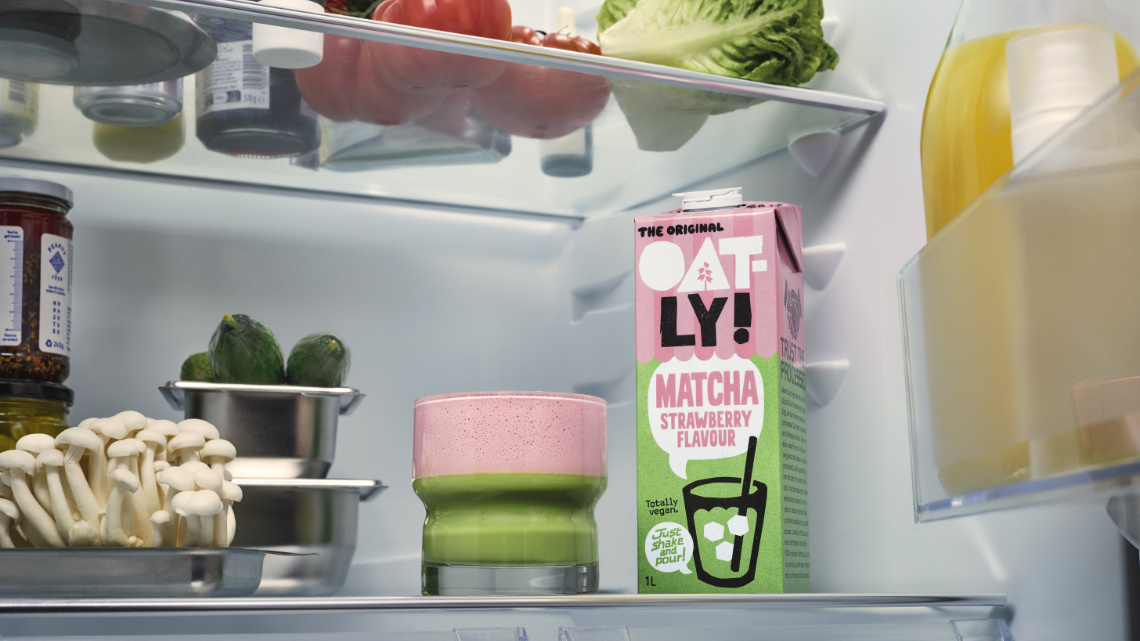
Oatly, a global leader in oat-based beverages, continues its product expansion with the rollout of new flavors in Belgium and the Netherlands. The company is introducing coconut- and churro-flavored barista oat milks, catering to evolving consumer tastes and preferences for more diverse flavor profiles. Additionally, Oatly is launching a ready-to-drink strawberry matcha latte, further diversifying its portfolio with convenient, on-the-go beverage options.
These new product launches are part of Oatly’s broader strategy to increase its market reach and appeal to a wider consumer base. The introduction of barista-grade flavors addresses the needs of coffee shops and home baristas seeking high-quality plant-based milk alternatives that perform well in various preparations. The ready-to-drink latte offers a convenient option for consumers seeking a quick and healthy beverage. This expansion into new flavors and formats demonstrates Oatly’s commitment to innovation and its agility in responding to market trends, reinforcing its position as a key player in the global plant-based beverage market.
MiAlgae Integrates Upcycled Omega-3 into Pet Food

Scottish startup MiAlgae has entered into a collaboration with pet food producer Butternut Box. This partnership will see MiAlgae’s upcycled, fish-free omega-3 ingredient incorporated into Butternut Box’s "Ready Steady Veggie" meal for dogs. This initiative highlights the growing application of sustainable ingredients in the pet food industry, a sector increasingly focused on health and environmental impact.
MiAlgae’s technology utilizes algae to produce omega-3 fatty acids, offering a sustainable alternative to traditional fish oil. By partnering with Butternut Box, MiAlgae is expanding the reach of its innovative ingredient into a new market segment. The inclusion of this ingredient in a vegetarian dog food product further underscores the versatility and sustainability benefits of algal-based omega-3s. This collaboration not only supports the development of healthier pet food options but also contributes to reducing reliance on marine resources.
Danone Acquires Huel in Major Plant-Based Nutrition Deal
French dairy giant Danone has made a significant move in the plant-based nutrition sector with its agreement to acquire Huel, a prominent vegan meal replacement brand. The deal is valued at €1 billion (approximately $1.16 billion), marking Danone’s second major acquisition in the plant-based nutrition space within months, following its earlier takeover of US startup Kate Farms. This acquisition underscores Danone’s strategic commitment to expanding its presence and portfolio in the rapidly growing health and wellness market, with a particular focus on plant-derived nutrition.
The acquisition of Huel is expected to bolster Danone’s offerings in the convenient, nutrition-focused food and beverage category. Huel’s established brand recognition and loyal customer base, particularly among health-conscious consumers and those seeking efficient meal solutions, present a valuable asset for Danone. The integration of Huel’s product line into Danone’s existing operations is anticipated to create synergies in research and development, manufacturing, and distribution. This move signals a broader industry trend of consolidation, as established food conglomerates increasingly invest in and acquire innovative plant-based companies to meet evolving consumer demands for sustainable and healthy food options. The substantial investment in Huel reflects a strong market confidence in the future growth potential of plant-based meal replacements.
BlueNalu Showcases Cultivated Bluefin Tuna, Eyeing FDA Approval
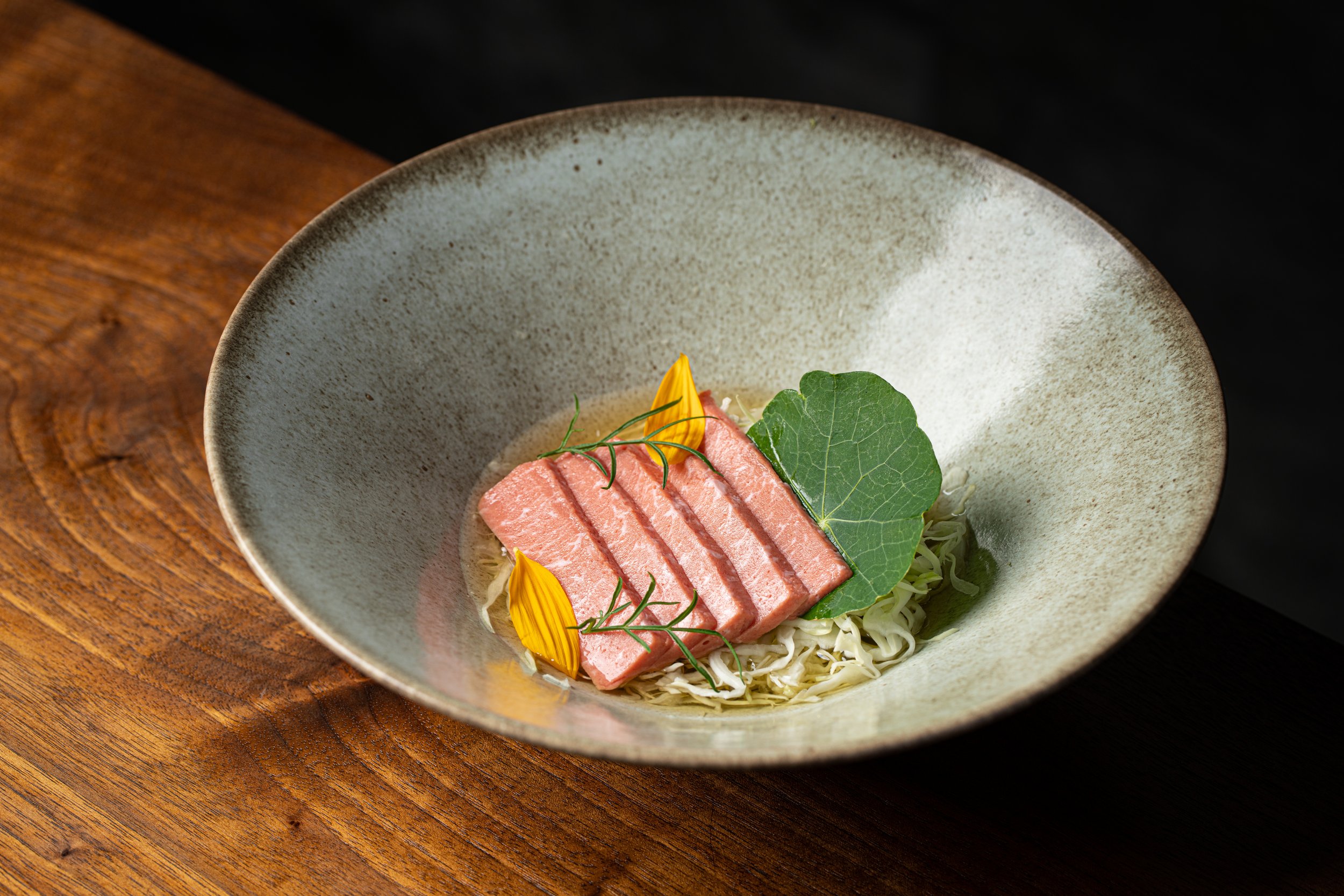
US-based startup BlueNalu has made waves by showcasing its plans for cultivated bluefin tuna at the recent Seafood Expo North America in Boston. The company anticipates receiving approval from the Food and Drug Administration (FDA) within weeks, a crucial step towards commercialization. BlueNalu has already identified three Californian restaurants slated for its initial product launch, signaling a readiness to enter the market.
The development of cultivated bluefin tuna represents a significant advancement in the field of cellular agriculture, aiming to provide a sustainable and ethical alternative to conventional seafood. Bluefin tuna, in particular, is a species facing overfishing and environmental concerns, making a cultivated alternative highly sought after. The anticipated FDA approval would be a landmark achievement, paving the way for wider market acceptance of cell-based seafood products. BlueNalu’s strategic choice of California for its launch reflects the state’s progressive stance on food innovation and its substantial market for seafood. This development could significantly disrupt the traditional seafood industry, offering a solution to overexploitation and providing consumers with a traceable, sustainable protein source.
Tempty Foods Secures Seed Funding for Mycelium Meat Innovation
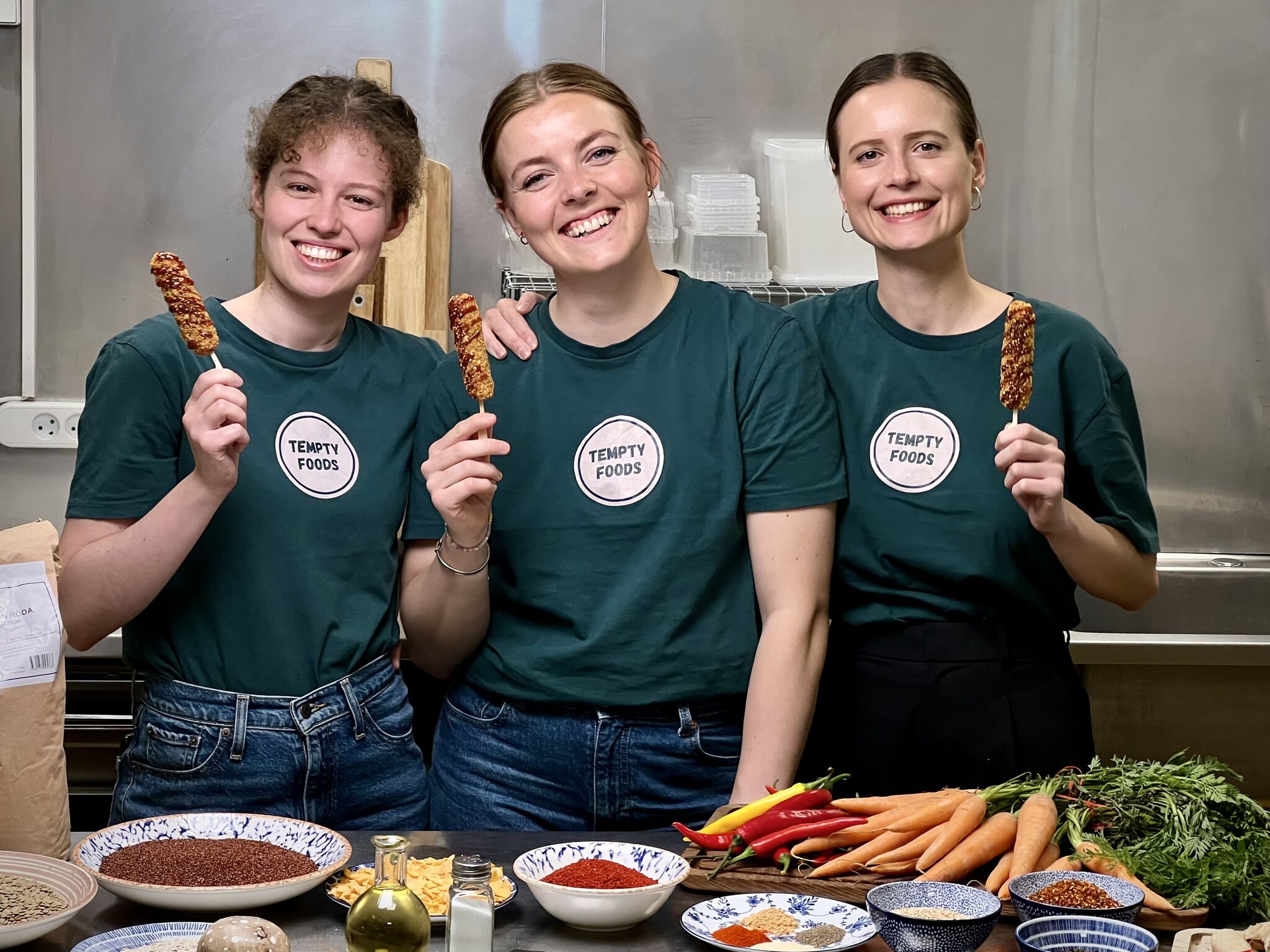
Danish mycelium meat startup Tempty Foods has successfully raised 5.2 million Danish Kroner (approximately $700,000) in seed funding. The investment was provided by a consortium of notable investors, including EIFO, Danish Business Angels, and Angella Invest. Building on this initial success, Tempty Foods has also initiated pre-registration for a crowdfunding round, aiming to further augment its capital and accelerate its growth trajectory.
This funding infusion is critical for Tempty Foods as it continues to develop and scale its innovative mycelium-based meat alternatives. Mycelium, the root structure of fungi, offers a sustainable and versatile platform for creating plant-based meats with desirable textures and flavors. The investment will likely be allocated towards research and development, expanding production capabilities, and strengthening its market presence. The company’s move to a crowdfunding round indicates a strategy to engage a broader base of investors and build a community of supporters, further democratizing investment in the alternative protein sector. This successful seed round positions Tempty Foods as a promising player in the burgeoning mycelium-based food market.
Formo Joins Precision Fermentation Alliance
German fermentation firm Formo has become a member of the Precision Fermentation Alliance (PFA) in the United States. This strategic affiliation underscores Formo’s commitment to advancing the precision fermentation sector. The PFA focuses on crucial areas such as developing regulatory pathways, establishing evidence-based definitions for ultra-processed foods, and building robust infrastructure for biomanufacturing scale-up.
Formo’s participation in the PFA signifies a proactive approach to navigating the complex regulatory and technological landscape of precision fermentation. By collaborating with industry leaders and experts, Formo aims to contribute to the development of clear guidelines and standards that will facilitate the widespread adoption of precision fermentation-derived ingredients and products. This alliance is vital for fostering innovation and ensuring the responsible growth of this transformative food technology. The PFA’s work is instrumental in building consumer trust and creating a supportive environment for companies like Formo to bring their novel, sustainable food solutions to market.
Novella Innovative Technology Appoints New CEO
Israeli plant cell culture startup Novella Innovative Technology has announced a significant leadership change with the appointment of Antonio Martinez Descalzo as its new Chief Executive Officer. Descalzo brings a wealth of experience from his previous role as an executive at ADM (Archer Daniels Midland), a global leader in agricultural origination and processing.
The appointment of a seasoned executive like Descalzo signals Novella’s strategic intent to accelerate its growth and commercialization efforts. His expertise in the food ingredient and biotechnology sectors is expected to be invaluable as the company continues to develop and scale its plant cell culture technologies. This leadership transition marks a pivotal moment for Novella, as it seeks to leverage its innovative approach to cultivated food production and strengthen its position in the competitive alternative protein market.
Upside Foods Faces Legal Setback in Florida Cultivated Meat Ban
In a significant development for the cultivated meat industry, a three-judge panel on the 11th Circuit Court of Appeals has rejected Upside Foods’ appeal. The ruling upholds a previous decision that blocked Upside Foods’ attempt to overturn Florida’s ban on cultivated meat. The court determined that the state’s regulation does not interfere with the federal Poultry Products Inspection Act. This legal battle is a crucial test case for the nascent cultivated meat industry, highlighting the complexities of state versus federal regulatory authority.
While the court’s ruling on this specific appeal is a setback for Upside Foods, the case is not entirely concluded. The startup’s Commerce Clause claim, which argues that the ban unconstitutionally burdens interstate commerce, was permitted by a court last year. This ongoing legal challenge underscores the significant regulatory hurdles that cultivated meat companies face as they seek to bring their products to market. The outcome of this case could have far-reaching implications for the future of cultivated meat in the United States, influencing regulatory approaches and market access in other states. The industry is closely watching these legal proceedings, as they will shape the landscape for innovation and investment in this transformative sector.
Good Food Institute Study Highlights Cost-Efficiency for Cultivated Meat
A new study conducted by the Good Food Institute (GFI) in collaboration with Next Rung Technology offers a potential pathway to enhance the cost-efficiency of cultivated meat production. The research suggests that valorizing and recycling spent animal cell culture media can significantly reduce production costs. The study proposes re-using components such as lactic acid, which can be repurposed for either further cultivated meat production or microbial fermentation processes.
This research addresses one of the primary challenges facing the cultivated meat industry: high production costs. By identifying methods to recover and reuse valuable byproducts from the cell culture process, GFI and Next Rung Technology are providing actionable insights for making cultivated meat more economically viable. This approach not only improves cost-effectiveness but also aligns with the principles of a circular economy, minimizing waste and maximizing resource utilization. The findings of this study are expected to inform future research and development efforts aimed at scaling up cultivated meat production to meet commercial demand.
New Book Offers Comprehensive Analysis of Cell-Based Meat in the EU

Researchers at the University of Parma have published "Cell-Based Meat in the European Union and Beyond," an open-access book that provides a detailed, science-based analysis of the cultivated meat industry. This publication offers a comprehensive overview of the scientific, technological, regulatory, and economic aspects of cell-based meat, with a particular focus on its development within the European Union.
As the cultivated meat sector continues to evolve, accessible and authoritative resources are crucial for informing policymakers, industry stakeholders, and the public. The open-access nature of this book ensures that its valuable insights are widely available, fostering a more informed dialogue about the future of this innovative food technology. The University of Parma’s contribution is timely, providing a much-needed academic perspective on a rapidly developing field and contributing to a deeper understanding of the challenges and opportunities associated with bringing cultivated meat to European consumers.
Mars Files Patent for Non-Melting Plant-Based Ice Cream
Confectionery giant Mars has filed a patent for a novel non-melting plant-based ice cream. The innovation utilizes black gram lentils as a key ingredient, aiming to provide a creamier mouthfeel and significantly improved stability. According to the patent, the plant-based ice cream can retain its shape for at least two hours, addressing a common challenge for frozen plant-based desserts, particularly in warmer conditions.
This development from Mars signifies the increasing interest of established food corporations in plant-based innovation, even within traditionally dairy-centric product categories like ice cream. The use of black gram lentils represents an exploration of underutilized ingredients for creating functional and appealing plant-based alternatives. The promise of a non-melting formulation offers significant advantages for distribution, consumption, and overall consumer satisfaction. This patent filing suggests Mars is investing in research and development to expand its portfolio of plant-based offerings and cater to the growing demand for dairy-free frozen treats.