

Australia’s premier scientific research organization, the Commonwealth Scientific and Industrial Research Organisation (CSIRO), is undertaking a significant strategic shift, announcing its decision to cease work on food ingredients and processing. This move comes as the agency grapples with long-term financial sustainability challenges, prompting widespread job cuts and a re-evaluation of its research priorities. Despite this specific withdrawal from food innovation, CSIRO has reaffirmed its commitment to the broader agrifood sector, stating it will continue to be one of its largest and most vital research units.
The decision to deprioritize food ingredient and processing research marks a notable departure for CSIRO, an institution with a rich history of innovation that has profoundly impacted Australian society. Its contributions range from pioneering technologies like Wi-Fi and polymer banknotes to consumer products such as Aeroguard insect repellent and the widely adopted Total Wellbeing Diet. In recent years, CSIRO has also emerged as a crucial incubator for the burgeoning Australian food tech industry, playing a pivotal role in the genesis of several groundbreaking startups. These include v2food, a leader in plant-based meat alternatives, and precision fermentation pioneers like Eden Brew and Eclipse Ingredients. Through its venture capital arm, Main Sequence Ventures, CSIRO has further invested in novel ingredient companies, supporting firms like Cauldron Ferm and Nourish Ingredients, and has been instrumental in advancing the research of companies such as Australian Plant Proteins and All G.
The impetus behind this strategic recalibration is the agency’s struggle with financial sustainability. CSIRO has publicly acknowledged that government funding has not kept pace with the escalating operational costs of a modern scientific institution. Over the past 15 years, CSIRO’s funding has seen an annual growth of only 1.3%, a figure significantly outpaced by an inflation rate of 2.7% during the same period. This financial strain has led to a gradual decline in CSIRO’s funding as a percentage of Australia’s Gross Domestic Product (GDP) since 1978, with only isolated exceptions. This fiscal pressure has necessitated substantial workforce reductions. Between 2024 and 2025, CSIRO has already released over 800 employees, with a further reduction of 300 to 350 research positions anticipated as part of its drive for a "sharpened focus."
Chronology of Strategic Reorientation
The announcement of CSIRO’s strategic pivot follows a broader review of its research portfolio, initiated in November of the previous year. At that time, the agency signaled its intention to deprioritize key research areas where it lacked the necessary scale to achieve substantial impact or where other entities were better positioned to lead. This strategic foresight was directly linked to the aforementioned funding shortfalls.
The November statement outlined CSIRO’s renewed focus on several critical areas:

- Transition to Affordable Green Energy: Accelerating the development and adoption of sustainable energy solutions.
- Technological Advancements for Agriculture: Enhancing farm productivity and building resilience against climate-related shocks.
- Application of Advanced Technologies: Integrating AI, robotics, and other cutting-edge technologies across core industries.
- Climate Adaptation and Resilience: Developing strategies and solutions to mitigate and adapt to the impacts of climate change.
While the commitment to climate adaptation and resilience is strong, it is notable that CSIRO’s environment research unit is slated to be one of the hardest hit by job cuts, with an estimated 120 to 150 positions being eliminated. This represents approximately one-fifth of the unit’s total workforce. Furthermore, four of the unit’s nine research focuses will be discontinued, with several activities, including those related to waste management, biodiversity, and net-zero initiatives, being transferred to other departments within CSIRO.
The broader impact of these restructuring efforts will affect several key divisions:
- Health and Biosecurity: 110-110 jobs.
- Food and Agriculture: 45-55 jobs.
- Minerals: 25-35 jobs.
It is within the Food and Agriculture division that the decision to exit food ingredient and processing research will be most acutely felt. CSIRO’s withdrawal from its membership in a prominent global food innovation community underscores the definitive nature of this strategic shift.
Analysis of Financial Pressures and Funding Discrepancies
The financial predicament facing CSIRO is not an isolated incident but rather a symptom of a broader trend of underfunding for national science agencies across developed nations. The disparity between funding growth and inflation is a critical factor. If CSIRO’s funding had kept pace with inflation at 2.7% annually, its budget would be significantly larger today, allowing for greater investment in its research programs and potentially averting extensive job losses.
The decline in CSIRO’s funding as a percentage of Australia’s GDP is particularly concerning when viewed against the backdrop of the nation’s reliance on scientific innovation for economic growth, environmental sustainability, and societal well-being. A robust national science agency is crucial for tackling complex challenges such as climate change, future food security, and public health. The diminishing financial footprint of CSIRO raises questions about Australia’s long-term investment in research and development, a cornerstone of global competitiveness.
Implications for the Food Innovation Ecosystem
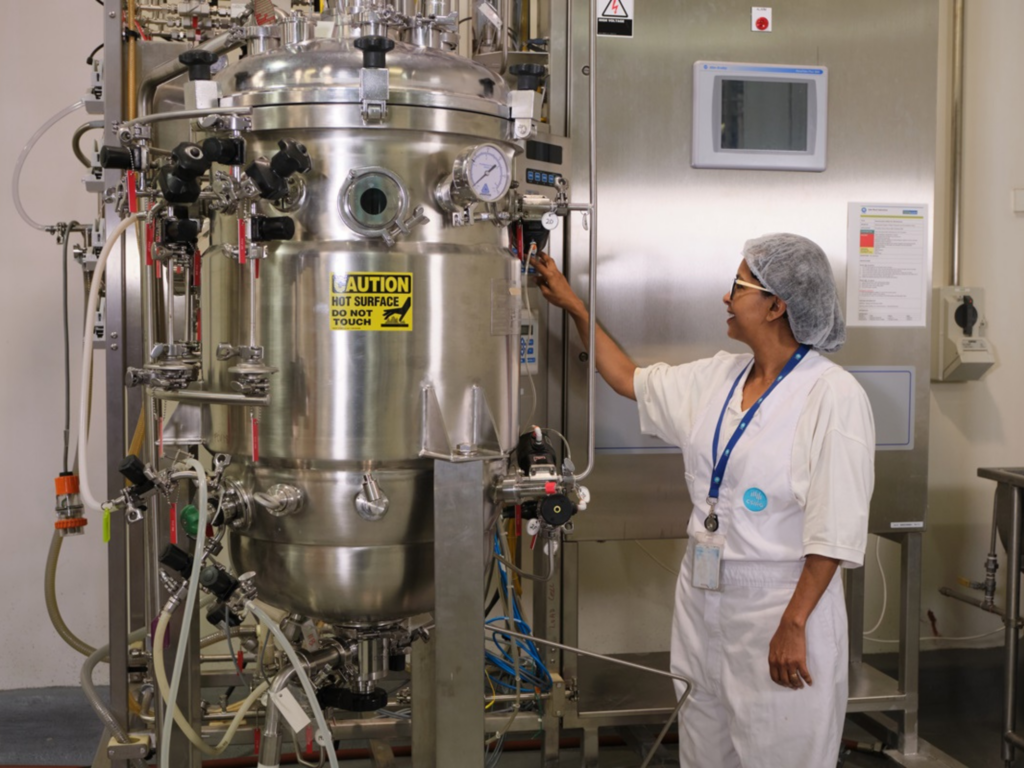
CSIRO’s decision to discontinue its work on food ingredients and processing represents a significant blow to Australia’s nascent novel food industry. For years, CSIRO has been a vital partner, providing not only critical research and development support but also crucial investment through its venture arm. The agency’s contribution has been instrumental in nurturing some of Australia’s most promising alternative protein startups.
A representative for CSIRO explained the rationale behind this strategic shift in an email to Green Queen, stating, "CSIRO has made strategic choices to evolve our research, to focus efforts where we can deliver the greatest national impact following a comprehensive review of our research portfolio. To achieve this sharpened focus, we need to deprioritize areas where we lack the required scale to achieve significant impact or areas where others in the ecosystem are better placed to deliver."
The spokesperson further elaborated on the evolving landscape of food innovation: "CSIRO has a strong legacy in food innovation, but the landscape has evolved, and our work in this space has become less distinct from that of other research organisations, SMEs and providers. A potential exit from this research area creates an opportunity to refocus our efforts on areas where CSIRO can provide differentiated capability to deliver greater impact at scale for the sector and for Australia."
This statement suggests that CSIRO believes the private sector and other research institutions are now sufficiently equipped to carry the torch in food ingredient and processing innovation, allowing CSIRO to redirect its limited resources to areas where it can offer unique and substantial contributions.
Continued Commitment to Agrifood Sector
Despite the withdrawal from specific areas of food research, CSIRO has been unequivocal in its commitment to the broader agriculture and food sectors. These sectors are critical to Australia’s economy and environmental sustainability, with agriculture alone accounting for approximately 13% of the nation’s greenhouse gas emissions.
"Under the proposed changes, agriculture and food will remain one of CSIRO’s largest research units and will continue to contribute strongly to the resilience and productivity of the Australian agricultural and food sectors, in close collaboration with industry partners and government," the agency stated. This suggests a continued focus on areas such as sustainable farming practices, climate-resilient crops, and enhancing the overall productivity and sustainability of the Australian food supply chain, albeit with a refined emphasis.

This assurance comes at a time when experts are advocating for increased government support for the bioeconomy and plant-based protein production. Calls for enhanced financial and policy incentives to develop national strategies in these areas are growing, driven by the imperative to meet future food demands and leverage Australia’s potential in biomanufacturing. The continued involvement of CSIRO in the agrifood sector, albeit with a strategic refocus, will be crucial in addressing these evolving challenges and opportunities.
Official Response and Staff Consultations
A CSIRO spokesperson emphasized that the organization is currently engaged in consultations with its staff and stakeholders. "We are currently in consultation with staff, and no decisions will be made until feedback gathered from staff and stakeholders during that consultation period has been considered," the spokesperson told Green Queen. This indicates a commitment to a transparent process, ensuring that the voices of those directly affected are heard before final decisions are implemented. The impact on research teams and pilot plant personnel involved in food innovation is a key consideration in these ongoing discussions.
The strategic redirection of CSIRO, while driven by financial necessity, highlights a critical juncture for Australia’s scientific endeavors. The agency’s ability to innovate and adapt will be paramount in navigating these challenging times and continuing its vital role in addressing national priorities and global challenges. The long-term implications of this restructuring for Australia’s position in the global scientific and technological landscape remain to be seen, but the focus on core areas of national impact, particularly in climate change mitigation and adaptation, signals a commitment to tackling the most pressing issues facing the nation.