
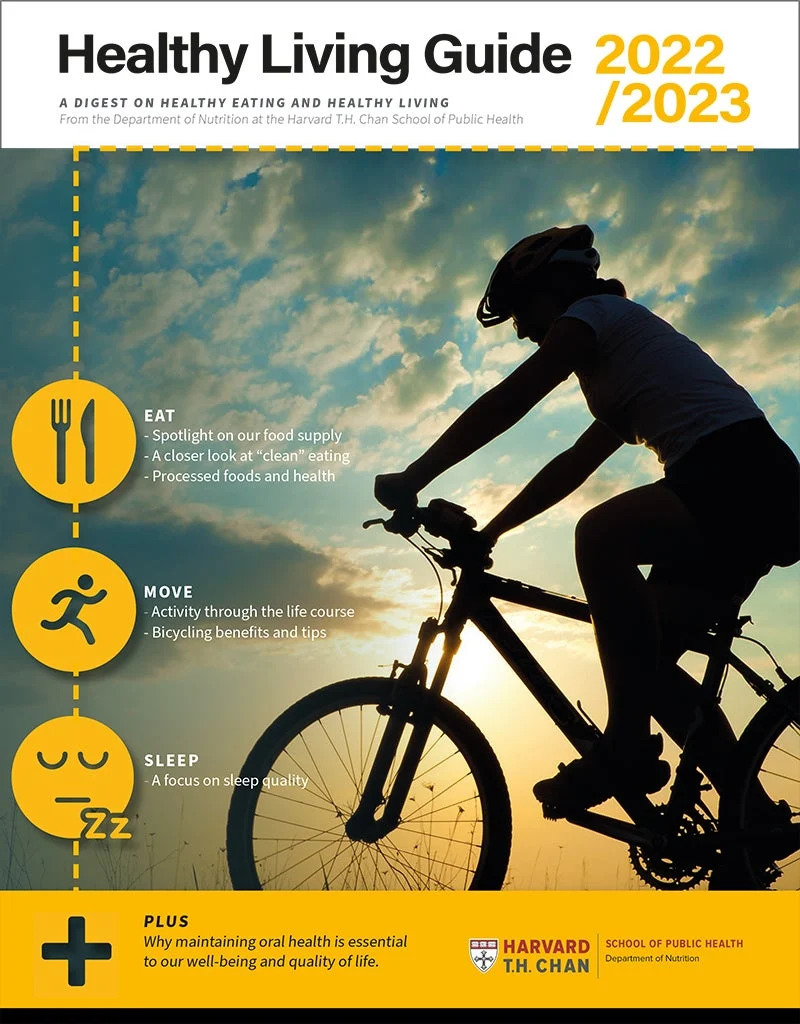
The year 2022 saw a significant resurgence of focus on food and nutrition within public discourse, culminating in landmark initiatives such as the White House Conference on Hunger, Nutrition, and Health. This pivotal event, the first of its kind since the original conference in 1969, spurred the development of a comprehensive national strategy. This strategy, officially unveiled in late 2022, articulates ambitious goals to eradicate hunger and elevate both healthy eating habits and physical activity levels across the nation by the year 2030. While the plan encompasses a range of promising strategies, including the expansion of crucial nutrition assistance programs and the potential inclusion of medically tailored meals within Medicare coverage, experts from Harvard’s Department of Nutrition have also identified significant omissions that warrant further consideration.
The national strategy’s objective to combat hunger and promote healthier lifestyles represents a critical step forward in addressing long-standing public health challenges. The Biden-Harris Administration’s commitment, as outlined in their national strategy document, aims to create a more equitable food environment. This includes bolstering programs like SNAP (Supplemental Nutrition Assistance Program) and WIC (Special Supplemental Nutrition Program for Women, Infants, and Children), which provide essential food support to millions of Americans. The inclusion of medically tailored meals under Medicare, a concept gaining traction for its potential to improve health outcomes for individuals with chronic diseases, signals a forward-thinking approach to integrating nutrition with healthcare. For instance, studies have shown that individuals receiving medically tailored meals experience fewer hospitalizations and emergency room visits, leading to significant cost savings for the healthcare system.
However, the Harvard Department of Nutrition experts, in their analysis, highlighted several areas where the strategy could be strengthened. Among the key omissions noted were the critical need to protect children from the pervasive marketing of unhealthy foods and the imperative to transform the broader food system in response to the escalating climate crisis. Drs. Frank Hu, Walter Willett, and Lilian Cheung articulated this perspective, stating, "To have a significant impact, the administration must bring together the public and private sectors, along with philanthropists, academia, and individuals to develop truly sustainable food systems that support both public and planetary health." This call to action underscores the interconnectedness of human health and environmental well-being, suggesting that effective solutions must address both simultaneously.
The implications of these omissions are substantial. The unchecked marketing of ultra-processed foods, often high in sugar, salt, and unhealthy fats, has been directly linked to the rising rates of childhood obesity and related chronic diseases, such as type 2 diabetes and cardiovascular disease. According to the Centers for Disease Control and Prevention (CDC), the prevalence of obesity among children and adolescents aged 2-19 years in the United States was 19.7% in 2017-2020, representing about 14.7 million children. Addressing this requires robust policy interventions, such as stricter regulations on advertising and promotional practices targeting young audiences.
Furthermore, the food system’s contribution to climate change is undeniable, accounting for a significant portion of global greenhouse gas emissions. Practices like intensive agriculture, deforestation for agricultural land, and the transportation of food over long distances all contribute to environmental degradation. A food system that prioritizes sustainability would involve shifting towards more plant-based diets, reducing food waste, and supporting local and regenerative farming practices. The absence of explicit and comprehensive strategies to address these climate-related aspects of the food system represents a missed opportunity to foster a truly holistic approach to health.
Background and Timeline of the White House Conference
The journey towards the White House Conference on Hunger, Nutrition, and Health began with a growing recognition of the persistent challenges of food insecurity and diet-related diseases in the United States. While the nation has made strides in increasing food availability over the past century, issues of access, affordability, and the promotion of healthy choices have remained significant hurdles. The initial White House Conference in 1969 was instrumental in highlighting domestic hunger and led to the creation or expansion of several key federal nutrition programs. The decision to reconvene this conference nearly 53 years later signaled a renewed commitment from the federal government to tackle these complex issues with a modern lens.
Planning for the 2022 conference began well in advance, involving extensive consultation with various stakeholders, including academics, healthcare professionals, community organizations, and individuals with lived experience of food insecurity. The conference itself, held on September 28, 2022, brought together over 2,000 participants, both in person and virtually, to share insights and develop actionable recommendations. The subsequent release of the national strategy in September 2022 marked the culmination of this process, outlining a roadmap for the next decade.
Key Pillars of the National Strategy
The Biden-Harris Administration’s national strategy is built upon five pillars designed to guide efforts towards achieving the stated goals:
- Improve Access and Affordability of Healthy Food: This pillar focuses on strengthening federal nutrition assistance programs, increasing access to healthy food in underserved communities, and making healthy food more affordable for all Americans.
- Integrate Nutrition and Health: This involves advancing nutrition education, promoting the role of healthcare professionals in nutrition counseling, and exploring innovative ways to use healthcare systems to improve dietary habits.
- Empower All Consumers to Make Healthy Choices: This aims to improve food labeling, combat misinformation about nutrition, and promote food literacy.
- Support Physical Activity: Recognizing the interconnectedness of diet and physical activity, this pillar emphasizes creating environments that encourage regular exercise for all age groups.
- Invest in Research and Development: This pillar calls for increased investment in scientific research to better understand the complex interplay of nutrition, health, and the food environment.
The strategy also includes a commitment to addressing systemic inequities that contribute to food insecurity and diet-related diseases. This involves working with communities to identify and implement solutions tailored to their specific needs and challenges.
Expert Analysis and Emerging Concerns
The Harvard experts’ commentary provides a crucial counterpoint to the national strategy, emphasizing the need for a more comprehensive and integrated approach. Their critique is not an indictment of the strategy’s intentions but rather a call for expanded scope and bolder policy interventions.
Dr. Frank Hu, a leading voice in nutrition research and a professor at Harvard T.H. Chan School of Public Health, has consistently advocated for a food system that prioritizes both human and planetary health. His work has highlighted the environmental footprint of current food production methods and the urgent need for a transition to more sustainable practices. The inclusion of climate change considerations in the national strategy is seen as essential for long-term food security and public health resilience.
Similarly, Dr. Walter Willett, another prominent figure in nutritional epidemiology, has emphasized the critical role of dietary patterns in preventing chronic diseases and promoting overall well-being. His research has underscored the benefits of diets rich in fruits, vegetables, whole grains, and healthy fats, while advocating for reduced consumption of processed foods. The strategy’s focus on empowering consumers to make healthy choices is aligned with these recommendations, but the challenge lies in creating an environment where these choices are not only available but also the easiest and most affordable options.
The concern regarding children’s exposure to unhealthy food marketing is particularly acute. The American Academy of Pediatrics has long called for stricter regulations on advertising that targets children, citing its influence on food preferences and consumption patterns. The lack of strong provisions in the national strategy to address this issue leaves a significant vulnerability in efforts to combat childhood obesity and establish healthy eating habits from an early age.
Broader Impact and Future Outlook
The White House Conference and the subsequent national strategy represent a significant moment in the ongoing effort to address hunger and improve nutrition in the United States. The commitment to a 2030 target date provides a clear timeline for action and accountability. However, the success of these initiatives will depend on sustained political will, effective implementation across federal agencies, and strong collaboration with state and local governments, the private sector, and civil society.
The call for a unified approach involving public and private sectors, academia, and individuals is particularly important. Transforming the food system is a complex undertaking that requires innovation, investment, and a willingness to challenge existing paradigms. The development of truly sustainable food systems that support both public and planetary health necessitates a departure from business-as-usual and a embrace of forward-thinking solutions.
As individuals, the encouragement to incorporate healthy behaviors, no matter how small, remains a vital message. Small, consistent changes in diet and lifestyle can accumulate over time, leading to significant improvements in health and well-being. The availability of resources like the "Healthy Living Guide," which provides practical tips and summaries, can serve as a valuable tool for individuals seeking to make informed choices.
The dialogue initiated by the White House Conference is ongoing, and the identified omissions provide critical areas for future policy development and advocacy. The intersection of nutrition, health, equity, and environmental sustainability demands a holistic and integrated approach. The coming years will be crucial in determining whether the ambitious goals set forth in the national strategy can be realized, leading to a healthier and more resilient future for all Americans and for the planet. The inclusion of a downloadable, printable Healthy Living Guide, offering practical advice and summaries, further emphasizes the commitment to empowering individuals in their health journeys, even as systemic changes are pursued. This dual focus on broad policy and individual empowerment is essential for achieving lasting impact.
