
The World Health Organization (WHO) released its 2026 Global Hepatitis Report today at the World Hepatitis Summit, presenting a complex portrait of a global health crisis that is simultaneously retreating in some sectors while entrenching itself in others. According to the latest data, global efforts to combat viral hepatitis are delivering measurable progress in reducing new infections and mortality rates, yet the disease remains one of the leading causes of death worldwide. Viral hepatitis B and C, the two primary strains responsible for 95% of all hepatitis-related fatalities, claimed an estimated 1.34 million lives in 2024. Despite the availability of effective vaccines and curative treatments, the report highlights a sobering reality: transmission continues at an alarming rate, with more than 4,900 new infections occurring every single day, totaling 1.8 million annually.
The release of this report serves as a critical midpoint assessment for the ambitious goals set by the international community a decade ago. While the data documents significant gains made since 2015, including a 32% drop in new hepatitis B infections and a 12% reduction in hepatitis C-related deaths, the WHO warns that the current trajectory is insufficient to meet the 2030 elimination targets. The report underscores an urgent need for a paradigm shift in how nations approach prevention, testing, and treatment if the goal of eliminating hepatitis as a public health threat is to be realized within the next four years.
The Evolution of Global Strategy: From 2016 to 2030
The journey toward hepatitis elimination gained significant momentum in 2016 when the World Health Assembly adopted the first Global Health Sector Strategy on viral hepatitis. This framework established the "90-90-80" targets: diagnosing 90% of people living with hepatitis, treating 80% of those diagnosed, and reducing new infections by 90% by the year 2030.
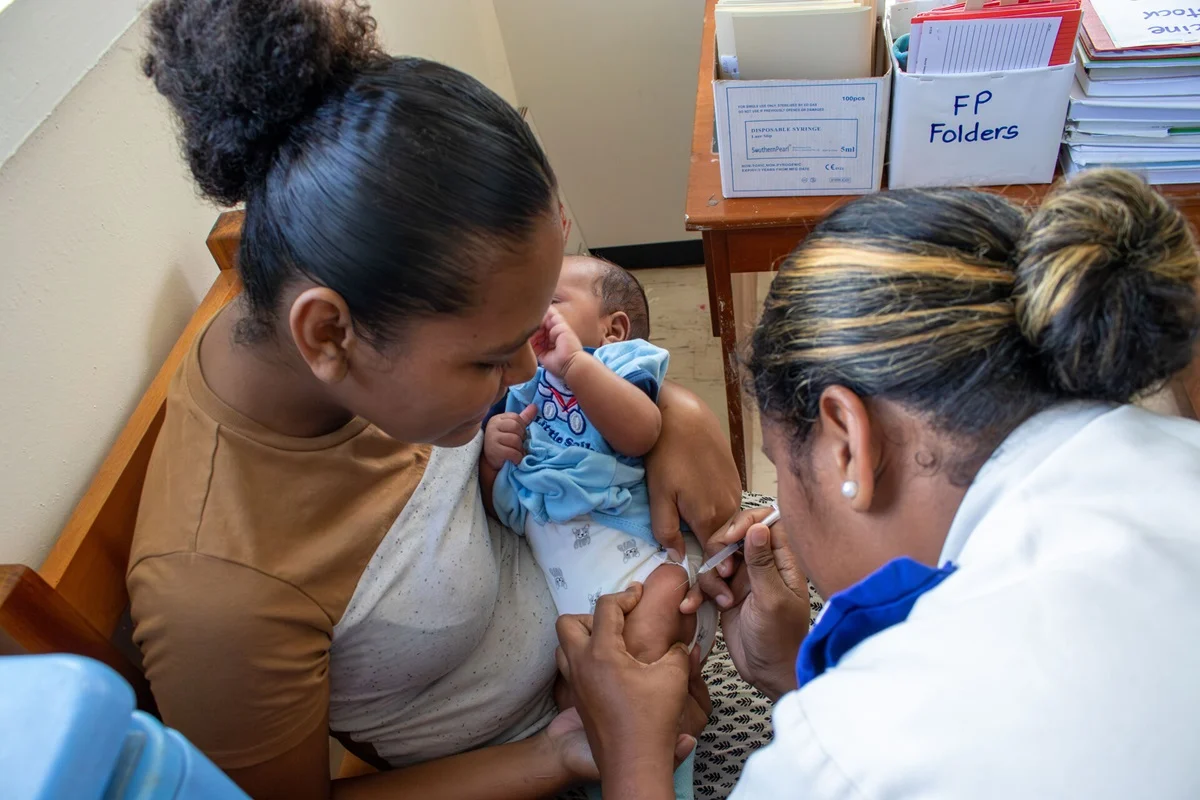
Since the adoption of these targets, the global landscape has changed. The 2026 report reflects a decade of sustained, coordinated global and national action. One of the most significant achievements highlighted is the progress made in pediatric health. Hepatitis B prevalence among children under five has decreased to 0.6% globally. This success is largely attributed to the expanded rollout of the hepatitis B vaccine series. Impressively, 85 countries have already achieved or surpassed the 2030 target of reducing prevalence in children to 0.1%, demonstrating that vertical transmission (mother-to-child) can be effectively halted with consistent medical intervention.
However, the transition from policy to practice remains uneven. Dr. Tedros Adhanom Ghebreyesus, WHO Director-General, noted that while the tools for elimination exist, the "last mile" of the race is proving to be the most difficult. "Around the world, countries are showing that eliminating hepatitis is not a pipedream; it is possible with sustained political commitment, backed by reliable domestic financing," Dr. Tedros stated. He cautioned, however, that progress is currently too slow and fragmented, leaving millions of vulnerable individuals outside the reach of modern medicine.
The Staggering Burden of Chronic Infection
The updated WHO estimates indicate that 287 million people were living with chronic hepatitis B or C infections in 2024. This massive reservoir of infection continues to drive the mortality rate, as chronic hepatitis often remains asymptomatic for decades before progressing to life-threatening conditions. In 2024 alone, liver cirrhosis and hepatocellular carcinoma (liver cancer) were the primary causes of the 1.34 million deaths recorded.
Hepatitis B remains the more prevalent and lethal of the two, accounting for 1.1 million deaths in 2024. The WHO African Region is currently the epicenter of this epidemic, accounting for 68% of all new hepatitis B infections. Despite the clear efficacy of the hepatitis B birth-dose vaccination—a critical shot given within 24 hours of birth—only 17% of newborns in the African region received this life-saving intervention. This gap in early childhood immunization ensures that the cycle of infection continues into the next generation.
Hepatitis C, while resulting in fewer total deaths (approximately 240,000 in 2024), presents a different set of challenges. About 0.9 million new hepatitis C infections were recorded in 2024. A significant portion of these new cases—44%—occurred among people who inject drugs (PWID). This demographic is often marginalized and faces significant barriers to accessing healthcare due to stigma and the criminalization of drug use. The report emphasizes that without stronger harm reduction services, such as needle and syringe programs and safe injection practices, the goal of eliminating hepatitis C will remain elusive.
Disparities in Treatment and Access
One of the most frustrating aspects of the 2026 report is the vast gap between medical capability and patient access. In 2015, a revolutionary 12-week treatment for hepatitis C became available, boasting a cure rate of approximately 95%. These direct-acting antivirals (DAAs) have the potential to virtually wipe out the virus. Yet, since 2015, only 20% of people living with hepatitis C have received this treatment.
The situation for hepatitis B is even more dire. While hepatitis B cannot currently be cured in the same way as hepatitis C, highly effective antiviral medications can suppress the virus, prevent liver damage, and reduce the risk of transmission. Despite this, fewer than 5% of the 240 million people living with chronic hepatitis B were receiving treatment in 2024.
The report identifies several reasons for this "treatment gap." High costs of diagnostics, even when drug prices have fallen, remain a barrier in low- and middle-income countries. Furthermore, many health systems are not designed to screen asymptomatic populations, meaning most patients are only diagnosed once they exhibit symptoms of advanced liver disease, at which point treatment is less effective and more costly.
The Geography of the Epidemic: Ten High-Burden Nations
The global burden of viral hepatitis is highly concentrated. According to the WHO data, ten countries accounted for 69% of all hepatitis B-related deaths in 2024: Bangladesh, China, Ethiopia, Ghana, India, Indonesia, Nigeria, the Philippines, South Africa, and Viet Nam. These nations face the dual challenge of large populations and varying levels of healthcare infrastructure, making the implementation of universal screening and vaccination programs a monumental task.
Hepatitis C deaths are more geographically dispersed, yet still show significant concentration. In 2024, ten countries accounted for 58% of the global total: China, India, Indonesia, Japan, Nigeria, Pakistan, the Russian Federation, South Africa, the United States of America, and Viet Nam. The inclusion of high-income nations like the United States and Japan in this list underscores that hepatitis is not solely a disease of poverty; it is a disease of systemic failures in screening and reaching high-risk populations.
Models of Success and the Road to 2030
Despite the sobering statistics, the WHO report highlights several "beacons of hope." Countries such as Egypt, Georgia, Rwanda, and the United Kingdom have demonstrated that rapid progress is possible. Egypt, in particular, has been lauded for its "100 Million Healthy Lives" campaign, which involved mass screening of the entire adult population and providing free treatment to millions of citizens. This initiative has effectively moved Egypt from having one of the highest hepatitis C rates in the world to being on the verge of WHO-certified elimination.
The United Kingdom has also seen success by integrating hepatitis services into primary care and harm reduction centers, specifically targeting high-risk groups and ensuring that treatment is easily accessible without the need for specialized hospital referrals.
Dr. Tereza Kasaeva, Director of the WHO Department for HIV, TB, Hepatitis and Sexually Transmitted Infections, emphasized that these success stories must become the norm rather than the exception. "The data shows that progress is possible but also reveals where we are falling short," she said. "Every missed diagnosis and untreated infection due to chronic viral hepatitis represents a preventable death. Countries must move faster to integrate hepatitis services into primary care."
Priority Actions for the Next Four Years
To accelerate the path toward the 2030 targets, the 2026 Global Hepatitis Report outlines several priority actions:
- Scaling Up Hepatitis B Treatment: There is an urgent need to expand treatment protocols, particularly in the African and Western Pacific regions. This includes lowering the threshold for when treatment begins and ensuring that antiviral drugs are affordable and available at the community level.
- Expanding Birth-Dose Vaccination: Improving the coverage of the hepatitis B birth-dose vaccine is paramount, especially in the WHO African Region. This must be coupled with antiviral prophylaxis for pregnant women to prevent mother-to-child transmission.
- Harm Reduction for Hepatitis C: Strengthening needle and syringe programs and providing low-barrier access to DAAs for people who inject drugs is essential for controlling the spread of hepatitis C.
- Integration into Primary Health Care: Hepatitis testing and treatment should not be siloed in specialized clinics. By integrating these services into general primary care, maternal health, and HIV clinics, health systems can reach more people more efficiently.
- Simplified Diagnostics: The report calls for the use of simplified, point-of-care diagnostic tests that can provide results in minutes, reducing the number of patients who are lost to follow-up after an initial screening.
Implications and Economic Impact
The failure to address viral hepatitis carries a heavy economic and social price. Liver cancer and cirrhosis not only cause immense human suffering but also place a significant strain on healthcare budgets and labor productivity. The WHO analysis suggests that investing in hepatitis elimination is highly cost-effective; the long-term savings from prevented liver transplants, cancer treatments, and chronic care far outweigh the initial costs of screening and antiviral drugs.
Furthermore, the fight against hepatitis is intrinsically linked to the broader goal of Universal Health Coverage (UHC). As long as millions are left behind due to the cost of care or the stigma associated with their condition, UHC remains an unfulfilled promise.
As the World Hepatitis Summit continues, the message from the WHO is clear: the tools to end this epidemic are in hand. The progress made in pediatric vaccination and the success of "elimination champions" like Egypt prove that the 2030 targets are achievable. However, without an immediate and massive scale-up of political will and domestic financing, the world risks allowing a preventable and curable disease to claim millions more lives in the decades to come. The 2026 report is both a celebration of what has been achieved and a final call to action for a world that has the power to make viral hepatitis a thing of the past.
