

Polycystic Ovary Syndrome (PCOS) remains one of the most prevalent endocrine disorders among women of reproductive age, affecting approximately 8% to 13% of the global population. For those navigating the complexities of this condition while planning for a family, the implementation of a rigorous nutritional strategy is often a clinical necessity rather than a lifestyle choice. Medical experts and reproductive endocrinologists emphasize that the physiological environment created by PCOS—characterized by hormonal imbalances, insulin resistance, and chronic low-grade inflammation—requires specific nutritional interventions to ensure both maternal health and optimal fetal development. Prenatal vitamins tailored to the unique metabolic profile of PCOS patients have emerged as a cornerstone of preconception and gestational care.
The Clinical Significance of Specialized Prenatal Care in PCOS
Pregnancy for a woman with PCOS involves a distinct set of metabolic challenges. According to the Centers for Disease Control and Prevention (CDC), women with PCOS are at a significantly higher risk for complications such as gestational diabetes, pre-eclampsia, and preterm birth. Consequently, the role of prenatal vitamins extends beyond basic supplementation; they serve as a proactive measure to stabilize metabolic function and mitigate the risks associated with the syndrome.
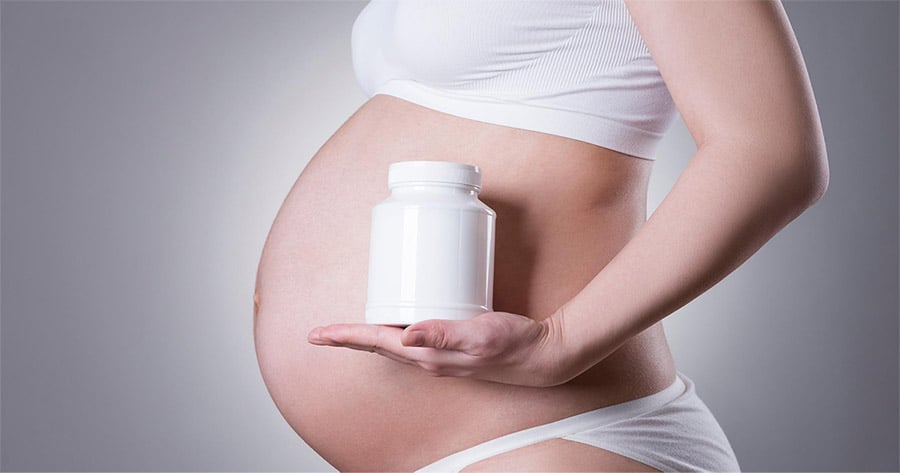
A prenatal vitamin is designed to bridge the nutritional gap between a standard diet and the heightened requirements of pregnancy. While the average person may obtain sufficient vitamins through a balanced diet, the "PCOS body" often experiences higher rates of nutrient depletion and malabsorption. For instance, the common use of Metformin to manage insulin resistance in PCOS patients can lead to Vitamin B12 deficiencies, making supplementation vital even before conception occurs.
Timeline for Intervention: From Preconception to Postpartum
The window of opportunity for optimizing pregnancy outcomes begins long before a positive pregnancy test. Reproductive specialists generally recommend a three-stage timeline for vitamin intervention to maximize efficacy.
Phase 1: The Preconception Window (3–6 Months Prior)
The maturation cycle of a human egg takes approximately 90 days. During this period, the nutritional environment of the ovaries determines egg quality. For women with PCOS, who often struggle with irregular ovulation and poor oocyte quality due to high androgen levels, starting a "preconception" or prenatal vitamin at least three months before trying to conceive is critical. This phase focuses on reducing oxidative stress and improving insulin sensitivity.

Phase 2: The First Trimester
This is the most critical period for organogenesis. The neural tube closes within the first 28 days of pregnancy—often before a woman realizes she is pregnant. Continuous supplementation ensures that folate levels are sufficient to prevent structural birth defects.
Phase 3: Second Trimester through Postpartum
As the fetus grows, the demand for iron and calcium increases exponentially. Furthermore, maintaining supplementation during the postpartum period is recommended, especially for breastfeeding mothers with PCOS, to help regulate hormones as they transition out of pregnancy.
The Five Essential Nutrients for the PCOS Pregnancy
To address the specific pathophysiology of PCOS, clinical guidelines from organizations such as the American Pregnancy Association highlight five core nutrients that must be present in a high-quality prenatal supplement.

1. Folate and the Methylation Factor
Folate, or Vitamin B9, is synonymous with preventing neural tube defects (NTDs) like spina bifida. However, for the PCOS population, the form of folate matters. Many women with PCOS also carry a variation in the MTHFR gene, which impairs the body’s ability to convert synthetic folic acid into its usable form. Journalistic analysis of recent medical trends shows a shift toward "methylated folate" (5-MTHF) in premium prenatal vitamins. The recommended daily allowance (RDA) stands at 400 mcg, though some practitioners recommend higher doses for high-risk PCOS patients to support DNA synthesis and repair.
2. Iron and Blood Oxygenation
Pregnancy requires the body to produce nearly 50% more blood to support the fetus. Iron is the primary component of hemoglobin, which transports oxygen. PCOS patients are often prone to iron-deficiency anemia, which can exacerbate the fatigue already associated with the condition. The recommended intake is 27 mg daily. Beyond fetal growth, adequate iron levels are a safeguard against postpartum hemorrhage, a risk factor that must be managed in clinical settings.
3. Calcium and Skeletal Integrity
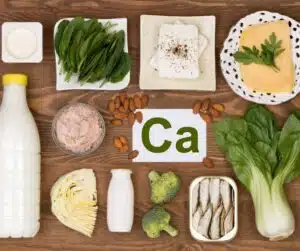
If maternal calcium intake is insufficient, the body will "leach" calcium from the mother’s bones to provide for the developing fetus. For women with PCOS, who may already be at a higher risk for bone density issues later in life due to hormonal fluctuations, ensuring a daily intake of 1,000 mg is essential. Calcium also plays a secondary role in muscle function and nerve signaling, which are vital during the physiological stress of labor.
4. Vitamin D: The Pro-Hormone Deficiency
Research indicates that approximately 80% of women with PCOS suffer from Vitamin D deficiency. Vitamin D acts more like a hormone than a vitamin, influencing insulin signaling and follicle development. In pregnancy, Vitamin D is paramount for calcium absorption and immune system modulation. Clinical studies have linked low Vitamin D levels in PCOS patients to an increased risk of gestational diabetes. While the standard RDA is often cited at 600 IU, many specialists now advocate for 4,000 IU to maintain optimal serum levels in deficient populations.
5. Omega-3 Fatty Acids and Inflammation Control
Omega-3s, particularly Docosahexaenoic acid (DHA), are fundamental for the development of the fetal brain and retina. For the mother, Omega-3s serve a dual purpose: they are potent anti-inflammatory agents. Since PCOS is characterized by systemic inflammation, which can worsen insulin resistance, an intake of at least 300 mg of DHA is recommended. Fish-oil-derived Omega-3s are generally preferred for their high bioavailability compared to plant-based sources like flaxseed.
Market Analysis: Leading Prenatal Supplements for PCOS
In the current pharmaceutical landscape, three products have gained significant traction among healthcare providers specializing in PCOS.
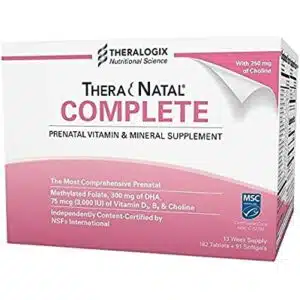
TheraNatal Complete by Theralogix
Theralogix has established a reputation for "evidence-based" supplementation. TheraNatal Complete is often cited as the gold standard for PCOS because it includes methylated folate and a robust dose of Vitamin D. Furthermore, it is independently tested by the NSF, ensuring that the label accurately reflects the contents—a crucial factor in a largely unregulated supplement market.
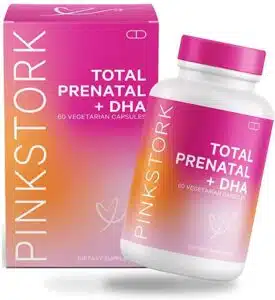
Pink Stork Total Prenatal
Pink Stork has captured a significant market share by focusing on "clean" ingredients. Their formulation includes DHA and folic acid but stands out for its inclusion of a B-complex and trace minerals like selenium and chromium. Chromium, in particular, is noted in several clinical trials for its ability to improve the body’s response to insulin, making this a strategic choice for PCOS patients.
Nature Made Prenatal with Folic Acid + DHA
For patients seeking an accessible, cost-effective option, Nature Made provides a USP-verified supplement. While it may lack some of the specialized "extras" found in boutique brands, it meets the essential requirements for folate and iron, making it a reliable baseline for general pregnancy support.
Addressing the Inositol Question: Preconception vs. Prenatal
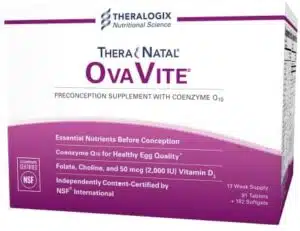
A common point of confusion for PCOS patients is the transition from "preconception" vitamins to "prenatal" vitamins. Preconception vitamins, such as TheraNatal OvaVite, often include Coenzyme Q10 (CoQ10). CoQ10 is an antioxidant that improves mitochondrial function in the egg, directly addressing the "egg quality" issues prevalent in PCOS.
Additionally, many women with PCOS use Myo-inositol (such as Ovasitol) to manage their symptoms. Recent data suggest that continuing Inositol during pregnancy may significantly reduce the risk of gestational diabetes in women with PCOS. While not always included in a standard prenatal pill, it is often recommended as a companion supplement under medical supervision.
Broader Implications: Reducing Gestational Risks
The implications of proper vitamin supplementation extend into the realm of public health. By managing the nutritional status of PCOS patients, the medical community can lower the incidence of high-risk pregnancy complications.

Gestational Diabetes Mellitus (GDM)
PCOS patients are three times more likely to develop GDM than the general population. The synergistic effect of Vitamin D, Inositol, and Magnesium (often found in prenatals) helps maintain glucose homeostasis. Reducing GDM rates not only protects the mother but also prevents "fetal macrosomia" (excessive birth weight), which can lead to complications during delivery.
Pre-eclampsia and Hypertension
The risk of pregnancy-induced hypertension is significantly higher in the PCOS demographic. Calcium and Vitamin D supplementation have been studied for their roles in maintaining vascular health. By stabilizing these levels, patients may reduce the likelihood of early induction or emergency cesarean sections.
Conclusion and Future Outlook
The management of PCOS during the reproductive years requires a multifaceted approach where nutrition plays a lead role. Prenatal vitamins are not a panacea, but they are a vital component of a broader clinical strategy that includes a low-glycemic diet, regular physical activity, and close medical monitoring.
As research continues to evolve, the trend is moving toward "personalized nutrition," where blood panels determine the exact dosage of nutrients like Vitamin D and Iron required for each individual. For now, the consensus remains clear: for a woman with PCOS, the journey to a healthy baby begins with a high-quality, scientifically-backed prenatal vitamin, ideally started months before the first ultrasound. Through diligent supplementation and informed choices, the risks associated with PCOS can be managed, paving the way for successful pregnancies and healthy infants.
