
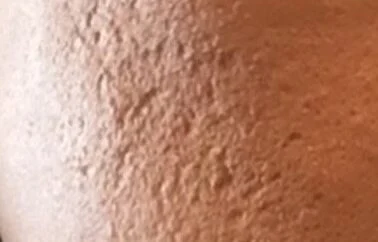
A Canadian lawyer grappling with severe acne scarring has shared a poignant account of its pervasive impact on her daily existence, stating, "Every day is a struggle, and the emotional wounds feel just as raw as the physical ones." This 40-year-old South Asian woman, who has chosen to remain anonymous to protect her privacy, articulates the immense burden of living with visible scars, particularly those on her face. "It is easy to say ‘accept yourself, love yourself,’ but the reality is that we carry many scars with us, and when you also carry them on your face, that weight becomes very heavy," she explains, highlighting the chasm between societal platitudes and lived experience. Her narrative underscores a critical issue often underestimated: the profound psychological and social repercussions of chronic skin conditions and their lasting physical manifestations.
The lawyer’s experience is not merely one of physical discomfort but a testament to the enduring emotional and social challenges posed by severe dermatological conditions. She reveals the extent of her social withdrawal, confessing, "To date, there are days when I won’t go out in public. Certain angles of lighting and make-up accentuate the deep scarring, uneven texture and years of damage." This avoidance extends to limiting social media engagement and in-person interactions, a coping mechanism born from the acute self-consciousness her condition instills. As she ages, the natural loss of skin elasticity further accentuates the scarring, making her struggle more pronounced. Her concern extends to younger generations, who she believes face an even harder battle against "unrealistic beauty expectations" in a hyper-visual world, knowing that scars "likely could last a lifetime."
The Onset and Relentless Progression of a Debilitating Condition
The journey into this challenging reality began for the lawyer around the age of 20, coinciding with her entry into university. While initially manageable, her acne escalated dramatically in her early 30s, transforming rapidly into a severe, scarring form. "The progression of my acne was swift and relentless," she recounts. "Within months, my face was covered in painful, cystic acne." Cystic acne, a severe form characterized by large, red, tender cysts and nodules deep under the skin, is notorious for causing significant tissue destruction and subsequent scarring.
Compounding her distress, being a person of colour placed her at a higher risk for post-inflammatory hyperpigmentation (PIH), a common sequela of acne in individuals with darker skin tones. Indeed, PIH manifested alongside her cystic acne, leaving her with "significant dark spots" that further complicated her condition and limited her treatment options. This dual burden of active, painful acne, deep scarring, and persistent discoloration presented a formidable challenge both physically and psychologically.

The sudden transformation of her skin was profoundly traumatic. "The sudden change was not just a physical burden – it was deeply traumatic and emotionally devastating," she recalls. "Seeing my once-clear skin covered in large, dark and pus-filled hills made me feel helpless and shattered my confidence immensely." This period marked a drastic shift in her self-perception and interaction with the world. She became "extremely sensitive both emotionally and physically," flinching at pain and the sight of her reflection. The overwhelming embarrassment led her to actively avoid mirrors and dread social interactions, fostering a constant sense of being judged.
Cultural Context and Amplified Isolation
Her South Asian cultural background added another layer of complexity and pain to her experience. She notes that "insensitive comments about skin conditions are unfortunately common and something I experienced regularly which made the experience even more isolating." These "cruel and unsolicited comments," often delivered "with callous disregard to my situation," underscored a lack of understanding and empathy that is regrettably prevalent in some cultural contexts regarding visible dermatological conditions. This cultural dimension amplified her feelings of isolation and shame, making her personal battle even more arduous.
Despite her ongoing struggle with self-esteem, she offers a glimmer of pragmatic advice: "If there’s one thing I can say, it is that today there are many more resources available and do your research thoroughly." While she openly admits she is "not there" in terms of fully accepting herself and finding peace, her experience has cultivated a profound empathy. "A positive I have drawn from this experience is I have developed deep compassion and empathy for people who have had injuries to their face and others who have suffered facial disfigurement," she reflects. "If this is how intense I feel about pitted acne scars, my heart, compassion and love go out to them even more to their extremely difficult challenges."
The Broader Landscape: Prevalence and Psychological Toll of Acne and Scarring
The lawyer’s individual narrative resonates with the experiences of millions globally. Acne vulgaris is one of the most common skin conditions, affecting up to 85% of young people aged 12-24 years, and a significant percentage of adults, with prevalence rates ranging from 12% to 22% in women over 25. In Canada, it is estimated that acne affects 5.6 million people, extending far beyond adolescence. While often dismissed as a teenage rite of passage, severe and persistent acne, particularly cystic acne, can lead to permanent scarring, which affects approximately 95% of individuals with moderate to severe acne. These scars can manifest in various forms, including ice pick (deep, narrow, pitted), boxcar (round or oval depressions with sharp vertical sides), and rolling scars (broad depressions with sloping edges, giving a wavy appearance to the skin).
The psychological impact of acne and its scars is well-documented and often underestimated by those who have not experienced it. Research consistently demonstrates a strong correlation between acne and mental health issues such as depression, anxiety, social phobia, and body dysmorphic disorder. Studies have shown that individuals with acne can experience quality of life impairments comparable to those with chronic illnesses like asthma, epilepsy, and diabetes. The visible nature of facial scarring means that individuals cannot easily conceal their condition, leading to persistent self-consciousness, shame, and a sense of being perpetually judged. This can significantly impact social interactions, academic performance, and professional opportunities, creating a vicious cycle of avoidance and reduced self-worth.
For individuals with skin of color, like the anonymous lawyer, the burden is often compounded by post-inflammatory hyperpigmentation (PIH). PIH occurs when inflammation or injury to the skin triggers melanocytes (pigment-producing cells) to overproduce melanin, resulting in dark spots or patches. In Fitzpatrick skin types III-VI, which include South Asian individuals, PIH is more common, more severe, and often lasts longer than in lighter skin types. This means that even after active acne lesions resolve, the visible discoloration persists, contributing significantly to cosmetic concern and psychological distress. Moreover, the treatment of PIH and scarring in darker skin tones requires specialized approaches, as certain laser treatments or chemical peels can paradoxically worsen hyperpigmentation if not performed expertly.
Societal Pressures and Unrealistic Beauty Ideals
The contemporary societal landscape, heavily influenced by social media, exacerbates the challenges faced by individuals with visible skin conditions. Platforms like Instagram and TikTok, saturated with filtered images and curated perfection, propagate often unrealistic beauty standards. Flawless, poreless, and uniformly toned skin has become an aspirational ideal, creating immense pressure to conform. For those with acne scars or hyperpigmentation, these pervasive images can intensify feelings of inadequacy, self-criticism, and social anxiety. The lawyer’s observation about the difficulty for the younger generation to accept their scars in the face of these "unrealistic beauty expectations" is a keen insight into this modern dilemma.
Treatment Landscape and the Need for Comprehensive Care
While the lawyer notes the increased availability of resources, navigating the vast array of treatment options for acne and scarring can be daunting. Active acne itself is treated with a range of modalities, including topical retinoids, benzoyl peroxide, antibiotics, oral antibiotics, hormonal therapies, and oral isotretinoin. Early and effective treatment of active acne is crucial to prevent the formation of scars.
Once scars have formed, treatment becomes more complex. Options for acne scars include:
- Laser Resurfacing: Ablative and non-ablative lasers (e.g., fractional CO2, Er:YAG, pulsed dye laser) can improve skin texture and stimulate collagen production.
- Microneedling (Collagen Induction Therapy): Uses fine needles to create micro-injuries, stimulating collagen and elastin synthesis.
- Chemical Peels: Apply acids to exfoliate the skin and promote regeneration.
- Subcision: A procedure to release tethered scars by breaking fibrous bands under the skin.
- Dermal Fillers: Injectable substances (e.g., hyaluronic acid) to plump up depressed scars.
- Punch Excision/Grafting: Surgical removal of individual deep scars, sometimes replaced with skin grafts.
- Topical Treatments: Retinoids, vitamin C, and growth factors can offer mild improvement over time.
For hyperpigmentation, treatments include topical agents like hydroquinone, retinoids, azelaic acid, kojic acid, and vitamin C, as well as chemical peels and specific lasers (e.g., Q-switched Nd:YAG, picosecond lasers) that target melanin. However, as noted, the choice of treatment, particularly for lasers and peels, must be carefully considered for individuals with darker skin to avoid exacerbating PIH or causing new discoloration.
The financial burden of these treatments can be substantial, as many are considered cosmetic and are not covered by public or private health insurance. This lack of accessibility further marginalizes individuals who cannot afford specialized care, creating a disparity in the ability to seek relief from both the physical and psychological impact of their condition.
Implications and the Path Forward: Advocacy and Empathy
The Canadian lawyer’s powerful testimony highlights several critical implications. Firstly, there is an urgent need for greater public awareness and education regarding the severe psychological impact of acne and acne scarring. It is not merely a cosmetic concern but a significant health issue that can profoundly affect an individual’s mental well-being, social functioning, and overall quality of life.
Secondly, the medical community, particularly dermatologists, must adopt a holistic approach to patient care, integrating psychological support alongside dermatological treatments. Recognizing the link between skin conditions and mental health, referrals to mental health professionals should be a standard component of care for individuals experiencing significant distress. Organizations like "Acne Action" (implied by the source article’s context) play a vital role in providing information, support, and advocacy for those affected, bridging the gap between medical treatment and emotional well-being.

Thirdly, there is a call for greater empathy and destigmatization in society. The lawyer’s experience with insensitive cultural comments underscores the need for a broader cultural shift towards understanding and acceptance of diverse skin conditions and appearances. Challenging unrealistic beauty standards and promoting body positivity, including skin positivity, can help create a more inclusive environment where individuals with visible differences feel less isolated and judged.
Finally, her journey of developing deep compassion for others with facial disfigurement is a profound testament to the human spirit’s capacity for growth even amidst profound suffering. While she may still be on her own path to self-acceptance, her ability to translate her pain into empathy offers a powerful message: that personal struggle can forge a deeper connection to the universal human experience of vulnerability and resilience. Her story serves as a stark reminder that the wounds of the skin often run far deeper, leaving invisible scars on the psyche that demand understanding, compassion, and comprehensive support.
