
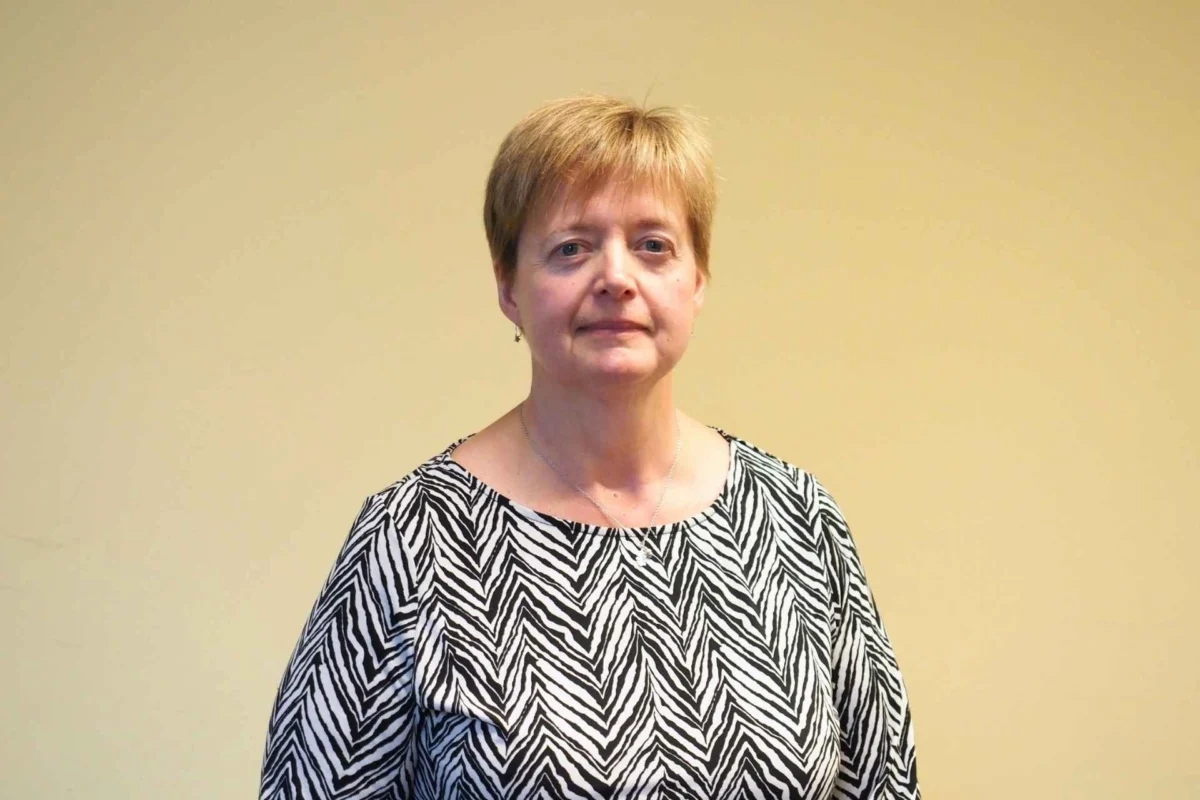
The human gut microbiome has emerged as a cornerstone of modern medical research, yet much of what science understands about these microbial communities is based on populations living in industrialized nations. Emma Allen-Vercoe, a prominent researcher from the University of Guelph in Canada, is leading a transformative effort to broaden this perspective by studying the gut microbiota of the Yanomami, an indigenous population residing in the remote Amazon regions of southern Venezuela and northern Brazil. Through a combination of grueling field expeditions and sophisticated laboratory culturing techniques, Allen-Vercoe and her team are working to preserve and analyze "ancestral" microbes that have largely disappeared from the Western gut. This research not only sheds light on the evolution of the human microbiome but also paves the way for a new generation of probiotics designed to combat the chronic "diseases of civilization" that plague modern societies.
The Yanomami: A Biological Time Capsule of Human Health
The Yanomami people represent one of the most isolated groups remaining on Earth. Living as hunter-gatherers and swidden horticulturalists, their lifestyle remains largely untouched by modern industrialization, processed diets, and the widespread use of antibiotics. For scientists like Allen-Vercoe, the Yanomami offer a unique window into the past—a biological "baseline" for what the human microbiome looked like before the advent of the industrial revolution.
Clinical observations of the Yanomami have revealed a population with exceptionally strong cardiometabolic health. Studies have consistently shown that the Yanomami exhibit virtually no incidence of hypertension, even into old age, and possess some of the lowest risks for atherosclerosis and type 2 diabetes ever recorded in human populations. While genetics and physical activity play a role, researchers increasingly believe that their gut microbiome is a primary driver of this resilience. The Yanomami microbiome is characterized by the highest level of bacterial diversity ever reported in a human group, containing numerous species that are entirely absent in individuals living in North America and Europe.
The Amazon Expedition: Challenges of Field Collection and Preservation
The process of studying the Yanomami microbiome begins with the formidable task of sample collection. In a recent interview, Emma Allen-Vercoe detailed the logistical and technical hurdles involved in an expedition to the deep Amazon. Unlike typical clinical trials conducted in urban hospitals, collecting samples in the rainforest requires navigating extreme humidity, lack of electricity, and the delicate task of maintaining the viability of anaerobic microbes.
Microbes in the human gut are predominantly anaerobic, meaning they cannot survive in the presence of oxygen. To study these organisms effectively, they must be kept alive from the moment of excretion until they reach the laboratory. Allen-Vercoe described the use of specialized portable preservation systems designed to shield the stool samples from atmospheric oxygen. These samples had to be transported via boat and aircraft, maintaining a strict "cold chain" and anaerobic environment across thousands of miles.
The success of this expedition enabled the collection of viable stool samples that were subsequently transported to the University of Guelph. This achievement is significant because most previous studies on remote populations relied on DNA sequencing alone. While sequencing identifies which microbes are present, it does not provide live organisms for functional testing. By preserving viable samples, Allen-Vercoe’s team has been able to culture a large and diverse collection of live gut microbes in the laboratory, allowing for an unprecedented level of biological characterization.
Culturing the "Unculturable" and the Role of the Robogut
One of the most significant contributions of Allen-Vercoe’s work is her ability to grow microbes that were previously deemed "unculturable." Standard laboratory approaches often fail to replicate the complex, highly specific conditions of the human intestine. To overcome this, the University of Guelph team utilizes a sophisticated bioreactor system known as the "Robogut."
The Robogut is designed to mimic the environment of the human large intestine, controlling for pH, temperature, and nutrient availability while strictly excluding oxygen. By using this technology, researchers can isolate specific bacterial strains from the Yanomami samples and observe how they interact with one another and their host environment. This process has led to the identification of several novel isolates with unique biological properties.
The scientific rationale for this intensive culturing effort is rooted in the "missing microbes" hypothesis. This theory suggests that the loss of microbial diversity in industrialized populations—driven by sanitation, C-sections, and antibiotic overuse—has contributed to the rise of autoimmune disorders, allergies, and metabolic syndromes. By isolating these "lost" microbes from the Yanomami, researchers hope to understand what functions these bacteria provide, such as the production of specific short-chain fatty acids (SCFAs) that regulate inflammation and metabolic signaling.
Comparative Data: The Industrialized vs. Non-Industrialized Gut
To understand the implications of Allen-Vercoe’s findings, it is essential to look at the data comparing the Yanomami to Western cohorts. Research indicates that the average American gut contains approximately 30% less microbial diversity than that of a Yanomami individual. Specifically, the Yanomami harbor high levels of Prevotella, Helicobacter, and various Spirochaetaceae, which are often depleted or absent in Westerners.
Furthermore, the Yanomami microbiome shows a remarkable lack of antibiotic resistance genes, despite having some environmental exposure to modern medicines through occasional contact with outsiders. This suggests that their microbial ecosystem remains in a state of "primeval" equilibrium. In contrast, the Western microbiome is dominated by Bacteroides and is frequently colonized by microbes carrying multi-drug resistance, even in healthy individuals.
The cardiometabolic data is equally striking. While the average blood pressure of a 60-year-old American is significantly higher than that of a 20-year-old, the Yanomami show no such age-related increase. Their blood pressure remains consistently low throughout their lifespan. Allen-Vercoe’s work aims to determine if specific microbes found in the Yanomami gut are responsible for producing metabolites that keep blood vessels flexible and reduce systemic inflammation, thereby preventing hypertension.
Next-Generation Probiotics and the New Culturing Service
A primary goal of characterizing these isolates is the development of next-generation probiotics (NGPs). Unlike traditional probiotics found in yogurt, which are often transient and do not colonize the gut, NGPs are derived from the commensal bacteria that naturally inhabit the human intestine. The isolates from the Yanomami represent a potential gold mine for therapeutic development.
These microbes could be used to treat a variety of conditions:
- Metabolic Disorders: Bacteria that improve insulin sensitivity and lipid metabolism.
- Inflammatory Bowel Disease (IBD): Strains that reinforce the gut barrier and dampen overactive immune responses.
- Mental Health: The "gut-brain axis" suggests that certain ancestral microbes may produce neurotransmitters that influence mood and cognitive function.
To facilitate this research beyond her own lab, Allen-Vercoe has introduced a new culturing service. This initiative is designed to support both academic and commercial partners who lack the specialized equipment and expertise required to isolate previously uncultured microorganisms. By offering access to these hidden diversities, the service aims to accelerate the discovery of new therapeutic agents and broaden the global understanding of the human microbiome.
Ethical Considerations and Indigenous Rights
The study of indigenous microbiomes is not without controversy, and Allen-Vercoe’s work emphasizes the importance of ethical engagement. Historically, indigenous populations have been exploited by researchers who took biological samples without proper consent or benefit-sharing.
The Yanomami project operates under strict ethical guidelines, ensuring that the indigenous communities are informed of the research goals and that their biological heritage is respected. There is an ongoing discussion in the scientific community regarding "microbial sovereignty," ensuring that if commercial products—such as new probiotics—are developed from these samples, the benefits are shared with the populations from which they originated. Allen-Vercoe advocates for a model of research that views the Yanomami not as "subjects," but as essential partners in a global effort to recover human health.
Chronology of Microbiome Research and the Yanomami
- 2008-2009: Initial medical surveys of isolated Yanomami villages in Venezuela begin to document their unique health profiles and lack of age-related hypertension.
- 2015: A landmark study published in Science Advances reveals that the Yanomami have the highest diversity of bacteria and genetic functions ever reported in a human group.
- 2018-2022: Emma Allen-Vercoe and her colleagues conduct specialized expeditions to collect viable, live samples using anaerobic preservation techniques.
- 2023: Successful culturing of numerous "unculturable" Yanomami strains is achieved at the University of Guelph using the Robogut system.
- 2024: The launch of the new culturing service to assist global partners in exploring the hidden diversity of the human gut.
Broader Impact and Future Implications
The work of Emma Allen-Vercoe represents a critical shift in how we view human biology. It moves beyond the idea of the "self" as a single organism and toward a "holobiont" model, where humans and their trillions of microbes function as a single unit.
The implications of this research are profound. As we continue to urbanize and adopt Western lifestyles, the "extinction" of our internal microbial species may be driving the global epidemic of chronic disease. By looking back at the Yanomami, science is not just satisfying a curiosity about the past; it is looking for a roadmap to a healthier future. The isolation and preservation of these ancestral microbes serve as a "Noah’s Ark" for human health, ensuring that even as our lifestyles change, the essential microbial tools for our survival are not lost forever.
As the University of Guelph continues to expand its library of Yanomami isolates, the focus will turn to clinical trials. The coming decade may see the introduction of "ancestral" microbial therapies that could fundamentally change the treatment of obesity, diabetes, and autoimmune diseases, effectively "re-wilding" the modern human gut with the wisdom of the Amazon.
