

Polycystic Ovary Syndrome (PCOS) remains one of the most prevalent endocrine disorders among women of reproductive age, affecting approximately 8% to 13% of the global female population. Characterized by a complex interplay of hormonal imbalances, ovulatory dysfunction, and metabolic disturbances, the condition often requires a multi-faceted management strategy. In recent years, clinical attention has increasingly shifted toward berberine, a natural plant alkaloid, as a potent therapeutic agent. Extracted primarily from the roots and stems of barberry species, berberine has transitioned from a staple of traditional Chinese medicine—where it has been utilized for over three millennia—to a subject of rigorous Western clinical trials. Modern research indicates that berberine’s primary value lies in its role as a powerful insulin sensitizer and anti-inflammatory agent, offering a natural alternative or adjunct to conventional pharmaceuticals like metformin.
The Biochemical Profile and Mechanisms of Berberine
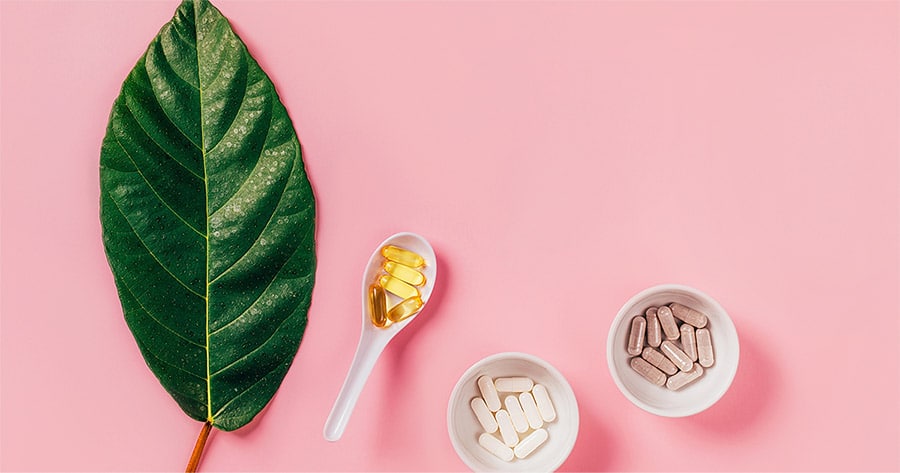
To understand why berberine is becoming a cornerstone of PCOS supplementation, it is necessary to examine its biochemical impact on the human body. Berberine belongs to a class of compounds known as alkaloids and is found in plants such as Berberis aristata (tree turmeric) and Berberis vulgaris (barberry). Its primary mechanism of action involves the activation of adenosine monophosphate-activated protein kinase (AMPK). Often referred to as a "metabolic master switch," AMPK plays a crucial role in regulating energy metabolism, enhancing glucose uptake in the muscles, and suppressing the production of glucose in the liver.
For women with PCOS, the activation of the AMPK pathway is critical. A central driver of PCOS symptoms is a disruption in insulin signaling, leading to systemic insulin resistance. When cells become resistant to insulin, the pancreas compensates by producing more of the hormone. This hyperinsulinemia triggers the ovaries to produce excess androgens, such as testosterone, which in turn leads to common PCOS symptoms including acne, hirsutism (excess hair growth), and irregular menstrual cycles. By improving insulin sensitivity at the cellular level, berberine addresses the root cause of these hormonal cascades.

Clinical Evidence: Insulin Sensitivity and Glucose Regulation
The metabolic benefits of berberine are supported by a growing body of peer-reviewed literature. A prospective randomized study published in Cureus in 2022 compared the effects of berberine, myo-inositol, and metformin in women with PCOS. The researchers concluded that after 12 weeks of administration, berberine significantly improved insulin sensitivity. This is a vital finding, as it suggests that berberine can achieve metabolic results comparable to metformin, the gold-standard pharmaceutical for insulin resistance, but often with a different side-effect profile.
Furthermore, berberine’s ability to lower blood sugar levels is a primary reason for its clinical adoption. High plasma glucose levels, a hallmark of insulin resistance, contribute to long-term risks such as type 2 diabetes and cardiovascular disease. In the short term, these elevated levels manifest as fatigue, "brain fog," and weight gain. By increasing the expression of glucose transporter type 4 (GLUT4) in insulin-sensitive tissues, berberine facilitates the efficient transport of sugar from the bloodstream into the cells for energy, thereby stabilizing blood glucose and reducing the metabolic strain on the body.

Impact on Body Composition and Weight Management
Weight management is frequently cited as one of the most challenging aspects of living with PCOS. The hormonal environment of the syndrome promotes fat storage, particularly in the visceral region (the area surrounding internal organs), and makes weight loss exceptionally difficult through diet and exercise alone. Clinical trials have demonstrated that berberine may serve as a significant aid in this area.
A study involving 37 individuals diagnosed with metabolic syndrome observed the effects of berberine treatment over 12 weeks. The results, published in Biomedicine & Pharmacotherapy, showed a marked reduction in body mass index (BMI), with average levels dropping from 31.5 to 27.4. The researchers noted that berberine appears to inhibit adipogenesis—the process by which new fat cells are formed—and increases energy expenditure. For women with PCOS, this means berberine does not just assist in weight loss but specifically targets the metabolic pathways that lead to fat accumulation, potentially improving body composition even in the absence of significant total weight loss.

Cardiovascular Health and Lipid Metabolism
Beyond glucose and weight, PCOS significantly elevates a woman’s risk for cardiovascular disease. This is largely due to dyslipidemia, a condition characterized by high levels of "bad" cholesterol and triglycerides. Berberine has emerged as a "novel cholesterol-lowering drug" in the eyes of many researchers. It works by increasing the activity of the LDL receptor in the liver, which clears low-density lipoprotein (LDL) from the blood.
A meta-analysis of randomized controlled trials published in PubMed compared berberine to simvastatin, a common statin medication. The analysis found that berberine was highly effective in reducing LDL cholesterol and triglycerides while simultaneously increasing high-density lipoprotein (HDL) or "good" cholesterol. An 8-week study in Nutrients (2021) further confirmed these findings specifically within the PCOS population, showing that berberine phospholipid formulations significantly improved the lipid profiles of participants. By addressing these cardiovascular markers, berberine provides a protective effect that extends beyond reproductive health.

Reproductive Function and Hormonal Restoration
The primary concern for many women seeking PCOS treatment is the restoration of regular menstrual cycles and the improvement of fertility. Berberine addresses these issues by lowering the Free Androgen Index (FAI). Excess insulin is known to suppress the production of Sex Hormone-Binding Globulin (SHBG) in the liver. SHBG’s role is to bind to testosterone, rendering it inactive. When SHBG levels are low, free testosterone levels rise, disrupting the delicate balance required for ovulation.
Comparative studies between berberine and metformin have shown that while both are effective in improving ovulation rates, berberine may be superior in increasing SHBG levels. Higher SHBG levels lead to a decrease in free testosterone, which helps clear skin, reduce unwanted hair growth, and promote a healthy luteinizing hormone (LH) to follicle-stimulating hormone (FSH) ratio. This hormonal recalibration is essential for follicular development and regular ovulation. Additionally, research published in the Journal of Clinical Endocrinology indicates that berberine may improve endometrial receptivity, enhancing the likelihood of successful embryo implantation for those trying to conceive.

Addressing Inflammation and Hepatic Health
Chronic low-grade inflammation is now recognized as a key driver of PCOS pathology. Pro-inflammatory cytokines can exacerbate insulin resistance, creating a vicious cycle. Berberine acts as a potent anti-inflammatory and antioxidant. By inhibiting the production of these cytokines, it reduces systemic inflammation, which has been shown to improve egg quality and overall ovarian health.
Furthermore, women with PCOS are four times more likely to develop Non-Alcoholic Fatty Liver Disease (NAFLD) compared to the general population. This condition involves the accumulation of excess fat in the liver, which can lead to scarring and permanent damage. Berberine’s metabolic benefits extend directly to the liver. By reducing triglyceride levels and improving insulin sensitivity, it helps clear hepatic fat. A meta-analysis published in PMC confirmed that berberine is an effective treatment for NAFLD, making it a critical tool for the long-term health of women with PCOS.

Psychological Well-being and Menopausal Transition
The impact of PCOS is not limited to physical symptoms; the syndrome is strongly associated with increased rates of depression and anxiety. While the exact mechanisms are still being studied, the hormonal fluctuations and metabolic stress associated with PCOS are believed to play a role. Emerging evidence suggests that berberine may have neuroprotective effects and can modulate neurotransmitters involved in mood regulation. A 2018 study in PMC highlighted the pharmacological effects of berberine on mood disorders, suggesting it may offer a holistic benefit by alleviating some of the psychological burdens of the condition.
As women with PCOS age, they also face unique challenges during the menopausal transition. The decline in estrogen levels can worsen insulin resistance and increase the risk of bone density loss and cardiovascular events. Because berberine is an insulin sensitizer with metabolic benefits, it can help bridge the gap during perimenopause and menopause, mitigating the increased risk of metabolic syndrome that often accompanies the cessation of the menstrual cycle.
Clinical Guidelines: Dosage, Safety, and Usage
For women considering berberine as part of their management plan, clinical consensus suggests a dosage of 500mg, taken two to three times daily. It is generally recommended to take the supplement with meals to maximize its effect on post-prandial (post-meal) glucose levels and to minimize potential gastrointestinal side effects.
When selecting a supplement, berberine hydrochloride (HCl) is often preferred by clinicians due to its superior bioavailability. While berberine is considered safe for long-term use, it is not without potential side effects. The most common reported issues are gastrointestinal in nature, including nausea, diarrhea, or constipation. These are usually mild and can often be mitigated by starting with a lower dose and gradually increasing it. However, patients are advised to consult with a healthcare professional before beginning treatment, particularly if they are already taking medications for blood sugar or cholesterol, to avoid potential interactions.

Broader Implications for Integrative Medicine
The rise of berberine in the treatment of PCOS represents a significant shift toward integrative medicine, where evidence-based natural compounds are used alongside or in place of traditional pharmaceuticals. The data suggests that berberine is not merely a "supplement" but a potent metabolic modulator that addresses the complex, multi-systemic nature of Polycystic Ovary Syndrome. By improving insulin sensitivity, lowering androgens, protecting cardiovascular and hepatic health, and aiding in weight management, berberine offers a comprehensive approach to a condition that affects millions. As further large-scale clinical trials continue to validate its efficacy, berberine is poised to remain a vital component of endocrine and reproductive healthcare for women worldwide.
