
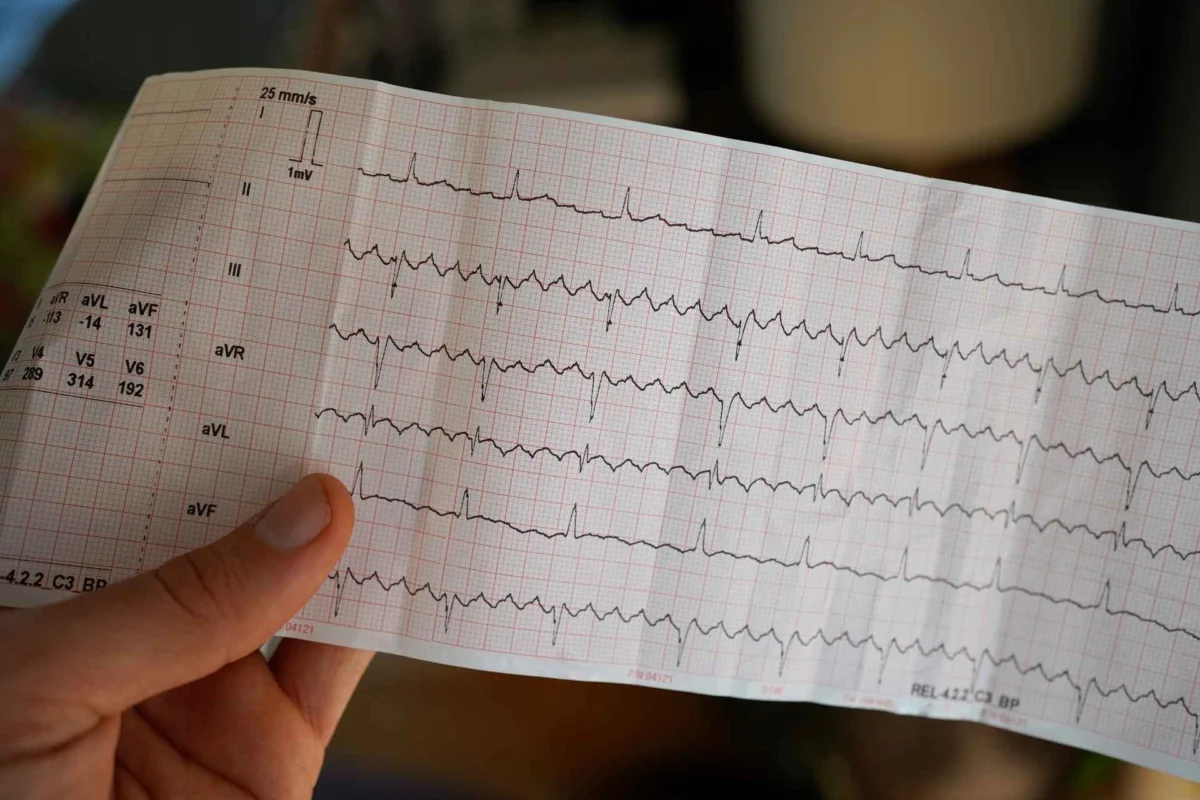
Atrial fibrillation, a condition characterized by an irregular and often rapid heart rate, remains the most prevalent sustained cardiac arrhythmia globally, contributing significantly to the risk of ischemic stroke, heart failure, and overall cardiovascular mortality. While traditional risk factors such as hypertension, diabetes, and valvular disease are well-documented, a groundbreaking study published in the journal Cell Metabolism has illuminated a sophisticated biological dialogue between the human digestive system and the heart. Researchers led by Ning Ding at Xi’an Jiaotong University in Xi’an, China, have identified that a specific gut bacterium, Ruminococcus gnavus, plays a vital role in maintaining cardiac rhythm by producing a metabolite known as isovaleric acid (IVA). This discovery provides a mechanistic link between the gut microbiome and atrial health, suggesting that the "gut-heart axis" could be the next frontier in preventing and treating chronic arrhythmias.
The Global Burden and Pathophysiology of Atrial Fibrillation
Atrial fibrillation (AFib) affects an estimated 33 million people worldwide, a number expected to rise as global populations age. The condition occurs when the upper chambers of the heart (the atria) experience chaotic electrical signals, causing them to quiver rather than contract effectively. This inefficiency leads to blood pooling in the atria, which can form clots that travel to the brain, causing strokes. Beyond the electrical disturbances, AFib is often driven by structural remodeling, including inflammation and fibrosis (the scarring of heart tissue).
Current treatment modalities, including rate-control medications, anti-arrhythmic drugs, and catheter ablation, focus primarily on managing symptoms or correcting electrical pathways. However, these interventions often fail to address the underlying systemic inflammation that triggers the condition. The study from Xi’an Jiaotong University suggests that the root of the problem—and a potential solution—may reside within the trillions of microbes inhabiting the human gastrointestinal tract.
Chronology of the Discovery: From Human Observations to Molecular Mechanics
The research followed a rigorous multi-stage trajectory, beginning with clinical observations in human patients and culminating in high-resolution molecular mapping in animal models. The timeline of the study highlights a shift from identifying correlations to proving causality.
Initially, the research team conducted a comprehensive analysis of the gut microbiota and blood metabolites of a cohort of individuals diagnosed with atrial fibrillation, comparing them to a control group of healthy individuals. This comparative analysis revealed a striking disparity: patients with AFib exhibited significantly lower levels of Ruminococcus gnavus in their gut and correspondingly lower concentrations of isovaleric acid in their bloodstream.
To move beyond mere correlation, the researchers transitioned to mouse models. They utilized germ-free mice—animals raised in sterile environments without any internal microbes—which are known to have a heightened susceptibility to cardiovascular dysfunction. By restoring the gut microbiota of these mice through fecal transplants and specific bacterial inoculation, the team observed a direct improvement in cardiac stability. When R. gnavus was specifically introduced to the mice, the frequency of AFib events dropped sharply, and the physical markers of heart disease, such as tissue scarring and inflammation, were visibly reduced.
The Role of Ruminococcus gnavus and Isovaleric Acid
Ruminococcus gnavus is a common member of the human gut flora, typically associated with the breakdown of complex carbohydrates and the production of short-chain fatty acids (SCFAs). While some strains of R. gnavus have been linked to inflammatory bowel disease in specific contexts, this study highlights its beneficial role as a metabolic factory for heart health.
The researchers discovered that R. gnavus processes leucine, an essential amino acid found in protein-rich foods, through a specific bacterial enzyme called vorC. This metabolic pathway produces isovaleric acid (IVA), a branched-chain short-chain fatty acid. The study found that in healthy individuals, IVA circulates in the blood and acts as a signaling molecule. However, in patients with AFib, the depletion of R. gnavus leads to an "IVA deficiency," leaving the heart vulnerable to inflammatory damage.
Molecular Mechanism: The GPR109A Receptor and Pyroptosis
The most significant contribution of the study is the identification of the specific molecular pathway through which IVA protects the heart. The researchers found that isovaleric acid binds to a specific receptor on the surface of heart cells (cardiomyocytes) called GPR109A.
When IVA activates the GPR109A receptor, it triggers a cascade that suppresses a highly destructive signaling pathway known as pyroptosis. Pyroptosis is a form of programmed, inflammatory cell death that is distinct from apoptosis. In the context of the heart, pyroptosis leads to the release of pro-inflammatory cytokines, which in turn promote the formation of fibrous scar tissue. This scar tissue disrupts the smooth flow of electrical impulses through the atria, creating the "re-entry circuits" that sustain atrial fibrillation. By blocking this pathway, IVA acts as a natural brake on the inflammation-scarring cycle.
Supporting Data: Clinical Correlations and Outcomes
The data provided by the Xi’an Jiaotong University team offers compelling evidence for the clinical relevance of IVA levels. In the human cohort:
- Inflammatory Markers: Lower levels of isovaleric acid were strongly correlated with higher levels of C-reactive protein (CRP) and other systemic markers of inflammation.
- Cardiac Morphology: Patients with low IVA levels tended to have larger left atria, a physical change known as atrial remodeling that is a precursor to permanent AFib.
- Treatment Success: Most notably, the study found that patients with higher baseline levels of IVA had a lower risk of AFib recurrence following catheter ablation or medical cardioversion. This suggests that the gut microbiome’s state could be a predictive biomarker for how well a patient will respond to standard heart treatments.
In the experimental mouse models, supplementing the diet with IVA yielded results similar to those of bacterial restoration. Mice treated with IVA showed a significant reduction in the duration and inducibility of AFib, as well as a decrease in the expression of genes associated with fibrosis (such as collagen types I and III).
Analysis of Implications: A Paradigm Shift in Cardiology
The discovery of the R. gnavus-IVA-GPR109A axis represents a paradigm shift in how cardiologists might approach arrhythmia in the future. Traditionally, the heart and the gut were treated as distinct systems. This research joins a growing body of evidence suggesting that the "metabolic milieu" created by our gut bacteria is a primary determinant of organ health.
The Rise of Postbiotics
While probiotics (live bacteria) and prebiotics (fiber that feeds bacteria) are well-known, this study highlights the potential of "postbiotics"—the actual metabolites produced by bacteria. Supplementing with isovaleric acid directly could offer a more precise therapeutic approach than trying to alter the complex ecosystem of the gut microbiome, which can be resistant to change.
Dietary Considerations
The link between the amino acid leucine and IVA production suggests that dietary interventions could play a role in AFib management. Leucine is found in high concentrations in eggs, seaweed, soy, and fish. While the study does not suggest that diet alone can cure AFib, it opens the door for "precision nutrition" plans tailored to support the growth of R. gnavus.
Expert Reactions and Future Directions
While the research community has welcomed these findings, experts emphasize that several hurdles remain before these insights can be applied in a clinical setting. The researchers themselves noted that while they focused on short-chain fatty acids, the gut produces thousands of other metabolites that likely interact with the heart in ways not yet understood.
Cardiologists not involved in the study have pointed out that the human gut microbiome is influenced by geography, ethnicity, and medication use (such as antibiotics or metformin), which may affect the prevalence of R. gnavus. Therefore, large-scale international clinical trials will be necessary to confirm if IVA supplementation is effective across diverse populations.
"These results reveal that the microbial metabolism of dietary leucine and the production of isovaleric acid play pivotal roles in preventing AFib onset and progression," the authors concluded. The next step for the team at Xi’an Jiaotong University will likely involve phase I clinical trials to test the safety and efficacy of IVA supplements or specific R. gnavus probiotic strains in humans at high risk for arrhythmia.
Conclusion
The identification of Ruminococcus gnavus and isovaleric acid as guardians of cardiac rhythm provides a missing piece in the puzzle of atrial fibrillation. By shifting the focus from the heart’s electrical symptoms to the gut’s metabolic outputs, this research offers a novel strategy for a condition that has long been difficult to manage. As the medical community continues to explore the gut-heart axis, the possibility of treating irregular heartbeats through the gut moves from a theoretical concept to a tangible clinical prospect. In the fight against the world’s most common arrhythmia, the most powerful tool may not be a pacemaker or a scalpel, but the microscopic inhabitants of the human digestive tract.
