
Polycystic Ovary Syndrome (PCOS) remains one of the most prevalent endocrine disorders among women of reproductive age, affecting an estimated 8% to 13% of the global female population. As a primary driver of ovulatory infertility, the condition presents a complex array of hormonal imbalances, including hyperandrogenism and insulin resistance, which can significantly hinder the ability to conceive. Clinical data and patient case studies suggest that while a PCOS diagnosis can be a formidable barrier to pregnancy, a multi-faceted approach focusing on metabolic health, dietary adjustments, and targeted supplementation can substantially improve fertility outcomes. Research indicates that lifestyle interventions are often the first line of treatment recommended by reproductive endocrinologists to restore regular menstrual cycles and enhance the quality of oocytes.
The Pathological Context of PCOS and Fertility
To understand the intersection of PCOS and pregnancy, it is essential to examine the underlying hormonal disruptions that characterize the syndrome. PCOS is fundamentally a metabolic and reproductive disorder. In a healthy reproductive cycle, the pituitary gland releases follicle-stimulating hormone (FSH) and luteinizing hormone (LH) to trigger the growth of an egg and subsequent ovulation. In women with PCOS, this delicate balance is disrupted, often by elevated levels of insulin and androgens (male hormones like testosterone).

The chronology of a PCOS diagnosis often follows a similar pattern: a patient experiences irregular periods, acne, or weight gain, which eventually leads to difficulty in conceiving. Historically, many women remained undiagnosed until they actively sought fertility assistance. For instance, in documented clinical narratives, patients often spend months or years attempting to conceive before a formal diagnosis of PCOS is rendered via ultrasound—revealing the characteristic "string of pearls" of immature follicles—and blood tests showing elevated testosterone levels.
The Insulin-Testosterone Connection
A cornerstone of PCOS management is the regulation of insulin. Hyperinsulinemia, or high levels of insulin in the blood, is not merely a symptom of PCOS but a primary driver of its reproductive complications. When insulin levels are chronically elevated, the ovaries are stimulated to produce excess testosterone. High testosterone levels interfere with the maturation of follicles, leading to the "cysts" (actually arrested follicles) seen in PCOS and preventing regular ovulation.
Dietary strategies aimed at improving insulin sensitivity are therefore paramount. The "Low Glycemic Index (GI)" diet is frequently cited by nutritionists and medical professionals as the gold standard for PCOS. By consuming carbohydrates that digest slowly, women can avoid the sharp insulin spikes that trigger androgen production. Balancing these carbohydrates with high-quality proteins and healthy fats further stabilizes blood glucose levels, creating a more favorable hormonal environment for conception.

Estrogen Dominance and Environmental Factors
Beyond insulin and testosterone, estrogen levels play a critical role in the PCOS fertility equation. Many women with the condition suffer from "estrogen dominance," a state where estrogen levels are disproportionately high relative to progesterone. This imbalance can be exacerbated by both dietary choices and environmental exposures.
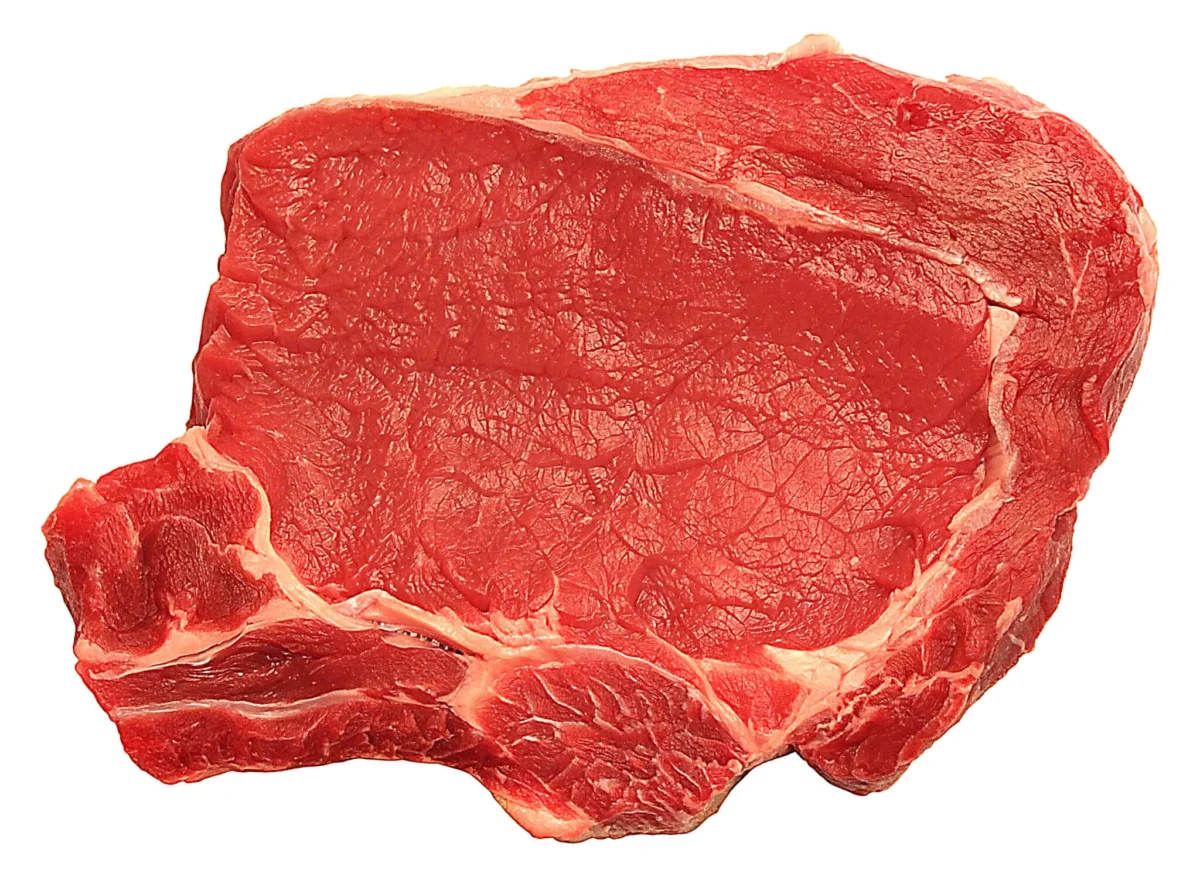
Environmental estrogens, known as xenoestrogens, are synthetic compounds found in plastics (such as BPA), cosmetics, and industrial chemicals. These compounds can mimic natural estrogen in the body, binding to receptors and disrupting the endocrine system. Furthermore, the ingestion of hormones through animal products has become a point of concern for fertility specialists. Conventional livestock farming often utilizes hormones to accelerate growth; when these are ingested by humans, they can further complicate an already disordered hormonal system. Consequently, many experts recommend organic, pasture-fed meats or a reduction in meat consumption to minimize exogenous hormone intake.
The Phytoestrogen and Soy Controversy
The role of soy and other phytoestrogens in a PCOS diet is a subject of ongoing debate within the nutritional community. Phytoestrogens are plant-based compounds that can bind to estrogen receptors. The controversy lies in their "lock and key" mechanism: they can either mimic estrogen or block the body’s natural, more potent estrogen from binding to the receptor.
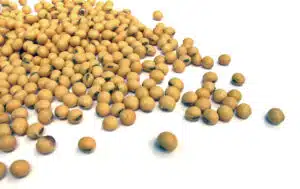
Some research suggests that high soy intake may lead to delayed ovulation in sensitive individuals. Conversely, other studies indicate that isoflavones in soy might improve metabolic markers in women with PCOS. Given the conflicting data, many women who are actively trying to conceive choose to eliminate or strictly limit soy to ensure that nothing interferes with the delicate timing of the luteal phase and ovulation.
Metabolic Weight Loss as a Fertility Catalyst
One of the most encouraging pieces of data for women struggling with PCOS-related infertility is the impact of modest weight loss. Clinical studies have consistently shown that for women who are overweight or obese, losing as little as 5% to 10% of total body weight can lead to a significant restoration of spontaneous ovulation.
Weight loss in the context of PCOS is notoriously difficult due to insulin resistance, which promotes fat storage and increases hunger signals. However, when weight loss is achieved through a combination of low-GI eating and physical activity, the reduction in adipose tissue leads to a direct decrease in circulating insulin and androgens. This metabolic shift often results in more regular menstrual cycles and improved response to fertility medications like Clomiphene or Letrozole.
Evidence-Based Supplementation for PCOS
While diet forms the foundation of fertility management, targeted supplementation is increasingly recognized as a vital tool for addressing specific nutrient deficiencies common in women with PCOS.
Chromium and Glucose Metabolism
Chromium is a trace mineral that plays a significant role in the metabolism of glucose. It enhances the action of insulin and has been shown in several studies to improve glucose tolerance. For women with PCOS, chromium supplementation can help lower fasting insulin levels, which in turn reduces testosterone production. However, medical professionals caution that chromium should not be taken in conjunction with insulin-sensitizing drugs like Metformin without strict supervision, as it may lead to hypoglycemia.
Vitamin D and Calcium
Vitamin D deficiency is remarkably common among women with PCOS, with some studies suggesting up to 85% of patients are deficient. Vitamin D is not just a vitamin but a pro-hormone that influences insulin signaling and follicle development. Research has demonstrated that supplementing with Vitamin D and Calcium can help regulate the menstrual cycle and improve the maturation of follicles, directly increasing the chances of successful fertilization.
The B-Vitamin Complex and Folic Acid
B-vitamins are essential for hormonal balance and cellular energy. Vitamin B6, in particular, is necessary for the production of progesterone and the regulation of blood sugar. Furthermore, Folic Acid (Vitamin B9) is a non-negotiable requirement for any woman planning a pregnancy. It is critical for the development of the neural tube in the early weeks of gestation and helps prevent birth defects such as spina bifida. Given that many women with PCOS may have a genetic predisposition (such as the MTHFR mutation) that affects folate metabolism, high-quality methylated folate is often recommended over synthetic folic acid.
Omega-3 Fatty Acids
Omega-3 fatty acids, found in fish oil and certain plant seeds, are potent anti-inflammatory agents. In the context of PCOS, Omega-3s have been shown to reduce androgen levels and improve the LH/FSH ratio. By lowering systemic inflammation and improving the lipid profile, Omega-3s support overall reproductive health and egg quality.
Broader Implications and Future Outlook
The shift toward lifestyle-based management of PCOS represents a broader trend in reproductive medicine toward "pre-conception care." By addressing the root metabolic causes of PCOS rather than simply treating the symptoms with pharmaceutical interventions, women are able to achieve healthier pregnancies.

The implications of this approach extend beyond the immediate goal of conception. Women with PCOS are at a higher risk for pregnancy complications, including gestational diabetes, preeclampsia, and preterm birth. By stabilizing insulin and hormones through diet and nutrition prior to pregnancy, these risks can be significantly mitigated.
Furthermore, the psychological impact of PCOS cannot be overlooked. The frustration of "messed up hormones" and the lack of control over one’s reproductive cycle often lead to high levels of stress and anxiety. Empowering women with evidence-based dietary tools provides a sense of agency in their fertility journey.
In conclusion, while PCOS presents a significant challenge to natural conception, it is not an insurmountable one. The integration of a low-GI diet, the avoidance of endocrine disruptors, modest weight management, and scientifically backed supplementation creates a robust framework for improving fertility. As research continues to evolve, the emphasis on personalized nutritional protocols is likely to become an even more central component of standard obstetric and gynecological care for women worldwide. Those navigating this path are encouraged to work closely with multidisciplinary teams—including nutritionists, endocrinologists, and fertility specialists—to tailor these strategies to their unique physiological needs, ensuring the best possible outcome for both mother and child.
