
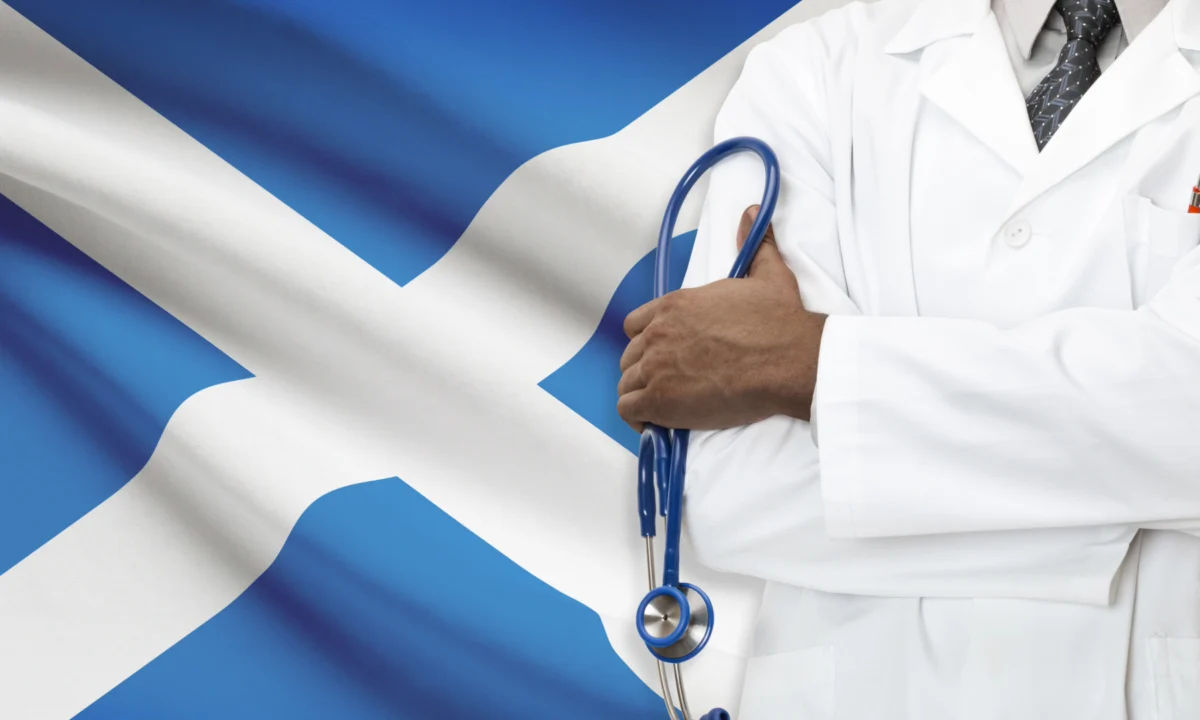
The Scottish Parliament has officially passed the Non-surgical Procedures and Functions of Medical Reviewers Bill, marking a transformative moment for the nation’s rapidly expanding aesthetics industry. This legislative milestone follows years of advocacy from medical professionals and patient safety groups who have long argued that the lack of stringent oversight in the cosmetic sector posed significant risks to public health. By establishing a formal regulatory framework, the Scottish Government aims to curb the "wild west" environment of unregulated injectables and energy-based treatments, ensuring that practitioners meet rigorous standards of training, clinical governance, and ethical conduct.
The Bill introduces a series of statutory requirements designed to protect consumers, most notably by criminalizing the provision of certain non-surgical procedures to individuals under the age of 18 and establishing a licensing regime for premises. As the aesthetics market continues to grow—driven by social media trends and the increasing accessibility of treatments like dermal fillers and botulinum toxin—this legislation seeks to bridge the gap between high-street beauty services and clinical medical practice.
Historical Context and the Road to Regulation
The journey toward the Non-surgical Procedures and Functions of Medical Reviewers Bill began nearly a decade ago, following the 2013 Keogh Review in the United Kingdom, which highlighted the "crisis of standards" in the cosmetic interventions sector. While surgical procedures have long been subject to strict regulation by the General Medical Council (GMC) and the Care Quality Commission (CQC) in England or Healthcare Improvement Scotland (HIS) north of the border, non-surgical interventions remained largely in a legal gray area.
In Scotland, the push for reform gained momentum as the number of adverse incidents related to fillers and "liquid nose jobs" rose. Unlike prescription-only medicines such as botulinum toxin, dermal fillers have historically been classified as medical devices (or in some cases, not even that), meaning they could be purchased and injected by individuals with no medical background. Public consultations held by the Scottish Government between 2020 and 2023 revealed overwhelming support for tighter controls, particularly regarding who can perform these procedures and where they can be carried out.
The Bill’s passage represents the culmination of these efforts, aligning Scotland with broader UK initiatives to improve aesthetic safety while introducing specific measures tailored to the Scottish healthcare landscape, including the enhanced role of medical reviewers in assessing death certifications and healthcare standards.
Key Provisions and the Under-18 Ban
One of the most significant components of the Bill is the introduction of a legal offence for treating individuals under the age of 18. This measure addresses a critical safeguarding gap, preventing minors from accessing life-altering cosmetic changes before they reach physical and emotional maturity. This move mirrors the Botulinum Toxin and Cosmetic Fillers (Children) Act 2021 enacted in England, creating a unified front across the UK against the premature "cosmeticization" of youth.
Amanda Demosthenous, Director at the British Association of Medical Aesthetic Nurses (BAMAN), has been a vocal supporter of this provision. She noted that the ban addresses a long-standing concern among healthcare professionals and establishes a vital safeguarding measure for the next generation. Beyond the age restriction, the Bill grants Scottish Ministers the power to define specific procedures that fall under the scope of the law, specify provider requirements, and mandate training and supervision standards. This flexibility allows the legislation to evolve alongside technological advancements in the aesthetics field.
Practitioner Perspectives: A Step Toward Professionalism
The medical aesthetics community in Scotland has largely welcomed the Bill, viewing it as a mechanism to distinguish qualified clinicians from "cowboy" injectors. Dr. Emma Ravichandran, a prominent aesthetic practitioner and dental surgeon, described the Bill as a "significant and necessary step forward." She emphasized that for established medical clinics, the legislation creates a more equitable and transparent landscape.
"Those already operating to high clinical and ethical standards will be better distinguished from providers who do not meet the same level of medical oversight," Dr. Ravichandran explained. This sentiment is echoed by Dr. Nestor Demosthenous, who believes the Bill signals that non-surgical practice is finally being recognized as a healthcare-adjacent field rather than merely a beauty service. According to Dr. Demosthenous, the formalization of the sector will likely lead to better training pathways, stronger clinical governance, and a more professional culture across the discipline.
However, the transition to this new regime will not be instantaneous. The Bill includes a transition period, with certain offences—such as performing procedures outside of permitted or licensed premises—not scheduled to come into force until September 6, 2027. This timeline is intended to allow practitioners and businesses to adapt to the new requirements and for the Scottish Government to finalize the necessary administrative infrastructure.
Addressing Gaps: Complications and Indemnity
Despite the general optimism, several experts have pointed out areas where the Bill may fall short of providing comprehensive protection. A primary concern is the management of complications. When non-surgical procedures go wrong—resulting in vascular occlusions, necrosis, or blindness—the burden often falls on the National Health Service (NHS) to provide emergency corrective care.
Dr. Ravichandran argued that the Bill should have placed a greater emphasis on complication management protocols. "This should include clear protocols and appropriate indemnity requirements, which would further enhance patient protection," she stated. Without mandatory insurance that specifically covers the cost of complications, or a requirement for practitioners to have an "emergency kit" and the medical knowledge to use it, the risk to the patient remains significant even within a licensed premises.
The Challenge of Diagnostic Skills and Advanced Technology
Another point of contention involves the use of lasers and the treatment of minor skin lesions. Dr. John Elder, an aesthetic practitioner with extensive experience, highlighted that the Bill’s current stance on lasers and cryotherapy may be insufficient. In England, local authority licensing often covers non-medical laser provision, but the Scottish Bill appears to focus primarily on ablative lasers, potentially leaving the use of intense pulsed light (IPL) and other lasers for skin conditions less regulated.
The lack of diagnostic requirements is a particular worry for the medical community. Dr. Elder raised concerns about non-medically qualified practitioners using cryotherapy or lasers to treat skin lesions that they are not trained to diagnose. "Recognition of significant skin lesions can be challenging even for skilled clinicians," Dr. Elder noted. The risk is that a practitioner might inadvertently treat a malignant melanoma or other skin cancer, thinking it is a simple "beauty" blemish, thereby delaying life-saving medical intervention.
"The same concerns regarding diagnosis also apply to non-medical practitioners offering cryotherapy—currently a growing beauty add-on," Dr. Elder concluded. This highlights a broader debate within the industry: whether certain procedures are inherently "medical" and should therefore be restricted to doctors, nurses, and dentists who possess the diagnostic skills to assess underlying pathology.
Supporting Data and the Economic Landscape
The need for regulation is underscored by the scale of the aesthetics market. According to industry reports, the UK aesthetics market is valued at over £3 billion, with non-surgical treatments accounting for approximately 75% of that figure. In Scotland, the sector has seen a proliferation of high-street clinics and home-based businesses.
Data from "Save Face," a government-approved register for practitioners, indicates a sharp rise in complaints related to botched procedures. In recent years, the organization has reported thousands of complaints annually, with a vast majority involving treatments performed by non-medical practitioners. Common issues include infections, asymmetrical results, and severe swelling. By introducing a licensing scheme, the Scottish Government hopes to reduce these statistics and provide consumers with a clear way to verify the legitimacy of their chosen provider.
Implementation and Future Oversight
The real test for the Non-surgical Procedures and Functions of Medical Reviewers Bill will lie in its secondary regulations and enforcement. Healthcare Improvement Scotland (HIS) is expected to play a central role in monitoring compliance and exercising enforcement powers. The effectiveness of the law will depend on the willingness of the government to review and strengthen the regime over time as new "tweakments" emerge on the market.
The secondary legislation will need to define exactly which procedures are "high-risk." While dermal fillers and botulinum toxin are obvious candidates, the status of chemical peels, thread lifts, and advanced energy-based devices remains to be fully clarified. Amanda Demosthenous warned that during the interim period before full implementation, there remains a risk that high-risk procedures may continue to be delivered without appropriate medical oversight.
Broader Implications for the UK Healthcare Sector
Scotland’s move is being closely watched by policymakers in Wales and Northern Ireland, as well as the Department of Health and Social Care in England. While England is currently working on its own licensing scheme for non-surgical cosmetic procedures following the Health and Care Act 2022, Scotland’s Bill provides a distinct model for how a devolved nation can integrate aesthetic regulation into a broader healthcare framework.
The inclusion of "Medical Reviewers" in the Bill’s title also points to a dual purpose. Beyond aesthetics, the Bill refines the functions of medical reviewers who scrutinize death certificates, further integrating the legislation into the fabric of Scottish public health and safety.
As the industry moves toward the 2027 deadline for premises licensing, the focus will shift to the education of the public. Government officials and medical bodies are expected to launch awareness campaigns urging consumers to "check before they inject," looking for licensed premises and practitioners who can demonstrate the training and clinical governance required by the new law.
In conclusion, while the Non-surgical Procedures and Functions of Medical Reviewers Bill is viewed by many as a foundational document rather than a final solution, it represents a decisive shift in how Scotland views the aesthetics industry. By moving away from a laissez-faire approach and toward a regulated, healthcare-adjacent model, the Scottish Parliament has set a new standard for patient safety that balances the commercial growth of the sector with the fundamental right to safe medical care.
