
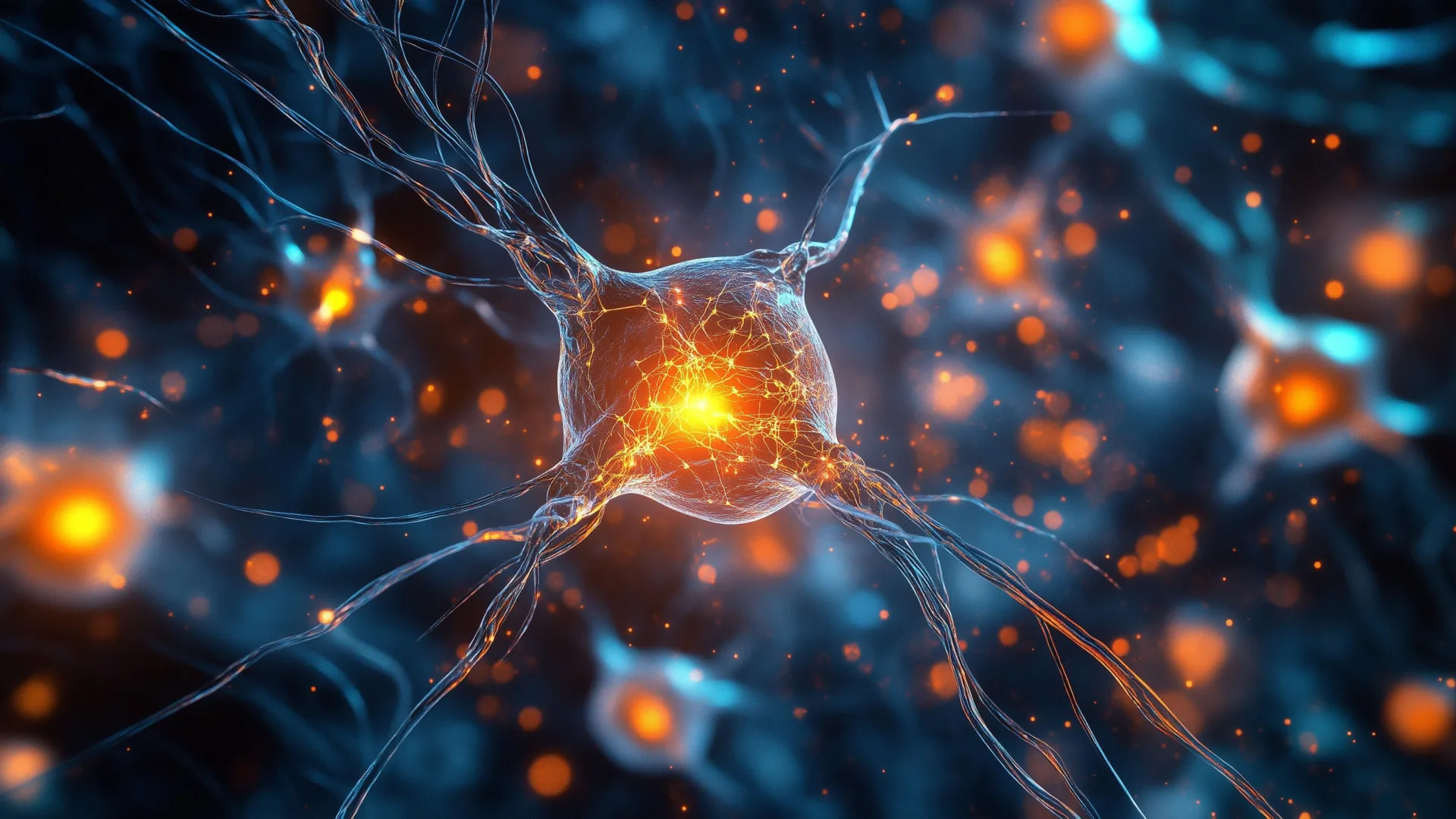
Parkinson’s disease, a relentless neurodegenerative disorder that progressively erodes motor control and other vital bodily functions, affects over one million individuals in the United States, with approximately 90,000 new diagnoses occurring annually. While current pharmacological and therapeutic interventions can provide symptomatic relief, they fall short of halting or reversing the disease’s inexorable march. This stark reality underscores the urgent need for innovative treatments that can address the fundamental pathology of Parkinson’s. At the forefront of this pursuit, researchers at Keck Medicine of USC are pioneering a novel approach that directly confronts the core deficit of the disease: dopamine depletion in the brain. Through an early-phase clinical trial, they are implanting specially engineered stem cells designed to regenerate dopamine-producing neurons, potentially offering a pathway to slowing disease progression and restoring motor function.
The Dopamine Deficit: The Root of Parkinsonian Symptoms
The fundamental mechanism underlying Parkinson’s disease is the gradual degeneration and death of dopaminergic neurons in the substantia nigra, a critical region of the brain. Dopamine, a neurotransmitter, is indispensable for a multitude of functions, most notably the precise regulation of voluntary movement. It acts as a chemical messenger, facilitating smooth and coordinated muscle activity. As these vital neurons wither, the brain’s capacity to produce dopamine plummets, leading to a cascade of motor impairments that define Parkinson’s. These classic symptoms include resting tremors, muscle rigidity, bradykinesia (slowness of movement), and postural instability. Beyond motor control, dopamine also plays a significant role in mood regulation, memory, and reward pathways, meaning that its deficiency can also manifest as non-motor symptoms such as depression, anxiety, cognitive difficulties, and sleep disturbances, further compounding the challenges faced by patients.
The insidious nature of Parkinson’s disease lies in its gradual onset and progressive worsening. Symptoms typically begin subtly and can be easily dismissed in their early stages. Over time, however, they become more pronounced, significantly impacting a patient’s independence and quality of life. The average age of onset is around 60, though a younger form of the disease, early-onset Parkinson’s, can affect individuals in their 30s, 40s, and 50s. The exact causes of this neuronal degeneration remain largely unknown, though a combination of genetic predisposition and environmental factors is suspected. While no definitive cure exists, research has been relentlessly focused on understanding the disease’s intricacies to develop more effective treatments.
A New Dawn in Parkinson’s Treatment: Stem Cell Therapy at Keck Medicine
The innovative clinical trial being conducted at Keck Medicine of USC represents a significant leap forward in the quest for a disease-modifying therapy. The core of this experimental treatment lies in the implantation of specially engineered stem cells, specifically induced pluripotent stem cells (iPSCs), into the brains of Parkinson’s patients. These iPSCs are not derived from embryos but are instead generated from adult cells, such as skin or blood cells, which are then "reprogrammed" back to a pluripotent state – meaning they possess the potential to differentiate into virtually any cell type in the body. This remarkable plasticity allows them to be guided to develop into the very dopamine-producing neurons that are lost in Parkinson’s disease.
"We believe that these iPSCs can reliably mature into dopamine-producing brain cells, and offer the best chance of jump-starting the brain’s dopamine production," stated Xenos Mason, MD, a neurologist specializing in Parkinson’s disease and movement disorders at Keck Medicine and co-principal investigator of the study. This statement highlights the confidence researchers have in the potential of these reprogrammed cells to functionally replace the damaged neurons.
The rationale behind this approach is straightforward yet profound: if the brain can be coaxed into re-establishing a healthy supply of dopamine, the debilitating motor symptoms of Parkinson’s disease could be mitigated, and potentially, the disease’s progression could be slowed. Brian Lee, MD, PhD, a neurosurgeon with Keck Medicine and the principal investigator of the study, articulated this optimistic outlook: "If the brain can once again produce normal levels of dopamine, Parkinson’s disease may be slowed down and motor function restored." This represents a paradigm shift from managing symptoms to actively repairing the underlying neurological damage.
The Precision of Reprogrammed Stem Cells
The utilization of induced pluripotent stem cells (iPSCs) marks a significant advancement in regenerative medicine. Unlike embryonic stem cells, which raise ethical concerns for some, iPSCs offer a compelling alternative. The process involves collecting a patient’s own somatic cells, such as fibroblasts from a skin biopsy or lymphocytes from a blood sample. These cells are then treated with specific factors that induce them to revert to a pluripotent state, akin to embryonic stem cells. This reprogramming process effectively "resets" the cells, enabling them to differentiate into specialized cell types under controlled laboratory conditions.
In the context of Parkinson’s disease, the goal is to guide these iPSCs to differentiate into dopaminergic neurons. This differentiation process is meticulously orchestrated by providing the iPSCs with specific growth factors and signaling molecules that mimic the natural developmental environment of the brain. The outcome is a population of newly generated neurons that are genetically identical to the patient’s original cells, thus minimizing the risk of immune rejection after transplantation.
The advantage of using iPSCs lies in their versatility and the potential for personalized therapy. By deriving iPSCs from the patient’s own cells, the immune system is less likely to mount a rejection response, a common challenge with cell-based therapies. Furthermore, the ability to generate large quantities of these specialized cells in the lab means that a sufficient number can be prepared for transplantation.
A Sophisticated Surgical Intervention and Rigorous Monitoring
The implantation of these engineered iPSCs is a highly precise neurosurgical procedure. Dr. Lee, a seasoned neurosurgeon, performs the operation by creating a small, carefully planned opening in the patient’s skull. Guided by advanced Magnetic Resonance Imaging (MRI) technology, which provides real-time visualization of the brain’s intricate structures, the stem cells are then meticulously delivered to the basal ganglia. This subcortical brain region is crucial for motor control and is heavily implicated in the pathophysiology of Parkinson’s disease. The accurate placement of the cells within this specific area is paramount for their successful integration and function.
Following the surgical implantation, patients are subjected to a comprehensive and prolonged monitoring protocol. This intensive observation period, typically lasting 12 to 15 months post-surgery, is designed to meticulously track any changes in Parkinson’s symptoms and to vigilantly identify any potential adverse events. Researchers are particularly attentive to side effects such as dyskinesia, which refers to involuntary, often writhing or jerky movements that can sometimes occur as a consequence of altered dopamine signaling, and the risk of infection, a concern with any invasive procedure. The commitment to long-term follow-up extends up to five years, allowing for a thorough assessment of the therapy’s sustained efficacy and safety profile.
"Our ultimate goal is to pioneer a technique that can repair patients’ motor function and offer them a better quality of life," Dr. Lee emphasized, underscoring the patient-centric vision driving this research. This dedication to improving the lives of individuals living with Parkinson’s disease is the cornerstone of the ongoing clinical trial.
The REPLACE Phase 1 Clinical Trial: A Multicenter Endeavor
The current study, known as REPLACE Phase 1, is a critical early-stage clinical trial designed to assess the safety and tolerability of this novel stem cell therapy. Keck Medicine of USC is one of three leading medical institutions in the United States participating in this multisite trial. This collaborative approach allows for a broader patient cohort and the collection of diverse data, enhancing the robustness of the findings. The trial is currently enrolling 12 individuals diagnosed with moderate to moderate-severe Parkinson’s disease, representing a crucial demographic for testing the potential benefits of this intervention.
The stem cell therapy itself, designated as RNDP-001, is being developed by Kenai Therapeutics, a biotechnology company dedicated to advancing treatments for neurological disorders. The U.S. Food and Drug Administration (FDA) has recognized the potential of this innovative approach by granting the REPLACE Phase 1 clinical trial fast-track designation. This regulatory status is a significant endorsement, designed to expedite the development and review process of promising new therapies for serious conditions, thereby enabling potential patients to access them sooner.
Broader Implications and Future Outlook
The successful progression of this stem cell therapy could have profound implications for the millions worldwide affected by Parkinson’s disease. If proven safe and effective, it could represent a transformative shift in treatment paradigms, moving beyond symptom management to a restorative approach. This could lead to significant improvements in motor function, enabling patients to regain independence in daily activities, reduce their reliance on medication, and experience a substantially enhanced quality of life.
The fast-track designation by the FDA suggests that regulatory bodies acknowledge the unmet medical need and the potential of RNDP-001. This expedited pathway encourages ongoing research and development, potentially paving the way for larger, later-phase clinical trials necessary for regulatory approval and widespread clinical use.
However, it is crucial to acknowledge that this is an early-phase trial. While the results from Keck Medicine and other participating sites will be rigorously analyzed, definitive conclusions about the therapy’s efficacy in halting or reversing Parkinson’s disease cannot be drawn at this stage. The long-term monitoring will be essential in understanding the durability of the treatment’s effects and any potential unforeseen consequences.
The research also brings to light the collaborative nature of scientific advancement. The involvement of academic institutions like Keck Medicine of USC and biotechnology companies like Kenai Therapeutics, coupled with regulatory oversight from the FDA, exemplifies the complex ecosystem required to bring novel medical treatments from the laboratory to the patient.
It is also important to note disclosures made by researchers, such as Dr. Mason’s past honorarium payment from Kenai Therapeutics. Such disclosures are standard practice in scientific reporting and are intended to ensure transparency and maintain public trust in the research process.
In conclusion, the stem cell therapy trial at Keck Medicine of USC represents a beacon of hope in the ongoing battle against Parkinson’s disease. By directly addressing the underlying dopamine deficit through the implantation of precisely engineered iPSCs, researchers are pushing the boundaries of regenerative medicine. While the journey from early-phase trials to widespread clinical application is long and rigorous, the potential for this therapy to significantly alter the course of Parkinson’s disease and improve the lives of countless individuals is immense. The world will be watching closely as this groundbreaking research unfolds.
