
The global landscape of public health has undergone a profound transformation, marked by an intensified focus on strategies to reduce the incidence of illness, particularly those spread through airborne transmission. While vaccination remains a cornerstone of infectious disease prevention, a growing segment of the population, informed by lessons from recent pandemics, is actively seeking complementary tools and practices to enhance personal protection. This shift reflects a deepening understanding of how respiratory pathogens propagate and the persistent health implications, such as Long COVID, even for individuals previously considered healthy.
The Evolving Science of Germ Transmission: Beyond Droplets
A critical re-evaluation of respiratory disease transmission mechanisms has been one of the most significant scientific developments of the past few years. For decades, the prevailing "droplet dogma" posited that respiratory viruses primarily spread through large droplets expelled during coughing or sneezing, which quickly fall to the ground, and via contaminated surfaces (fomites). However, the COVID-19 pandemic, driven by extensive research and the diligent work of numerous scientists, conclusively debunked this long-held belief for many respiratory pathogens, including SARS-CoV-2.
By early 2021, a consensus began to emerge: COVID-19, and indeed most other common respiratory diseases like influenza and the common cold, are predominantly transmitted through the air via aerosols. These microscopic particles, far smaller than droplets, can remain suspended in the air for minutes to hours and travel distances far exceeding the traditional "six-foot rule." This fundamental paradigm shift rendered many early pandemic control measures—such as extensive hand washing campaigns, widespread use of hand sanitiser, rigorous surface wiping, and the deployment of plexiglass barriers—far less effective against airborne viruses, though they retain value for other types of germ transmission.
The implication is profound: germs behave less like rapidly falling projectiles and more like smoke. When an infected individual breathes, talks, sings, or coughs, they release a plume of invisible, virus-laden aerosols that disperse throughout an enclosed space. To effectively avoid getting sick, the primary objective must be to minimize the inhalation of other people’s exhaled air. This scientific understanding underpins the efficacy of modern mitigation strategies.
Understanding Immune Response and Disease Burden
Contrary to a common misconception, repeated exposure to pathogens that cause illness does not necessarily "strengthen" the immune system in a beneficial way. While exposure to a diverse microbiome can support immune development, contracting infectious diseases, particularly viral infections, can have detrimental effects. Research, for instance, has shown that COVID-19 can temporarily dysregulate the immune system, making individuals more susceptible to subsequent infections from other pathogens. The long-term consequences of such immune system perturbations are still being investigated but underscore the importance of avoiding infection whenever possible.
Furthermore, the variability of symptoms across individuals and viral variants means that a casual assessment of "it’s not COVID" can be dangerously misleading. Symptoms can range from barely perceptible malaise to a slightly upset stomach, or simply a feeling of being "off." Compounding this, the effectiveness of rapid antigen tests is highly dependent on correct swabbing technique and timing, leading to potential false negatives that create a false sense of security.
The persistent threat of Long COVID—a debilitating post-viral syndrome affecting millions—highlights the critical need for proactive prevention. Even healthy, fit individuals are not immune to its long-term health effects, which can impact multiple organ systems, including cardiovascular, neurological, and respiratory functions. With a background in medicinal chemistry, many experts acknowledge that effective cures for Long COVID are likely decades away, if ever developed, making prevention the most viable strategy.
Key Tools for Airborne Transmission Mitigation
A range of tools and technologies has emerged to empower individuals in navigating airborne infection risks. These measures offer a layered defense, enhancing protection in various environments.
1. CO2 Monitors: The Invisible Air Quality Gauge
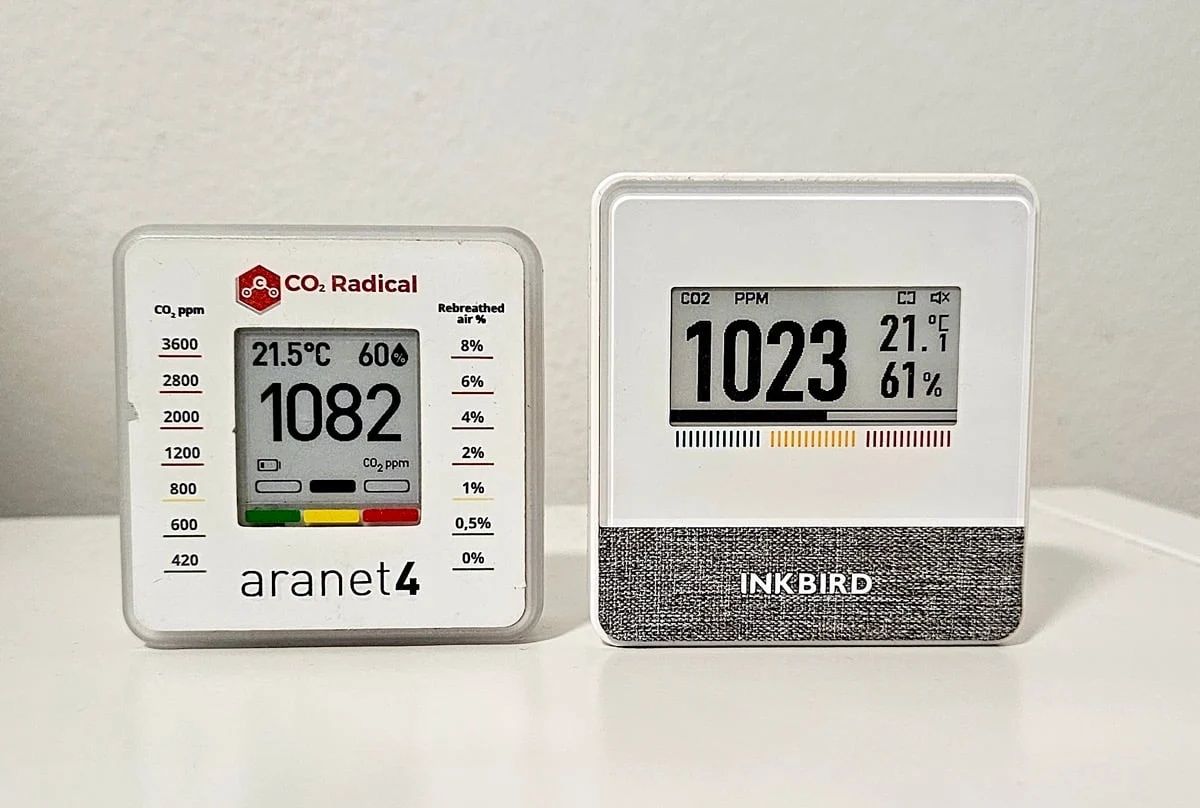
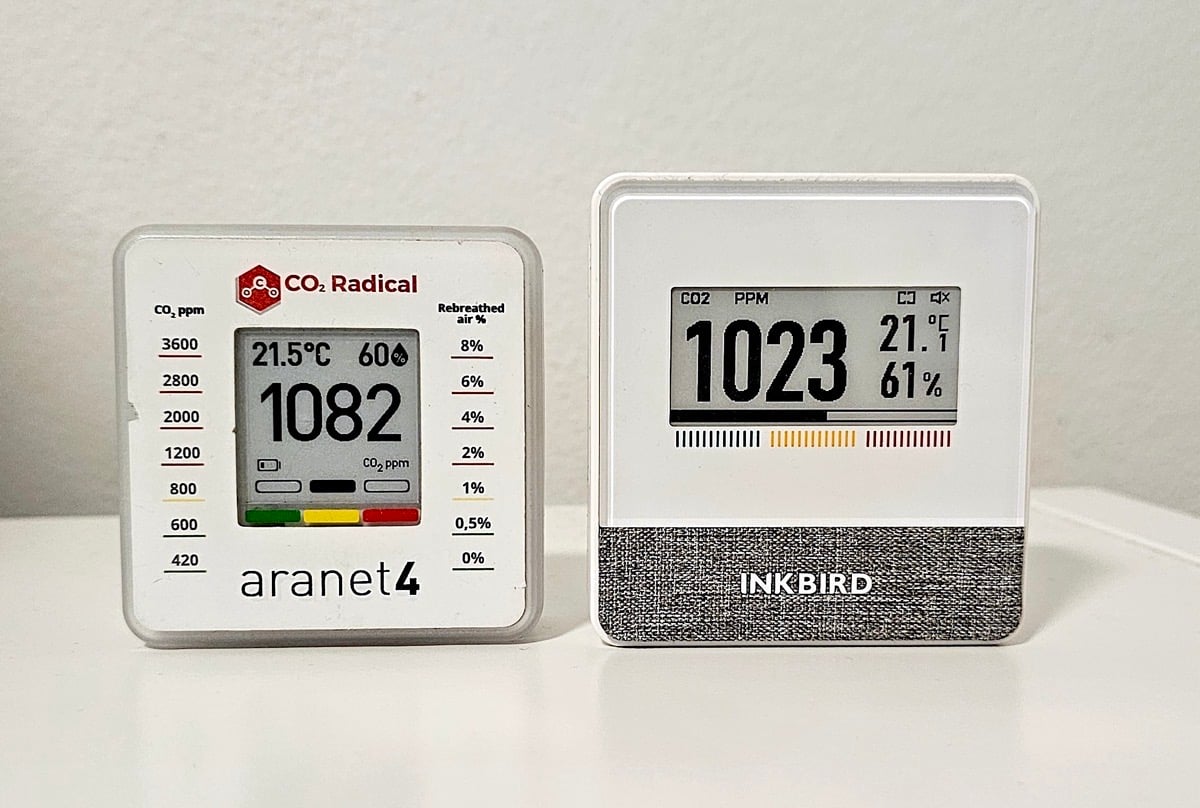
Portable carbon dioxide (CO2) monitors have become an indispensable tool for assessing indoor air quality and, by extension, airborne infection risk. CO2, a byproduct of human respiration, serves as a reliable proxy for the concentration of exhaled breath in a given space. Higher CO2 levels indicate a greater accumulation of exhaled air, and consequently, a higher probability of encountering airborne pathogens if an infected person is present.
Devices like the Aranet4 Home or Inkbird provide real-time readings, allowing individuals to make informed decisions about their environment. While outdoor settings inherently offer superior ventilation, many indoor spaces present a "crapshoot" regarding air exchange. A seemingly well-ventilated gym with cold air conditioning might paradoxically have poor air turnover, while some crowded restaurants surprise with adequate fresh air circulation.
Public health guidelines often recommend indoor CO2 levels remain below 800 ppm, with outdoor ambient levels typically around 400-450 ppm. Levels consistently above 1000 ppm are generally considered indicative of poor ventilation and elevated risk. For personal guidance, a level below 600 ppm might suggest that infection risk is localized to immediate face-to-face interactions, while above 1000 ppm often warrants increased precautions, such as donning a respirator or limiting exposure time.
Beyond public spaces, CO2 monitors have practical applications in the home, revealing, for example, the rapid buildup of CO2 in bedrooms overnight, which can impact sleep quality and morning grogginess. They also provide insight into air quality in cars and small rooms, where CO2 can accumulate surprisingly quickly even with single occupancy.
It is important to note that while CO2 levels reflect exhaled air concentration, the presence of active air purification systems, such as HEPA filters, can significantly reduce pathogen load regardless of CO2 readings. For instance, commercial aircraft maintain relatively high CO2 levels during flight but boast highly effective HEPA filtration systems that continuously clean the cabin air. However, these systems are often inactive when planes are on the ground, necessitating continued vigilance and respirator use during boarding and deplaning.
2. Respirators (N95/P2 Masks): Personal Air Filtration
Respirators, such as N95, P2, KN95, and KF94 masks, offer superior protection to the wearer by effectively filtering airborne particles, including viruses, from inhaled air. Unlike surgical or cloth masks, which primarily serve to contain the wearer’s own respiratory emissions (source control), respirators are designed to create a tight seal around the face, preventing unfiltered air from being inhaled.
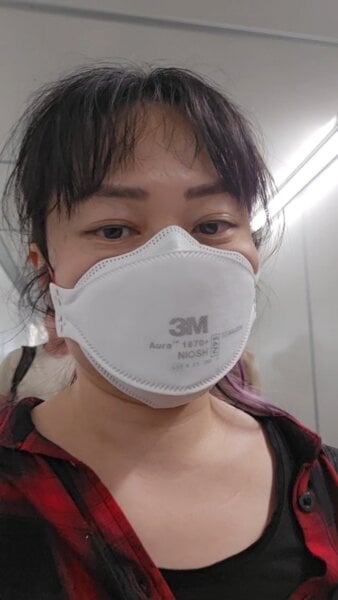
The efficacy of a respirator hinges on two critical factors: filtration efficiency and fit. N95 and P2 standards, for example, certify that the respirator filters at least 95% of airborne particles 0.3 microns in size. Modern respirators often incorporate advanced electrostatic filter materials for enhanced capture.
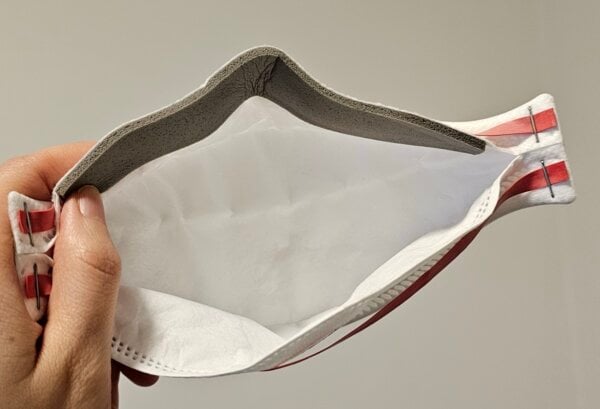
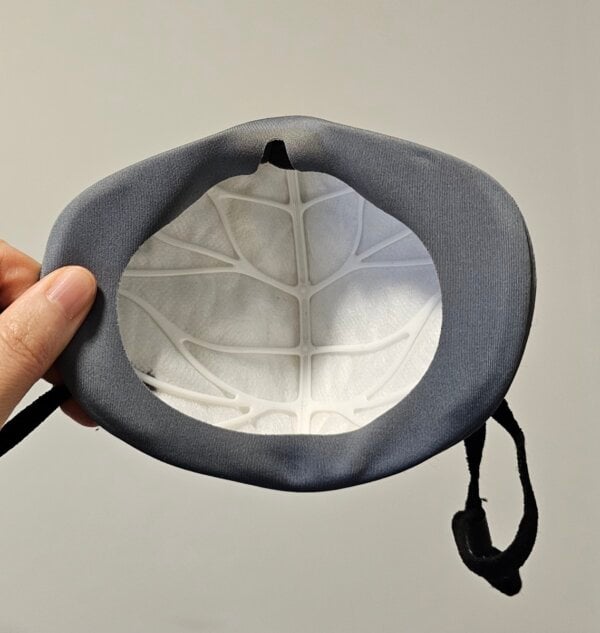
For optimal protection, a proper seal is paramount. While occupational settings require quantitative fit testing, individuals can perform a reliable "user seal check" by donning the respirator, exhaling forcefully, and feeling for air leakage around the edges. Soft, foldable N95 designs, often referred to as "boat-style" or "duckbill" respirators, tend to achieve better fits and greater comfort for a wider range of face shapes compared to traditional cup-style N95s. Headstraps generally provide a more secure and consistent seal than ear loops, though innovative designs like the Zimi Air with internal gaskets aim to overcome this limitation for ear loop users.
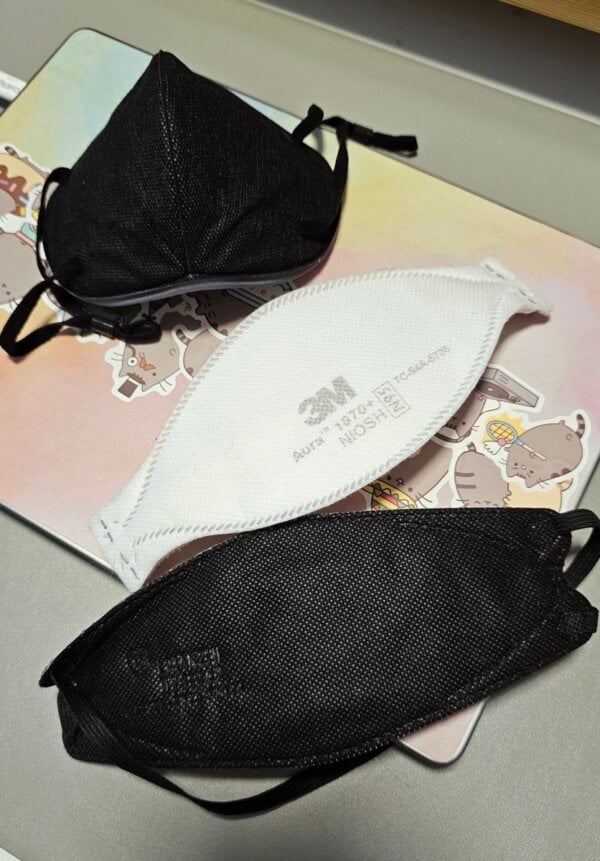
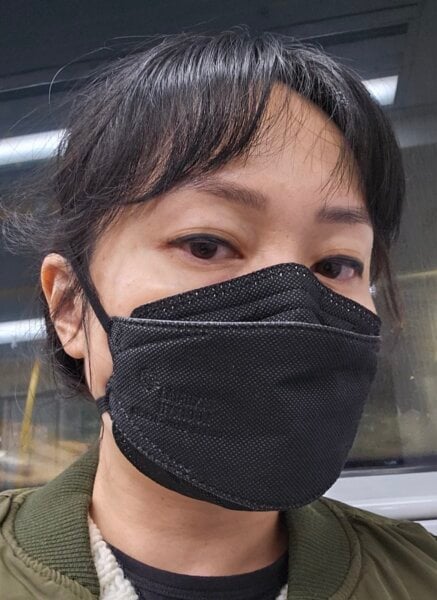
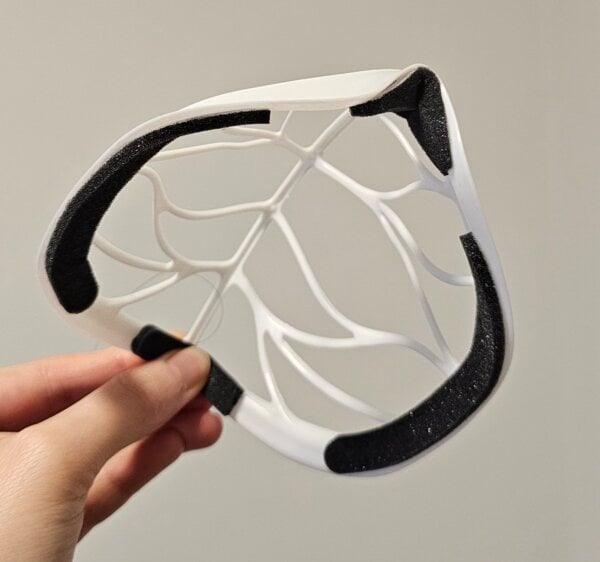
Concerns about reusability and fit testing are often overstated for general public use. Respirators can typically be reused until the filter material becomes noticeably difficult to breathe through or the mask no longer maintains a good seal. The 3M Aura series is a popular choice, lauded for its high filtration, wide fit success rate (reportedly upwards of 90% of users), and comfort, often retailing for $2-5 AUD each. Its design keeps the material off the nose and mouth, making it more comfortable for extended wear than many surgical masks. Other notable options include the Laianzhi HYX1002, a KN100 mask offering similar design principles in a darker aesthetic, and the Zimi Air, which features a customizable internal frame and gasket to minimize face marks and enhance seal, particularly beneficial for makeup wearers.
Respirators are particularly advised in high-risk indoor environments with poor ventilation or where vulnerable populations are present, such as planes, airports, pharmacies, hospitals, and doctor’s clinics. They are also highly effective during periods of increased community transmission or in crowded indoor settings. Anecdotal evidence suggests additional benefits, such as maintaining nasal passage moisture on planes, thereby reducing the incidence of nosebleeds often exacerbated by dry cabin air.
3. Targeted Air Purification: Laminar Flow and Far-UVC
Advancements in air purification extend beyond whole-room filtration to highly localized solutions.
Laminar Air Flow Purifiers: Unlike conventional air purifiers that produce turbulent airflow, laminar air flow purifiers like the AirFanta 4Lite generate a smooth, unidirectional stream of clean air. This allows the purified air to travel a greater distance before mixing significantly with ambient "dirty" air, creating a personal "clean air zone." This technology is particularly useful for scenarios where mask-wearing is impractical, such as eating or drinking in a potentially compromised indoor environment. Wearable versions, like the AirFanta Wear, offer localized clean air to the mouth and nose area, though their effectiveness is limited compared to a well-fitted respirator and they should not be considered a mask replacement.
Far-UVC (222 nm): Far-UVC light, specifically at a wavelength of 222 nanometers, represents a promising frontier in airborne pathogen control. Research indicates that this particular wavelength effectively inactivates airborne germs, including viruses and bacteria, while causing minimal harm to human skin and eyes. This contrasts sharply with traditional germicidal UVC (typically 254 nm), which is highly dangerous and can cause severe eye and skin damage upon direct exposure. The unique safety profile of 222 nm Far-UVC is attributed to its shallow penetration depth; it cannot effectively penetrate the outer dead layer of skin or the tear layer of the eye, thus protecting living cells.
While the technology holds immense promise for applications in public spaces, transportation, and healthcare settings, questions remain regarding product specifications and consistent safety across all commercially available devices. Reputable manufacturers, such as Nukit, are prioritizing rigorous testing and responsible product design and advertising to ensure efficacy and safety. Far-UVC devices could be strategically deployed in areas of high transient occupancy, such as waiting rooms, public transport hubs, or even at home during gatherings, to actively reduce airborne pathogen load.
4. General Air Purifiers (HEPA Filters): Room-Wide Clean Air
For broader room-level air purification, High-Efficiency Particulate Air (HEPA) filters remain the gold standard. These mechanical filters are designed to trap 99.97% of particles that are 0.3 microns in diameter, including viruses, bacteria, pollen, dust, and smoke. HEPA purifiers are essential for improving indoor air quality in various settings: classrooms, offices, hotel rooms with central air systems, and homes.
When selecting an air purifier, the Clean Air Delivery Rate (CADR) is a crucial metric, indicating how quickly the purifier can clean a room of a specific size. Higher CADR values signify faster and more effective air cleaning. Resources like Clean Air Stars provide recommendation tools and detailed spreadsheets to help consumers match purifiers to their specific needs and room dimensions. Proper placement, typically a short distance from walls to allow for optimal airflow, maximizes their effectiveness. Beyond pathogen removal, HEPA filters offer significant benefits for allergy sufferers and in areas prone to wildfire smoke or general air pollution.
Ancillary Protective Measures
Beyond the core strategies of ventilation, personal filtration, and air purification, supplementary measures can contribute to a comprehensive infection prevention plan.
Nasal Rinses: While not a substitute for clean air, nasal rinses have been studied for their efficacy in reducing the duration and severity of common colds and allergies. The theory is that a saline rinse can physically wash away pathogens trapped in nasal mucus before they can fully establish an infection. Performing a nasal rinse with a device like a Neilmed bottle and sachets after potential high-risk exposures (e.g., crowded events, medical appointments) is a low-risk practice that may offer an additional layer of defense.
Nasal Sprays: Certain nasal sprays contain active ingredients designed to either block viruses from binding to nasal receptors or to directly inactivate them on contact. Ingredients such as iota-carrageenan, xylitol, or povidone-iodine have shown promise in some studies. However, the inconsistent delivery of active ingredients and variable adherence to proper usage techniques mean that nasal sprays should be considered a complementary measure rather than a primary defense against airborne transmission.
Epidemiological Awareness: Monitoring Community Risk
Just as one might check the UV index before spending time outdoors, understanding local disease prevalence is crucial for personal risk assessment. Public health dashboards, wastewater surveillance data, and hospitalization rates for respiratory illnesses provide valuable insights into community transmission levels. Adjusting activities and precautions based on these indicators—e.g., avoiding high-risk indoor gatherings when community viral loads are high—empowers individuals to make more informed decisions about their exposure.
Broader Implications and Future Outlook
The post-pandemic emphasis on airborne disease mitigation signifies a fundamental shift in public health thinking. It moves beyond solely relying on population-wide vaccination campaigns and reactive treatments to embrace a proactive, layered defense strategy that integrates individual empowerment with environmental controls.
This evolving understanding has significant implications for urban planning, architectural design, and building codes. There is an increasing call for improved ventilation standards in all public and commercial buildings, mandating higher rates of air exchange and the integration of advanced filtration or purification systems. Smart building technologies that monitor and dynamically adjust indoor air quality are likely to become standard.
The widespread adoption of personal mitigation tools also presents challenges, including issues of equitable access, affordability, and the ongoing battle against misinformation. Educating the public on the science of airborne transmission and the effective use of these tools is paramount. Ongoing research will continue to refine our understanding of pathogen behavior, develop new technologies, and validate the long-term safety and efficacy of emerging solutions like Far-UVC.
Ultimately, empowering individuals with knowledge and effective tools to manage their personal risk of airborne infection is a critical step towards building more resilient communities and a healthier future, minimizing the burden of preventable illness and its long-term consequences.
