
Relapsing into cocaine use is a devastating reality for millions, a cycle often misunderstood as a simple failure of willpower. However, groundbreaking research from Michigan State University (MSU) is illuminating a more complex biological basis for this persistent struggle. Scientists have uncovered compelling evidence that chronic cocaine use induces lasting alterations in brain circuits, fundamentally changing how individuals respond to the drug and significantly heightening the difficulty in resisting its allure. This discovery, supported by the National Institutes of Health (NIH) and published in the esteemed journal Science Advances, not only deepens our understanding of cocaine addiction but also opens promising avenues for the development of novel therapeutic interventions.
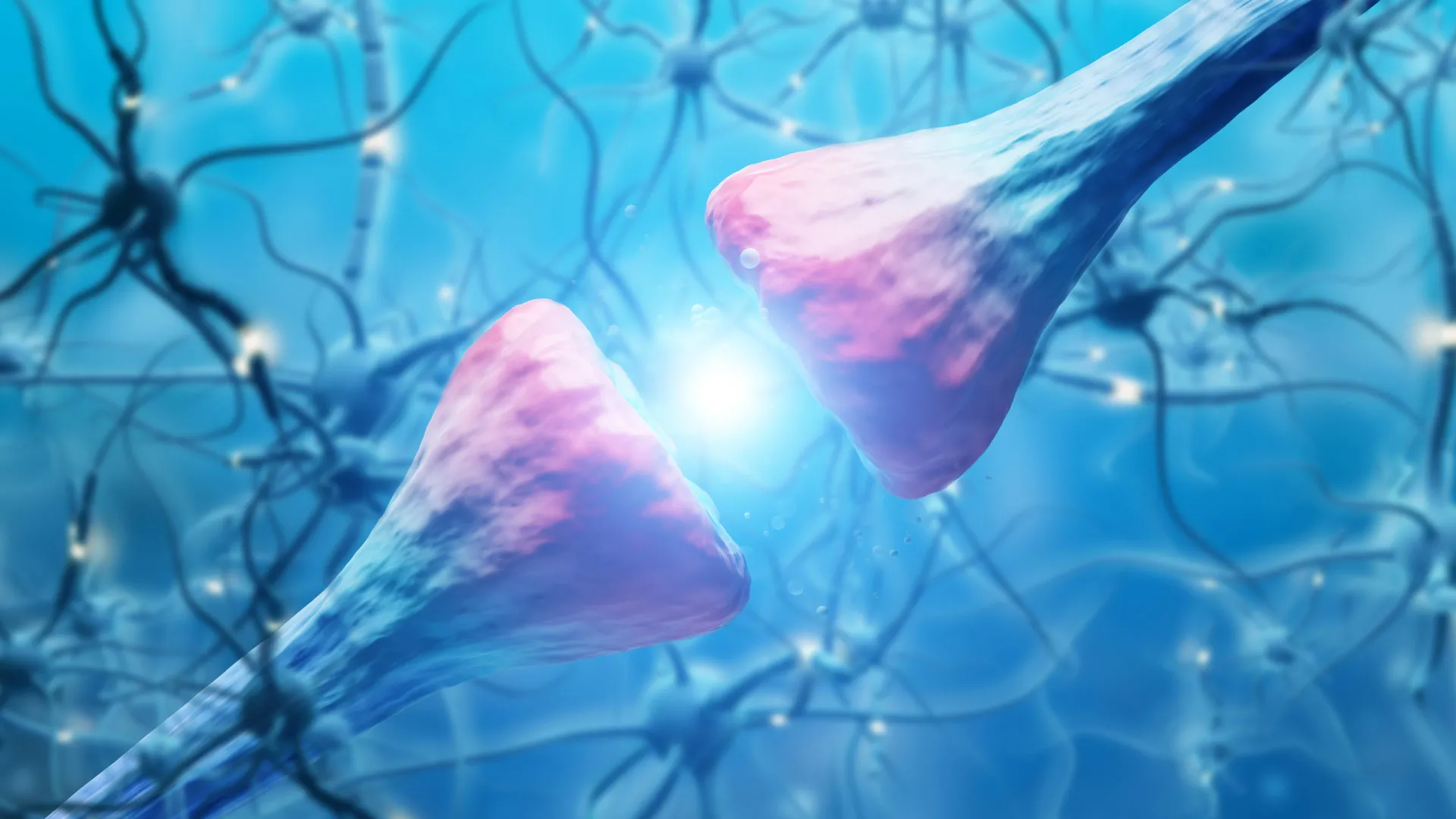
The study’s findings center on the hippocampus, a critical brain region responsible for memory and learning. Researchers demonstrated that cocaine significantly disrupts the normal functioning of this area, forging a potent link between drug-associated memories and the overwhelming urge to use. This biological recalibration helps explain the notoriously high relapse rates observed even after periods of abstinence, a challenge that has long eluded effective pharmacological treatment.
"Addiction is a disease in the same sense as cancer," stated senior author A.J. Robison, a distinguished professor of neuroscience and physiology at MSU. "We need to find better treatments and help people who are addicted in the same sense that we need to find cures for cancer." This powerful analogy underscores the urgency and scientific imperative behind the ongoing research.
The Stubborn Grip of Cocaine Addiction
Cocaine addiction remains a formidable public health crisis, impacting at least one million individuals across the United States. Despite its widespread prevalence, there is a critical void in FDA-approved medications specifically designed to treat cocaine addiction. Unlike opioid withdrawal, which is characterized by severe and immediate physical discomfort, discontinuing cocaine use typically does not elicit such pronounced physical symptoms. Paradoxically, this absence of intense physical withdrawal can create a false sense of ease, masking the profound psychological and neurological changes that make quitting extraordinarily challenging.
The addictive power of cocaine stems from its rapid and potent influence on the brain’s reward pathways. Upon administration, cocaine triggers a massive surge of dopamine, a neurotransmitter intrinsically linked to pleasure, motivation, and reinforcement. This overwhelming influx of dopamine floods the brain’s reward centers, creating an intensely positive reinforcement signal. The brain, in its adaptive mechanisms, misinterprets this drug-induced euphoria as a sign of extreme benefit, effectively overriding the knowledge of the drug’s harmful consequences. This profound alteration in the brain’s reward circuitry is a primary driver of compulsive drug-seeking behavior.
The consequences of this biological reprogramming are starkly evident in relapse statistics. Even for individuals who successfully abstain from cocaine use for a period, the likelihood of returning to drug use remains alarmingly high. Data indicates that approximately 24% of individuals who have previously used cocaine relapse to weekly use, while an additional 18% re-enter treatment programs within a year of initial abstinence. These figures highlight the persistent and formidable nature of cocaine addiction and underscore the need for interventions that address its underlying biological mechanisms.
Pinpointing the Molecular Architect of Cravings: DeltaFosB
At the heart of this persistent drive to seek cocaine lies a crucial molecular player identified by the MSU research team: a protein named DeltaFosB. Andrew Eagle, the study’s lead author and a former postdoctoral researcher in Dr. Robison’s lab, spearheaded the investigation into this protein’s pivotal role.
To meticulously examine the influence of DeltaFosB on specific brain circuits, Eagle employed a sophisticated form of CRISPR technology. This cutting-edge gene-editing tool allowed researchers to precisely investigate how DeltaFosB impacts neural pathways when mice were exposed to cocaine. The experimental design aimed to unravel the molecular cascade initiated by cocaine use and its long-term effects on brain function.
The experiments, conducted with carefully controlled mouse models, revealed that DeltaFosB functions as a critical "genetic switch." It exerts its influence by activating or suppressing a cascade of genes within the neural circuit that connects the brain’s primary reward center with the hippocampus, the brain’s central hub for memory formation and retrieval. With continued and chronic exposure to cocaine, DeltaFosB begins to accumulate within this vital circuit. As its levels steadily rise, the protein progressively alters the behavior of neurons and fundamentally reshapes the circuit’s responsiveness to cocaine.
"This protein isn’t just associated with these changes, it is necessary for them," emphasized Eagle. "Without it, cocaine does not produce the same changes in brain activity or the same strong drive to seek out the drug." This statement is crucial, as it establishes a direct causal link between DeltaFosB accumulation and the development and maintenance of cocaine-seeking behavior, moving beyond mere correlation.
Unveiling Genes That Amplify Drug Seeking
Beyond the central role of DeltaFosB, the researchers also identified a suite of additional genes that are meticulously regulated by DeltaFosB following prolonged cocaine exposure. Among these significant genes is calreticulin, a protein known for its involvement in modulating neuronal communication.
The study’s experiments demonstrated that increased levels of calreticulin, orchestrated by DeltaFosB, lead to heightened activity in specific brain pathways. These pathways are instrumental in driving compulsive drug-seeking behaviors, effectively accelerating the neurobiological processes that underpin addiction. By amplifying the signals that encourage continued drug pursuit, calreticulin plays a direct role in solidifying the addictive cycle.
A Promising Horizon for Therapeutic Intervention
While the groundbreaking discoveries were made in preclinical mouse models, the implications for human health are substantial. This is due to the significant evolutionary conservation of key genes and neural circuits across mammalian species, including humans. The fundamental biological mechanisms underlying addiction are often shared, suggesting that the insights gained from this research are highly relevant to understanding and treating cocaine addiction in humans.
In response to these findings, Dr. Robison’s team is actively engaged in collaborative efforts with researchers at the University of Texas Medical Branch in Galveston, Texas. This partnership is focused on a critical objective: developing novel compounds that can specifically target DeltaFosB. This ambitious project has received crucial support from a grant awarded by the National Institute on Drug Abuse (NIDA), a leading federal agency dedicated to advancing the science of addiction. The primary aim of this grant-funded initiative is to design and rigorously test molecules capable of modulating how DeltaFosB interacts with DNA, thereby disrupting its role in perpetuating addiction.
"If we could find the right kind of compound that works in the right way, that could potentially be a treatment for cocaine addiction," Dr. Robison elaborated. "That’s years away, but that’s the long-term goal." This measured optimism highlights the translational potential of the research, acknowledging the rigorous development and testing required for any new therapeutic agent.
Exploring Sex Differences in Addiction Vulnerability
Looking ahead, the research trajectory is set to expand into understanding the intricate interplay between hormones and brain circuits involved in addiction. A significant next phase will involve a dedicated investigation into whether cocaine exerts differential effects on the brains of male and female individuals.
Such research into sex-based differences in addiction is critically important. It has the potential to illuminate why addiction risks and patterns of drug use can vary between men and women. Furthermore, a deeper understanding of these biological distinctions could pave the way for the development of more personalized and effective treatment approaches, tailored to the specific biological profiles of individuals seeking recovery. This nuanced approach acknowledges that addiction is not a monolithic condition and that individualized strategies may yield superior outcomes.
The ongoing research at Michigan State University represents a significant leap forward in our understanding of the complex neurobiology of cocaine addiction. By identifying specific molecular targets like DeltaFosB and understanding their role in altering brain function, scientists are moving closer to developing much-needed treatments that go beyond symptom management and address the fundamental biological underpinnings of this devastating disease. The journey from laboratory discovery to clinical application is often long and arduous, but the potential to offer hope and lasting recovery to those struggling with cocaine addiction makes this scientific pursuit an endeavor of immense societal importance.
