
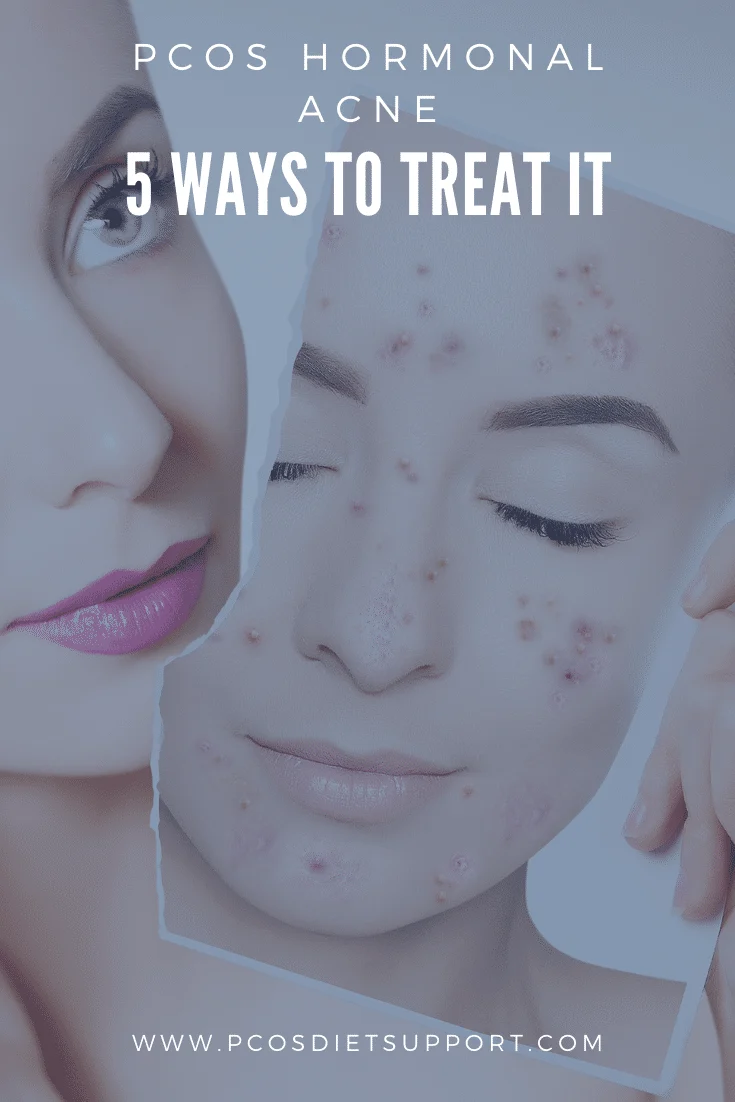
Polycystic Ovary Syndrome (PCOS) remains one of the most prevalent endocrine disorders among women of reproductive age, affecting approximately 8% to 13% of the global female population. While the condition is frequently discussed in the context of fertility and metabolic health, its dermatological manifestations—specifically hormonal acne—present a significant clinical challenge. Unlike adolescent acne, which often resolves following puberty, PCOS-related acne is persistent, inflammatory, and frequently resistant to conventional over-the-counter treatments. Medical experts emphasize that addressing this symptom requires a multifaceted approach that targets the underlying hormonal imbalances rather than merely treating the skin’s surface.
The Pathophysiology of PCOS-Induced Dermatosis
To understand why PCOS causes severe acne, one must examine the endocrine feedback loop involving the pituitary gland and the ovaries. In a healthy physiological state, the pituitary gland regulates the production of estrogen, progesterone, and androgens. While androgens are often classified as "male" hormones, they are essential in women for maintaining bone density and reproductive tissue health. However, in women with PCOS, this regulatory mechanism is disrupted.
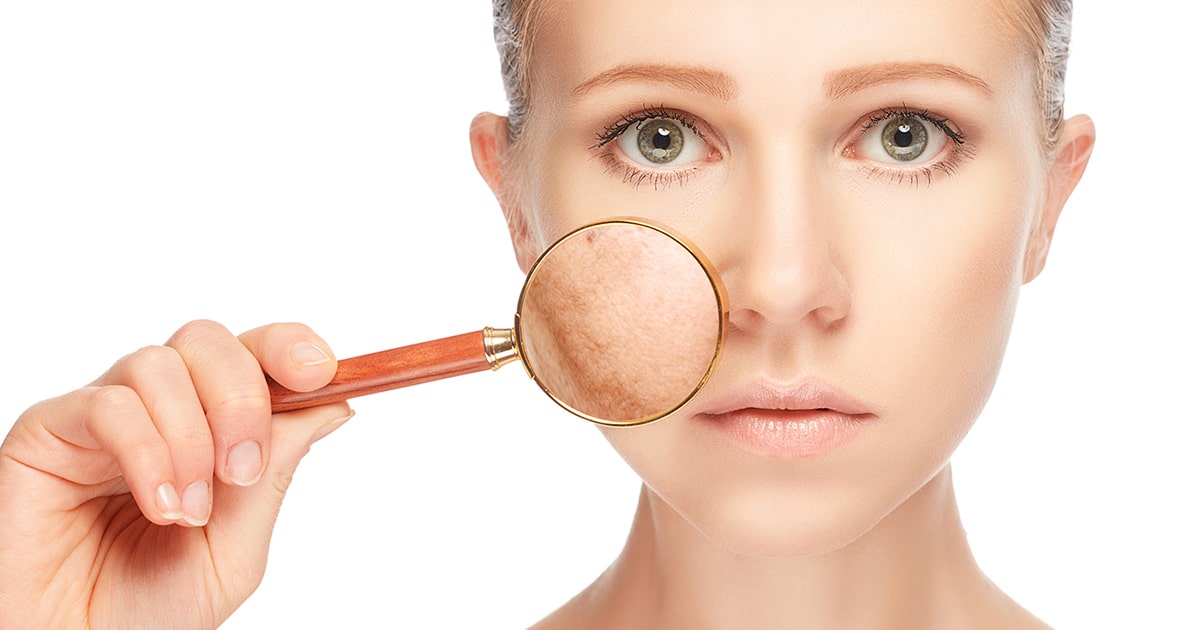
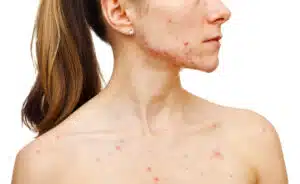
The hormonal "rollercoaster" begins when the pituitary gland signals the ovaries to produce an excess of androgens, particularly testosterone. Simultaneously, levels of progesterone and estrogen often fluctuate or remain sub-optimal. This hyperandrogenism triggers the sebaceous glands to produce an overabundance of sebum, an oily substance that clogs pores. When combined with a buildup of dead epithelial cells, this creates an anaerobic environment where Cutibacterium acnes bacteria thrive, leading to deep, cystic lesions typically concentrated along the jawline, chin, and neck.
Furthermore, insulin resistance—a hallmark of PCOS affecting up to 70% of patients—plays a secondary but critical role. Elevated insulin levels stimulate the ovaries to produce even more testosterone and decrease the levels of sex hormone-binding globulin (SHBG), a protein that normally "mops up" excess testosterone in the blood. This creates a biological environment where hormonal acne is almost inevitable without systemic intervention.
The Evolution of Treatment: A Historical and Clinical Timeline
The medical community’s approach to treating hormonal acne has evolved significantly over the last half-century. In the mid-20th century, acne was largely viewed as a hygiene or dietary issue, often dismissed by clinicians.
- 1971: The introduction of topical retinoids revolutionized dermatological care, offering the first real mechanism to prevent pore blockage at the cellular level.
- 1982: The FDA approved Isotretinoin (Accutane), providing a high-potency oral solution for severe, recalcitrant cystic acne.
- 1990s: Researchers established a definitive link between insulin resistance and hyperandrogenism in PCOS patients, shifting the focus toward metabolic management.
- 2000s-Present: The rise of "integrative endocrinology" has led to the current standard of care, which combines pharmacological treatments with aggressive dietary and lifestyle modifications.
Dietary Intervention and the Insulin Connection
Clinical data increasingly supports the role of nutrition in managing PCOS symptoms. Because the ovaries are hypersensitive to insulin, dietary choices that cause rapid spikes in blood glucose can immediately exacerbate androgen production.
One of the most significant dietary correlations identified by dermatologists is the consumption of dairy. Research published in various dermatological journals suggests that cow’s milk contains growth hormones and amino acids that stimulate the production of Insulin-like Growth Factor 1 (IGF-1). For women with PCOS, who already struggle with insulin regulation, dairy consumption can act as "fuel for the fire," worsening inflammatory acne. Many clinical practitioners report that patients who eliminate dairy see a noticeable reduction in cystic lesions within 14 to 30 days.
Beyond dairy, the implementation of a low-glycemic index (GI) diet is considered a foundational treatment. By consuming complex carbohydrates, high fiber, and lean proteins, patients can stabilize their insulin levels, thereby indirectly lowering testosterone production. This metabolic stabilization is often more effective for long-term skin clarity than topical antibiotics.

Pharmacological Options: Retinoids and Isotretinoin
When dietary changes are insufficient, physicians often turn to retinoids, which are derivatives of Vitamin A. These medications work by promoting cell turnover and preventing dead skin cells from clogging pores.
- Topical Retinoids: Prescription-strength creams such as Tretinoin or Adapalene are standard first-line therapies. They assist in unclogging pores and reducing the formation of acne scars. However, patients are cautioned that these treatments can cause initial "purging," where acne worsens temporarily before improving.
- Oral Isotretinoin (Accutane): For severe cases that do not respond to other therapies, Isotretinoin remains the most powerful tool available. A standard course lasts 15 to 20 weeks. While highly effective, it carries a heavy burden of potential side effects, including severe dryness of the skin and mucous membranes, joint pain, and significant risks for pregnant women. Due to the high risk of birth defects, patients must adhere to strict regulatory programs (such as iPLEDGE in the United States) to ensure they do not become pregnant while on the medication.
Antiandrogen Medications and Hormonal Blockers
Since the root cause of PCOS acne is an excess of androgens, antiandrogen medications are frequently utilized to "block" these hormones at the receptor level.
- Spironolactone (Aldactone): Originally a diuretic used for blood pressure, Spironolactone has been used "off-label" for over three decades to treat hormonal acne and hirsutism (excess hair growth) in women. It works by competing with androgens for receptor sites in the sebaceous glands, effectively slowing down oil production.
- Cyproterone Acetate: Common in Europe and Canada, this progestin has strong antiandrogenic properties. It is often combined with estrogen in birth control formulations to regulate cycles and clear skin.
These medications are highly effective but require consistent monitoring of potassium levels and kidney function, particularly in the case of Spironolactone.
The Role of Oral Contraceptives
Hormonal birth control remains a cornerstone of PCOS management. Combined oral contraceptives containing both estrogen and progestin help to regulate the menstrual cycle and increase the levels of SHBG in the blood. As SHBG levels rise, the amount of free, active testosterone in the body decreases, leading to clearer skin.
Commonly prescribed brands for acne include Ortho Tri-Cyclen, Estrostep, and YAZ. However, the use of oral contraceptives is not without risk. Clinical guidelines from the American College of Obstetricians and Gynecologists (ACOG) highlight that women who are obese, smoke, or are over the age of 35 have an increased risk of developing deep vein thrombosis (blood clots) while on these medications. Furthermore, many patients find that while birth control "masks" the symptoms of PCOS, the acne often returns once the medication is discontinued, suggesting that it should be part of a broader, holistic management plan.
The Impact of Cortisol and Stress Management
A growing body of evidence suggests that the "stress hormone" cortisol can significantly worsen PCOS symptoms. High stress levels trigger the adrenal glands to produce more androgens, further complicating the hormonal profile of a PCOS patient.
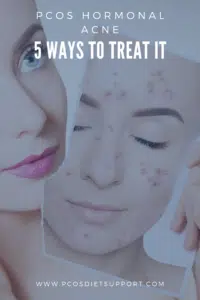
Psychological stress often stems from the symptoms themselves. The visible nature of cystic acne can lead to plummeting self-esteem, social anxiety, and depression. This creates a physiological feedback loop: the stress of having acne increases cortisol, which in turn produces more acne.
To break this cycle, medical professionals advocate for "stress-busting" activities. Clinical trials have shown that regular meditation, yoga, and moderate exercise can lower serum cortisol levels and improve insulin sensitivity. While these activities are not a "cure," they serve as essential supportive therapies that enhance the efficacy of pharmacological treatments.
Analysis of Long-term Implications and Broader Impact
The management of PCOS hormonal acne is not merely a matter of aesthetics; it is a critical component of metabolic and mental health. Untreated PCOS can lead to long-term complications, including Type 2 diabetes, cardiovascular disease, and endometrial cancer. Acne often serves as the "canary in the coal mine," a visible indicator that the body’s endocrine system is in a state of dysfunction.

From an economic perspective, the burden of PCOS is substantial. Patients often spend thousands of dollars on ineffective over-the-counter products before receiving a formal diagnosis. Increased awareness among primary care physicians and dermatologists is essential for early intervention, which can prevent the permanent physical scarring and psychological trauma associated with chronic cystic acne.
Summary of Clinical Recommendations
For women navigating the complexities of PCOS, the path to clear skin involves a tiered approach:
- Metabolic Foundation: Prioritize insulin management through a low-GI, dairy-free diet.
- Hormonal Regulation: Consult with an endocrinologist or gynecologist regarding antiandrogens or oral contraceptives to address the testosterone imbalance.
- Topical and Oral Support: Utilize prescription retinoids to manage skin cell turnover and prevent pore blockages.
- Holistic Health: Implement stress-reduction techniques to manage adrenal contributions to hyperandrogenism.
While PCOS is a lifelong condition, the dermatological symptoms are manageable. With a proactive and informed approach, women can regain control over their hormonal health and achieve lasting skin clarity. The integration of dietary discipline, targeted medication, and stress management remains the gold standard for treating this challenging manifestation of Polycystic Ovary Syndrome.
